
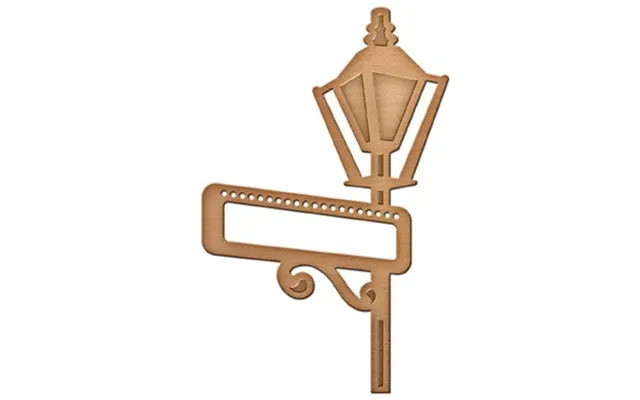
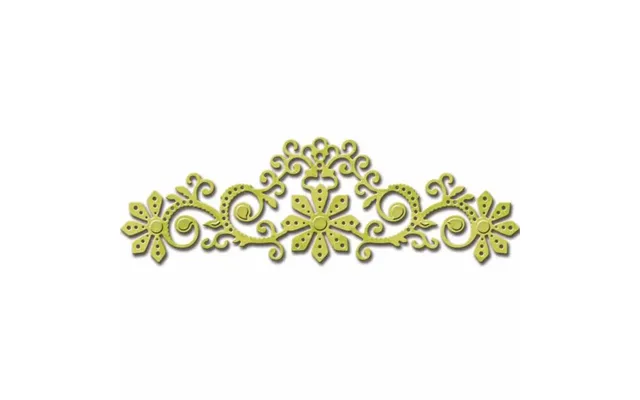
Shaper Cutters price list
Last updated Friday, Sep 18, 2026
| Shaper Cutters | Price |
|---|---|
| Destination | £5.34 |
| Floral Bloom | £8.00 |





Loading...
Last updated Friday, Sep 18, 2026
| Shaper Cutters | Price |
|---|---|
| Destination | £5.34 |
| Floral Bloom | £8.00 |
If you’ve ever admired a perfectly profiled garden gate, ornate planter trim, or a crisp piece of exterior joinery, there’s a good chance a shaper cutter played a role. Shaper cutters are the heavy-duty profiles used on woodworking shapers (also called spindle moulders) to cut mouldings, grooves, and complex edge profiles into timber and composite materials. Think of them as the toothbrush heads for your wood — swap the head and you instantly get a different shape or texture.
Choosing premium shaper cutters is like choosing stainless steel over tin: they last longer, cut cleaner, and reduce the number of times you have to stop and sharpen. High-quality cutters—especially carbide-tipped ones—keep their edge under heavy use, meaning smoother cuts, less tear-out, and a better finish. For garden projects exposed to weather, a clean profile reduces water traps and makes painting or sealing easier, so your work stays beautiful for longer.
There’s a cutter for nearly every task. Matching the cutter to the job saves time and improves results, whether you’re working on decorative trim, door panels, or timber edging.
Carbide-tipped cutters combine a steel body with carbide teeth so you get the strength of steel and the edge retention of carbide. They’re ideal for long runs and for cutting engineered timbers like plywood or MDF. Expect them to hold an edge for dozens of linear feet before resharpening.
HSS cutters are tougher to resharpen but cost less up front. They work well for hobbyists doing occasional decorative work, though they blunt faster than carbide, especially on abrasive materials or when cutting moisture-laden timber from the garden.
Indexable cutters use replaceable carbide inserts. When an insert dulls, you rotate or replace it—no full-knife resharpening needed. These are great for production shops where downtime needs to be minimal.
Used for door panels and cabinet work, raised panel cutters produce the classic profile you see on many garden shed doors or timber cabinets. They’re measured by diameter and the height of the panel they can create, so check compatibility with your shaper spindle.
Rabbeting and groove cutters are the workhorses for joinery: they create the channels and shoulders that let boards interlock or accept panels. For garden furniture or planter boxes, clean rabbets ensure tight joints that resist water ingress.
Want a soft decorative curve or a small bead along an edge? Cove and beading cutters add the finishing touch. They’re small but impactful, turning a plain edge into something that looks professionally made.
Choosing a cutter isn’t just about the profile. You must match diameter, bore (arbor) size, and width to your shaper spindle and the material you’re cutting. Use the spindle speed, feed rate, and the cutter’s recommended cutting depth to avoid tear-out and blade damage.
Diameter is usually given in inches. A common shaper cutter might be 4 inches to 8 inches across for door and panel work, while smaller cutters for trim can be under 2 inches. Bore size—often 1/2 inch or 1 inch—must match your shaper’s arbor or you’ll need an adapter ring. Always measure twice and fit once.
Width or height of cut determines how much material is removed in a single pass. If you’re planning to take off 1/8 inch at a time versus 1/4 inch, choose a cutter that can comfortably handle the load at your shaper’s RPM without stalling the spindle.
If you’re outfitting a workshop for garden and home projects, investing in a few versatile sets makes sense. Look for mixed sets that include straight cutters, small bead profiles, and a raised panel knife. These let you tackle planter trim, gate profiles, and furniture edges without buying a separate cutter for every job.
Multi-profile carbide sets bundle several small-diameter cutters—straight, chamfer, and round-over—into a handy kit. These are great for daily tasks like trimming decking boards or finishing planter boxes, especially when working with exterior-grade timber that can be abrasive.
For gates, shed doors, and furniture, raised panel kits produce that classic framed look. Pair one of these with a matching door stile/rail cutter to keep a consistent profile across the piece.
If you don’t own a shaper, router bits are a portable, budget-friendly alternative. Large-diameter router bits mimic some shaper profiles but remember: routers spin much faster and require different feeds and depth settings. Always check compatibility with your material and joinery requirements.
Choosing between a router and a shaper is like picking between a sports car and a pickup truck: both move you forward, but one is optimized for speed and agility while the other handles heavier loads. Shapers excel with large profiles and heavy timbers because of their robust spindles and cutter size. Routers are more versatile, portable, and often better for on-site garden work. If your projects include long runs of moulding in hardwood, a shaper with carbide cutters is the better choice.
Maintenance extends the life of your cutters and improves the finish. Clean resin and sap after each use, inspect for chips, and store cutters in a dry place to prevent rust on steel bodies. Carbide tips typically need less frequent sharpening, but when they do, a professional carbide grinding service will restore them faster and more accurately than a DIY tool.
If you notice burning, increased tear-out, or your shaper has to slow down to make the cut, it’s time for sharpening. Also, if the finish looks fuzzy instead of crisp, a dull edge is usually the culprit. Keep a simple log: after every 10 linear feet of heavy hardwood work or 50 feet of softwood, inspect the cutters.
Shaping wood is satisfying, but it’s not without risk. Always wear eye protection and hearing protection—shapers can be loud, often exceeding 85 decibels for extended periods. Use push blocks and featherboards to keep your hands away from the cutter, and never remove guards or use a cutter without the correct hood. A simple analogy: treating a shaper like a gentle lion—beautiful when it purrs, dangerous if you put your hand in the wrong place—keeps you respectful and safe.
When shopping for cutters, compare material (carbide vs. HSS), included profiles, bore compatibility, and whether the set includes storage or inserts. Price matters, but a cheap cutter that blunts quickly costs more over time. Look for manufacturers who specify cutting diameter, max RPM, and recommended feed rates—transparency is a sign of a reputable product.
Consider warranty and resharpening options when comparing offers. A slightly more expensive cutter that can be resharpened affordably may be cheaper per inch of cutting over its life than a disposable bargain set. Calculate cost per linear foot for long projects: divide purchase and resharpening costs by expected usable linear feet to compare apples to apples.
Ready to put cutters to work? Start small: trim for planter boxes, decorative edging for raised beds, or profiled rails for garden gates. Shaper cutters give these simple builds a high-end look without a lot of extra effort. For example, a 1-inch round-over on deck board edges makes the boards comfortable to the touch and reduces splintering—an excellent finish for seating tops and handrails.
Profile the top rail of a raised bed with a subtle bead or chamfer to shed water and give the bed a polished, intentional look. A 1/4 inch bead or a 1/8 inch chamfer is usually plenty to create a visual line and prevent water from clinging to the edge.
Raised panel cutters and stile/rail sets add architectural interest to gates. Use a 3/8 inch wide mortise and tenon or tongue-and-groove joint depending on the thickness of your timber, and the result will be a gate that looks custom-built and lasts for seasons of use.
Expect to invest more upfront for quality. Entry-level hobby sets start affordably, but professional carbide sets and raised panel knives for extensive exterior work typically run higher. A sensible approach is to buy the essential set for your immediate projects—straight cutters, round-over, and a small bead—then add specialty profiles as your needs grow. Think long-term: a good set is like a solid pair of boots—comfortable, reliable, and worth the investment.
Shaper cutters transform plain timber into polished, professional-looking work for gardens and homes. Whether you’re building planter boxes, gates, or trim, picking the right cutter type, material, and size makes the job easier and the result more durable. Prioritize carbide or indexable options for heavy or frequent use, keep cutters clean and sharp, and always use the right safety gear. With the right cutters and a little practice, your next garden project can look like it was crafted by a pro—no magic required, just the right tools and patience.