

Soldering Iron Stands price list
Last updated Monday, 19 Oct 2026



View 5 Offers

Loading...
Last updated Monday, 19 Oct 2026
If you’ve ever burned your finger, scorched a desk, or watched a delicate PCB go up in smoke, you know why a proper soldering iron stand is non-negotiable. A stand is not just a place to park your iron — it’s a safety device, a heat sink, and a small productivity booster all rolled into one. Think of it like a good pair of shoes for a long hike: you could walk without them, but every step becomes riskier and less comfortable. The right stand keeps the hot tip safely away from flammables, holds the iron firmly so it doesn’t roll, and often includes extras like tip cleaners and sponge holders that shave minutes off each repair job.
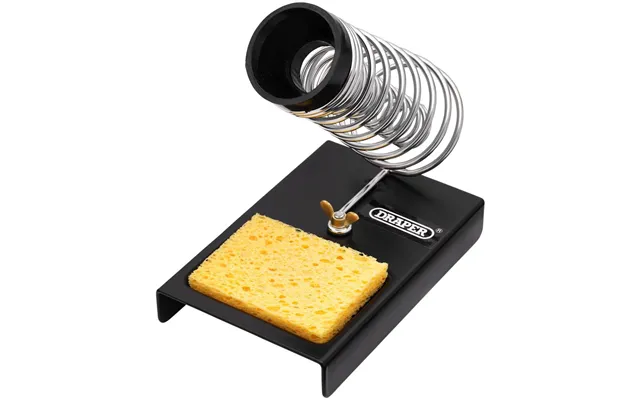
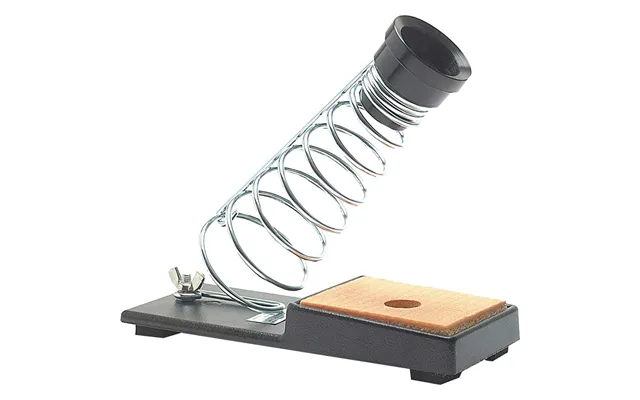
Coil stands are the classic, no-fuss option: a simple metal spring mounted to a base. The spring grips the iron and lets heat radiate away. They’re lightweight, often under 1 pound, and take up little space — imagine a tall metal flower on your bench. For hobbyists who need a basic solution that fits in a toolbox, a coil stand is a reliable choice.
If you work with higher power irons or soldering stations that run north of 600°F, you’ll appreciate a heavy-duty stand with a heatproof base. These stands typically feature ceramic, silicone, or thick metal pads that resist heat transfer. A stable base prevents tipping and absorbs stray heat, protecting your work surface — like laying down a fire-resistant placemat before cooking on a camp stove.
Adjustable stands let you set the iron at different angles for easier pick-up and rest. Some include a locking mechanism so the iron won’t shift during use. This type of stand is helpful when you’re alternating between hands or using magnifiers and need the iron positioned precisely — it’s like having a phone stand with tilt control for your bench.
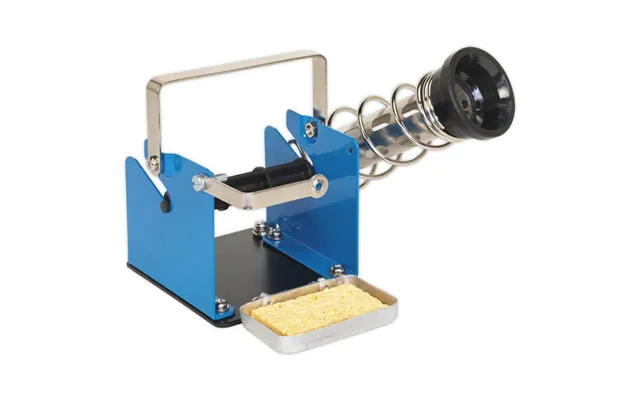
Multifunction stands combine a holder, a brass wool tip cleaner, and a sponge tray in a compact unit. These are popular with both hobbyists and professionals because they centralize essential tools. The brass wool removes solder quickly without cooling the tip excessively, while the sponge keeps the tip tinned. If you want fewer trips across the bench, a multifunction stand is like a Swiss Army knife for soldering.
Check the base material and surface area. A good base spreads heat across a wider footprint — think a 3 to 6 inch wide platform — reducing the risk of melted desks or scorch marks. Ceramic and thick cast-metal bases are the most heat-resistant; silicone pads provide grip but less heat diffusion. If you often leave the iron idle at 572–752°F, favor larger, heavier bases to keep things safe.
Not all handles are the same diameter. Look for stands with adjustable grips or a conical cradle that accommodates irons from narrow pencil tips to larger chisel-style handles. A snug fit means the iron won’t rattle or fall out if your bench gets nudged. It’s a small detail that prevents big headaches — much like seat belts in a car.
Brass sponge tip cleaners are excellent because they remove oxidation without cooling the tip as much as a wet sponge does. They also reduce thermal shock, extending tip life. Wet sponges are still useful for wiping excess solder and flux, but they can lower tip temperature by 50–100°F momentarily. If you want long tip life and quick cleaning, prioritize brass wool compartments in your stand.
Some stands include small trays for tips, solder, and tweezers. If you’re working on crowded projects, these trays keep frequently used items within arm’s reach and minimize desk clutter. Consider stands that have magnetic spots or molded compartments sized for common tools so you don’t have to improvise with cups and tape rolls.
Stands pair naturally with soldering stations and irons like pencil-style temperature-controlled units. If your iron is a compact station rated for 30–60 watts, choose a stand designed to handle the higher idle heat. For travel-friendly irons like USB-powered models, a lightweight coil stand is often sufficient. Match stand capacity to the iron’s wattage and idle temperature for best results.
Always have spare tips and a small maintenance kit nearby. Tips wear out and get nicked; keeping a second set of conical and chisel tips saves downtime. Use brass brushes for cleaning and a slightly damp cellulose sponge for occasional wiping. Store the sponge in the stand’s tray to keep it handy and avoid splashes on the bench.
Soldering produces flux fumes that you don’t want lingering in your lungs. A small bench-top fume extractor or an adjustable arm helps remove smoke and odors. Place the extractor about 2–6 inches from the joint to draw fumes away efficiently. Think of it like a kitchen range hood but scaled down to your electronics bench.
If you’re starting out, a simple coil stand with a basic sponge tray is affordable and functional. It takes up little space and keeps your iron safe during short uses. Prioritize stability and an easy-to-clean sponge area — reliability beats bells and whistles when you’re learning the craft.
Hobbyists who solder regularly should invest in a multifunction stand with a brass cleaner and a heavier base. This setup feels a lot like moving from a bicycle to a car: more capability and comfort. The extra features reduce repetitive motions and protect your tips, saving money over time.
In a pro setting, pick a stand that integrates with your soldering station and supports high throughput. Look for robust heatproof materials, additional tool trays, and compatibility with extraction systems. Professionals benefit from stands that last for years and cut down on small inefficiencies — every second saved is profit regained.
Always place your stand on a flat, non-flammable surface with at least a few inches of clearance around the iron. Keep flammable materials like paper, cloth, and flux containers at arm's length. A good habit is to rotate the soldering area so the iron’s hot end is always pointed away from you and others — like keeping the oven door pointed away when checking a hot roast.
The stand is part of a safety system. Always turn off or unplug irons when not in use for long periods, and don’t leave heated irons unattended, even in the stand. Treat the stand as a secure parking spot, not a babysitter; human oversight prevents accidents that gear alone can’t.
Wipe the iron and stand regularly to remove flux and solder splatter. Empty brass wool compartments when they get saturated with solder residue, and replace sponges when they smell or dry out. A quick clean after each session keeps the stand functional and prevents corroded contact points. Think of it like wiping down kitchen counters — a minute now saves messy work later.
Keep tips tinned during use and store irons at a moderate temperature when idle to prevent oxidation. Replace tips that are heavily pitted or rounded beyond simple reshaping. Proper tip care can double or triple tip life, translating to savings in both time and materials.
Compact coil stands win on portability and price, while heavy cast-base stands win on stability and heat protection. If you commute with your tools or do field repairs, the coil stand is lightweight and portable. If your bench is stationary and you work with hot irons for long sessions, invest in a heavy base to avoid scorching the workspace.
Standalone stands are versatile and affordable, but integrated stands designed for specific soldering stations may offer better fit and extras like integrated power/stand sensors. Choose integrated solutions if you have a permanent setup and want matched ergonomics; choose standalone if you value flexibility and portability.
Basic coil stands can cost just a few dollars, while multifunction stands with built-in cleaners and heavy bases may run from around $10 to $30 or more. Higher-end integrated stands bundled with soldering stations will push the price higher, but they often deliver better durability and convenience. Consider total cost of ownership: a pricier stand that extends tip life and reduces accidents pays for itself over time.
Before you click “buy,” run through a quick checklist: Will the stand accommodate your iron’s diameter? Is the base large and heatproof enough for your typical idle temperature? Does it include tip-cleaning options you prefer (brass vs. sponge)? Are there trays or holders for accessories you use frequently? Answering these questions helps you avoid returns and get a stand that truly fits your workflow.
Look for product demos, user reviews, and teardown videos to understand how stands behave in real-world use. Community forums and maker groups are great places to ask specific questions about compatibility with irons like compact USB models or full-sized 60-watt stations. Testing in person at a local maker space or electronics meetup can also reveal fit and ergonomics you won’t see in a product photo.
Choosing the right soldering iron stand is a small decision that yields outsized benefits — improved safety, longer tip life, and a more pleasant workflow. Whether you’re soldering a tiny wearable or repairing a vintage radio, the right stand makes the process cleaner, safer, and a lot more satisfying. Treat it as an investment in your comfort and productivity rather than just a gadget on the bench.
Conclusion: A good soldering iron stand is one of the simplest upgrades you can make to your workbench that pays back immediately in safety, efficiency, and reduced tool costs. Match the stand to your iron and use case, prioritize heat-resistant materials and secure grips, and you’ll cut down on accidents and spent tips. Small choice, big impact.