All categories
Business & Offices
Electronics & Media
Fashion & Accessories
Groceries & Essentials
Health & Personal Care
Home & Living
Kids & Family
Sports & Outdoors
Search in ZoneOffer
Loading...
Let’s be honest: a welder without the right accessories is like a sports car on bald tires. You can get from A to B, but you won’t enjoy the ride, and you’ll probably run into trouble. Whether you’re laying beads in a home garage or running production work, the right welding accessories dial in safety, consistency, and speed. This guide dives into the essentials—helmets, gloves, wire, electrodes, clamps, fume extraction, and more—so you can spot the best deals and kit out your workspace confidently. Looking for popular offers and a clear feel for the price landscape? You’ll find insights here to help you compare options across UK retailers and make a choice that fits your budget and your projects.
When welding accessories go on offer in the UK, the best values usually orbit around everyday essentials: auto-darkening helmets, multipacks of MIG tips and nozzles, tungsten electrode kits, 1 lb spools of aluminum MIG wire for spool guns, and bulk packs of E6013 or E7018 stick rods. You’ll also see frequent price drops on durable welding carts, multi-angle magnets, chipping hammers, and flap discs for 4.5 in grinders. Bundles are a standout: a helmet-plus-gloves combo, a MIG consumables kit with assorted tips (0.023 in, 0.030 in, 0.035 in), or TIG kits that include cups, collets, gas lenses, and 1/16 in and 3/32 in tungsten. These sets can shave real pounds off your spend compared to buying piece by piece.
Trying to decode an accessories price list? Think materials, certification, and duty cycle. Premium leather gloves, ANSI-rated helmets, and regulators with brass internals cost more because they last longer and perform consistently. Specialty items such as 2% lanthanated tungsten or ceramic anti-spatter products carry a premium but can save you time and rework. MIG wire diameter and metallurgy also matter—ER70S-6 often costs more than ER70S-3 for good reason. Expect strong value on bulk consumables (wire and tips), while precision parts (TIG cups, gas lenses, flowmeters) command higher per-piece pricing. Above all, watch the fine print: a rock-bottom number may hide fewer accessories in the box or a shorter warranty.
Safety gear isn’t just a box to tick; it’s what keeps you comfortable and focused so your welds look sharp. A solid helmet protects your eyes, gloves shield your hands from heat and sparks, and a jacket blocks UV and spatter. The trick is balancing protection with comfort: if your gloves are oven mitts or your helmet feels like a brick, you won’t wear them, and that defeats the point. The good news? The latest gear marries safety with smart design, so you can move naturally and stay protected without feeling weighed down.
Auto-darkening helmets are the game-changer that keeps your hands on the work. Look for a wide view (around 3.6 in by 1.7 in or larger), shade range around 9–13 for most processes, and a quick reaction time. Sensitivity and delay controls help tune the lens for bright shops versus dim garages. Grind mode is a bonus if you’re constantly switching tasks. Solar assist with replaceable batteries often gives the best longevity. Prefer comfort? A balanced headgear with multiple adjustment points can turn a “helmet you tolerate” into a “helmet you forget you’re wearing.”
Choose gloves based on process: thick, heat-resistant options for stick, dexterous pairs for TIG, and durable middleweights for MIG. Gauntlet cuffs protect your wrists, and Kevlar stitching shrugs off heat. For upper-body protection, a leather or flame-resistant cotton jacket keeps UV off your skin. TIG sleeves are a neat upgrade if you like Freedom Of Movement. And don’t overlook a quality beanie or cap—it keeps sparks out of your hair and adds a layer of comfort under the helmet.
Your welder sets the tone, but consumables do the daily heavy lifting. That means choosing the right wire, tungsten, rods, and all the small hardware that completes the system: contact tips, diffusers, cups, collets, and more. Nail these basics, and you’ll see cleaner starts, flatter beads, and fewer do-overs.
For mild steel, ER70S-6 is a favorite, especially if you’re working on slightly dirty or rusty material. Common diameters include 0.023 in for thin sheet, 0.030 in and 0.035 in for general fab, and 0.045 in for heavier work. Flux-core (e.g., E71T-11) gives outdoor flexibility without gas. Stock a few sizes of contact tips and keep them fresh—worn tips cause erratic feeding. Tapered or standard nozzles each have their place: tapered helps access tight joints, standard keeps things cooler for longer runs. A dab of nozzle gel reduces spatter build-up so you spend more time welding and less time scraping.
For TIG, tungsten truly matters. Many UK welders favor 2% lanthanated for its all-around performance on steel, stainless, and aluminum. Keep 1/16 in and 3/32 in diameters on hand—they cover most hobby and light fab tasks. Pair them with the right cups (ceramic or high-temp options) and consider a gas lens kit to tighten your gas coverage, especially on stainless where cleanliness makes or breaks the finish. Collets and collet bodies should match tungsten size; having spares prevents mid-job scrambles. If you want effortless restarts, keep your tungsten sharp and consistent—use a dedicated grinder or tungsten sharpener to avoid contamination.
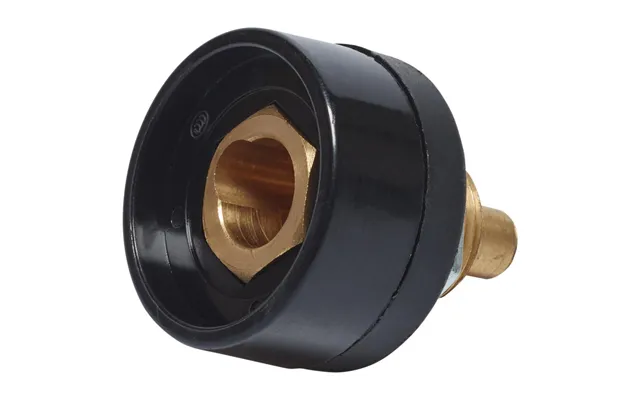
Stick welding shines when you need portability and forgiveness. E6013 is friendly for beginners and thin stock; E6011 bites through rust; E7018 offers strong, smooth beads and is a go-to for structural work. Rod diameters like 1/16 in, 5/64 in, 3/32 in, and 1/8 in let you match heat input to the job. A comfortable electrode holder and a robust ground clamp make a bigger difference than you might expect—poor connections kill arc stability. If you use low-hydrogen rods such as E7018, consider dry storage or a small rod oven to preserve performance.
Welding is part choreography, part chemistry. Clamps, magnets, and positioning tools are your backstage crew, holding everything just so while you lay metal. Look for swivel-head C-clamps, locking pliers with heat-resistant pads, and adjustable angle clamps for frames and gates. A stout ground clamp delivers clean current—don’t skimp here. Multi-angle magnets are the quiet heroes for tacking 45°, 90°, and 135° joints without a fight.
Magnetic squares with on/off switches are worth their weight—easy to place, easy to remove. Larger frames benefit from corner clamps that hold pieces square while you tack. Need repeatable results? Add a couple of fixed 90° jigs and setup blocks to keep everything consistent. For pipe work, a chain clamp gives you stable alignment without wrestling. The goal is simple: cut setup time, cut frustration, and get straighter, cleaner assemblies on the first go.
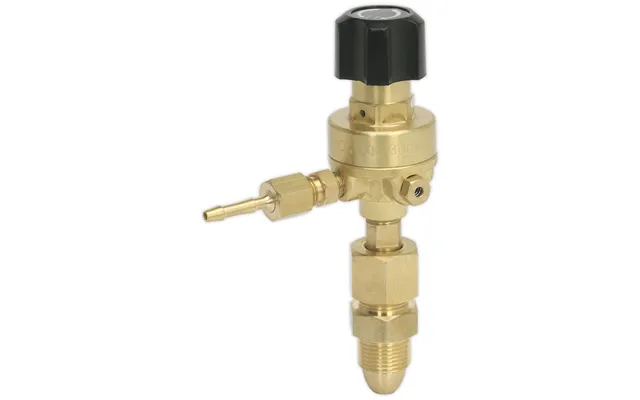
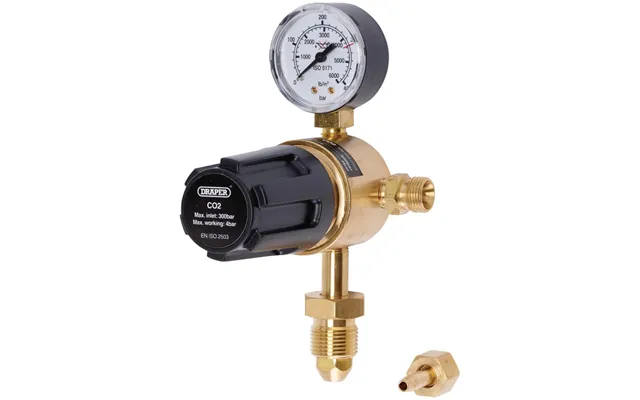
You can’t get consistent welds without consistent gas and power delivery. That means a decent regulator, a steady flowmeter, and hoses that don’t leak. If you TIG or MIG with shielding gas, small tweaks in CFH can transform your bead. And if you grind or cut frequently, good airflow and filtration keep your lungs happier and your shop cleaner.
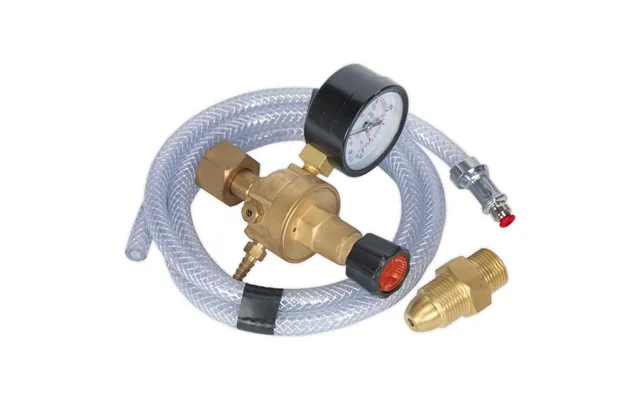
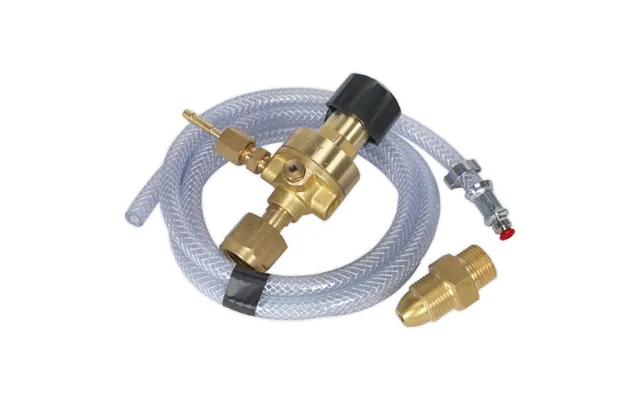
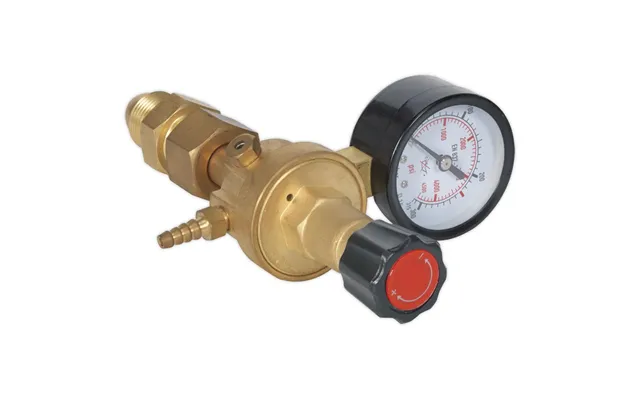
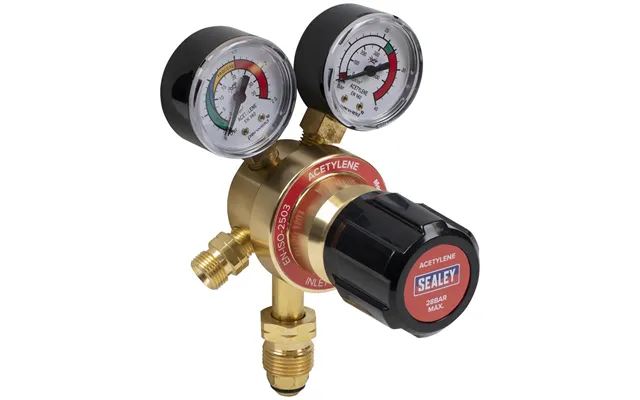
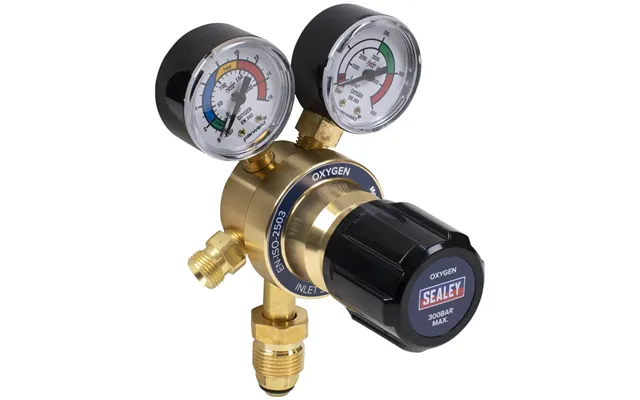
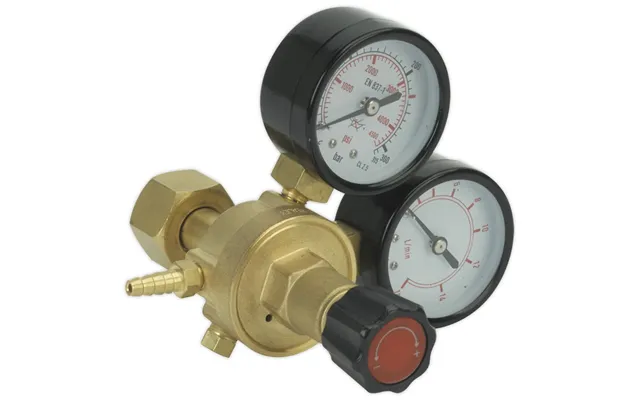
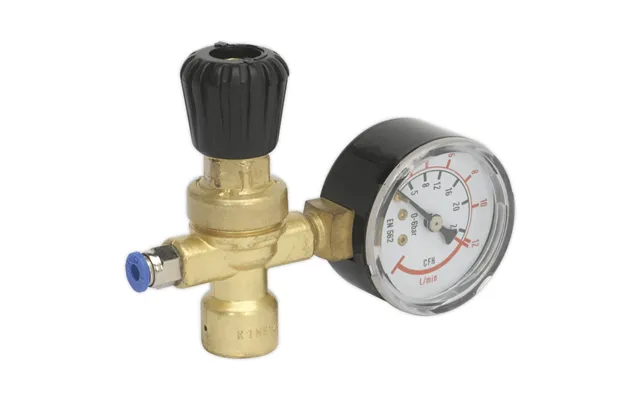
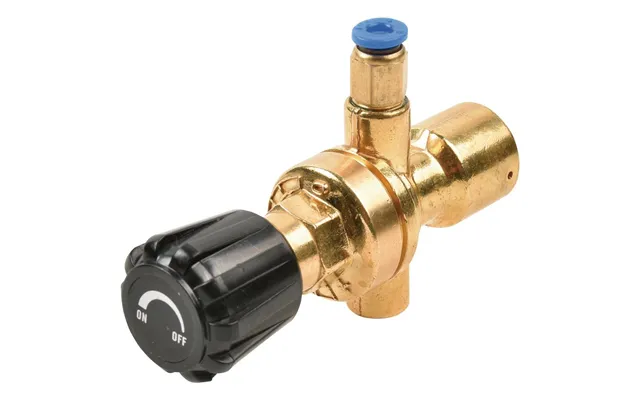
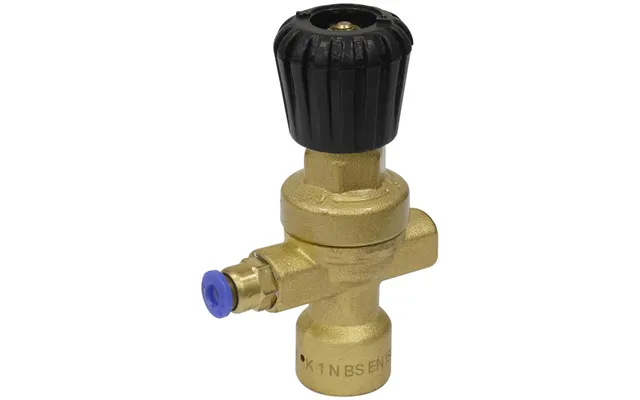
Dual-gauge regulators show cylinder pressure and working pressure at a glance. For flow, many welders like a flowmeter that reads cubic feet per hour (CFH) directly—15 to 25 CFH is common for many steel jobs, with stainless sometimes needing a bit more depending on cup size and joint type. Quality hoses in 10 ft, 15 ft, or 25 ft lengths help you position the cylinder safely while keeping the work area tidy. Quick-connects save time if you switch machines or torches often; just ensure compatibility and leak-test with soapy water after setup.
Welding fumes are no joke. A portable fume extractor with a flexible arm and solid capture hood can make a measurable difference, especially in tight garages. Look for CFM ratings that suit your space—higher CFM improves capture at a comfortable working distance. If a full extractor isn’t in the cards, a high-flow fan positioned to pull fumes away from your face is still a massive upgrade. Pair that with a proper respirator when needed, and you’ll thank yourself down the line.
Great welds start before the first spark. A 4.5 in angle grinder with a flap disc (say 40–60 grit) preps edges fast and blends welds cleanly afterward. A chipping hammer and a stiff wire brush are stick-welding staples for knocking slag and cleaning between passes. Keep a scribe or soapstone handy for layout lines, and a deburring tool to tidy edges. The result? Less contamination, better penetration, and less time chasing flaws you could have avoided.
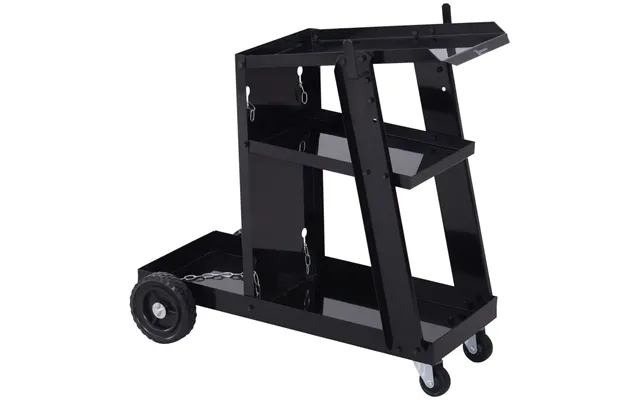
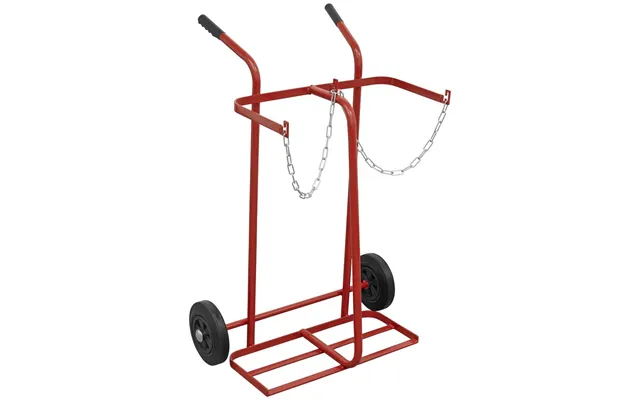
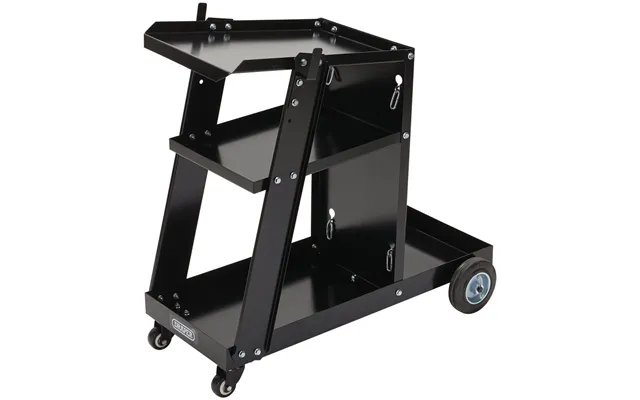
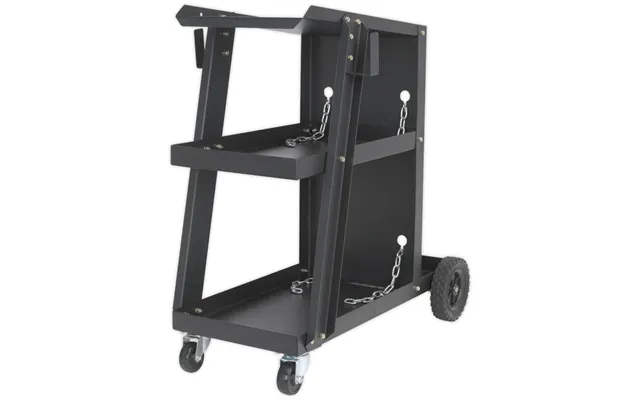
A sturdy welding cart with shelves for consumables and hooks for cables declutters your space and keeps gear where you need it. Check weight capacity in pounds and make sure it handles your machine plus a gas cylinder. Look for big back wheels and swiveling front casters for easy movement over cords and floor seams. Chains or straps for the cylinder are non-negotiable. For small parts, a drawer-style case with labeled dividers saves hours of hunting for that one 0.030 in tip mid-project.
A flat table is the foundation of true assemblies. Even a compact surface—say around 30 in by 20 in—can be a huge upgrade from sawhorses. Steel tops resist heat and give you a place to attach magnetic squares and clamps. If you’re building repeated parts, simple jigs pay for themselves in fewer reworks. Add corner squares, stop blocks, and hold-downs to lock geometry in place while you tack and stitch.
Spatter happens, but it doesn’t have to stick. An anti-spatter spray or dip keeps nozzles clean and saves time between passes. For delicate work, heat sinks—aluminum blocks clamped behind the joint—help control distortion and protect thin edges from blow-through. Keep a can of layout fluid or a silver pencil around for clear, high-contrast marks that don’t vanish under shop lights.
If you MIG aluminum, a spool gun solves wire feeding headaches by keeping the 1 lb spool at the torch. For TIG, a foot pedal delivers precise heat control; if you’re mobile, a torch-mounted amperage control is a slick alternative. Air-cooled TIG torches are simple and tough for lower amps, while water-cooled torches stay cooler at higher amps and longer duty cycles. Choose consumables to match your work: large cups for gas coverage on stainless, stubby setups for tight corners, and different back caps to access awkward joints.
Comparing prices isn’t just about chasing the lowest number. It’s about lining up the right spec and seeing what’s included: Are you getting extra tips, a carry case, or spare lenses? Is there a warranty? Are materials and certifications listed? Use a trusted comparison site such as ZoneOffer to scan multiple UK retailers in one place, spot genuine offers, and avoid impulse buys. Check reviews for recurring themes—good and bad—and remember that a small premium for proven reliability often saves money over the long haul.
A little upkeep goes a long way. Wipe helmet lenses after each session and keep a few clear covers ready to swap. Store stick electrodes in a dry container; if you run E7018, consider a warming solution. Deburr and clean your MIG nozzles, and replace contact tips at the first hint of feeding issues. Keep TIG gear pristine—sharpen tungsten consistently and avoid touching the filler to the tungsten. For regulators and hoses, periodic leak checks with soapy water are cheap insurance.
Starter kits shine when you’re learning or doing occasional repairs: they often include a handful of tips, a basic helmet, cheap but usable gloves, and a selection of wire or rods. The upgrades come into focus once you push your process: a better helmet for eyestrain-free welding, a regulator that holds steady, clamps that won’t slip, and premium consumables that cut spatter and improve bead profile. Pro-grade gear isn’t about bragging rights; it helps you hit the same result again and again, even on tough materials.
For a home MIG setup, think ER70S-6 wire in 0.030 in, a spare roll of 0.023 in for thin sheet, a ten-pack of contact tips, a couple of nozzles, nozzle gel, a magnetic square set, and a 4.5 in grinder with flap discs. Add a dual-gauge regulator, a 15–25 CFH flow sweet spot, and a cart to keep it all tidy. For TIG, stock 1/16 in and 3/32 in 2% lanthanated tungsten, cups and gas lenses, a foot pedal, and stainless brushes reserved for stainless work. If you love stick, grab E6013 and E7018 rods in 3/32 in and 1/8 in, a comfortable holder, a stout ground clamp, and a chipping hammer that feels good in the hand. Round any setup out with quality gloves, a balanced helmet, and, where possible, fume extraction.
Are you matching consumable sizes to your torch and cables? Do the helmet specs list shade range, viewing area, and battery type? Does the regulator show CFH directly or just pressure? Are clamps rated for the sizes you actually weld? Can the cart carry your machine plus a cylinder safely? Is that TIG kit including the cups and gas lenses you need, or will you buy them separately later? And, finally, are you comparing like-for-like across retailers, ensuring the bundle contents and warranty terms are the same? Run through these, and you’ll dodge the most common buyer regrets.
Great welding is part skill, part setup, and part stubbornness. The right accessories make the process smoother and the results repeatable, from a clear auto-darkening helmet and dependable gloves to dialed-in consumables and robust clamping. If you’re in the UK scoping popular offers or decoding a price list, focus on proven specs, thoughtful bundles, and reliable brands. Compare across retailers using a trusted comparison site, pick pieces that fit how you actually work, and maintain them with care. Do that, and your accessories won’t just sit on a shelf—they’ll help you turn plans into proud, finished projects.
| Welding Accessories | Price | |
|---|---|---|
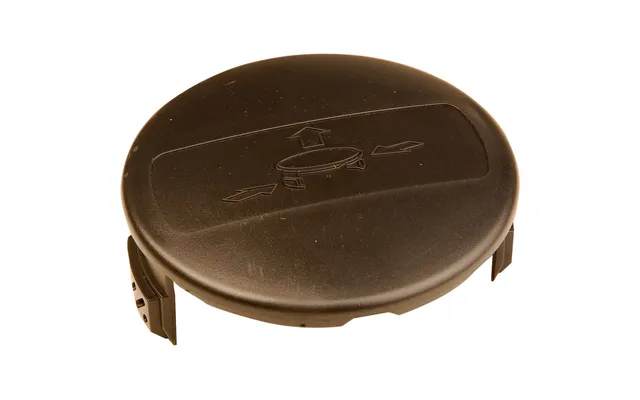
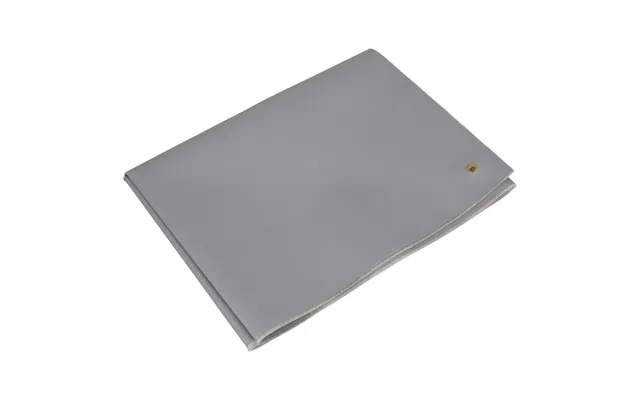
| Alm Manufacturing Bd036 Spool Cover | £ 4,38 | |
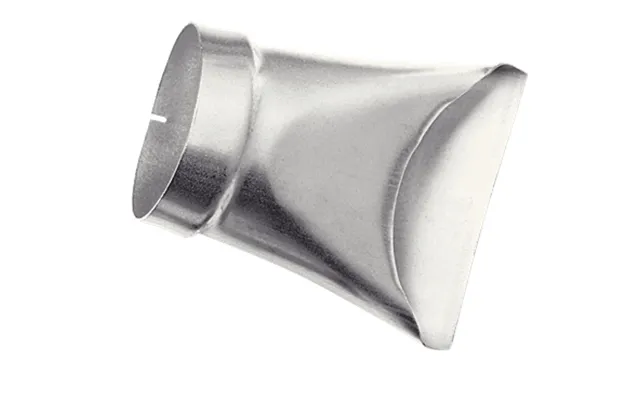
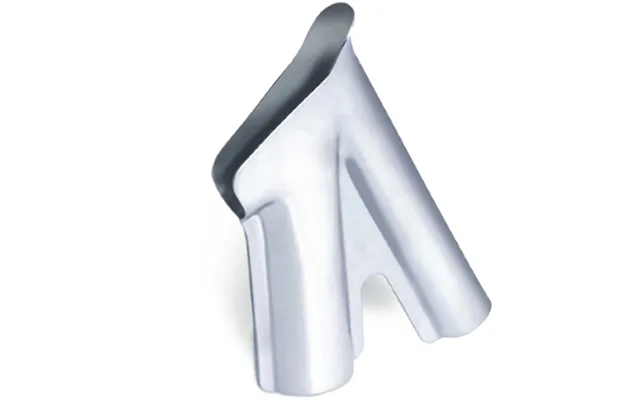
| Rapid 212149 Power Heat Gun Nozzle Welding Nozzle | £ 23,88 | |
| Rapid 212149 Power Heat Gun Nozzle Welding Nozzle | £ 23,88 |