All categories
Business & Offices
Electronics & Media
Fashion & Accessories
Groceries & Essentials
Health & Personal Care
Home & Living
Kids & Family
Sports & Outdoors
Search in ZoneOffer

Loading...
If you've ever hung a heavy shelf or mounted a TV and worried about the wall giving way, you know the heart-stopping moment of drilling into thin drywall instead of a solid stud. A stud sensor — sometimes called a stud finder or wall scanner — takes the guesswork out of that job. It helps you locate wood studs, metal studs, pipes, and even live wiring so you can work faster, safer, and with less patching later.
Magnetic finders use magnets to detect the metal fasteners (nails or screws) that hold a stud to the drywall. They're small, battery-free, and cheap. Think of them as a compass for screws — they point to where the hardware is, not the center of the stud. For light jobs and drywall hung over standard framing, a magnetic finder is a low-cost, low-tech option that rarely lies.
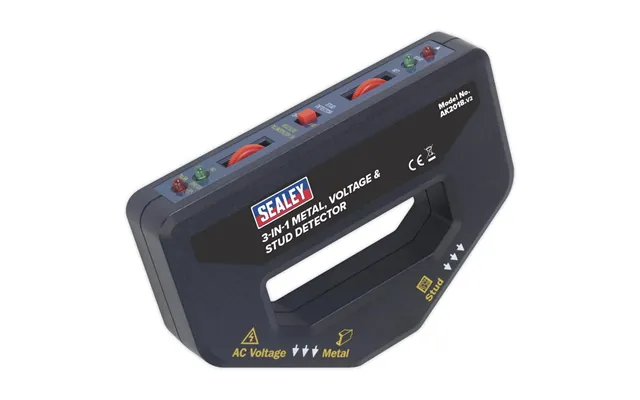
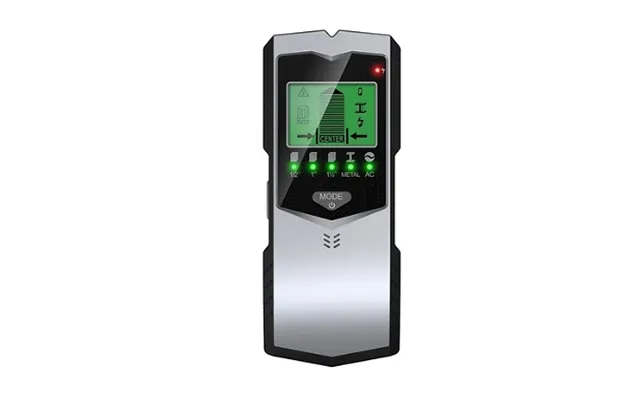
Electronic stud sensors scan behind the wall and give you more information: stud edges and center, depth of the stud, and often the presence of live AC wires or metal. More advanced multi-scanners combine several detection modes — wood, metal, live wire, and deep scan — giving a picture of what's behind paint, tile, or thick plaster. They run on batteries and can cost more, but they're worth it when you're mounting heavy loads or working on older walls.
Magnetic finders are perfect when you're hanging pictures, small mirrors, or anything lightweight and you want a tool that works every time without batteries. They're pocket-sized and intuitive: glide them over the wall until the magnet is attracted to a fastener. If your only need is simple, occasional mounting, you probably don't need to overcomplicate things.
These are the typical electronic stud sensors that detect changes in density behind the wall. They usually give edge and center indicators and are easy to calibrate. If you hang medium-weight shelves or curtain rods regularly, a single-mode electronic finder is a great investment — more accurate than a magnet and still affordable.
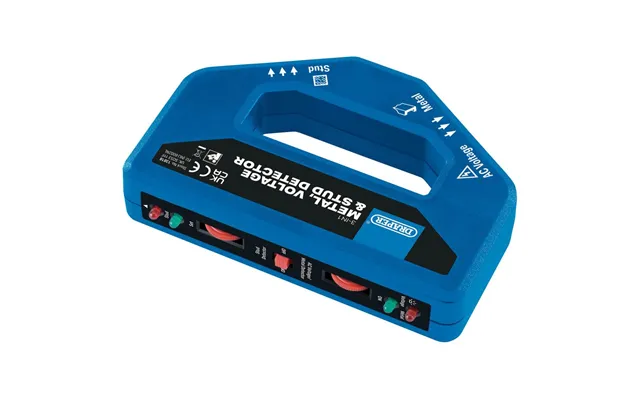
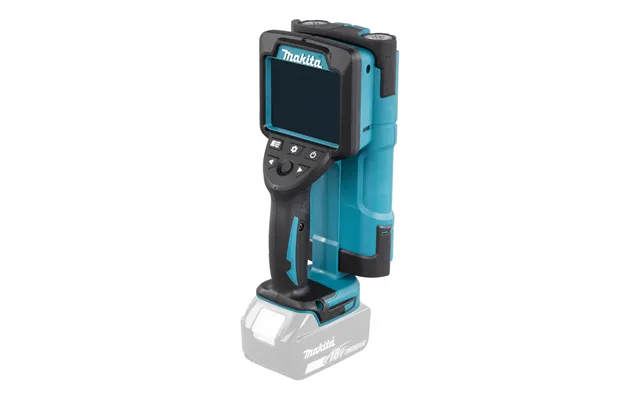
Multi-scanners reveal depth, metal, and live wiring; high-end wall scanners can even map studs behind lath and plaster or detect deep pipes. If you work on renovation projects, mount heavy TVs, or need to avoid electrical wires and plumbing, a multi-scanner is the tool that turns uncertainty into confidence. Think of it as upgrading from a pocket flashlight to a full-blown inspection light.
Check the maximum scanning depth in inches. Basic finders might detect to about 1/2" to 3/4", while advanced models scan 1-2" or more. If you have thick plaster or paneling, you'll want a scanner that can reach at least 1.5" to 2" reliably.
Multiple detection modes are very useful. Wood mode helps locate stud edges and center. Metal mode is good for finding metal studs and pipes. Live wire detection warns you about electrical cables — an important safety feature if you're working behind power lines.
Some devices show only an edge and you must calculate the center; others directly indicate the stud center, which saves time and reduces guesswork. Wall scanners that use multiple sensors across a wide face tend to give the most accurate center readings.
Look for devices with simple one-button calibration that works on different wall materials. An intuitive display — visual bars, arrows, or a small screen — makes scanning less frustrating. Backlit displays help when you're working in dim basements or garages.
Franklin Sensors produces stud finders that are favored for fast, accurate pinpointing across multiple studs. Their models often use multiple sensor arrays to show several stud locations at once, which is great when you need to hang a row of things quickly. They’re user-friendly and especially popular among serious DIYers.
Zircon makes a range of electronic finders that offer good accuracy at a modest price. Many models include wire-warning detection and edge-to-center scanning. If you're upgrading from magnetic finders but don't want to break the bank, Zircon is often the sweet spot.
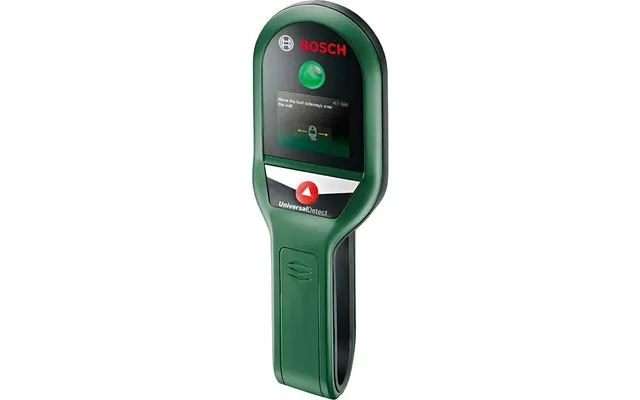
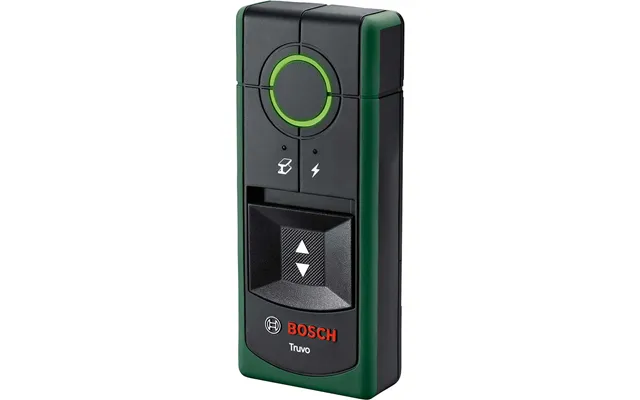
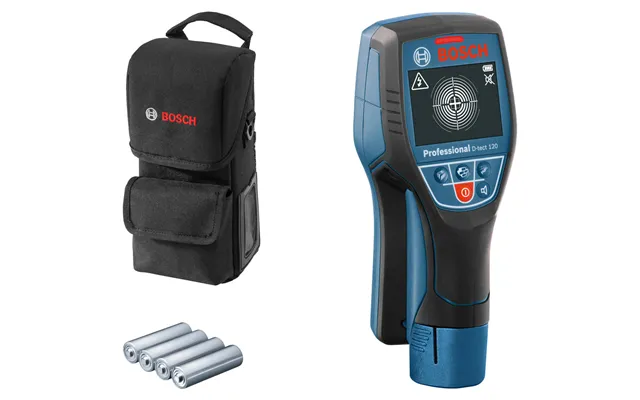
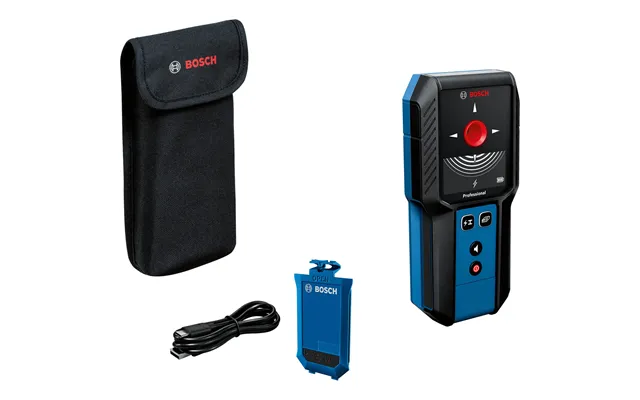
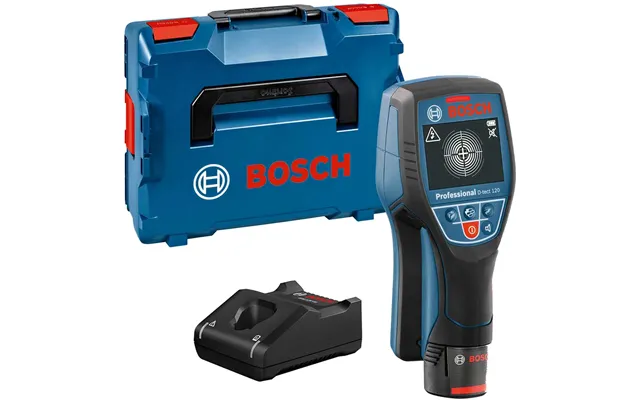
Bosch offers robust wall scanners and multi-detectors suited for trade professionals. Expect deeper scanning depth, clearer displays, and durable housings. Their scanners are ideal when you need dependable results on thick walls or during frequent job-site use.
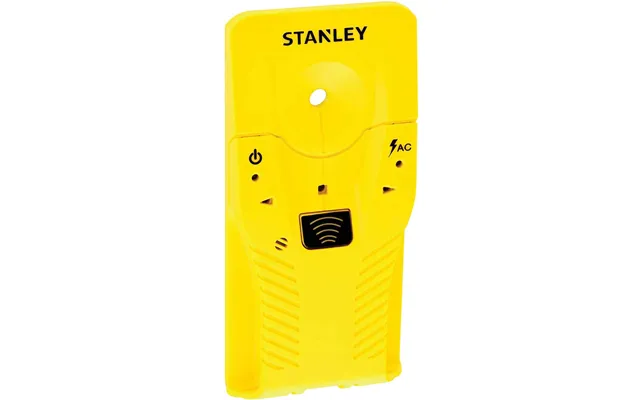
Brands commonly found on job sites, DeWalt and Stanley build stud sensors that stand up to rough handling. While some models focus on straightforward stud detection, others include multi-mode scanning for mixed material walls. If tool durability matters as much as function, these are safe bets.
Once you find the stud, a tape measure in inches and a good bubble or laser level ensures your shelf or TV bracket is perfectly aligned. A simple pencil or painter’s tape makes temporary marks that are easy to adjust before drilling.
Knowing the stud location is half the battle — using the right hardware finishes the job. Use wood screws sized appropriately (inches) for studs, and if you must anchor into drywall away from studs, pick anchors rated for the expected weight. Toggle bolts and heavy-duty anchors support the heaviest loads.
Thick textures, wallpaper, or uneven paint can confuse electronic sensors. If your readings are jumpy, try using a magnetic finder to confirm or switch to an advanced “deep scan” mode if available. Scanning slowly and calibrating on a flat section of wall helps reduce errors.
Older homes with metal lath or nearby ductwork may show metal detections across wide areas. In such cases, shift to a mode that focuses on wood detection or move the sensor in small increments to find the stud edges versus nearby metal features.
If you hang picture frames and occasional shelves, a magnetic or basic electronic finder will do. For heavier fixtures, multi-scanners are worth the cost. Ask yourself: how often will I use it, and how risky is a missed stud? The more you answer “often” and “risky,” the more it pays to buy up.
Many electronic finders use standard 9V or AA batteries. Consider a model that uses common batteries and has a long battery life, or one that powers off automatically to avoid dead batteries mid-job. Battery choice matters when you’re on a long remodel and can’t stop to recharge.
User reviews often highlight issues that spec sheets miss — like how well a device calibrates on textured walls or whether its display is legible in bright sunlight. Comparison sites and buyer guides can help you compare depth, modes, and price to find a model that fits your needs and budget.
Always calibrate your electronic sensor on a spot of wall you know contains no studs, pipes, or wires. Calibration helps the device understand the baseline density so it can detect changes more accurately.
Move the sensor at a steady, slow pace and make overlapping passes. Fast swipes can miss edges or give false readings. Think of scanning like reading a barcode — you need a steady hand to get accurate data.
If a reading looks suspicious, cross-check with a magnetic finder. You can also drill a small test hole at a marked spot to verify the stud — patching an eighth-inch hole is easier than repairing a misaligned mount. Combining methods lowers the chance of expensive mistakes.
For occasional use, a reliable magnetic finder or basic electronic model fits the bill. Expect simple features and shallow detection depth, but excellent portability and durability.
In this range you’ll find electronic finders with multiple detection modes, wire warning, and better displays. This is the sweet spot for most homeowners and DIY enthusiasts — good performance without pro-level price tags.
High-end multi-scanners and wall scanners offer deeper scanning, more reliable wire detection, and professional-grade construction. If you undertake frequent or high-stakes projects, the investment can save time and prevent costly mistakes.
Before adding a stud sensor to your cart, ask: Does it detect wood and metal? How deep can it scan in inches? Does it warn about live wiring? Is it easy to calibrate and read? Does it come from a brand known for reliability? Answering these will align your purchase with the work you do most.
Stud sensors are one of the best value purchases for anyone who wants to hang things safely and confidently. From no-frills magnetic finders to advanced multi-scanners that peer through plaster and tile, there’s a tool for every need and budget. Choose a device that matches the materials you work on and the frequency of your projects, and pair it with the right hardware for a professional result. With the right stud sensor in hand, mounting becomes less of a gamble and more of a craft.
| Stud Sensors | Price | |
|---|---|---|
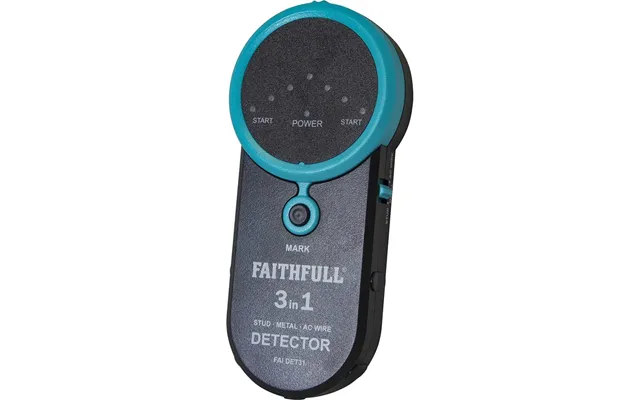
| Faithfull Faidet31 3-in-1 Detector Stud Metal & Live Wire | £ 22,49 | |
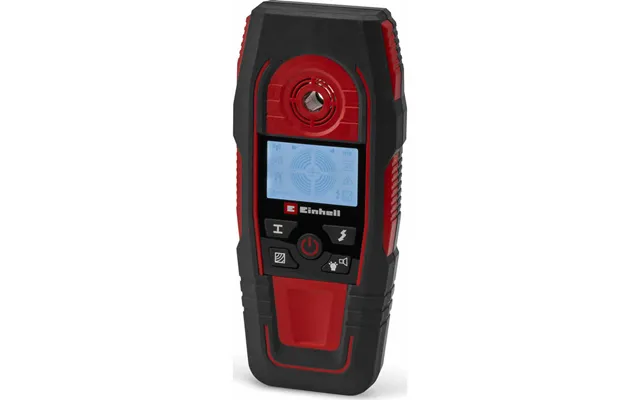
| Einhell Tc-md 50 Digital Detector | £ 27,18 | |
| Bosch D-tect 120 Professional Wall Scanner | £ 284,62 | |
| Bosch 0601081600 D-tect 200 C Professional Wall Scanner | £ 717,53 |