



All categories
Business & Offices
Electronics & Media
Fashion & Accessories
Groceries & Essentials
Health & Personal Care
Home & Living
Kids & Family
Sports & Outdoors
Search in ZoneOffer
Loading...
Thermal imaging cameras have moved from specialist labs into the hands of homeowners, tradespeople, and outdoor enthusiasts. If you’ve ever wondered what’s hiding behind a wall, why a breaker keeps tripping, or where heat is leaking from a window, a thermal camera can answer those questions quickly and safely. Think of them as everyday X-rays for heat — they don’t see through solid objects, but they reveal temperature differences that help you find problems fast. Whether you’re inspecting a roof, checking an HVAC system, or tracking wildlife at dusk, a thermal camera is a truly versatile tool.
Thermal cameras turn invisible heat into visible images, making it easy to find issues that the human eye can’t detect. For homeowners, that might mean spotting insulation gaps or underfloor heating faults. For electricians, it means finding hot connections before they become a fire hazard. In the field, wildlife photographers and hunters use thermal units to spot animals at night and in dense cover. Each use case benefits from different features, so understanding what you’ll use the camera for is key before you buy.
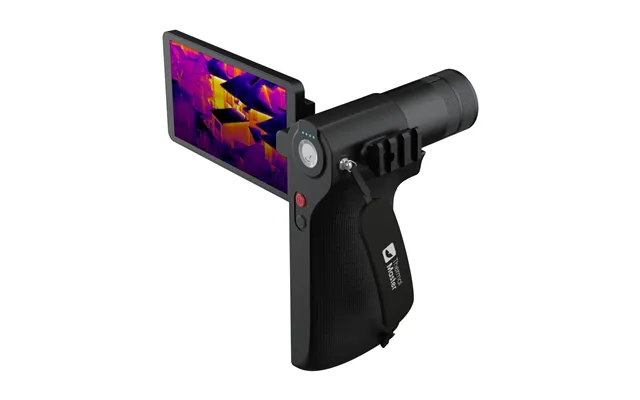
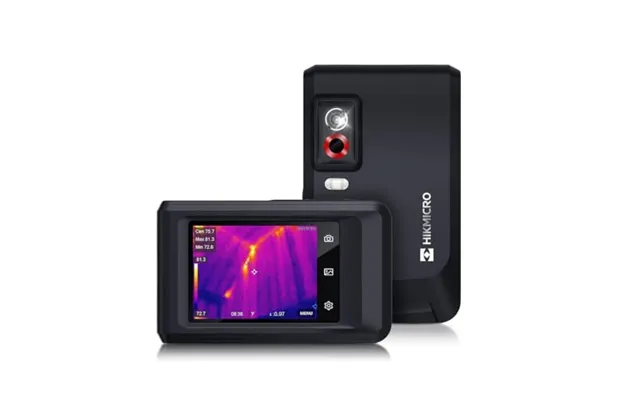
Thermal cameras come in several formats: handheld units, smartphone attachments, monoculars, and drone-mounted modules. Handheld devices are like compact cameras with screens and controls—great for professional inspections. Smartphone attachments clip onto your phone and use its display; they’re lightweight and affordable. Monoculars are optimized for long-range observation and are popular with hunters and security personnel. Drone-mounted thermal cameras pair with UAVs for roof inspections and search operations, allowing you to survey large areas from the sky.
Handheld models offer an all-in-one experience: integrated display, buttons, and often a visual camera overlay. They range from budget units with basic thermal resolution to premium systems with higher pixel counts and advanced image processing. Professionals often choose handhelds for their balance of durability, battery life, and measurement accuracy. Look for units with clear icons, a comfortable grip, and practical detection ranges in feet to match the distances you’ll inspect.
Smartphone attachments are tiny modules that clip onto your phone’s camera or connect via cable. They’re excellent for casual users who want thermal capability without a bulky device. These attachments are great for quick checks around the home or garden, but they may offer lower thermal resolution and sensitivity than dedicated handhelds. If you travel light and like the convenience of one device in your pocket, an attachment could be ideal.
Monoculars and scopes are built for detecting heat at range, often used in hunting or perimeter security. They provide higher magnification and longer detection distances, measured in feet, and sometimes include features like video recording and ballistic reticles. These units are optimized for observation rather than precise temperature measurements, so keep that in mind if your priority is diagnostics over spotting.
Adding a thermal camera to a drone turns it into a powerful inspection tool. Roof inspections, solar panel surveys, and search-and-rescue missions benefit from aerial thermal imaging because you can cover large properties quickly and safely. Pay attention to stabilization and payload compatibility with your drone — a good gimbal keeps images sharp even when flying briskly over a roofline or field.
Not all thermal cameras are built the same. When comparing models, focus on thermal resolution, thermal sensitivity (NETD), refresh rate, field of view, temperature range, and measurement accuracy. These specs determine how clearly you’ll see temperature differences and how far you can detect a heat source in feet. If you’re shopping on a comparison site, filter by these features to find models that meet your needs without paying for extras you won’t use.
Thermal resolution is often quoted in pixels — common sizes are 80×60, 160×120, 320×240, and above. More pixels mean finer detail, which helps you spot smaller issues at distance. For example, a 320×240 sensor will show much more structure in a thermal image than an 80×60 sensor, especially when scanning walls or electrical boards from several feet away. If you plan to document issues professionally, invest in higher resolution.
NETD, or noise-equivalent temperature difference, measures how small a temperature change the camera can detect — lower numbers are better. A camera with a NETD of 50 mK will show finer gradients than one rated at 100 mK. In practical terms, better sensitivity helps you find subtle leaks or damp spots that a less sensitive unit could miss, particularly at shorter distances like within a room or attic.
The refresh rate, given in hertz, affects how smoothly the image updates. For static inspections, a lower refresh rate is fine. But if you’re using a thermal camera for wildlife observation, drone work, or scanning moving machinery, you’ll benefit from a higher refresh rate to reduce motion blur and keep the scene readable. If you plan to follow animals or moving people at range, look for refresh rates that keep up with the action.
The field of view (FOV) determines how much of a scene you can see at once. A wide FOV is useful for building surveys, while a narrow FOV with more magnification suits long-distance spotting. Manufacturers often provide detection distance in feet for a human-sized target — compare those numbers to ensure the camera can “see” what you need from the typical distance you’ll work at. Remember, environmental conditions like rain or fog can reduce effective range.
Thermal cameras report temperatures across a given span, for instance from -4°F up to 1,022°F. Choose a model with a temperature range that suits your tasks: HVAC work rarely requires extremely high ranges, but industrial inspections might. Accuracy is often ± a few degrees; better accuracy is crucial if you use the camera for diagnostics or confirming repairs.
Wi‑Fi and Bluetooth let you stream images to your phone or tablet, which is handy for sharing findings with clients or colleagues. Built-in storage and removable memory cards are useful for recording inspections. Battery life matters if you’re spending an entire day on site — aim for units that last several hours or offer hot-swappable batteries so you can keep working without long breaks.
Thermal cameras are used across trades and hobbies. Here are practical scenarios where they shine and which features you should prioritize in each case.
If you’re chasing drafts and trying to improve insulation, a thermal camera will show heat loss around windows, doors, and rooflines in clear color contrast. For this work, a mid-resolution handheld with a wide field of view and good sensitivity is ideal — you’ll want to spot small gaps around frames and see how heat moves across a wall.
Hotspots in electrical panels or rotating machinery can signal impending failure. For these tasks, look for accuracy and temperature range, plus a compact handheld that can reach into cabinets and hover near components safely. Faster refresh rates help when scanning moving parts, and image overlay or spot temperature functions speed up diagnostics.
Cold or wet areas behind walls show up as temperature anomalies. Thermal cameras simplify locating leaks without tearing walls apart. Sensitivity and resolution matter here: you’ll be looking for small, localized changes in temperature. Combine thermal imaging with moisture meters for a reliable diagnosis.
At dusk and through brush, thermal imaging cuts through darkness and camouflage. Monoculars and scopes with long detection distances are preferred. High refresh rates and video recording are helpful if you need to review footage later, and battery life becomes a priority on long watches or night patrols.
Several manufacturers consistently deliver reliable thermal cameras across budgets. FLIR is a household name with options from smartphone attachments to pro handhelds. Seek Thermal offers compact, cost-effective attachments and standalone units. Fluke makes rugged devices tailored for industrial use, and Hikmicro and AGM provide strong competition in both handheld and monocular categories. If you’re comparing models, check thermal resolution, NETD, and the stated detection distance in feet to match your needs.
Deciding on a budget first helps narrow choices. Entry-level smartphone attachments and basic handhelds are excellent for homeowners and hobbyists and often cost a fraction of professional units. Mid-range models with 160×120 to 320×240 resolution suit tradespeople who need reliable diagnostics. High-end cameras with higher pixel counts, exceptional sensitivity, and advanced analysis software are the right choice for professional inspectors or industrial applications. Always weigh the cost against how often and intensively you’ll use the camera.
To get useful images, work with an understanding of how thermal cameras “see.” Allow time for your camera to acclimate to outdoor temperature when moving from warm to cold environments. Compare suspected problem areas to surrounding surfaces for contrast, and use reference points — known warm or cold objects — to interpret readings. Don’t forget that reflective surfaces like metal can mislead readings, so confirm with touch (where safe) or a secondary measurement tool.
Maintain your thermal camera by keeping lenses clean and storing batteries properly. For drone-mounted thermal modules, follow weight limits and ensure flight legality in your area. Be mindful of privacy concerns: thermal imaging can reveal people and activity, so use it responsibly and respect local laws about surveillance. For electrical inspections, always observe safe working distances and isolate power where necessary before close inspection.
Because thermal cameras span a wide price range and features list, comparison sites are a smart place to start so you can see multiple models side by side. Look for places that let you filter by resolution, detection range in feet, NETD, and battery life. Read user reviews for real-world feedback, and check whether accessories like batteries, cases, or smartphone adapters are included. A little homework up front saves money and ensures the camera you buy actually solves your problems.
If you’re troubleshooting home issues, performing professional inspections, or need night-time observation, a thermal imaging camera is often worth the investment. They pay for themselves by pinpointing problems faster than traditional methods and often prevent costly repairs by catching issues early. Choose a model aligned with the tasks you perform most — whether that’s a pocket-sized smartphone attachment for quick checks or a high-resolution handheld for professional diagnostics — and you’ll find these devices quickly become indispensable.
Before you buy, run through this quick checklist: What is your primary use? How far (in feet) do you need to detect heat? Do you need temperature measurement accuracy or just visual guidance? How long should the battery last for your workday? Finally, do you prefer a rugged handheld or a lightweight attachment? Answering these questions will help you match the right features to your budget and use case.
Conclusion: Thermal imaging cameras are practical, versatile tools that bridge the gap between guesswork and clear diagnostics. Whether you’re patching drafts in a Victorian terrace, checking a breaker in a commercial property, or watching wildlife at night, the right thermal camera can make the job faster, safer, and more precise. Use comparison tools to weigh features and prices, and pick a model that fits the distances and temperatures you’ll encounter most often. With a little practice, you’ll start seeing the invisible and solving problems before they escalate.
| Thermal Imaging Cameras | Price | |
|---|---|---|
| Red5 Thermal Instant Camera | £ 30,- | |
| Hikvision Ds-2td2617-6 Qa Security Camera Bullet Ip Security Camera Ou | £ 356,21 | |
| Hikvision Ds-2td2617-6 Qa Security Camera Bullet Ip Security Camera Ou | £ 356,21 |

