





All categories
Business & Offices
Electronics & Media
Fashion & Accessories
Groceries & Essentials
Health & Personal Care
Home & Living
Kids & Family
Sports & Outdoors
Search in ZoneOffer
Loading...
If you love fine woodworking, marquetry, or craft projects that demand delicate curves and intricate cutouts, a scroll saw is the tool that brings those designs to life. Unlike a jigsaw or band saw, a scroll saw lets you slice tight internal corners and carve detailed patterns with surgical control. Think of it as the surgeon’s scalpel of the woodworking bench—small, precise, and able to transform a flat piece of wood into a lace-like masterpiece.
Scroll saws are ideal for hobbyists, professional luthiers, toy makers, and anyone who enjoys producing detailed work. They’re compact, quieter than many other power saws, and usually light enough to move around the shop. Whether you’re cutting veneers, crafting clock faces, or making puzzle pieces, the right scroll saw and blade combo makes the job satisfying and much less stressful.
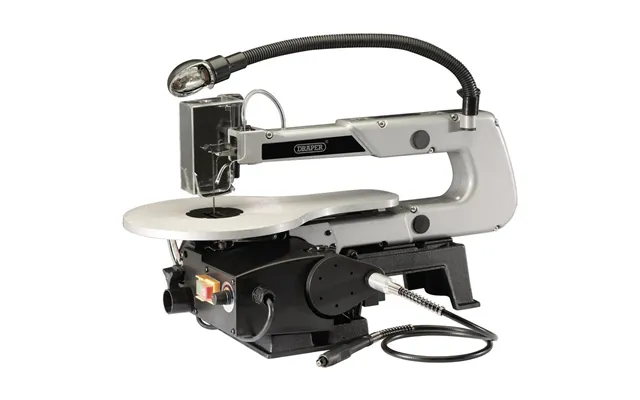
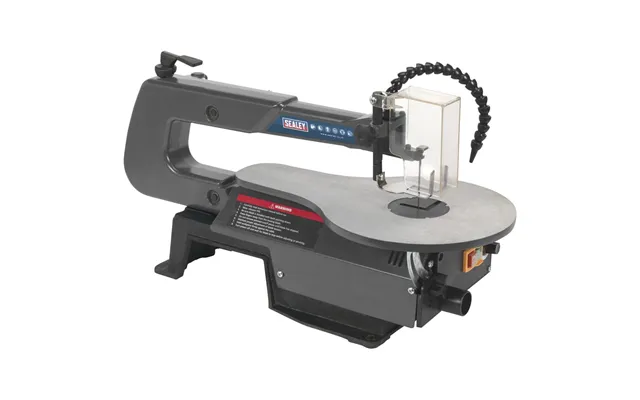
Benchtop scroll saws are the most common choice. They sit on a workbench and balance portability with stability. Most benchtop models offer throat sizes in the 16 to 20 inch range, enough for most hobby and semi-professional projects. They’re usually powered by motors in the 1/3 to 1/2 horsepower range and include features like variable speed, LED lighting, and dust blowers.
If you want a permanent setup with a larger throat and beefier motor, floor-standing scroll saws are the pick. These models are heavier—often 40 to 80 pounds—and provide extra stability for larger pieces. They can feel more like a production machine in a small shop and are suited to users who spend hours at a time cutting complex projects.
For beginners or people with limited space, mini scroll saws are pocket-friendly and easy to store. They’re lighter and have smaller throats—often under 12 inches—so they’re best for small crafts, jewelry, and miniatures. These are great for kids or casual hobbyists who don’t need industrial power.
Throat size determines the largest width of wood you can cut. Typical ranges are 12, 16, and 20 inches. If you plan to cut large panels or full-size guitars, aim for a 20-inch throat. For most hobbyists, a 16-inch throat provides excellent flexibility while keeping the saw compact.
Blades come in pin-end and plain-end (T-shank or U-shank) styles. Plain-end blades, especially T-shank, are popular because they’re easy to change and widely available. A good clamping system makes blade changes fast and keeps the blade rigid—key for accuracy. Look for tool-free blade clamps or quick-change systems if you hate fiddling with tiny screws.
Variable speed control is essential when switching materials. Softwoods, hardwoods, plastics, and metals each cut best at different strokes per minute (SPM). Typical scroll saws run from about 400 to 1,700 SPM. A variable speed dial or electronic control helps you tune the motion for a smooth cut without chipping.
A tilting table—usually up to 45 degrees—lets you bevel cuts and expand design possibilities. Table size matters for supporting larger workpieces; a larger table reduces the need for external supports. If you often cut wide panels, choose a saw with a sturdy, flat table that locks securely when you cut.
Some scroll saws offer orbital action, where the blade moves forward on the down stroke and back slightly on the up stroke. This can clear chips faster and speed cuts in soft materials but may reduce finesse on tight curves. Straight up-and-down motion gives the cleanest, most controllable cuts for detailed work. Many saws let you switch between modes—ideal for versatility.
Good dust control keeps your work area clean and improves visibility. Look for saws with a dust blower, ports that accept a small shop vac, and built-in lights like LEDs. A bright, adjustable light can be the difference between a cut that looks perfect and one that needs rework.
Blade choice is surprisingly important. Finer blades with more teeth per inch (TPI) give smoother edges and are better for intricate patterns, while coarser blades cut faster but leave rougher edges. For hardwoods, choose a finer blade at a slightly slower speed; for softwoods, use a larger tooth and higher speed. Also experiment with reverse-tooth blades for splinter-free tops on veneers and laminates.
Don’t forget that blade tension and straightness affect your cut. A loosely tensioned blade will wander; a bent blade will chatter. Learn proper blade installation and tensioning to get razor-sharp results every time.
Tool-free blade systems save minutes every time you swap blades. If you switch between detailed and fast cuts regularly, a quick-change system will shave hours off your workflow over months of projects. Look for positive locks and ridged clamps that prevent slippage under load.
A foot pedal gives you hands-free speed control—great when you’re feeding a delicate curve and need to slow the stroke without removing your hands from the work. Not all models include this, but it’s a luxury that becomes essential once you try it.
Vibration messes with precision. Heavier cast-iron tables, balanced armatures, and damping mounts reduce wobble. If you’re planning long sessions or very fine work, prioritize a model known for low vibration. It makes a surprising difference to how relaxed you feel while cutting.
Several manufacturers consistently appear in comparisons: Dremel, DeWalt, Delta, Makita, Ryobi, and Proxxon. Dremel offers compact, craft-friendly machines; DeWalt and Delta are known for sturdier, pro-level benchtop saws; Makita and Ryobi blend features and cost-effectiveness for the home workshop. Proxxon is favored for precision micro-saws for miniature work.
When reading model descriptions, focus less on brand names and more on the combination of throat size, motor power, blade compatibility, and feature set that match your projects. Comparison sites and price lists can help you spot seasonal discounts and bundle offers with blades and accessories.
Accessories are where a good saw becomes a great workshop asset. Key extras include blade packs in multiple tooth counts, a variety of chuck or clamp types, extension tables for large projects, work-holding clamps, and specialized blades for metal or plastics. Also consider a small dust collection kit and a stand or cabinet that raises the saw to a comfortable working height—reducing back strain during long sessions.
Investing in good blades will often yield better results than upgrading to a slightly more expensive saw. High-quality blades cut cleaner, stay sharp longer, and reduce tear-out—especially on delicate veneers and hardwoods.
Even though scroll saws are relatively safe compared to other power saws, you still need to respect a spinning blade. Always wear eye protection, keep loose clothing and jewelry away from the blade, and secure thin workpieces with a push stick or adhesive-backed tape to prevent fingers getting too close. Turn off the saw and wait for a full stop before making adjustments.
Make a habit of standing slightly to one side while cutting, not directly behind the blade line; this reduces the chance of kickback issues affecting your face. Also, disconnect power when changing blades and ensure the blade tension is correct before restarting the saw.
Scroll saws cover a wide price range. Introductory hobby models can start around the lower end and are good for beginners. Mid-range benchtop models with better motors, larger throats, and more features typically sit in the mid-price bracket. High-end, professional floor-standing units with large throats, cast-iron tables, and advanced orbital controls will command a premium. Think about long-term use—spending a bit more upfront often pays dividends in durability and performance.
Ask yourself: what materials will I cut most often? How large are the panels? Will I need to bevel frequently? If you mostly cut small decorative pieces, a compact benchtop or mini saw might be perfect. If you work on larger furniture parts or guitars, choose a larger throat and sturdier table. If you make mixed materials projects, prioritize variable speed and a versatile blade system that accepts T-shank blades.
One useful approach is to list three “must-haves” and three “nice-to-haves” before shopping. That narrows choices and helps you focus on the models that truly match your needs when comparing features and prices.
Comparison sites and dedicated price lists make it easy to compare specs, user reviews, and seasonal discounts across brands. Use those resources to check for bundled packages that include blade kits, stands, or extra clamps—those can add immediate value. Always cross-check product specs so you’re sure throat size, blade compatibility, and warranty terms match what you need.
Remember that a low sticker price isn’t the only factor. Consider shipping weight (for large saws), accessory bundles, and warranty coverage when measuring overall value. A slightly pricier model with a longer warranty and included accessories can be the smarter buy over time.
Routine maintenance is simple but pays big dividends. Keep the table and blade guides clean, replace blades when they dull or bend, and periodically check the belt or motor brushes if your model uses them. Lubricate pivot points per the manufacturer’s instructions and ensure the table and arm are securely fastened before each session.
Also, keep a small stock of common blade sizes on hand. Running out mid-project is frustrating and can force you to use an unsuitable blade that ruins a cut. Label blades by tooth count and material type so you reach for the right blade quickly.
Choosing the right scroll saw is about balancing throat size, motor power, and useful features like variable speed, convenient blade changes, and a low-vibration table. For many hobbyists, a mid-range benchtop saw with a 16-inch throat and flexible blade options offers the best mix of performance and affordability. For pros or heavy users, look at 20-inch throat models with cast tables and advanced orbital controls.
As you shop, test how the saw feels—if possible—paying attention to vibration, ease of blade change, and table stability. Use comparison sites and price lists to spot deals on models and bundles that add blades or stands, and remember: the right blade in the right saw often matters more than brand names alone.
With the right setup and a few quality blades, a scroll saw becomes a creative engine for projects that would be hard to achieve any other way. Ready to turn those sketchbook patterns into reality?
Conclusion: A good scroll saw is one of the most rewarding tools for anyone who values precision and creativity in woodworking. Choose the features that matter to your projects—throat size, blade system, and motor—and pair the saw with quality blades and accessories. Whether you’re making toys, instruments, or decorative panels, the right scroll saw unlocks new design possibilities and makes intricate work both enjoyable and repeatable.
| Scroll Saws | Price | |
|---|---|---|
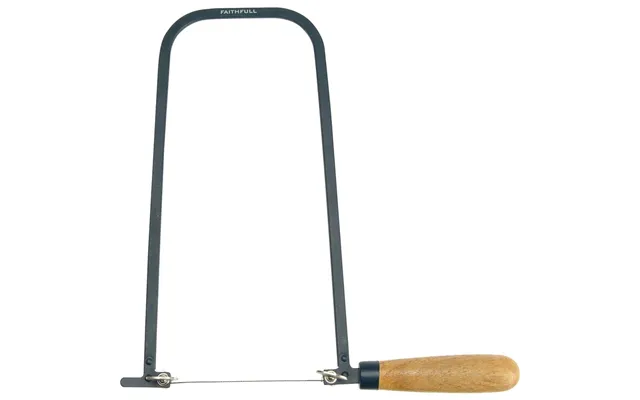
| Faithfull Faifretsaw 130mm Fret Saw | £ 9,58 |

