
Table Saws price list
Last updated Friday, Sep 18, 2026





View 14 Offers
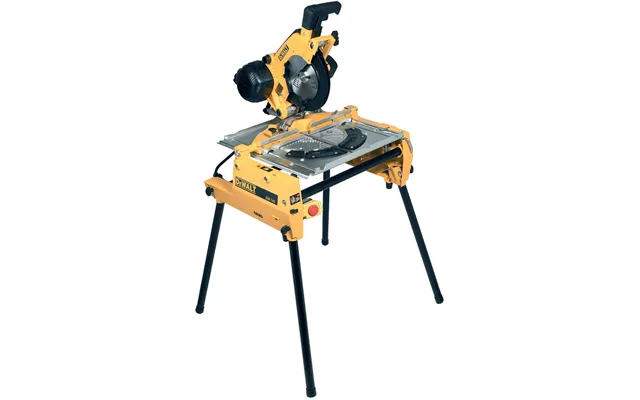
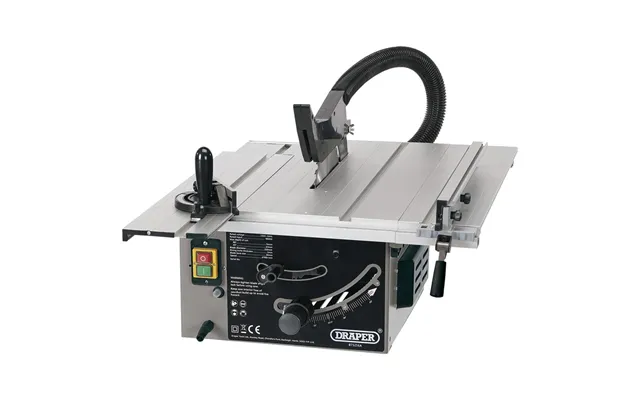
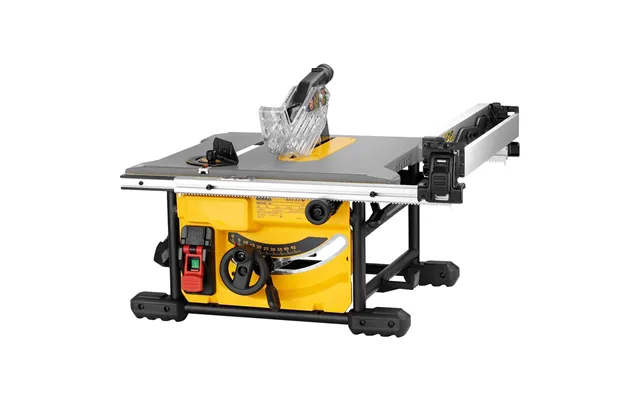
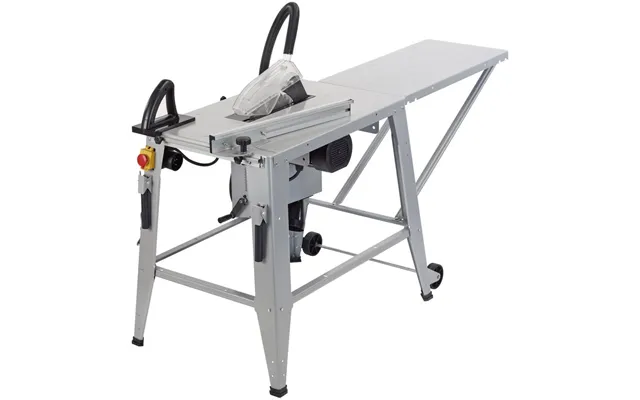
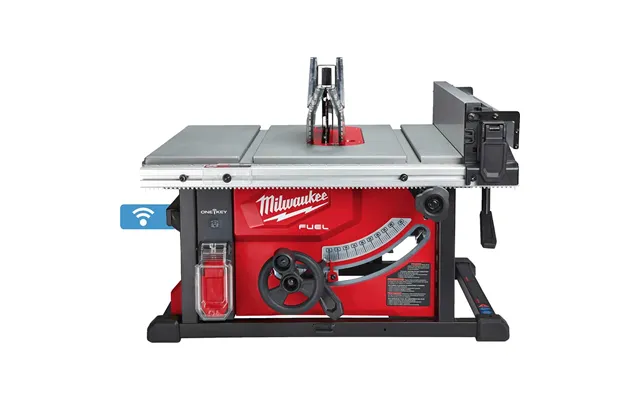
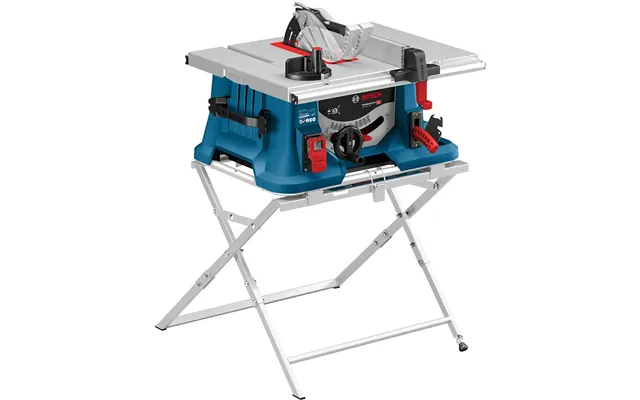
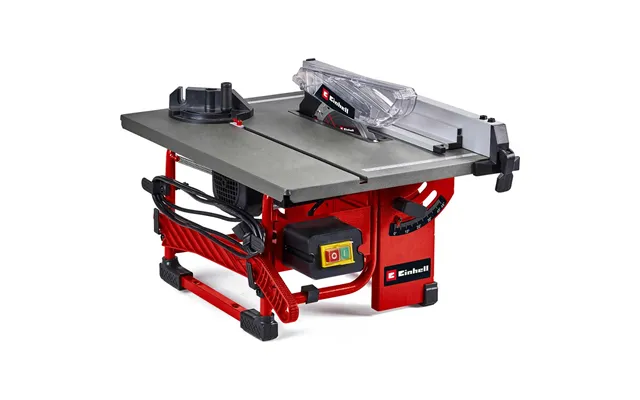
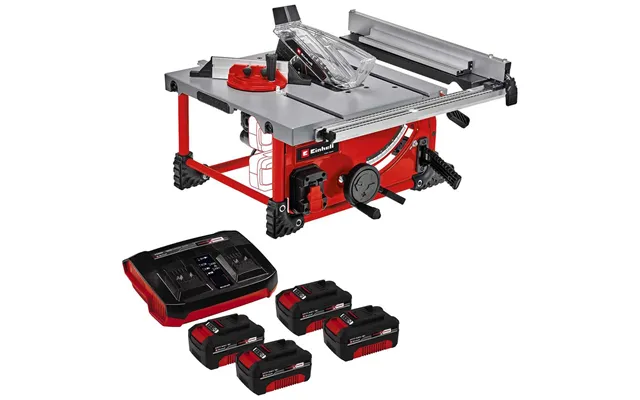
Loading...
Last updated Friday, Sep 18, 2026
A table saw is the backbone of any serious workshop — think of it as the engine under the hood of your woodworking projects. Whether you’re building cabinets, ripping long boards, or trimming sheet goods, a quality table saw saves time, improves accuracy, and turns fiddly jobs into smooth, repeatable cuts. If you’ve ever wrestled a circular saw and straightedge down a 4 by 8 sheet, you’ll know why a proper table saw feels like upgrading from a bicycle to a motorcycle.
Not all table saws are created equal. Choosing the right type depends on your space, the work you do, and how mobile you need to be. Let’s break the field down so you can match the saw to the job.
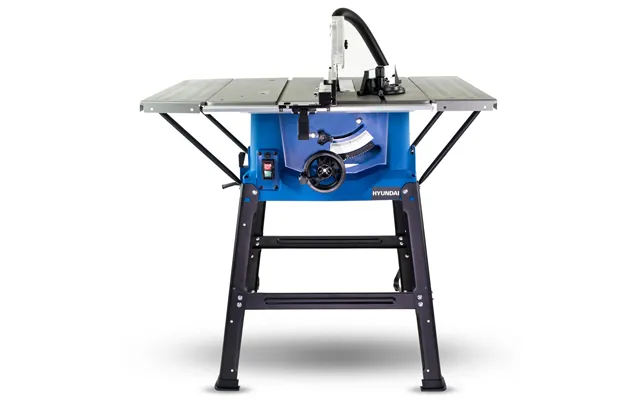
Bench-top or compact table saws are lightweight and often sit on a workbench or a jobsite stand. They usually have a 10-inch blade, weigh around 40 to 70 pounds, and are perfect for DIYers and light trade work. They’re great for tight spaces and quick jobs, but their rip capacity and long-term durability are limited compared to larger saws.
Jobsite saws step up in robustness without losing portability. Models like common 10-inch jobsite saws often include fold-out stands, onboard storage, and rip fences with large capacities — think up to 32 inches of rip on the right side. They run on 120V household power and typically weigh between 80 and 120 pounds, making them easy to move but solid enough for demanding site work.
Cabinet and hybrid saws are what most serious hobbyists and shops use. Cabinet saws are heavy, stable, and often powered by 1.5 HP to 5 HP motors — they deliver a smoother cut, better dust collection, and larger tables. Hybrid saws are a middle ground, offering cabinet-like features on a smaller scale and usually fitting into a one-person garage workshop. Expect weights in the hundreds of pounds and table sizes measured in inches of surface area.
When you start comparing models, some specs matter more than others. Here are the features that will make the biggest difference in everyday use.
Most popular table saws use a 10-inch blade, and that’s a safe default for general work. A 10-inch blade typically gives you a maximum cutting depth of about 3 to 3-1/2 inches at 90 degrees. Some cabinet saws use 12-inch blades for extra depth, but a 10-inch is the sweet spot for versatility and availability of blades.
Rip capacity — how far the fence can move from the blade — determines how wide a board you can rip in a single pass. Jobsite saws often offer 24 to 32 inches of rip on the right side, while cabinet saws can go well beyond that with aftermarket fences. A good fence should be square, lock solidly, and glide smoothly — a fence that wanders ruins a cut faster than a dull blade.
Motor power dictates how well a saw handles thick hardwoods and long cuts. Portable 10-inch saws usually run on 15-amp motors at household voltage, which is plenty for most jobs but can bog down under heavy loads. Cabinet saws with 1.5 HP to 3 HP motors (or more) keep speed steady through big cuts and thick material. If your shop wiring permits, a 240V cabinet saw will be more forgiving under load.
Good dust collection isn’t just tidy — it’s healthier and helps keep fences and rails free of grit. Look for saws with shrouds, ports sized for common shop vacs, and good internal routing. Safety-wise, modern table saws may include flesh-detection systems, riving knives, anti-kickback pawls, and easy-to-reach emergency stops. Don’t skimp on these — they protect you and make using the tool less stressful.
Below are models and families of saws that consistently earn praise from woodworkers and contractors. I’ll highlight why each type appeals and what to watch for if you’re shopping.
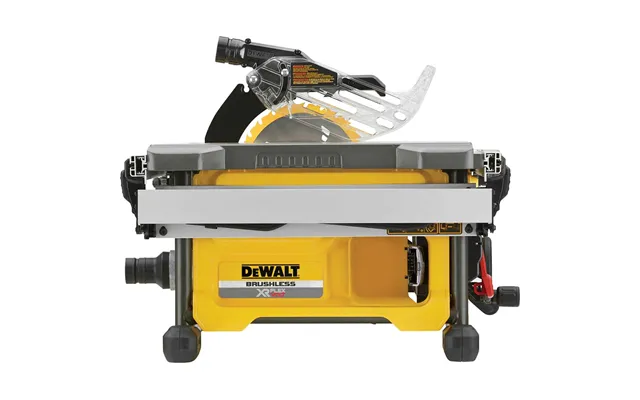
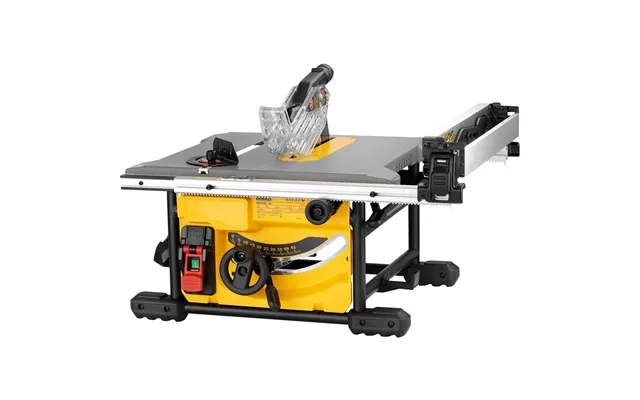
The DeWalt DWE7491RS is a popular jobsite choice thanks to its balance of portability and capacity. With a 10-inch blade and up to about 32-1/2 inches of rip to the right, it offers the size most pros need on site. It’s known for a durable wheeled stand, a robust fence system, and a 15-amp motor that handles most on-site materials. If you want a saw that goes from van to job and cuts long rips without a fuss, this family of saws is a solid candidate.
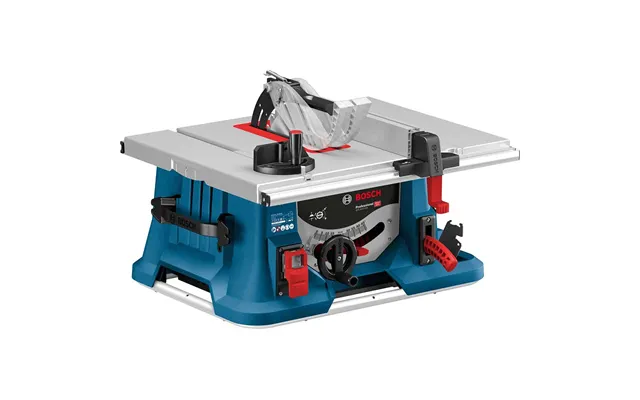
Bosch’s 10-inch table saws are praised for smooth operation and a rack-and-pinion fence that adjusts precisely. Typical specs include a 10-inch blade and a rip capacity in the low 20s of inches on portable models. Bosch focuses on clean cuts and control — great if precision matters more than absolute rip width and you value fast, accurate setup.
Makita’s portable table saws blend solid build quality with jobsite practicality. Expect a 10-inch blade, a dependable fence, and a cast-aluminum top for stiffness. Makita saws often appeal to users who want tool-grade build quality and tight tolerances without stepping up to a full cabinet saw.
Evolution pioneered multi-material blades and their table saws reflect that versatility. The R255SMS and similar models come with a 10-inch blade capable of cutting wood, metal, and plastic without frequent blade changes. If you work with mixed materials or run a small renovation trade where varied cuts are the norm, these saws are a surprisingly flexible pick.
SawStop is famous for an active safety system that stops the blade in milliseconds if it detects flesh contact. That feature is available on jobsite and cabinet models, and it’s a game-changer for hobbyists with young family members around or busy shops where slips happen. The initial investment is higher, but many pros consider the safety upside worth every penny.
Brands like Scheppach and Einhell offer compact table saws for hobbyists on a budget. They’re great for light to medium work, and you can expect 10-inch blades and workable fences. If you’re setting up a new garage shop and need something functional without breaking the bank, these saws give good value — just be realistic about limitations with heavy hardwoods and sustained use.
The right accessories turn a good table saw into a great one. Don’t ignore these extras — they make cuts safer, more accurate, and faster.
Picking the right blade is like choosing the right shoe for a race. Rip blades have fewer teeth and cut along the grain fast and clean, while combination blades handle ripping and crosscutting reasonably well. For furniture or finish work, step up to a finer tooth crosscut or plywood blade to minimize tear-out. Blade diameter is typically 10 inches, and tooth count varies from around 24 for rips to 80 or more for finish cuts.
Featherboards keep stock tight to the fence for straight rips, a crosscut sled gives you square, safe crosscuts, and push sticks keep your hands away from the blade. These low-cost items improve accuracy and safety dramatically and are worth more than their weight in gold when you’re cutting long boards or small pieces.
A mobile stand with wheels gives you the freedom to move a jobsite saw between garage and job, and a solid outfeed table supports long workpieces to prevent snipe and wobble. For cabinet saws, an outfeed roller or table is essential if you’re ripping long boards or sheet goods.
Shopping for a table saw is a blend of balancing needs and budget. Here are practical steps to make the decision easier.
If a local dealer or tool show allows it, try cutting with the saw. Feel the fence, check how square the blade is at 90 and 45 degrees, and listen to the motor under a load. Hands-on time is the best way to spot rattle, vibration, or a flimsy fence that spec sheets don’t reveal.
Some retailers bundle the saw with stands, blades, or dust collection attachments, and that can be a smarter buy than purchasing everything separately. Always compare the bundled price to buying items a la carte — sometimes bundles add little value, other times they save you a tidy sum.
Think beyond initial cost. A cheaper saw might need replacement sooner, whereas a sturdier model can last decades. Check warranty terms, availability of parts like replacement blades and belts, and how easy the saw is to service.
Owning a table saw comes with responsibility. A few setup and use habits prevent injuries and extend the life of the saw.
Align the blade to the miter slot and fence regularly — even new saws can drift during shipping or after hard use. A dial indicator or a simple square helps you check blade-to-fence parallelism. A misaligned blade causes burn marks, poor cuts, and stress on the motor.
Always wear eye protection, hearing protection, and avoid loose clothing. Set up the saw with enough infeed and outfeed space — a cramped jobsite is a dangerous one. Good lighting, a clear floor, and stable support for long stock are simple upgrades that prevent most shop accidents.
Routine maintenance keeps your table saw cutting true and safely. A little care goes a long way.
Clear the table of dust and resin, and lube moving parts per the manufacturer’s instructions. A dry rail can make fences stiff and inaccurate, while a sticky buildup will trap small offcuts that affect the fence lock.
A dull blade pushes material and generates heat, while a worn belt or pulley creates slop and vibration. Replace blades when cuts go ragged, and swap belts if you notice slipping or inconsistent motor sound. Keeping spare blades and push sticks on hand saves downtime.
Choosing a table saw is a mix of practicality and aspiration. Ask yourself: will I need mobility, or do I want the stability of a cabinet saw? Do I mostly cut plywood and dimensional lumber, or do I work with hardwoods and require higher horsepower? Your answers guide the choice. Start with a clear list of the projects you’ll do, set a realistic budget, and compare models by rip capacity, motor power, fence quality, and safety features. With the right saw, your workshop will feel like a collaborative partner instead of a constant battle.
Happy cutting — and remember, a patient setup and the right blade are half the job.