





All categories
Business & Offices
Electronics & Media
Fashion & Accessories
Groceries & Essentials
Health & Personal Care
Home & Living
Kids & Family
Sports & Outdoors
Search in ZoneOffer
Loading...
If you own a dehumidifier, you probably know it does the heavy lifting: reducing humidity, preventing mold, and keeping the air comfortable. But accessories turn a good dehumidifier into a great one. The right add-ons can automate drainage, improve air quality, extend the unit’s life, and even save you money on energy bills. Think of accessories as the toolkit that lets your dehumidifier work smarter, not harder.
There’s a surprising number of accessories made specifically for dehumidifiers. Some are purely practical — like drain hoses and replacement filters — while others add convenience, like remote sensors and pumps. Below I’ll walk you through the most useful options so you can pick the ones that match your space and needs.
Filters are the bread-and-butter accessory. Many portable dehumidifiers use washable mesh or replaceable carbon filters to trap dust and odors. Replaceable filters are often sold in packs and are inexpensive, while washable filters can be rinsed under warm water and reused. Replacing or cleaning a filter every 1–3 months keeps airflow strong and helps the unit remove moisture faster, especially in dusty areas like basements and garages.
Want to avoid emptying the water bucket every day? A gravity drain hose is a simple solution. Attach a 1/2-inch or 3/4-inch hose to the dehumidifier’s drain outlet and route it downhill to a floor drain, sump, or outside. Measure distances in feet — a typical hose runs 6–20 feet depending on where the drain sits. These kits usually include hose clamps and adaptors to match your model’s outlet. Remember: gravity drains need a continuous downhill slope, or the water will pool and back up.
If your drain is above the dehumidifier’s position — say a basement unit that needs to lift water into a sink or into a higher drain — a condensate pump is the next best thing. Pumps sit beside or under the dehumidifier and automatically pump water through a small-diameter hose up and away. Pumps are rated by lift height and flow rate, often capable of raising water 8–16 feet vertically, so choose based on how far up you need to move the condensate.
Built-in sensors do a decent job, but external hygrometers give you a second opinion placed where it really matters — like the center of a basement or a damp crawlspace. Many modern accessories include wireless sensors that report humidity to the main unit or a smartphone. This way you can monitor different rooms and avoid under- or over-drying. Aim for sensors accurate to within a few percentage points of relative humidity (RH).
Some dehumidifier models accept optional activated carbon or HEPA-style filters that improve odor control and capture finer particles. If you’re dealing with musty smells, pet odors, or allergy triggers, these filters can make a noticeable difference. Keep in mind that HEPA-grade filters often slow airflow, so check compatibility and change them as recommended — usually every 6–12 months.
A stable platform helps your dehumidifier breathe better and stay dry. Stands raise the unit a few inches off the floor, which is especially helpful in damp basements where pooling water can reach the base of the machine. Wall-mount kits and brackets exist for compact dehumidifiers in closets or mechanical rooms. Drain pans are useful when you expect occasional overflows or want an extra safeguard under a unit with a bucket.
Desiccant packs and silica gel pouches aren’t a substitute for an active dehumidifier, but they’re perfect for closets, storage boxes, tool chests, or spots where running a machine isn’t practical. They help absorb residual moisture and reduce mildew risk. For enclosed spaces under 50 square feet, one or two packs can keep things fresh for months.
Choosing accessories isn’t one-size-fits-all. Think about your space, drainage options, and whether you’ll be around to do regular maintenance. Here are some practical guidelines to help you choose wisely.
Start by matching accessories to the dehumidifier’s capacity, usually expressed in pints per day. A 50-pint unit pulls far more water than a 30-pint one, so you’ll want a sturdier pump and larger hoses if you plan continuous draining. Also check whether your unit supports continuous drain natively; some require a kit or adaptor for that feature.
Measure the straight-line distance in feet from the dehumidifier’s drain outlet to the nearest drain point, plus a few extra feet for routing. Most hose kits come in 6, 10, or 20 foot lengths. Also confirm the outlet diameter — common sizes are 1/2 inch and 3/4 inch — and pick adaptors if needed. A tight fit prevents leaks and keeps the system working smoothly.
Installation can be easy if you plan ahead. A little attention to slope, seal, and clear flow prevents most common problems. Here are hands-on tips that will save you time and hassle.
For a gravity drain, maintain a clear downhill slope of at least 1/8 inch per foot. Avoid sharp kinks and keep hoses as straight as possible. Secure connections with clamps and check for leaks after the first hour of operation. If you route outdoors, protect hoses from freezing by placing them where cold air won’t chill standing water.
Place the pump level and close to the dehumidifier’s drain outlet. Most pumps have a float switch that starts the unit when a small bucket of water fills. Test the pump by pouring a pint or two of water into the collection basin; the pump should kick in and push water up the discharge hose. If it sputters or fails to start, check for clogged inlet screens or air locks in the discharge line.
Accessories reduce chores only if you maintain them. A little routine care extends life and improves performance. Here’s a practical maintenance checklist to follow every few months.
Wash washable filters in warm water and mild soap, then let them air-dry completely before reinstalling. Replace disposable filters on the manufacturer’s schedule; clogged filters force the compressor to work harder and use more energy. Keep extra filters on hand so you can swap them without delay.
In cool environments, stagnant water in hoses or pumps can freeze. Insulate exposed lines or route them indoors where temperatures stay above freezing, ideally above 40°F. Clear debris and mineral buildup from hoses every few months, and flush the condensate path with a vinegar solution if you notice slow drainage or odors.
Accessories can be energy-smart additions. A continuous drain or pump reduces the chance of the unit cycling on and off to empty its bucket, which can be more efficient. Smart controls and timers let you run the dehumidifier only when needed, trimming utility costs without sacrificing comfort.
Cleaning filters and ensuring free drainage improve airflow and let the compressor operate at peak efficiency. Running a dehumidifier nonstop because its bucket is full wastes energy; a well-designed drain setup prevents unnecessary cycling and reduces a unit’s power draw over time, saving you dollars on the electricity bill.
Smart plugs, programmable timers, and Wi‑Fi enabled hygrometers let you set target humidity levels and schedules. For example, you can run the dehumidifier more during damp overnight hours and scale back during dry afternoons. This targeted approach keeps humidity comfortable while trimming runtime.
No system is perfect, but most issues are straightforward to fix. Below are common hiccups and quick ways to get your dehumidifier and its accessories back on track.
Leaks usually stem from loose hose clamps, poor hose routing, or cracks in the bucket. Tighten clamps, replace split hoses, and if the bucket overflows check that the float switch is functioning and the pump isn’t stuck. A small drip can indicate mineral buildup; clean the condensate trap and recheck.
If humidity readings stay high despite the unit running, first clean or replace the filter, then check airflow paths for obstructions. Make sure doors and windows are closed in the area you want to dehumidify; open air makes the unit struggle. Finally, verify that the capacity matches the room: a 30-pint unit can handle a certain square footage, while a damp basement may need a 50-pint or larger model.
Different spaces call for different accessories. Below are practical pairings I recommend depending on where you plan to run your dehumidifier.
For basements, a continuous drain hose routed to a floor drain or a condensate pump that lifts to a distant drain is essential. Use washable filters to handle dust and a stand to keep the unit off potentially soggy floors. Consider a remote hygrometer placed away from the dehumidifier to measure true ambient humidity in the middle of the space.
Garages often have cold corners and high dust. Use a condensate pump if you need to lift water, and pair the dehumidifier with a carbon filter if odors from paints or fuel are a concern. Desiccant packs can help keep toolboxes and cabinets dry without running the main unit constantly.
For small enclosed spaces, consider silica gel packs or a compact desiccant dehumidifier. If you prefer an electric option, a small portable unit with a gravity drain to a nearby laundry tub is ideal. Washable micro-filters work well here because they’re inexpensive and easy to maintain.
Prices for accessories vary widely by brand and retailer. Comparison websites and review aggregators help you find the best deals and show real user feedback on fit and reliability. Make sure to filter results for the right hose diameter and pump lift height, and read reviews that mention your specific dehumidifier model for compatibility insights.
Before you click buy, run through this quick checklist: measure distances in feet, confirm outlet diameter in inches, check lift height for pumps in feet, match filter types to your unit, and decide whether a washable or replaceable filter makes sense for your lifestyle. Having this info ahead of time reduces returns and ensures the accessory performs as expected.
Accessories transform the way a dehumidifier protects your home. Whether you’re aiming for hands-off drainage, improved air quality, or smarter control, picking the right add-ons makes the unit more capable and hassle-free. Buy the hoses, pumps, and filters that match your setup, and maintenance will be a breeze.
Dehumidifier accessories are small investments that pay off in convenience, efficiency, and long-term performance. From simple gravity drain hoses to condensate pumps and advanced filters, the right tools make controlling moisture effortless. Measure carefully, match accessories to your dehumidifier’s capacity in pints and your space in square feet, and keep up with routine maintenance. With the right setup, you’ll cut down on mold risk, protect belongings, and enjoy more comfortable air all year round.
| Dehumidifier Accessories | Price | |
|---|---|---|
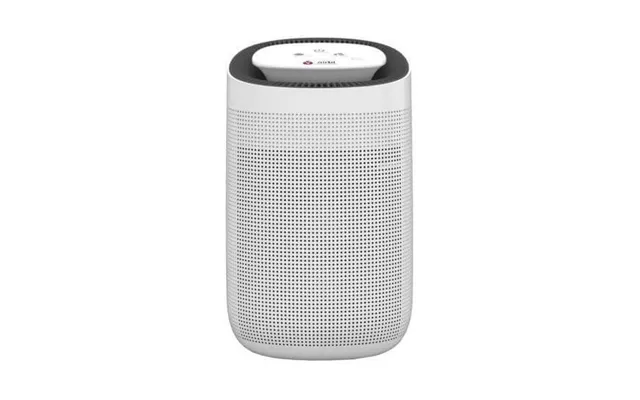
| Dehumidifier And Air Purifier - Sponge | £ 119,10 |

