All categories
Business & Offices
Electronics & Media
Fashion & Accessories
Groceries & Essentials
Health & Personal Care
Home & Living
Kids & Family
Sports & Outdoors
Search in ZoneOffer
Loading...
If your home heating feels uneven or your energy bills keep climbing, small radiator accessories can make a surprisingly big difference. Think of your heating system as a team: the boiler does the heavy lifting, but accessories like valves, reflectors, and filters are the bench players that keep everything running smoothly. Upgrade the right parts and you’ll get warmer rooms, fewer cold spots, and lower fuel bills — all without replacing the whole system.
Swapping a basic valve for a thermostatic one, fitting a reflective backing behind the radiator, or adding a magnetic filter can shave degrees off your thermostat setting while keeping comfort levels high. It’s like tuning a car engine — you’re not replacing the vehicle, you’re making it run smarter. A handful of targeted accessories can cut wasted heat and protect your boiler, often paying back their cost in a single heating season.
Thermostatic radiator valves are one of the easiest and most effective ways to gain control over room temperatures. Instead of the entire house heating to the same level, TRVs let you lower heat in unused rooms and ramp it up where you spend time. This is both more comfortable and more economical — you stop overheating hallways and focus heat where it matters.
A TRV senses air temperature near the valve head and adjusts the hot water flow accordingly. When the room hits your set temperature, the valve reduces flow so the radiator cools down. Want a cozy living room at 70°F and a spare bedroom at 60°F? TRVs make that simple. They’re particularly useful in homes without zoned heating controlled by the boiler.
Most TRVs fit standard radiator connections, typically 1/2 inch or 3/4 inch pipe fittings. Measure the valve inlet and spindle length before buying; some older radiators need an adapter or an angled TRV to clear skirting boards. Installation can be a weekend DIY for confident homeowners, but if your system uses pressurized mains or you’re unsure about draining the loop, a pro plumber will finish the job faster and cleaner.
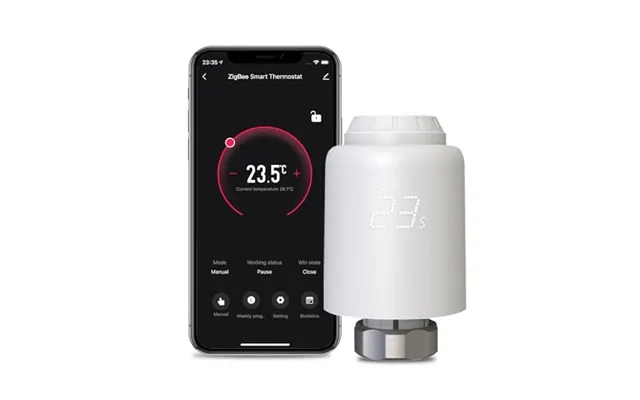
Smart radiator thermostats add a modern twist to TRVs by bringing scheduling, remote control, and learning capabilities to each radiator. Pair them with a smart hub or app and you can lower heat automatically when you leave the house or boost it just before you arrive. They’re like programmable valves that respond to your lifestyle instead of a fixed thermostat.
Smart radiator heads often communicate via Zigbee, Z‑Wave, or a proprietary protocol through a central bridge. Check whether your smart thermostat or hub supports the manufacturer’s ecosystem. Also confirm whether the smart head fits your radiator valve — many supply conversion adapters for common valve types. For older homes, make sure the smart system can talk to an existing boiler controller if you want whole-house coordination.
Radiator reflector foil is a thin insulated panel placed behind a radiator to bounce heat back into the room instead of letting it soak into the wall. It’s cheap, simple to fit, and one of the highest return-on-investment upgrades you can make. If your radiator sits on an outside wall, foil behind it can noticeably reduce heat loss during cold snaps.
Reflector panels typically come in thicknesses from 1/8 inch to 1/2 inch with adhesive backing or roll form. Cut panels to match the radiator width and height, leaving a small air gap of about 1/2 inch behind the radiator for best performance. Make sure the panel covers the full radiator length — half-covering won’t deliver the same effect. In many rooms, a roll of foil 39 inches wide is a handy size to work with.
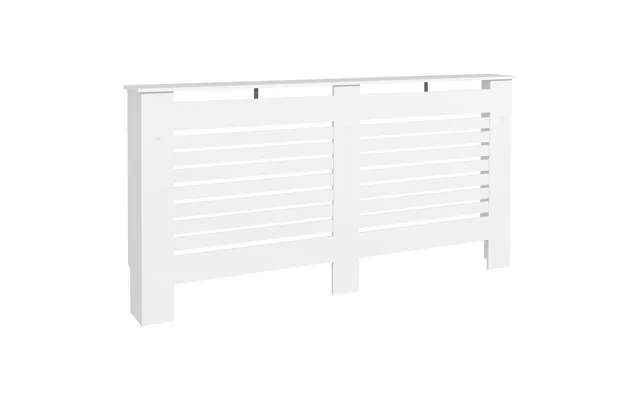
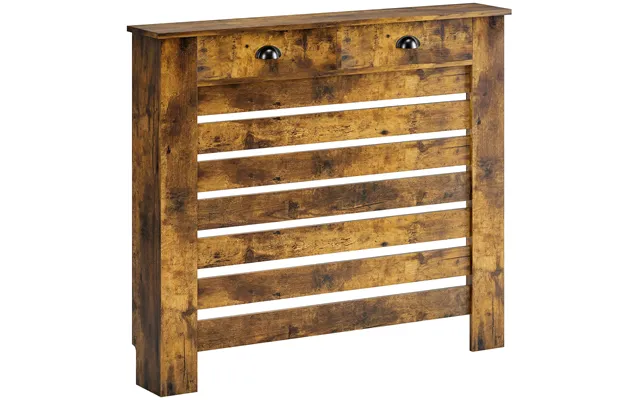
Radiator covers and shelves can tidy up a room and provide extra surface space, but they must be chosen carefully. A poorly ventilated cover can reduce heat output by several percent, turning a neat idea into a comfort problem. The trick is to select a design that guides warm air into the room rather than trapping it.
Look for covers with slatted fronts and top grills that allow warm air to circulate. Maintain at least 2 inches of clearance above the radiator to let heat rise, and keep the front vented area unobstructed. If the cover sits directly on the radiator surface, ensure there’s a minimum 1/2 inch gap for airflow. Decorative shelves are great, but avoid placing heat-sensitive items directly above radiators; wood and electronics don’t always appreciate steady 140°F surfaces.
Every radiator will collect air over time, leading to cold tops or gurgling noises. A simple bleed key — often just a 2- to 3-inch metal tool — lets you release trapped air and restore full heat output. Regular bleeding, along with checking valve operation, keeps radiators working efficiently and extends their lifespan.
First, turn off the heating and let the system cool to avoid scalding — aim for below 122°F. Insert the bleed key into the valve at the top corner of the radiator and turn slowly counterclockwise until you hear air hiss. Once water begins to drip, close the valve by turning clockwise. Check the boiler pressure after bleeding; you might need to top up to the recommended level, typically shown on the pressure gauge. Bleeding every year or whenever you notice uneven heating is a good habit.
If your system uses iron radiators or is several years old, magnetite sludge can form and reduce efficiency. Magnetic filters capture this metallic debris before it reaches the boiler, preventing damage and keeping pump heads working properly. Think of them as a vacuum for your heating’s bloodstream.
Filters come in compact inline models and larger canister types. Choose a size rated for your system flow and pipe diameter — common pipe sizes are 1/2 inch or 3/4 inch — and position the filter on the return pipe near the boiler for best results. Install isolation valves around the filter so future cleaning is quick and mess-free. A professional install often includes a system flush to remove accumulated sludge before fitting the filter.
Radiator fans clip onto the top of the radiator and push warm air into the room faster, which can be helpful in rooms with slow heat circulation. Towel radiators and electric radiators often pair well with small fans or drying rails to speed drying and increase perceived warmth. For dry winter air, a humidifier placed safely near a radiator can add moisture that helps you feel warmer at lower thermostat settings.
Use a fan in large rooms or rooms with poor convection, such as those with low ceilings or deep bay windows. Fans are also useful when you want quick warmth for a short period — they can cut the time it takes to feel heat in half. Look for models that run quietly and clip on securely; battery or rechargeable versions are handy if you want portability and zero wiring.
Older radiators sometimes use non-standard fittings or have awkward clearance issues. Don’t be intimidated — most modern accessories include adapters or have angled variants to deal with skirting boards and pipe bends. Measuring twice and checking thread types prevents disappointment at the checkout.
Measure the radiator tailpipe diameter with a caliper or use a ruler to get the nearest fraction of an inch. Note the distance from the wall to the center of the pipe and the spindle projection. If the radiator is more than 12 inches wide or very tall, you may need larger valves or a two-valve setup to ensure even flow. Keep photos of the current valve and pipework handy when ordering; suppliers can usually match the part from a clear picture.
There are tried-and-tested brands that frequently appear in comparisons and buyer guides. Thermostatic heads from established names often combine durability and precise control. Smart heads from firms that offer robust ecosystems let you integrate radiator-level control with a home hub. Magnetic filters from reputable plumbing brands tend to be easier to service and include clear instructions for installation. When evaluating products, look for solid build quality, easy-to-read temperature markings in Fahrenheit, and good warranty terms.
Prioritize compatibility, ease of installation, and real-world reviews. If you’re installing multiple smart heads, check whether the hub supports creating schedules by room or group. For filters and valves, look for clear specifications on pipe size and flow rates. And don’t forget the basics: a decent bleed key and a roll of reflector foil are inexpensive items that pay back quickly in comfort and savings.
Many small radiator accessory installs are DIY-friendly: replacing a TRV, fitting reflector foil, or clipping on a radiator fan typically takes under an hour each. But for tasks involving boiler connections, system flushing, or installing a magnetic filter on the return loop, professional help is wise. A trained engineer can also advise on balance, purge the system properly, and ensure the boiler pressure is correct after work.
Expect to pay more for professional workmanship, but balance that against the time and risk of doing complex tasks yourself. A set of TRVs for five radiators might be an affordable DIY weekend project, while a system flush and magnetic filter install could cost a few hundred dollars in labor — money well spent if it extends boiler life and prevents breakdowns.
Simple regular checks keep your heating efficient: bleed radiators at least annually, inspect valves for leaks, vacuum behind grills and covers to keep airflow free, and check the boiler pressure after any work. Replace worn washers in valves and keep a bleed key in a handy kitchen drawer. These small steps keep heat where you want it and prevent bigger repairs down the line.
Before the cold season, test every radiator while the heating is running to spot cold spots and unusual noises. Fit or replace TRVs in rooms you use most, add reflector foil on exterior walls, and consider a smart head for living areas to take advantage of scheduling. After winter, consider a gentle system service and clean the magnetic filter after a heavy season to keep performance optimal.
Radiator accessories are a low-friction way to tune your home heating. They let you save energy, improve comfort, and protect the investment you’ve already made in your boiler and radiators. Whether you pick one simple upgrade like reflector foil or overhaul valves and add smart heads across the house, the right accessories will keep your rooms cozy without turning up the thermostat.
Conclusion: With a thoughtful selection of radiator accessories, from TRVs and smart heads to magnetic filters and reflector panels, you can achieve smarter, more efficient heating without a full system overhaul. Small changes add up — like tightening the screws on an instrument, a few adjustments bring harmony and performance back to your home’s heating.
| Heating Radiator Accessories | Price | |
|---|---|---|
| Tp-link Kasa Smart Thermostat Radiator Valve - Smart Radiator Valve | £ 29,99 | |
| Havn Hs 420 Fan Brackets For 360mm Radiator Alignment | £ 31,31 | |
| Havn Hs 420 Fan Brackets For 360mm Radiator Alignment | £ 31,31 | |
| Tp-link Kasa Smart Thermostat Radiator Valve - Smart Radiator Valve | £ 39,99 | |
| Web Offer Heatboost Pro | £ 49,99 | |
| Radiator Cover Horizontal Slatted White | £ 69,99 | |
| Eve Thermo Comfort Set | £ 135,19 | |
| Radiator Thermostat Anthracite Twin Kts | £ 137,12 | |
| Fritz Fritz Smart Thermo 302 Smarter Heizkörperregler Weiß |

| £ 158,45 |
| Fritz Fritz Smart Thermo 302 Smarter Heizkörperregler Weiß | £ 158,45 |