




All categories
Business & Offices
Electronics & Media
Fashion & Accessories
Groceries & Essentials
Health & Personal Care
Home & Living
Kids & Family
Sports & Outdoors
Search in ZoneOffer
Loading...
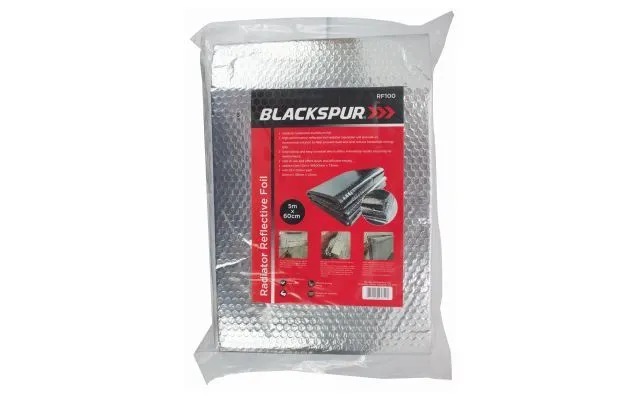
Heating radiator reflectors, sometimes called radiator foil or radiator backer boards, are thin reflective panels installed behind hot-water or steam radiators to redirect heat back into the room. Think of them as mirrors for warmth: instead of letting heat escape into an exterior wall, these reflectors bounce it inward where you actually want it. They’re cheap, low-effort, and often one of the easiest upgrades you can make to squeeze more comfort from your heating system.
At its core, a radiator reflector uses a reflective surface—usually aluminum foil bonded to a foam or bubble layer—to stop heat transfer through the wall. Heat from the radiator moves via conduction through the wall and via radiation into the room. The reflector reduces conductive heat loss by adding an insulating layer and reduces radiative loss by reflecting infrared heat back into your living space. The combined effect raises the room’s perceived temperature or lets you lower the thermostat slightly without losing comfort.
Reflective foil rolls are thin, flexible, and cheap, making them ideal for awkward spaces and rental homes. Insulated panels, often made with foil-faced foam board, are sturdier and offer better insulation—useful when walls are especially thin or uninsulated. Foil does great for reflecting radiant heat, while foam-backed panels add a real insulating R-value to the assembly. Choose based on budget, wall thickness, and how permanent you want the fix to be.
Placement is straightforward: the reflector should cover the area directly behind the radiator, ideally extending at least a few inches beyond the radiator’s height and width. Orientation matters—shiny side facing the radiator—and the material should be flat against the wall with no big air gaps. You can secure reflectors with adhesive tape, double-sided adhesive pads, or small nails and washers for panels. The better the contact and coverage, the better the performance.
Installing radiator reflectors is one of those smart home tweaks that feels small but can pay dividends. You’ll often get quicker warm-up times, a more even temperature distribution, and a reduced workload for your boiler or heater. That can translate into lower fuel bills over a season and fewer calls to the heating engineer. It’s especially effective in rooms with exterior walls or older properties where cavity insulation is limited.
How much you’ll save depends on many factors—wall insulation, radiator size, home layout—but studies and real-world tests commonly report single-digit to low-double-digit percentage reductions in heating demand per room. If your annual heating spend for a room is $300 and reflectors reduce usage by 10%, that’s a $30 yearly saving per room. Stack that across multiple rooms and the numbers start to look persuasive, especially given the low upfront cost.
Beyond bills, the comfort boost is immediate: less chill near exterior walls, fewer cold spots, and a room that reaches desired temperature faster. If you’re always fiddling with the thermostat or placing blankets on the back of furniture to trap heat, reflectors can reduce that friction and make your living space noticeably cozier.
Radiator reflectors are a great first step, but they work best in combination with other radiator accessories. Upgrading valves, maintaining radiators, and adding covers or shelves can all improve efficiency and aesthetics. Let’s look at the usual suspects so you can decide what fits your needs.
Reflector foil comes in rolls—easy to cut to size and perfect for rent-safe installs—while backer boards are rigid panels that can be mounted and painted over. Foil is best for budget installs; boards are better for long-term solutions on thin external walls. Both types reflect radiant heat and reduce conductive loss; boards usually have the edge for overall insulating value.
TRVs let you control the temperature of individual radiators by sensing room temperature and throttling flow. Pair a TRV with reflectors and you get targeted warmth only where and when it’s needed. A TRV can be a little pricier and may require simple plumbing work, but it gives you smarter control and, when used correctly, real energy savings.
Keeping your system clean matters. Magnetic filters catch metallic debris that can settle in the boiler or radiators, reducing efficiency and racket. Bleeding radiators with a bleeder key removes trapped air that prevents even heat distribution. Both are inexpensive maintenance tasks that improve how well your reflectors and radiators perform together.
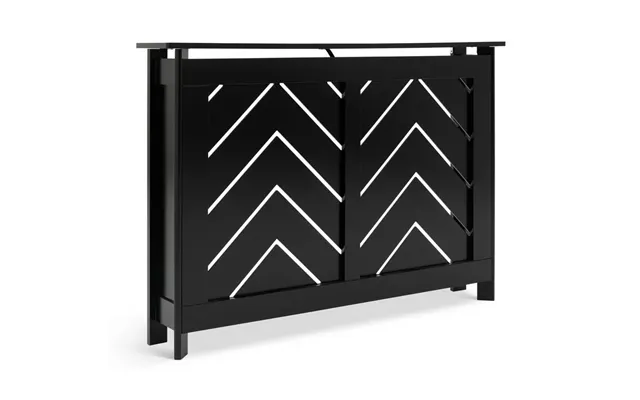
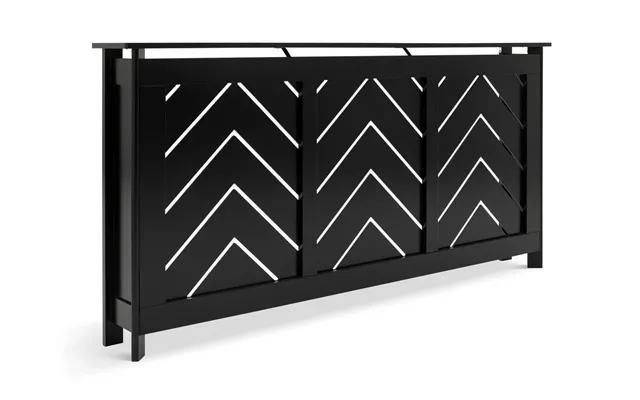
Decorative covers and shelves can improve aesthetics and direct heat into the room rather than up toward the ceiling. Avoid fully enclosing a radiator without proper ventilation; that can trap heat and lower efficiency. Open slatted covers or perforated designs work best, allowing convective flow while hiding the raw metal look.
Picking the right reflector isn’t rocket science, but a few practical considerations will help you get the best value for money. Think about the wall type, radiator size, and how permanent you want the solution to be. Also consider installation method—do you want a peel-and-stick style or a panel you mount and forget?
Measure the radiator’s width and height in inches and add a few inches of overlap on each side for coverage. Thicker panels—often around 1/4 to 1/2 inch when foam-backed—deliver stronger insulation; thin foil has virtually no thickness but reflects radiation well. If you’re aiming for a balance, a 1/8- to 1/4-inch foam-backed foil panel often hits the sweet spot between ease-of-install and thermal performance.
Look for high-reflectivity aluminum facing and a stable backing like polyethylene foam or closed-cell bubble. Materials marketed as "reflective thermal insulation" with a shiny aluminum surface are best. Some products include a vapor barrier adhesive layer to prevent damp issues on cold walls—handy for older properties prone to condensation.
Installing reflectors is usually a one-person job and takes under an hour per radiator if you’re working carefully. Here’s a simple plan to follow so you don’t miss steps and get the best results from your investment.
Most installs require only basic tools: a tape measure in inches, a utility knife or scissors for cutting, adhesive or double-sided tape, a spirit level (optional), and a cloth to wipe the wall. For rigid panels you may need small screws, wall plugs, or adhesive caulk. Keep a ladder handy for tall radiators; safety first.
1) Measure the radiator and mark the panel to match, adding a couple inches of overlap. 2) Clean the wall behind the radiator thoroughly and allow it to dry. 3) Cut the foil or board to size. 4) Apply adhesive tape or mounting glue to the panel, press the panel flat against the wall shiny-side-in toward the radiator. 5) Replace the radiator slightly away from the wall if needed, or secure the panel with small fixings. 6) Check for gaps and seal edges to prevent air pockets. That’s it—simple, low-mess, and effective.
Even a tiny misstep can reduce the effectiveness of reflectors. Avoid shortcuts like loosely tacked panels, incomplete coverage, or placing the shiny surface away from the radiator. Let’s look at the most common errors and how to sidestep them.
Not covering the full radiator-back area or leaving a large air gap will let heat escape around the panel. Ensure the reflector spans the radiator’s height and width with at least a couple inches of margin, and press it flat to the wall to minimize convective losses behind the reflector itself.
Cheap tape that dries out or adhesives that fail in humid environments will cause panels to sag, creating air gaps and reducing efficiency. Use adhesives rated for the substrate you’re mounting to—wall plaster, brick, or drywall—and consider mechanical fixings for heavier foam boards.
Radiator reflectors are a great first move, but you can amplify savings with a few complementary measures. Think system maintenance, insulation upgrades, and smart controls for the biggest wins.
Trapped air reduces heat output. Use a bleeder key to release trapped air until water flows steadily. It’s quick, free, and often overlooked—but it improves the efficiency of every radiator and helps any reflector you install do its job better.
Your radiators can only do so much if cold air seeps in around windows, doors, and skirting boards. Draught proofing gaps and adding loft or wall insulation are higher-cost interventions but yield higher returns. Reflectors work best as part of a broader efficiency plan: stop the cold from coming in and reflect the heat back where it belongs.
Short answer: usually yes. Reflectors are one of the most cost-effective ways to reduce heat loss per dollar spent. A basic roll of reflective foil can cost under $15 and treatment for a four-radiator home might cost $40–$100 depending on materials. With even modest savings of 5–10% on heating bills, the payback period can be as short as one winter for smaller homes. For larger or less insulated homes, savings can be greater and payback even faster.
Radiator reflectors, TRVs, bleeder keys, and magnetic filters are widely available from home improvement retailers, plumbing suppliers, and online marketplaces. When shopping, compare product reviews, check measured R-values or insulation claims, and look for reliable brands or third-party test results. If you’re not sure which model fits your radiator, take a quick photo and dimensions in inches to compare before buying.
Once installed, radiator reflectors need very little care—give them a wipe now and then and check adhesives after a heating season. If you repaint or redecorate, choose rigid boards that can be hidden behind fresh paint. Combine reflectors with regular system maintenance—bleeding radiators, flushing the system when needed, and using TRVs sensibly—to keep your heating efficient and your home comfortable.
Radiator reflectors aren’t a magic bullet, but they’re a low-cost, low-risk upgrade with measurable benefits. Whether you rent, live in an older property, or simply want to squeeze more performance from your heating, they’re worth considering. Ready to give your radiators a little help? With a tape measure, a utility knife, and a reflective panel, you can start saving and feeling warmer in a single afternoon.
Conclusion: Small changes add up. Radiator reflectors are a practical, budget-friendly way to make your heating work smarter. Pair them with good maintenance and targeted upgrades and you’ll see better heat, lower energy use, and a cozier home without breaking the bank.

