

Humidifier Accessories price list
Last updated Tuesday, 20 Oct 2026




View 8 Offers
Loading...
Last updated Tuesday, 20 Oct 2026
Think of your humidifier like a tiny weather system for a single room. The unit itself does the heavy lifting, but accessories — filters, tanks, nozzles, and cleaning tools — are the gears that keep it running smoothly. Ignore them and your humidifier may underperform, make noise, or even become a source of poor indoor air quality. Invest a little time and money in the right accessories, and you’ll get better mist, fewer mineral deposits, and a longer lifespan from the device.
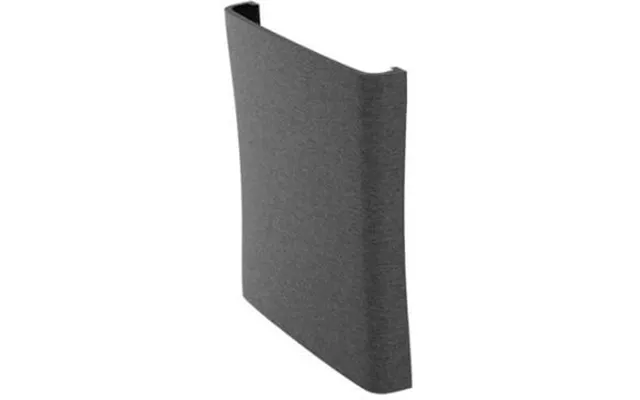
Most evaporative humidifiers rely on wick-style filters that trap minerals and particulates as water evaporates into the air. A wick filter is inexpensive and easy to swap out, but it needs replacing regularly — usually every 1 to 3 months depending on usage and water hardness. When shopping, look for high-quality replacement filters designed for your model; the right fit prevents leaks and ensures consistent humidity. If you use a humidifier in a large room or for many hours a day, plan on keeping a few spares on hand.
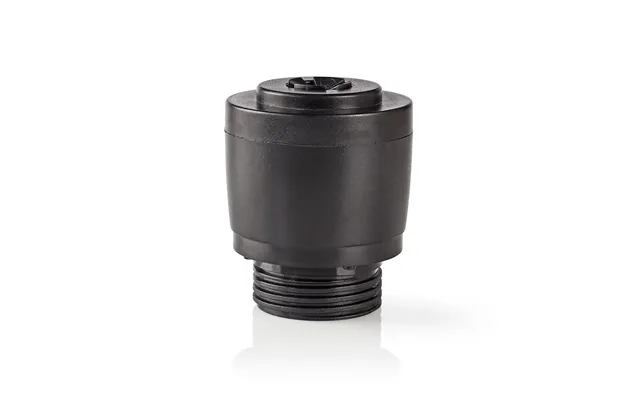
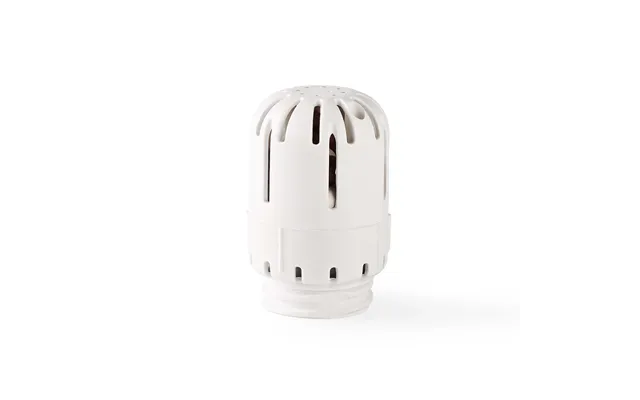
If you live in a region with hard water, mineral buildup is the enemy. Demineralization cartridges, sometimes called mineral guards or scale filters, capture calcium and magnesium before they’re dispersed as white dust. These cartridges can extend the life of your humidifier’s internal components and reduce cleaning frequency. A single cartridge can last anywhere from 1 to 3 months, and measuring water hardness with a simple test strip can help you set a replacement schedule.
Water tank size affects how often you refill. Small bedside humidifiers may hold 0.5 to 1 gallon of water and run for 8–12 hours, while larger console units can store 1.5 to 3 gallons and run for a full day or longer. Always check capacity in ounces or gallons — for example, a 1.5 gallon tank equals 192 ounces — and match that to your daily routine. If you travel or use a humidifier in an office, a compact tank that’s easy to remove and refill is a practical pick.
Mist control matters when you want to target dry spots or avoid dampening nearby furniture. Directional nozzles let you point the mist, and many models include swirl or wide-angle tips to spread moisture evenly. Replacement nozzles are inexpensive and often designed for universal fit. If your current nozzle has a clog or produces uneven mist, swapping it is faster than buying a new humidifier.
Regular cleaning prevents scale, mold, and bacteria. A small brush kit with narrow brushes and a water syringe makes it easy to scrub crevices and rinse the tank’s corners. Look for kits designed for humidifiers — they usually include multiple brush sizes and a soft cloth to avoid scratching plastic. Clean the tank once a week if you run your humidifier daily, and rinse after each refill to remove loose particles.
When scale starts forming, descaling solutions break mineral bonds so you can wipe residues away. You can use a commercial descaler or a diluted solution recommended by your humidifier’s manufacturer. For a DIY option, white vinegar is effective at dissolving limescale; pour a cup into the tank, let it sit for 20 to 30 minutes, scrub, then rinse thoroughly. Always follow safety recommendations and avoid mixing cleaning agents.
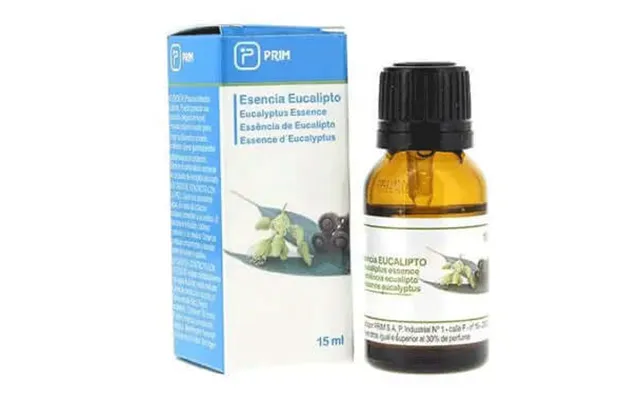
Not all humidifiers are designed for essential oils. Ultrasonic units, in particular, can be damaged by oils if they’re not meant to handle them. If you enjoy adding scent, buy manufacturer-approved aroma trays or pads that sit in a separate compartment so oils aren’t introduced directly into the water chamber. These accessories are cheap, simple to replace, and give a pleasant aroma without risking mineral build-up in the atomizing elements.
Prefer not to use oils? Scented pads and fragrance pads offer a low-risk option. They clip into the humidifier’s airflow path and can be swapped whenever you want a fresh scent. There are also water-soluble fragrance drops made for humidifiers, which disperse with the mist without leaving oil residue — just make sure they’re compatible with your device.
Want precise control over your indoor humidity? A standalone digital hygrometer gives real-time readings in percentage humidity. Place it in the room you’re humidifying and aim for the ideal range: typically 30% to 50% relative humidity for comfort and health. Some hygrometers include temperature readings in Fahrenheit and data logging to track trends over days or weeks, which helps you adjust settings seasonally.
Combine a smart plug with a humidifier and you’ve got remote scheduling, automation, and energy savings. More advanced humidity controllers can switch the unit on or off based on hygrometer readings, keeping humidity within your target range automatically. These setups are particularly handy in bedrooms or nurseries where consistent humidity matters overnight.
Anti-bacterial additives help reduce microbial growth in the water tank, but they’re not a substitute for cleaning. Think of additives as a short-term guard — useful when you can’t clean as often, or when storing the unit between seasons. Use them sparingly and follow the manufacturer’s dosing instructions. Overuse can leave residues or interact poorly with certain plastics.
Some humidifiers offer optional UV-C light modules that claim to neutralize bacteria and viruses in water before it’s vaporized. While UV-C can reduce microbial load, these modules add cost and sometimes reduce energy efficiency. Also, they’re most effective when combined with regular maintenance. If you’re particularly concerned about airborne microbes, consider a model with built-in UV-C validated by independent tests.
Not every accessory fits every humidifier. Before buying replacement parts, check model numbers, thread sizes, and connection types. Many vendors list compatibility charts, and universal accessories often include adaptors to bridge small differences. When in doubt, measure the connector diameter in inches or the tank opening width and compare before ordering. A small adapter can prevent leaks and uneven mist flow.
If you travel with a humidifier or use one in an RV, look for travel-friendly adapters that let you attach to smaller tanks or different power sources. Compact reservoirs that hold a few cups of water are ideal for hotel rooms, while DC-compatible humidifiers can plug into vehicle power systems. These accessories help maintain comfort when you’re on the move without lugging a bulky appliance.
Filter lifespan depends on water quality and usage. In general, plan to replace wick filters every 1 to 3 months, demineralization cartridges monthly in hard-water areas, and aroma pads as needed — usually every 2 to 4 weeks. Keeping a calendar reminder can prevent neglected replacements that reduce efficiency. Buying multi-packs of filters can lower the per-unit cost, but check expiration dates and storage instructions.
Consumable accessories are a recurring expense. A year’s worth of filters, cartridges, and pads can add up, but compare that with the cost of a premature replacement humidifier. It’s often cheaper to maintain than to replace. Factor in the cost of cleaning solutions and descalers, and consider water quality improvements like a small demineralization pitcher if your tap water is very hard — it can reduce the frequency of cartridge changes.
Ultrasonic humidifiers perform best with demineralization cartridges, soft cleaning brushes, and manufacturer-approved aroma trays if oils are desired. Because these units produce a fine mist, any mineral content in the water can lead to white dust; an inline mineral filter or using distilled water helps. For bedrooms, a quiet fan-compatible nozzle and a small digital hygrometer make great pairings.
Evaporative models benefit from fresh wick filters, a spare fan or air-diffusing grate, and weekly cleaning kits to prevent mold in the water reservoir. Since these humidifiers rely on airflow, replacing clogged filters restores performance dramatically. If you live in a dusty environment, consider pre-filters that catch larger particles before they reach the wick.
Ask yourself how often you’ll use the humidifier and in what spaces. A nursery needs low-noise operation and reliable filter performance, while a living room console might favor large tank capacity and easy maintenance. If you travel frequently, portable tanks and quick-change filters will save time. Align accessory choices with real-world use to get the best value.
Always confirm compatibility and read user reviews before purchase. Reviews can reveal practical details like how long a cartridge truly lasts in busy homes. Also check whether an accessory affects your humidifier’s warranty — some manufacturers require approved parts to keep coverage valid. Small upfront research avoids frustration later.
Humidifier accessories are the unsung heroes of comfortable, healthy indoor air. From replacement filters and demineralization cartridges to cleaning kits, nozzles, and smart hygrometers, the right add-ons dramatically improve performance, reduce maintenance, and extend your unit’s life. Consider your room size, water quality, and daily routine when choosing accessories, and don’t skimp on cleaning tools — prevention saves money. With a thoughtful mix of parts and a simple maintenance plan, your humidifier will be a quiet, efficient helper all year round.