

Laundry Appliance Accessories - Other price list
Last updated Tuesday, 20 Oct 2026



View 5 Offers
Loading...
Last updated Tuesday, 20 Oct 2026
Think of your laundry room as a miniature factory: the core machines—your washer and dryer—do the heavy lifting, but it’s the accessories that keep the production line running smoothly. From hose filters that stop grit from wrecking a pump to anti-vibration pads that hush a noisy spin cycle, “other” laundry appliance accessories are often the unsung heroes. They cost a little but can prevent a lot of hassle, cut energy waste, and extend the life of appliances.
Choosing accessories is less about brand loyalty and more about compatibility and purpose. Ask yourself: What problem am I solving? Is the machine unstable? Do you live in a hard-water area? Are you short on space? Measure in inches, double-check the model number, and prioritize accessories that match the appliance footprint. A 27-inch dryer needs different stacking hardware than a compact 24-inch model, for example.
Take a tape measure and note the height, width, and depth of your appliances in inches, and record any clearance behind for hoses—6–12 inches is often needed for venting and connections. If you’re planning a pedestal or stacking kit, ensure the total height fits under shelves or doorways.
Water inlet hoses and drain hoses are lifelines. A clogged or kinked hose can cause leaks and machine stress. Replace old rubber hoses with reinforced braided stainless models that resist kinks and can last years. Many hoses are sold in 6-foot or 8-foot lengths; choose one that lets you position the washer without stretching. Add inline filters to trap sediment—especially helpful if your home uses well water or older municipal lines.
Replace rubber hoses every 3–5 years or immediately if you spot bulging, cracking, or leaks. Look for filters with mesh sizes that trap sand and rust but don’t restrict flow; a 100–200 micron mesh works well. Quick-disconnect fittings make maintenance painless, so you’re not wrestling under the unit for every clean-up.
Does your washing machine feel like a drum kit during spin cycles? Anti-vibration pads are inexpensive foam or rubber cushions that sit under each machine foot to absorb shocks. For heavier machines or uneven floors, consider bolted isolation feet or adjustable metal leveling feet with rubber bases. These can reduce movement by 50 percent or more, protecting tile, hardwood, and the machine itself.
Start by leveling the machine in inches—use a small carpenter’s level on top of the drum roof. Place pads under each foot and run a test spin with a heavy load to see if additional shimming or tightening helps. If the unit still walks, a combination of pads plus a rear anti-walk bracket works well for restless machines.
If space is tight, stacking kits let you place a dryer atop a washer safely. Kits lock and anchor the dryer, preventing slippage during agitation. Pedestals with drawer storage raise appliances to a comfortable height—great if bending leads to back strain. Pedestal height often ranges from 12 to 15 inches, so measure laundry room doorways and closet openings before committing.
Always use a kit designed for your appliance models; universal kits exist, but model-specific kits ensure correct alignment for vents and controls. Bolts and brackets should be torqued to manufacturer recommendations—hand-tight is rarely enough. If in doubt, an installation from a certified technician can be a one-time cost that guarantees proper alignment.
A well-installed dryer vent is both efficient and safer. Replace old plastic foil ducts with semi-rigid metal or rigid metal ducting. Metal ducts resist crushing and reduce lint buildup. Attach an external vent hood with a wide, spring-loaded flap to keep cold drafts and pests out. For extra protection, add an inline lint trap that catches lint before it reaches the external vent—easy to clean and a real life-saver in long vent runs.
Each 90-degree bend in a vent reduces airflow. Try to keep vent runs under 15 feet for best performance—count each 90-degree elbow as 5 feet of duct. If your configuration requires longer ducting, upgrade to a more powerful vent booster fan to keep drying times short and energy bills down.
Using the correct detergent amount matters more than you think. Too much soap leads to residue, longer rinse cycles, and extra wear. Automatic detergent dispensers or smart dosing caps deliver the right dose every wash, based on load size or soil level. Some dispensers are designed to hold both liquid detergent and fabric softener and can be set to release at the optimal time in the cycle.
Measured dosing saves detergent by up to half over time and keeps your washer’s pump from getting clogged with concentrated soap. If you use pods, look for a storage dispenser that keeps them dry and accessible; humidity and heat can cause pods to stick together, especially in small laundry closets.
Pill-removal fabric shavers restore sweaters and knits, while lint rollers are a fast fix for pet hair and lint. For delicates, use mesh laundry bags that protect bras, sequined items, and thin straps from getting tangled or stretched. Mesh bags come in sizes from 8 x 10 inches to garment-sized bags over 36 x 48 inches—choose based on your laundry habits.
Pop lingerie and delicate tops into a mesh bag zipped closed. This reduces friction and snagging and prevents hooks from catching in the drum. For sweaters, opt for a cold-water, gentle cycle and a bag to reduce pilling and stretching.
Replace disposable dryer sheets with wool dryer balls or silicone alternatives. Wool balls separate garments as they tumble, improving airflow and reducing drying time—often by 10–25 percent. Add a few drops of essential oil to wool balls for a natural scent without the chemicals found in many sheets.
For a full-sized dryer, three to six wool balls usually do the trick. For compact machines, two or three are enough. Replace balls if they become compacted or misshapen—wool balls can last for hundreds of loads if cared for properly.
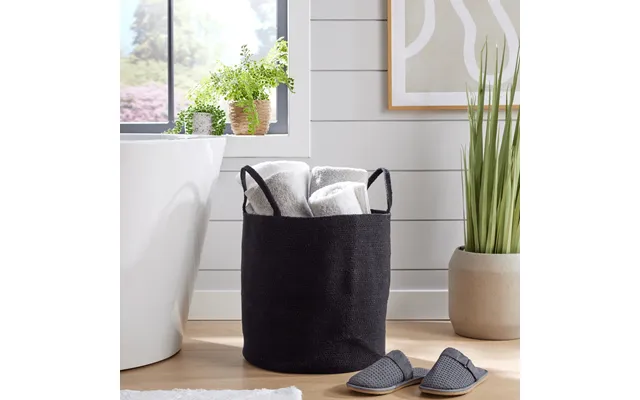
Keeping small accessories organized saves time. Collapsible laundry baskets free up floor space when not in use. Consider baskets listed by capacity in gallons or cubic feet—an average laundry basket might hold 3–4 cubic feet or around 20–25 gallons of clothes. Magnetic baskets and caddies stick to the side of metal washers and dryers, giving you immediate access to stain sticks, pods, or dryer sheets.
Create zones: sorting, washing, drying, folding, and storage. Keep stain treatments near the washer, hangers by the dryer, and a folding surface at waist height—typically 34–36 inches works well for most people. Use labeled bins for colors and delicates to streamline loads and reduce decision fatigue.
Smart plugs and energy monitors track how much electricity your washer and dryer use, allowing you to identify energy-hungry cycles. Smart vibration sensors can alert you if a machine is off-balance mid-cycle. Some accessories even pair with home assistants to remind you to move clothes to the dryer—handy if you’re often away from home.
Before buying Wi‑Fi-enabled accessories, verify compatibility with your appliances and your home network. Ensure any cloud-connected device follows secure update practices; you don’t want a lint trap telling more than it should. If privacy concerns you, non-connected energy monitors or mechanical timers do the job without network exposure.
Budget accessories—like basic lint rollers and foam anti-vibration pads—offer immediate benefits and are easy to replace. Premium items, such as reinforced stainless hoses, model-specific stacking kits, and high-quality pedestals with drawers, are worth the extra spend if you plan to stay in the same home and want long-term reliability. Think of cheap items like duct tape—useful now, but a proper repair lasts longer.
Comparison sites and deal aggregators can save hours of browsing; they let you compare prices, check compatibility, and read curated reviews. Look for seasonal sales—spring cleaning and Black Friday often deliver discounts on laundry room upgrades. But remember: the lowest price isn’t always the best choice if it sacrifices compatibility or longevity.
Small habits make machines last. Clean dryer lint screens every cycle, wipe down washers to prevent mold, and run an empty hot-water wash with a machine cleaner monthly. Check hoses and vents annually; a small investment in time and parts prevents major repairs later. Think of maintenance like oil changes for a car—routine attention keeps things running smoothly.
Spring and fall are great times for longer checks: ensure vent runs don’t exceed recommended lengths (under 15 feet where possible), clear 6–12 inches behind machines for airflow and hose bends, and verify pedestal heights still fit under shelves after any remodels. These quick checks keep your laundry room efficient and safe.
Always cross-check accessory compatibility with model numbers and the appliance manual. Read user reviews for real-world durability—look for comments about installation difficulty, noise reduction, and longevity. Consider energy-saving accessories if you’re trying to cut bills; small reductions in drying time add up over a year.
Other laundry appliance accessories might sound trivial, but they transform laundry from a chore into a streamlined routine. Whether you want to quiet a vibrating washer, stop lint buildup in a long vent run, or reclaim closet space with stacking kits and pedestals, the right accessories save time, money, and headaches. Measure in inches, prioritize compatibility, and weigh budget against longevity. A few smart purchases and a little maintenance will keep your laundry room running like a well-oiled machine.