All categories
Business & Offices
Electronics & Media
Fashion & Accessories
Groceries & Essentials
Health & Personal Care
Home & Living
Kids & Family
Sports & Outdoors
Search in ZoneOffer

Loading...
If you’re tired of looking at dull, grimy carpet and wondering whether a heavy-duty clean will ever bring it back to life, a carpet shampooer is the answer. Think of it as a deep facial for your floors — it lifts embedded dirt, refreshes fibers, and can extend the life of rugs and carpets by years. Compared to vacuuming, shampooers work at the fiber level using brushes, water, and cleaning agents to dissolve and extract soils. They’re great for pet owners, households with high foot traffic, and anyone who wants their home to smell and look fresh without calling in professional services every few months.
At the heart of every carpet shampooer is a simple but effective process: agitation, cleaning solution, and extraction. Bristles scrub the carpet while a detergent solution loosens soil; then suction pulls the dirty water back into a recovery tank. This hot water extraction or shampoo method removes what vacuuming leaves behind — oils, ground-in dirt, and stubborn stains. The result is cleaner carpet and less lingering odor. It’s a little like giving your carpet a bath — only you won’t need a tub.
Most machines combine rotating brushes or counter-rotating scrubbers, a fresh water tank measured in gallons, and a solution tank for detergent. Tank sizes can range from about 0.5 gallons (for compact spot cleaners) up to 1.5 gallons or more for larger upright machines, and knowing these numbers helps match the cleaner to your home size. Bigger tanks mean fewer refills, but they also add to the machine’s weight in pounds once full.
Hot water extraction (often called steam cleaning by some brands) uses heated water to loosen grime and then extracts it, while traditional shampooing applies foaming detergents that are brushed into carpets then rinsed. Hot water extraction tends to rinse residues better and shorten dry time, but both approaches work when used correctly. If you’re dealing with heavy soiling or pet urine, choose a machine capable of strong extraction and a heater that raises water temperature for superior results.
Not all carpet shampooers are built the same — they fall into three broad categories: portable spot cleaners, upright carpet shampooers, and commercial-grade units. Each has strengths and trade-offs depending on the size of your home, the type of carpet, and how often you’ll use it.
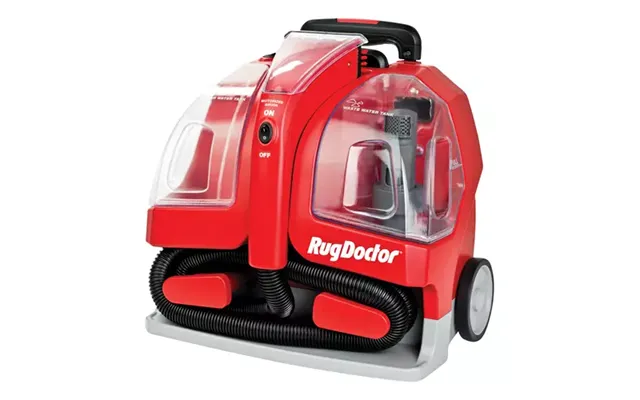
Compact and light, portable machines are perfect for quick cleanups and stairs. They often weigh between 8 and 15 pounds dry and have small tanks around 0.5 to 0.7 gallons, which is ideal for treating spills and pet spots without hauling out a full-sized unit. They’re your go-to for couch cushions, car interiors, and targeted stain removal.
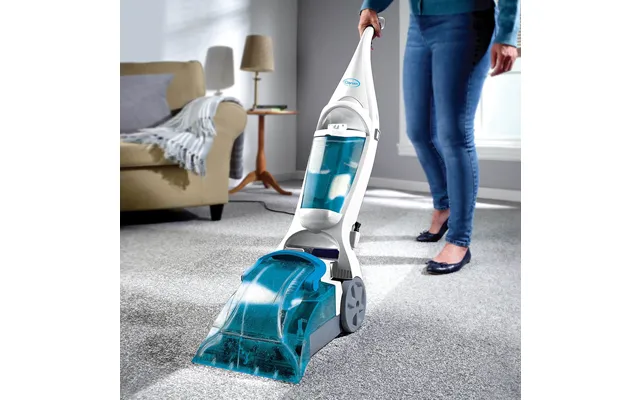
Upright shampooers cover more ground thanks to wider cleaning paths — look for head widths of 9 to 12 inches. Their tanks can hold 1 to 1.5 gallons of solution, and they pair strong agitation with solid suction. They’re better for whole-room cleaning, living room rugs, and areas with consistent foot traffic. Many models balance power with maneuverability, though they can weigh 20 to 30 pounds when loaded.
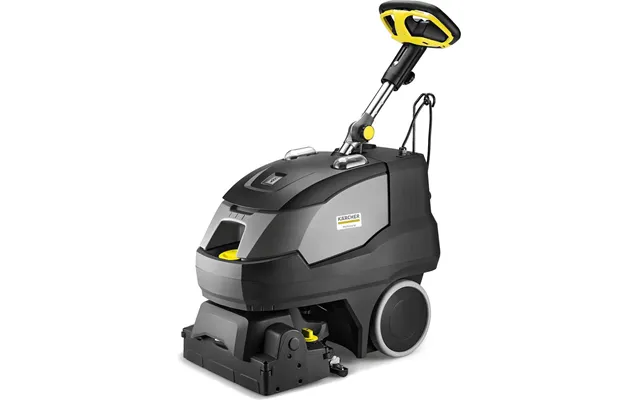
Built for durability and extended use, commercial units can clean large areas quickly and often include heated water systems and stronger pumps. These machines are heavier and pricier but deliver the deep clean a busy household or small rental property needs. If you frequently entertain or manage multiple rental units, the up-front investment pays off in performance and longevity.
When choosing a machine, brand reputation and model-specific features matter. Below are popular options that consistently earn solid reviews for performance, reliability, and value.
The Bissell ProHeat 2X Revolution is a strong choice for homeowners who want professional-level cleaning at a consumer price. It offers multiple cleaning modes, a decent tank size of roughly 1 gallon, and targeted tools for pet messes. Its brush system agitates and rinses well, helping to reduce dry time. For families with pets, the ProHeat’s specialized pet formulas and attachments can tackle stubborn hair and odors.
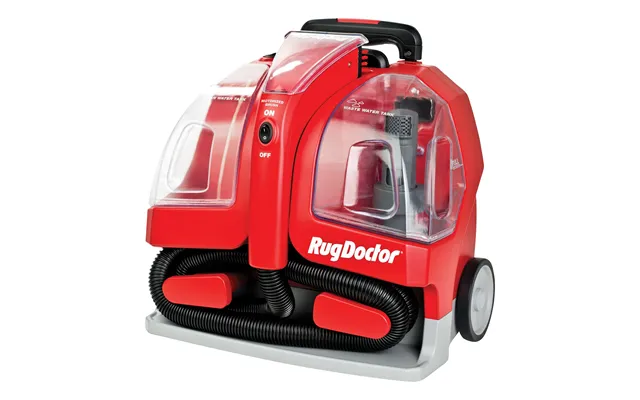
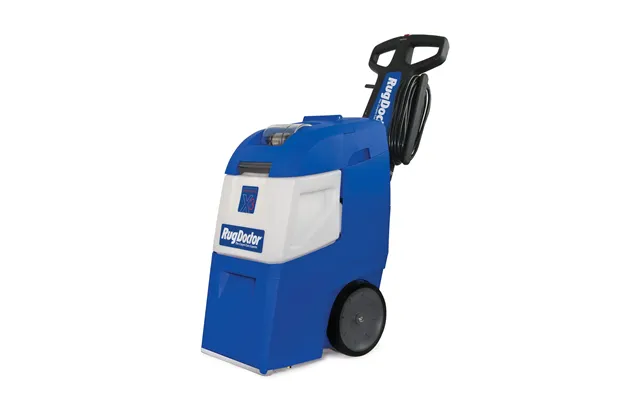
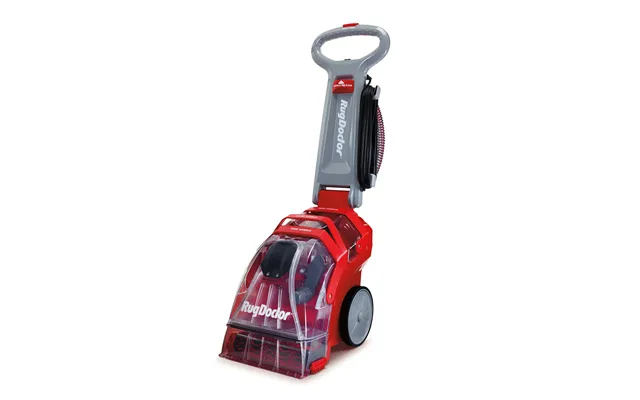
Rug Doctor machines are often rented for a reason — they’re built like small commercial machines and deliver deep extraction power. Rug Doctor models typically have wide cleaning heads and robust suction that pull out embedded dirt in fewer passes. These units are heavier and designed for periodic heavy-duty cleaning, making them ideal for annual deep cleans or tackling very dirty carpets.
The Hoover Power Scrub Elite blends affordability with performance. It’s lighter than many uprights while still offering rotating brushes and pneumatic wheels for gentle, even cleaning. The Power Scrub line is known for short dry times and easy maintenance, with removable tanks and washable brush rolls, which simplifies upkeep between sessions.
Vax models, popular in the UK market, bring strong suction and smart design in a compact footprint. The Platinum Power Max series often includes heated cleaning options and a range of tools for stairs and upholstery. Look for models with clear tanks so you can see the dirt being lifted — that visual reassurance is oddly satisfying and helps track when to empty the recovery tank.
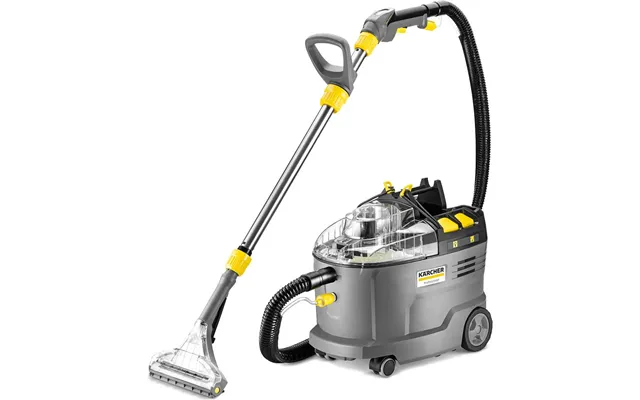
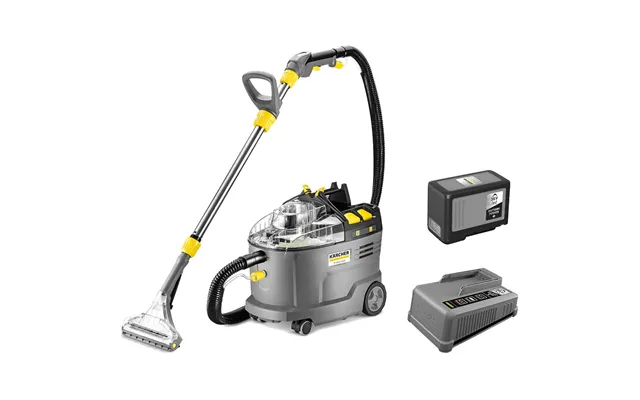
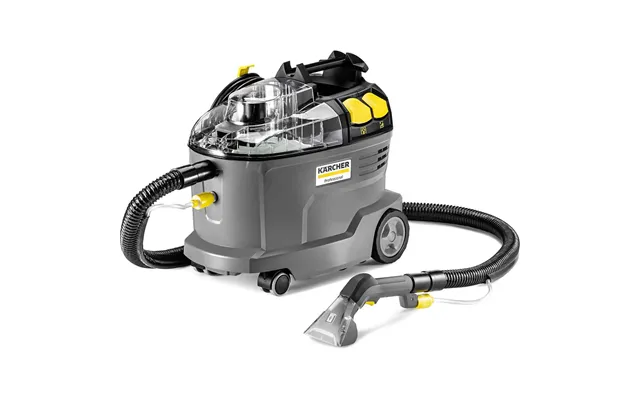
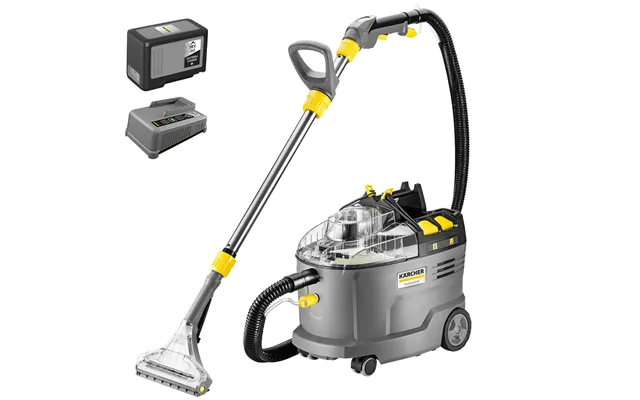
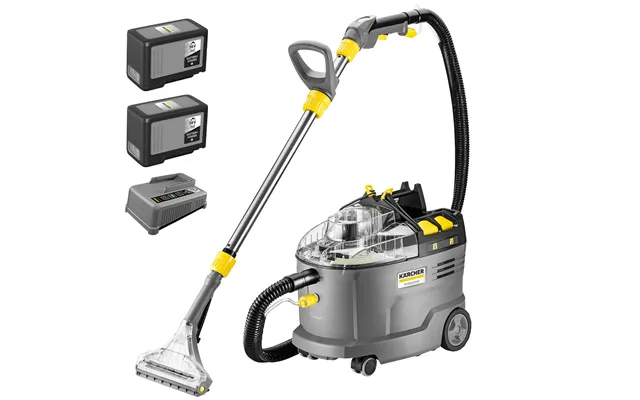
Kärcher’s Puzzi line is favored for light commercial and heavy domestic use. These machines focus on hot water extraction, supplying heated water to loosen soils before robust suction recovers it. They’re reliable, with durable parts and larger tanks that reduce downtime on bigger jobs. If you want near-pro results without hiring a service, a Puzzi-style unit is worth considering.
For quick spot cleaning and car interiors, Bissell’s Little Green is a compact favorite. It’s lightweight, easy to store, and effective on small stains. While not designed for full-room cleans, it’s indispensable for pet accidents, coffee spills, or mud tracked in after a rainy day. Its tanks are small — expect under a half gallon — but that’s perfect for what it’s meant to do.
To pick the right machine, pay attention to certain features that will influence performance and convenience. These specs are practical — they determine how often you refill, how easy the device is to push, and how thoroughly it extracts moisture.
Tank size is one of the most practical specs. Bigger homes benefit from a fresh water tank of 1 to 1.5 gallons so you refill less often; recovery tanks should be similarly sized to avoid overflow. For quick cleanups, a 0.5-gallon machine saves storage space. Remember: a full tank adds pounds, so factor in how much you’re willing to lift when moving between rooms or up stairs.
Brush width determines how fast you’ll cover a room; look for 9 to 12 inches for efficient passes. Dual rotating brushes or counter-rotating systems usually perform better because they scrub in opposing directions, capturing more dirt. Some models include gentler brushes for delicate area rugs to avoid fiber damage.
Heat boosts cleaning efficiency by loosening grease and oils in the pile. Machines with heaters or hot water systems often shorten drying times because they dissolve residues more effectively. Aim for a model with strong suction and good airflow to minimize wetness after cleaning — typical dry times range from 2 to 8 hours depending on ventilation and carpet thickness.
Machine weight matters for storage and transport. Uprights may weigh 20 to 30 pounds dry, and that can increase by 5 to 10 pounds when tanks are full. Portable cleaners may be under 15 pounds. Consider wheels, handle design, and pivot heads that reduce wrist strain while cleaning stairs or around furniture.
Look for useful accessories like hand tools, stair tools, and upholstery nozzles. Crevice tools help get into tight spaces while specialized pet nozzles often include rubberized picks to loosen hair. The right tool can make the difference between a passable clean and a truly refreshed carpet.
A little maintenance goes a long way toward keeping performance high. Treat your machine like a small appliance: empty tanks after each use, rinse filters, and clean brush rolls to prevent odors and clogs.
Never leave dirty water sitting; it can sour and damage seals. After cleaning, dump the recovery tank and rinse it with fresh water until clear. Wipe down the fresh water tank to remove detergent film and prevent buildup. This simple routine prevents smells and maintains suction over time.
If you live where water has high mineral content, descale the machine periodically using a vinegar rinse or a manufacturer-recommended solution. Inspect hoses and connections for blockages and kinks that reduce suction. Replace worn seals and gaskets — they’re inexpensive and avoid costly performance drops.
Remove hair, string, and fibers from the brush roll after every few uses. Many models have a quick-release brush for easy cleaning; use it. A clogged brush reduces agitation and forces the motor to work harder, shortening the machine’s lifespan.
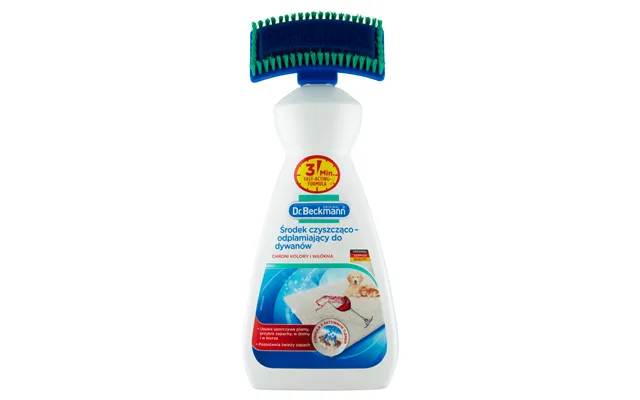
The right detergent makes cleaning easier and helps prevent residues that attract dirt. Use manufacturer-approved solutions for best results, but you can also make effective DIY cleaners for light jobs.
Commercial carpet formulas are balanced for foam control and rinsability. If you mix your own, keep it simple: a gentle dishwashing liquid and water can handle fresh stains, while a mix of white vinegar and water helps neutralize odors. Avoid using too much soap — excess suds leave sticky residue that re-attracts soil.
For a gentle cleaner, mix 1 cup of warm water with 1 tablespoon of mild dish soap and 1 tablespoon of white vinegar. Pour the mixture into the solution tank and spot-test an inconspicuous area first. Use sparingly — you don’t want to over-wet the carpet. This mix is ideal for small stains and maintenance cleaning.
People often confuse shampooers and steam cleaners. Steam cleaners use high-temperature steam to sanitize surfaces, while carpet shampooers focus on detergent-assisted agitation and extraction. Steam cleaners can be excellent for hard floors and light fabric refreshes, but for deep carpet soil and pet odors, a shampooer with strong extraction is usually the better tool.
Use a carpet shampooer for deep cleaning carpets, area rugs, and upholstery that needs soil removal. Choose a steam cleaner for sanitizing sealed hard floors, grout, and surfaces where moisture-sensitive materials aren’t present. If your home is a mix of carpet and hard floors, consider owning both or choosing a multi-function unit that handles both tasks efficiently.
Expect a range of prices depending on features and brand. Entry-level spot cleaners can start under $80, upright shampooers typically fall between $120 and $350, and rental or commercial-grade models can cost $400 or more. Think about frequency of use — if you clean monthly, investing in a mid-range upright pays off; for occasional spot cleanup, a compact portable will do the trick.
If you have pets and kids, prioritize powerful suction, pet tools, and a heater. For occasional use, pick lightweight models with easy storage. For landlords or frequent deep cleaning, a machine with larger tanks, heated extraction, and durable components is worth the extra money. Compare features carefully and read reviews focused on suction and long-term reliability.
Small habits make a big difference in cleaning outcomes and dry time. Pre-treat stains, work in sections, and use overlapping passes to avoid streaks. Open windows or use fans to speed drying — the goal is to remove as much moisture as possible during extraction.
Always blot fresh spills before shampooing and apply a targeted pre-treatment to set-in stains. Test any cleaner in a hidden corner for colorfastness. Work from the room’s farthest point toward the exit so you’re not walking over wet carpet.
Use shorter solution bursts and longer extraction passes. Go over the area multiple times with suction-only mode to pull out as much moisture as possible. Run a fan or dehumidifier in the room to bring drying time down to a couple of hours in well-ventilated spaces.
Choosing the right carpet shampooer depends on your home size, lifestyle, and frequency of use. Focus on suction power, tank capacity, brush type, and useful accessories. Whether you pick a compact spot cleaner or a robust upright, the right machine will make your carpets look fresher, smell cleaner, and last longer — and that’s a small investment for a big improvement in comfort and home value.
Carpet shampooers are practical tools that bring professional-level cleaning into your home at a fraction of the cost. By understanding machine types, key features, top models, and maintenance needs, you can pick a cleaner that fits your lifestyle and keeps carpets looking their best year-round. With the right technique and a bit of regular care, you’ll reduce stains, control odors, and enjoy softer, brighter carpets. Ready to give your floors a fresh start? Choose a model that matches your needs, and get scrubbing.

| £ 252,93 |
| Rug Doctor X3 Mighty Pro Carpet Cleaning Machine Step-on Deep Black Blue | £ 604,32 |