All categories
Business & Offices
Electronics & Media
Fashion & Accessories
Groceries & Essentials
Health & Personal Care
Home & Living
Kids & Family
Sports & Outdoors
Search in ZoneOffer

Loading...
Think of a garment steamer as a gentle cloud of hot water that smooths wrinkles instead of pressing them flat. It’s a time-saver, a fabric-saver, and for many, a game-changer in the laundry routine. If you love crisp shirts but hate the fuss of an iron and board, a steamer could be your new best friend. It works vertically, so you can steam a hanging jacket, dress, or curtain without wrestling with an ironing board. Sounds convenient, right?
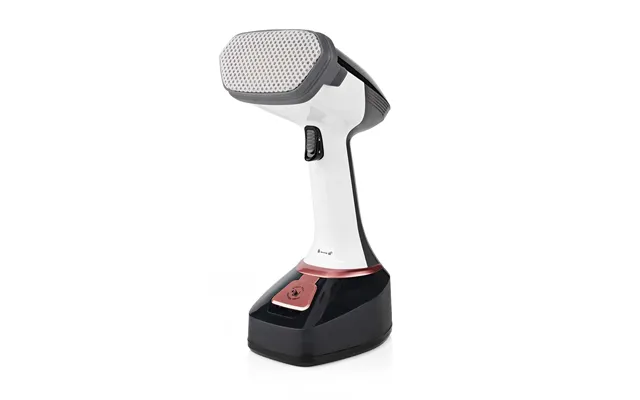
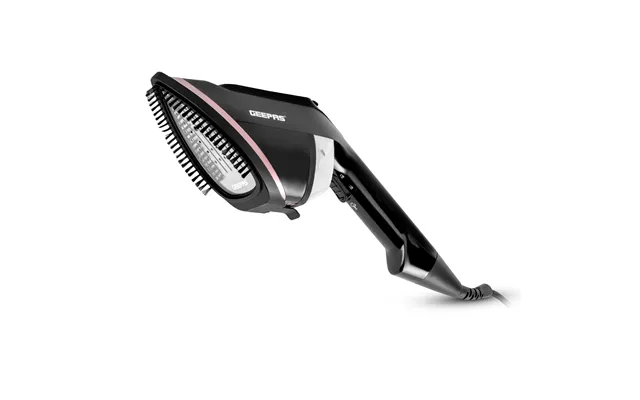
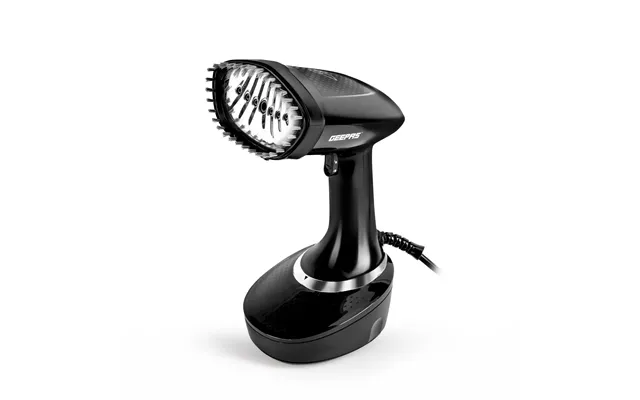
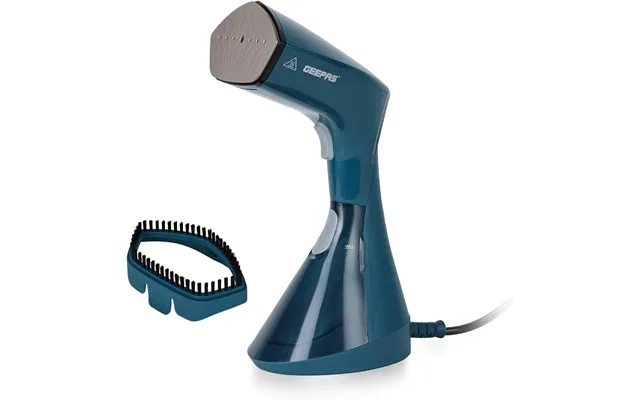
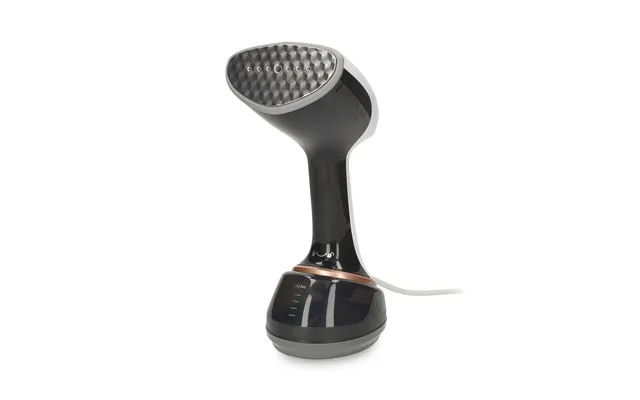
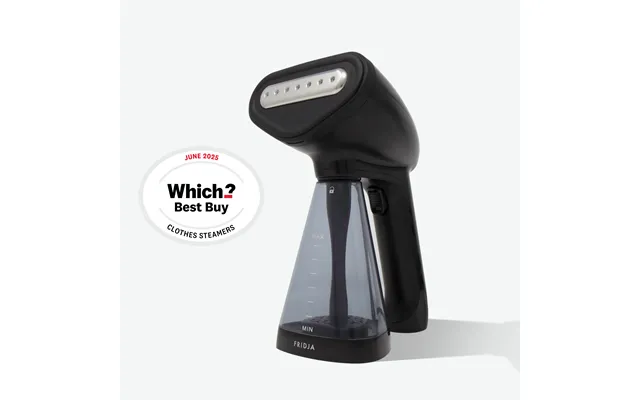
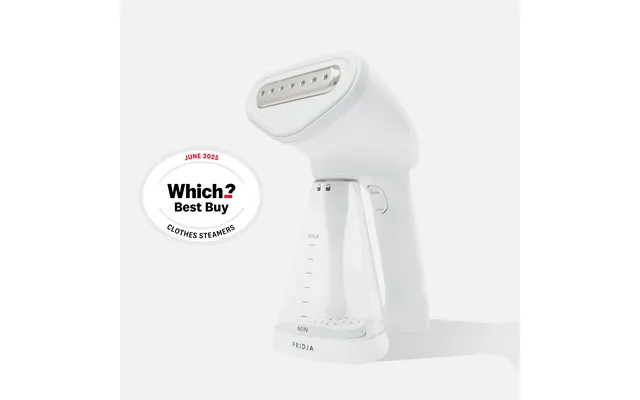
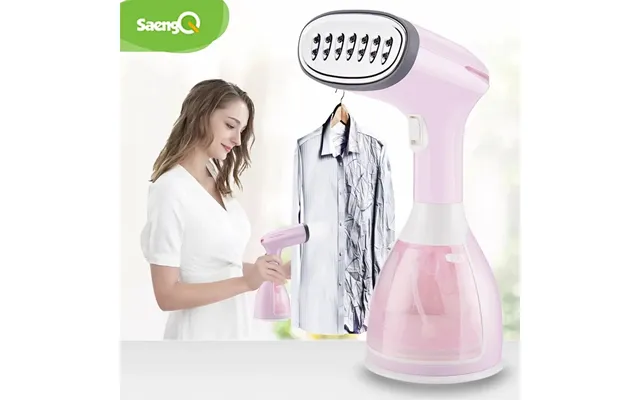
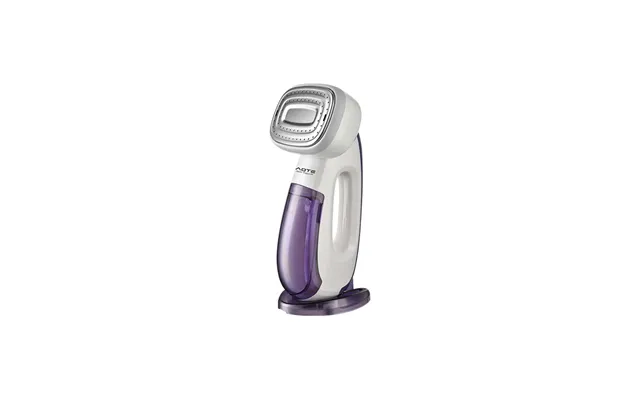
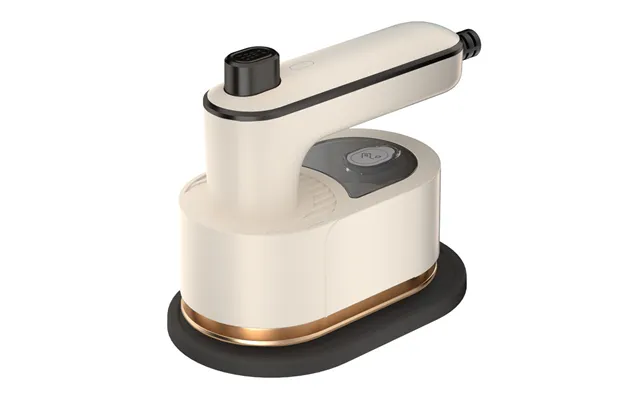
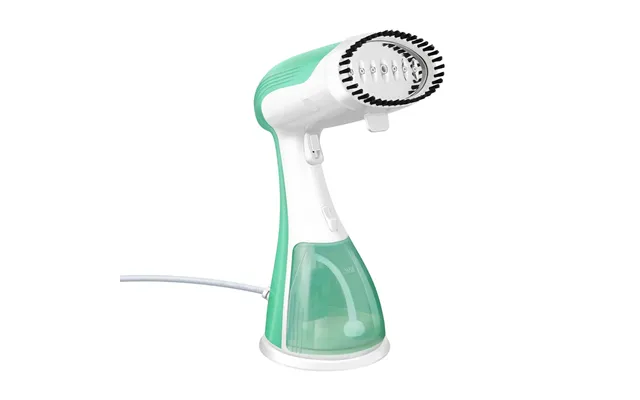
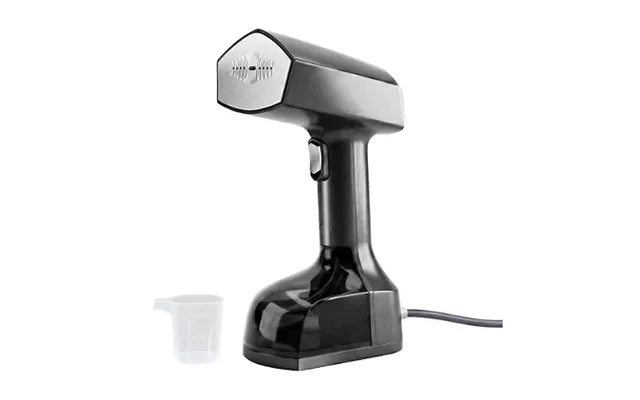
Handheld steamers are the pocket knives of the steaming world—compact, quick, and perfect for spot touch-ups. They typically weigh between 1 and 3 pounds and have small reservoirs holding a few fluid ounces, giving you several minutes of continuous steam. These are perfect for travel or for people who want to freshen up clothes fast without dedicating a corner to a bulky unit.
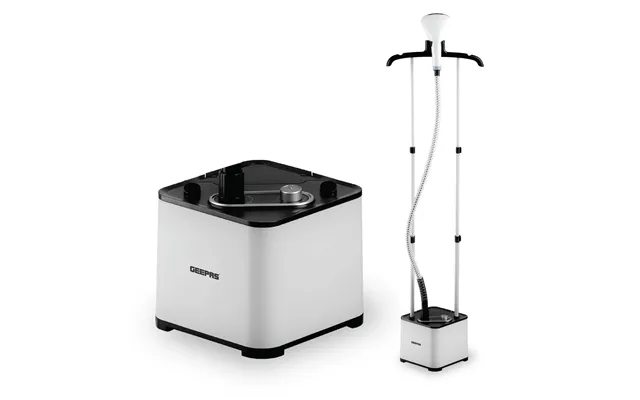
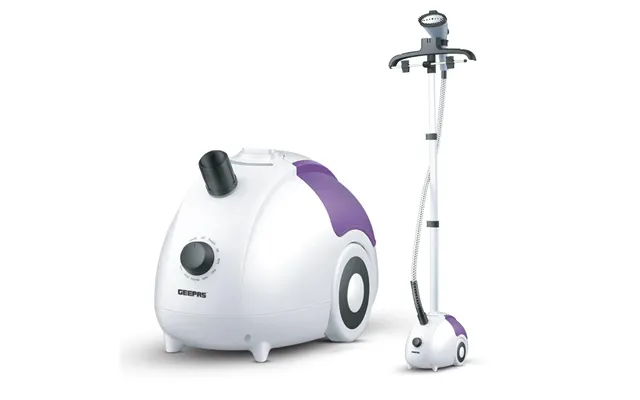
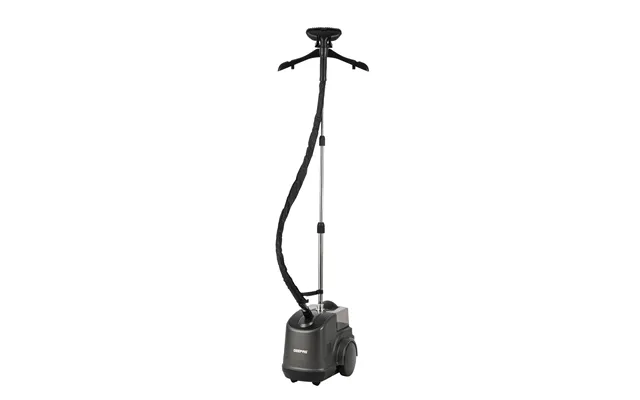
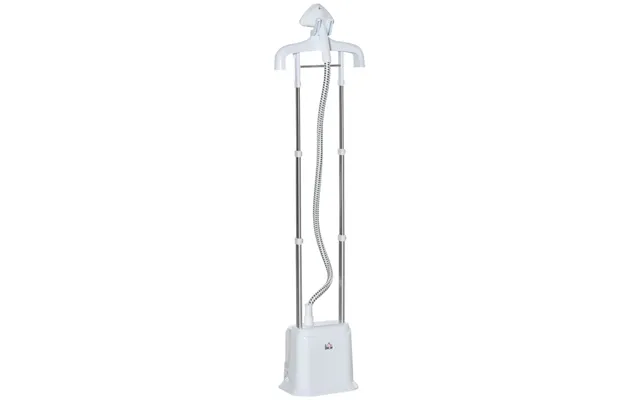
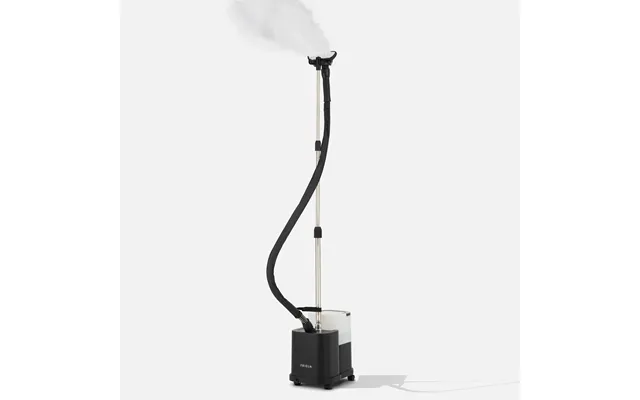
Standing steamers look like a mini appliance version of a coat rack: a base with a generous tank, a telescopic pole, and a steam head. These models often run for 45 to 90 minutes on a single fill and can handle several garments in one go. If you steam a lot of clothes, curtains, or upholstery, a standing steamer is like hiring a tiny wardrobe assistant at home.
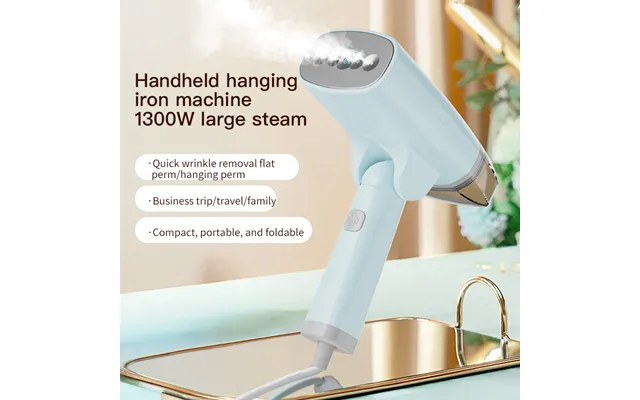
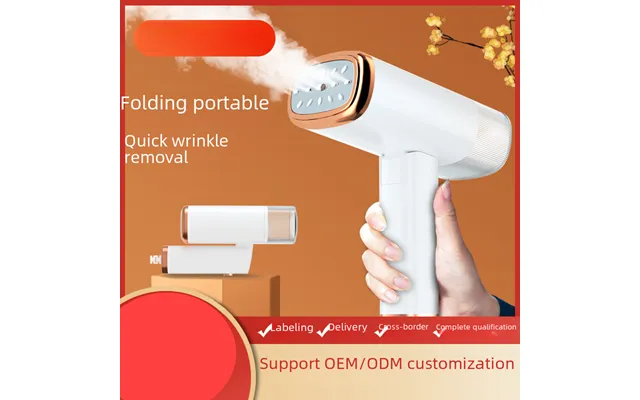
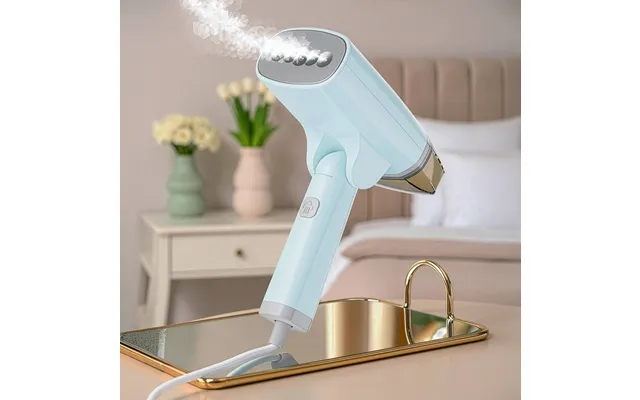
Travel steamers are a category of handhelds engineered to be ultra-compact and often foldable. They’re great when you’re on the road and can fit in rollaboards or carry-ons. Don’t expect marathon steam times, but they’re excellent for last-minute de-wrinkling before meetings or nights out.
These are the big, industrious cousins that restaurants, tailors, or fashion stylists use. They often have larger tanks—think multiple quarts—and deliver high, continuous steam output. If you run a small boutique or frequently prepare costumes and heavy fabrics, professional units are worth considering, but they do take up more space and cost more up front.
Tank size is the first thing you’ll notice. Small handhelds might hold 6 to 10 fluid ounces, giving you about 5 to 12 minutes of steam. Mid-range standing units often hold 48 to 80 fluid ounces, lasting 45 to 90 minutes. Bigger tanks mean fewer top-ups and more continuous work—handy if you steam curtains or many garments at once.
Nobody likes to wait, so check how quickly a steamer goes from cold to ready. Many handhelds heat up in 30 to 90 seconds, while standing models can be ready in as little as 60 seconds. Steam output—usually measured in grams per minute by manufacturers—translates to real-world power: higher output means quicker wrinkle removal, which is great when you’re in a hurry.
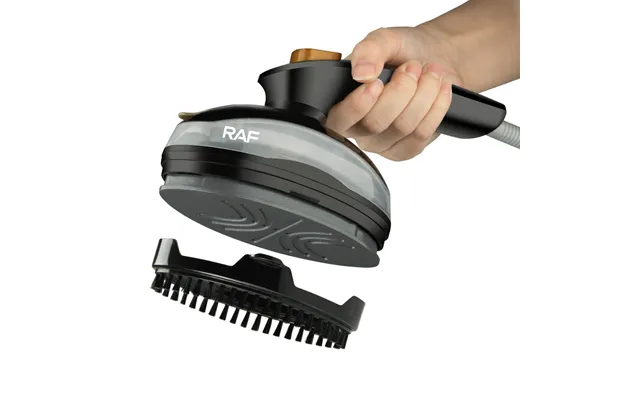
Brush heads, fabric pads, creaser attachments, and lint removers expand what a steamer can do. A soft-bristle brush helps with thicker fabrics and a creaser lets you form neat seams and shirt creases. If you want versatility, look for models with useful extras that feel like getting more tools in your kit.
Auto shut-off, anti-drip systems, and anti-calc features extend life and protect fabrics. Materials and build quality affect durability. Plastic housings keep weight down, while metal components often add robustness. Consider wheels or a stable base on standing models so it doesn’t wander while you work.
If you’re constantly packing a bag for work or pleasure, a lightweight travel steamer that fits in your luggage is essential. Look for small size, a reliable quick heat-up, and a design that won’t leak onto your clothes. Think of it as a suitcase secret weapon that keeps you looking sharp straight out of the hotel closet.
Home users tend to balance performance with space. A mid-size standing steamer is a great compromise: large enough to handle family laundry and curtains, yet compact enough to tuck in a closet. If space is tight, a robust handheld may suffice.
When every square foot counts, handheld units shine. Store one in a drawer or hang it in a utility closet. They’re low-profile and still do a superb job on most garments, especially if you don’t have heavy-duty steaming needs like bedding or drapery.
Tailors, stylists, and boutique owners need steady, long-run performance. Professional steamers with large water tanks and strong, continuous steam output deliver consistent results across a long day. Think of these like pro tools in a workshop—worth the investment if you need reliability and heavy capacity.
Which is better: the steamer or the iron? It depends. Steamers are gentler, faster for vertical jobs, and better on delicate fabrics like silk and chiffon. Irons win when you need sharp creases and a truly flat finish on dress shirts. Steamers also reduce the need for an ironing board, which frees up space. On the flip side, irons are unbeatable for heavy linens and when precision matters. Many people keep both: the steamer for everyday quick fixes and the iron for those crisp, formal looks.
Start with hanging the garment on a sturdy hanger, not a flimsy one that bends. Hold the steamer head a few inches from the fabric and move steadily downward. For thicker areas, you can press the steam head gently onto the fabric or use a brush attachment. Always steam in the direction of the fabric grain to avoid stretching.
Delicates love steam because it relaxes fibers instead of flattening them. For silk or beaded items, steam from the reverse side or use a fabric guard. Wool and cashmere respond well to steam—think of it as a mini spa session that freshens and reshapes. Avoid prolonged close contact on sequins or glued trims to prevent damage.
Empty the tank after use and let the unit cool before storing. If your model has an anti-calc filter, follow instructions on replacement. For hard water areas, use distilled water to avoid mineral buildup—this keeps steam output strong and extends life. Consider running a cleaning cycle with a 50/50 mixture of water and white vinegar if your unit supports it, then flush thoroughly with fresh water.
There’s a wide range of brands making reliable garment steamers, from travel-friendly handhelds to robust standing units. Trusted names include long-standing steamer makers and appliance brands known for quality. When browsing models, compare features like tank size, heat-up time, steam output, and included accessories. Read user reviews to get a sense of real-world durability and ease of use—sometimes the smallest detail, like the length of the power cord or how snugly the tank locks in, determines day-to-day satisfaction.
How much should you spend? Handheld travel models can be quite affordable, while professional standing steamers cost more but last longer and handle heavier use. Think in terms of value: a mid-range standing steamer that lasts several years and reduces dry-cleaning bills can pay for itself. Lifespan often depends on use and maintenance; well-cared-for steamers can run reliably for many seasons.
Want the best price? Comparison sites and deal aggregators list popular offers and price lists so you can see models side-by-side before buying. Those platforms pool retailer deals and show seasonal discounts, which helps you spot the right balance between features and cost without endless searching. Remember to compare warranty terms and included accessories too—sometimes a slightly pricier model with a better warranty is the smarter buy.
Steaming gets even better with the right extras. A good hanger or a sleeve board helps shape garments while you steam. A creaser attachment lets you make professional-looking pleats and cuffs, and lint removers pair well with steamers to finish garments cleanly. If you also iron, a compact ironing board or heat-resistant mat is handy. Think of accessories like seasoning in a recipe: they transform a good result into a great one.
One common error is holding the steamer too close—this risks water spotting or stretching. Another is neglecting maintenance; mineral buildup reduces steam performance. Finally, don’t steam items that explicitly say “dry clean only” without checking fabric composition—steam can relax stitches or loosen glued embellishments. A little caution prevents big headaches later.
Steamers often mean fewer trips to the dry cleaner and less energy used than heating a full iron and board. Quick steam sessions are perfect for refreshing clothes between wears, which reduces washing frequency and preserves fabrics. It’s a small eco-friendly habit that adds up—like choosing a reusable water bottle, but for your wardrobe.
Choosing a garment steamer comes down to matching the tool to your routine. If you value speed, space, and fabric care, a steamer will likely become indispensable. If you need razor-sharp creases or work with heavy linens daily, pair a steamer with a good iron. Take a moment to list what you steam most—shirts, suits, curtains, or upholstery—and use that checklist to pick features that matter: tank size, steam time, accessories, and portability.
Comparison sites show current popular offers and price lists for those ready to shop—use them to compare specs and snag seasonal deals. With the right unit, you’ll spend less time fighting wrinkles and more time enjoying outfits that look fresh and ready-to-go.
Conclusion: Whether you’re upgrading from an iron or buying your first steaming unit, the right garment steamer can simplify life, save time, and keep clothes looking their best. Choose a model that fits your habits, maintain it properly, and you’ll have a reliable wardrobe helper for years to come.
| Garment Steamers | Price | |
|---|---|---|
| 1960w Royal Green Handheld Fabric Garment Steamer | £ 21,66 | |
| 1500w Vertical Black Handheld Garment Steamer 400ml | £ 22,99 | |
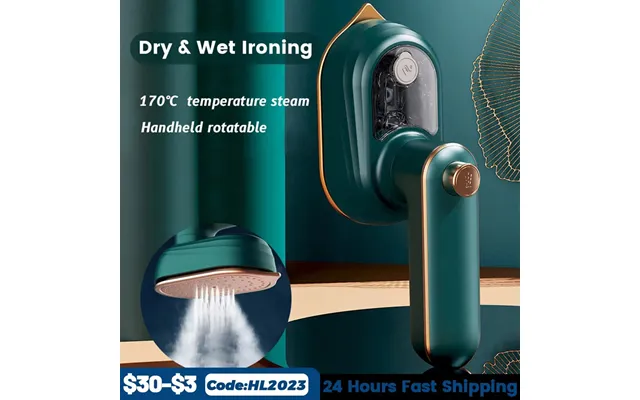
| 2-in-1 Handheld Wet And Dry Clothes Steamer 1950w | £ 29,99 | |
| Nedis Garment Steamer - Handheld Clothes Steamer With 320 Ml Tank | £ 35,27 | |
| 2000w Upright Vertical Garment Steamer With 11 Settings | £ 49,99 | |
| Upright 2000w Clothes Steamer With Integrated Hanger | £ 69,99 | |
| 2000w Upright Garment Steamer 46g Min Removes Creases & Wrinkles | £ 99,99 |