All categories
Business & Offices
Electronics & Media
Fashion & Accessories
Groceries & Essentials
Health & Personal Care
Home & Living
Kids & Family
Sports & Outdoors
Search in ZoneOffer
Loading...
If your garage is more than a place to park—maybe it's a workshop, storage area, or a hobby space—floor mats can make a huge difference. They protect concrete from oil stains, chemicals, and abrasion while adding comfort and traction underfoot. Think of a garage mat as a protective blanket for your floor that also makes the space feel finished and more usable. Plus, mats can cut down on dust and make clean-up faster, so weekend projects become less of a hassle.
Not all garage mats are created equal. The right style depends on your needs: heavy-duty protection, comfort for long standing sessions, or easy cleaning after a messy job. Below I’ll walk you through the most popular options so you can match features to your routine.
Rubber mats are a go-to for durability. They handle vehicle weight, resist oil and grease, and provide non-slip surfaces. Typical thickness ranges from 1/8 inch to 3/8 inch, with heavier-duty options closer to 1/2 inch or more for added cushioning. Sizes often come in strips 2 to 3 feet wide or large squares that cover 6 to 12 square feet each. If you want something that survives drops, tire traffic, and tools sliding across it, rubber is hard to beat.
PVC roll-out mats are lightweight and easy to unroll when you need them and roll up for storage. They’re usually sold in widths like 3 feet and lengths from 6 to 20 feet, so you can trim them to fit. They’re water-resistant and simple to clean with a hose or broom, but choose thicker options (around 1/8 to 1/4 inch) if you expect heavier vehicle traffic.
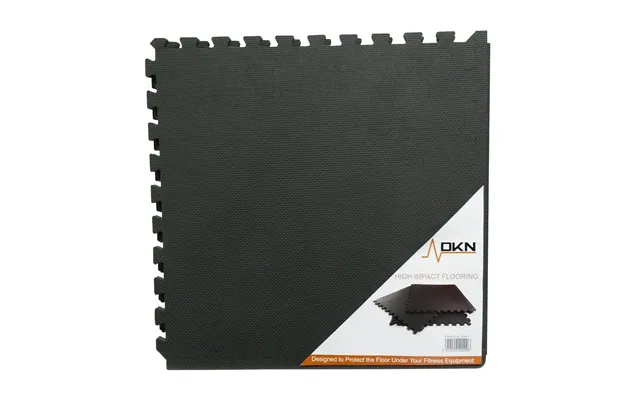
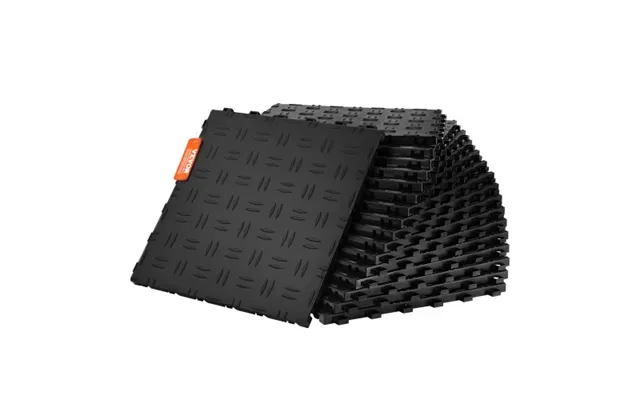
Interlocking tiles are popular because installation is basically snap-and-click—no glue or special tools. Tiles typically measure 12 x 12 inches or 24 x 24 inches, and they come in materials like PVC, polypropylene, or polymer blends. They’re easy to replace individually if damaged and offer a finished look similar to showroom floors. Some tiles lock tightly enough to handle car traffic without shifting, while others are better suited for foot traffic and workbenches.
If you’re mainly worried about oil and transmission fluid, drip mats and trays are designed for that exact purpose. Drip mats often have absorbent layers to trap small leaks, while shallow metal or polymer pans can sit under an engine or transmission during maintenance. These are measured in inches for depth—look for pans at least 1 to 2 inches deep and mats sized to cover the footprint of your vehicle’s prone spots.
Do you spend a lot of time standing at a bench? Anti-fatigue mats reduce strain on your legs and back by offering a cushioned surface. They’re commonly 3/8 to 3/4 inch thick and come in sizes like 2 x 3 feet or larger for workstations. While not intended for car parking, they’re clutch for anyone who treats their garage like a workshop.
When shopping, pay attention to material quality and useful features. Look for non-slip textures, beveled edges to prevent tripping, UV resistance if your garage gets sunlight, and sealed surfaces for chemical resistance. If you anticipate heavy vehicles, pick thick, reinforced materials. For temperature extremes, some plastics get brittle in cold, while high-quality rubbers maintain flexibility down to sub-freezing temps. And if you want a polished look, tiles with a diamond plate finish or interlocking tiles in contrasting colors can give a showroom-style appearance.
Measuring correctly saves time and money. Start by measuring the length and width of your garage in feet and inches. Typical single-car garages are about 10 to 12 feet wide and 18 to 20 feet deep, while two-car garages commonly measure 20 to 24 feet wide and 20 to 22 feet deep. Decide whether you want full coverage or just protected zones: a parking strip about 6 to 8 feet wide per car or a full-floor solution. Multiply length by width to get square feet—this makes it easy to match mats or tile packs to your space.
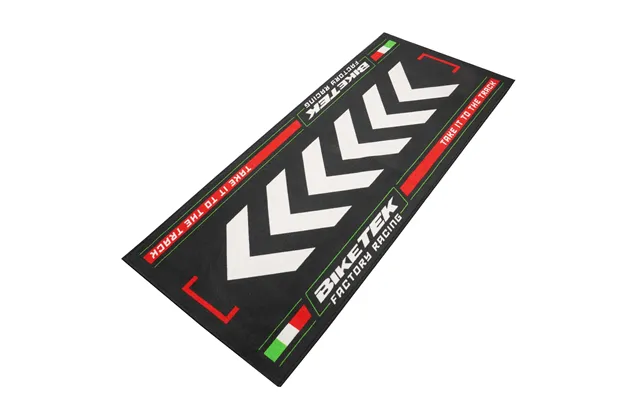
Most mats and tiles are DIY-friendly. Roll-out mats and snap-together tiles require little more than a tape measure and a utility knife. Rubber roll strips can be laid down and sometimes secured with adhesive or double-sided tape. For epoxy or permanent coatings, hire a pro—these jobs involve surface prep, curing times measured in days, and temperature-sensitive application. If you’re renting or want to avoid permanent changes, choose removable tiles or mats that roll up.

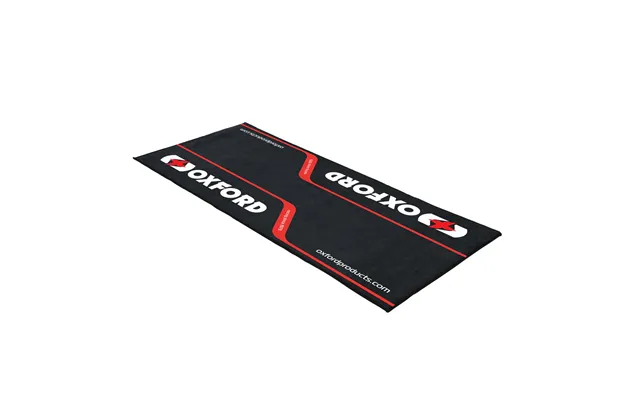
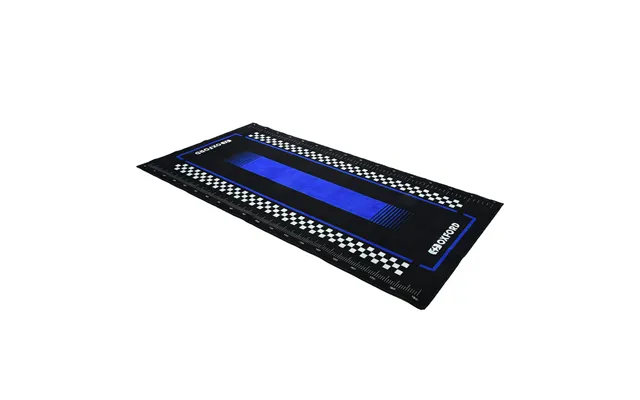
Maintenance depends on material. Rubber and PVC clean up easily with a hose and mild detergent; use a stiff broom for embedded grit. For interlocking tiles, lift troublesome sections to clean underneath. For oil stains, a degreaser followed by pressure washing works wonders. Avoid harsh solvents on certain plastics, and store roll-out mats rolled (not folded) if you need to tuck them away. With regular cleaning and proper installation, a good garage mat system can last 5, 10, or even 20 years.
Prices vary widely based on material, size, and brand. Here’s a practical price guide so you know what to expect before browsing deals. Entry-level PVC runner mats or small anti-fatigue mats can start around $20 to $40 for a 2 x 3 foot area. Larger roll-out mats sized for a single car (about 6 x 18 feet) generally fall in the $80 to $200 range. Interlocking tile systems for a two-car garage (roughly 400 square feet) can run from $500 for basic tiles to $2,000 or more for premium, heavy-duty tiles. Rubber mats and thicker heavy-duty options tend to be pricier per square foot but last longer under vehicle weight. Custom-cut roll-out systems or professionally installed coatings like epoxy often cost $1,000 to $4,000 depending on prep work and surface condition.
Garage mats aren’t just for cars. Use them under tool benches, fitness equipment, pet areas, or kids’ play zones to protect floors and define functional spaces. Foam tiles make a comfortable play area, while interlocking heavy-duty tiles can handle a treadmill or weight bench. Mats also make excellent staging areas for hobbyists who build, paint, or tinker, keeping debris contained and making cleanup simple.
Some brands emphasize heavy-duty durability, while others target comfort and style. Brands known for rugged rubber and truck-grade protection often market mats that are thicker and more resistant to chemicals. Tile manufacturers focus on easy installation and aesthetics, offering multiple colors and finishes that resemble showroom floors. When comparing brands, check warranties—some top-tier manufacturers back tiles for 10 years or more, whereas economy options may have no warranty at all. Always read reviews that describe real-life wear from vehicles and tools.
Concerned about sustainability? There are recycled rubber mats made from reclaimed tires or recycled polymer tiles that reduce landfill waste. These choices often offer the same durability as virgin materials but with a lower environmental footprint. If you’re concerned about VOCs from new plastics, look for low-VOC certifications or products labeled safe for enclosed spaces. Recycled rubber also tends to offer better resistance to oil and chemicals compared with some low-cost plastics.
To pick a great deal, balance price against expected lifespan and functionality. A cheap mat that wears out in a year isn’t a bargain. Compare per-square-foot cost, thickness, and warranty. Look for seasonal sales during spring cleaning or around holiday weekends when retailers and comparison sites often list popular offers. Don’t forget to factor in shipping and any cutting or trimming you’ll need to make a mat fit exactly.
Before you click “buy,” run through this quick checklist: measure your space in feet and inches; decide full coverage or parking strips; choose material based on vehicle weight and chemical exposure; confirm thickness in inches for support; check return and warranty terms; and read user reviews that mention durability and installation challenges. Having this checklist prevents surprises and ensures the mat you pick fits both your garage and your lifestyle.
Avoid these rookie errors: buying a mat based only on looks, underestimating vehicle weight, ignoring beveled edges (which reduce trip hazards), and neglecting to measure for door swings or cabinet spaces. Also, avoid placing tiles over oil-soaked concrete without cleaning and neutralizing first—adhesives and interlocks can fail on oily surfaces. Taking a little prep time saves time and expense later.
If your garage floor has cracks, severe unevenness, or oil-saturated areas, professional prep may be worth the investment—especially if you plan to install epoxy or permanent coatings. Pros can grind and repair concrete, apply primers, and ensure a smooth, long-lasting finish. For most roll-out mats and interlocking tiles, however, DIY installation is straightforward and budget-friendly.
Not sure what fits your routine? If you primarily park daily and want protection: choose thick rubber mats or heavy-duty tiles and plan for coverage of about 8 x 18 feet per car. If you run a workshop: combine anti-fatigue mats at workstations with interlocking tiles under heavy tools. If you need temporary protection for storage or seasonal work, roll-out PVC mats in 3-foot widths give flexible coverage and easy removal.
To extend lifespan, clean spills quickly, rotate tiles or mats in high-wear zones if possible, and avoid dragging sharp objects across surfaces. Keep a small repair kit handy for interlocking tiles and know the expected lifespan so you can budget for replacement before failure. With a little care, your garage mat investment will pay back in preserved concrete, fewer cleanup headaches, and a safer, more comfortable workspace.
Conclusion: Choosing the right garage floor mat comes down to matching your day-to-day use with material and design. Whether you’re after heavy-duty protection for a vehicle, cushioned comfort for long hours at a bench, or a practical, budget-friendly roll-out solution, there’s a mat that fits the bill. Measure in feet and inches, think about maintenance, and weigh upfront cost against long-term durability—do that, and you’ll transform your garage into a cleaner, safer, and more enjoyable space.
| Garage Floor Mats | Price | |
|---|---|---|
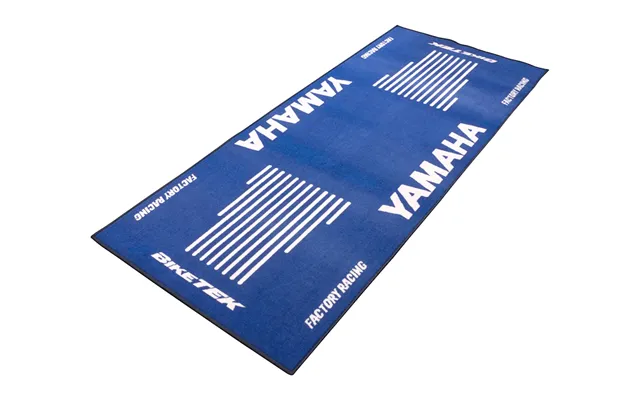
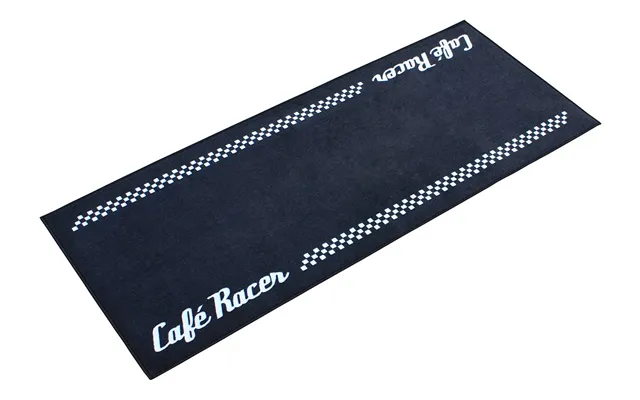
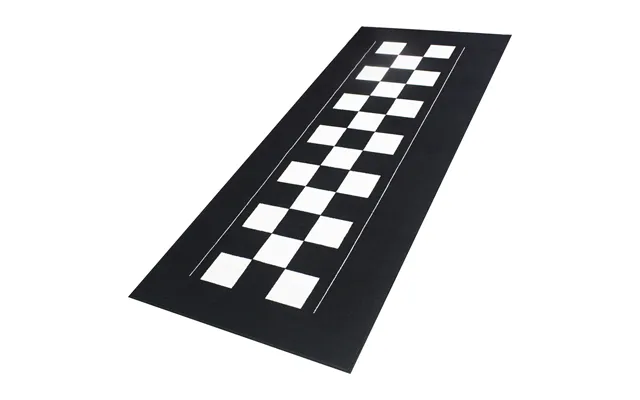
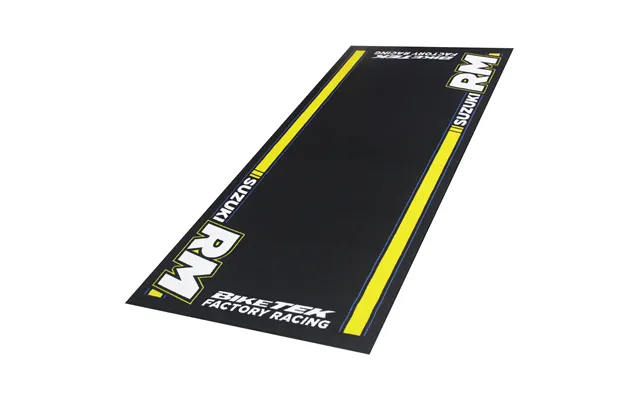
| Outdoor Rubber Mats 1 Pk | £ 9,99 | |
| Absorbent Garage Mat | £ 29,99 |