All categories
Business & Offices
Electronics & Media
Fashion & Accessories
Groceries & Essentials
Health & Personal Care
Home & Living
Kids & Family
Sports & Outdoors
Search in ZoneOffer

Loading...
Think of food storage accessories as the unsung heroes of your kitchen. They keep leftovers edible, pantry staples tidy, and meal prep stress-free. A good set of containers and tools can stretch your grocery budget, slash food waste, and turn a chaotic fridge into a calm, usable space. Whether you’re cooking for one or feeding a family, choosing the right accessories is like choosing the right pair of shoes for a hike—a small decision that changes the whole journey.
There’s more to food storage than plastic tubs tucked in the back of a cupboard. The main categories include airtight containers, vacuum sealers, reusable silicone bags, glass containers, stackable pantry jars, and specialty tools like portion scoops and labels. Each type serves a slightly different purpose: some are built for freezing, some for keeping crisp foods crispy, and others for organizing dry goods so you can find them at a glance.
Airtight containers are the go-to for leftovers, sauces, and prepped ingredients. Look for containers with a strong seal that locks out air and moisture so soups don’t leak and crackers don’t go stale. They come in sizes from 8 oz snack cups up to 4- or 6-quart casserole containers, so you can portion single servings or bulk-batch a casserole for the week. Choose clear sides or window panels so you can see contents at a glance.
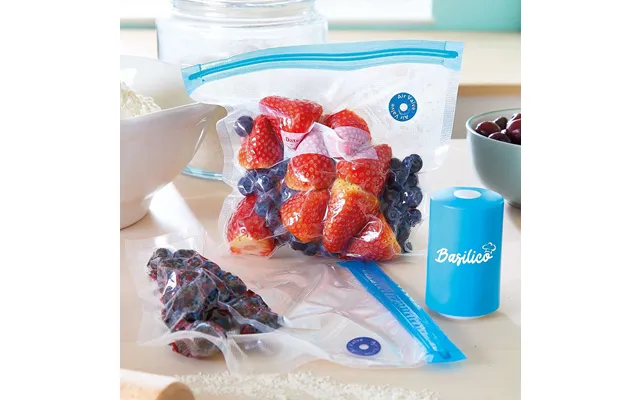
If you want to sleep easy knowing meat, cheese, and bulk buys will last much longer, a vacuum sealer is a powerful upgrade. By removing air and sealing items in special bags, you slow oxidation and freezer burn. Vacuum sealing is ideal for long-term freezer storage—think whole chicken breasts or soups portioned into 16-oz servings. It’s also great for sous-vide cooking, where airtight pouches are part of the process.
Reusable silicone bags combine the convenience of a zipper bag with the durability of silicone. They’re flexible when empty and seal tight for marinating, freezing, or storing snacks. Sizes typically range from 6 oz snack pouches to 2-cup or 1-quart sizes for larger portions. Because they’re reusable, they reduce single-use waste and are a practical choice for anyone who wants convenience and sustainability in one package.
Glass containers often win on durability and food safety. They don’t stain, absorb odors, or warp under heat, making them suitable for reheating and storing acidic foods like tomato sauce. Common sizes include 1-cup, 2-cup, 1-pint, and 1-quart. Glass pairs especially well with silicone or snap-lock lids to provide an airtight seal while keeping your food visible and your fridge looking neat.
With so many choices, a simple checklist helps. Prioritize material safety (BPA-free plastics or glass), secure sealing mechanisms, stackability, and dishwasher-safe parts. Think ahead about the ways you cook and store: if you freeze often, choose containers rated for the freezer; if you reheat in a microwave, make sure lids are ventable or removable. The right features save time and prevent frustration down the line.
Make safety a non-negotiable. Look for food-grade materials that explicitly say BPA-free. Glass is a great option if you want zero chemicals, while high-quality plastics can be lightweight and shatterproof. Silicone is flexible and heat-resistant. If you store hot foods, ensure the material can handle the temperature without releasing chemicals or warping.
Match container sizes to your habits. If you meal-prep lunches, 16-oz or 24-oz containers are ideal for a main plus sides. For snacks, 8- to 12-oz containers work well. For bulk staples in the pantry, look for 1- to 2-quart jars. Buying a mix of small, medium, and large sizes avoids having half-empty containers taking up precious fridge real estate.
One of the most underrated features is stackability. Square or rectangular containers use space more efficiently than round ones. Look for sets designed to nest when empty and stack securely when full—this turns kitchen chaos into a tidy, vertical system that’s easier to manage.
Several brands stand out for their reliability and range. Names like Glasslock, Pyrex, OXO, Rubbermaid, Stasher, and FoodSaver are commonly trusted for quality. You don’t need to buy an entire premium collection; mix and match based on what you use most. For example, use glass for reheating and freezer-safe plastic or vacuum-sealed bags for long-term storage.
Glass sets with multiple sizes cover most bases. A good starter kit often contains 1-cup, 2-cup, 1-pint, and 1-quart containers. They handle oven-to-table transitions and reduce the need for extra plates. The transparency makes meal prep fast because you can see what’s inside without opening every lid.
If you buy meat on sale or cook in bulk, a vacuum sealer pays for itself. It reduces freezer burn and enables you to portion food into 8-oz to 16-oz servings. You can also vacuum-seal dry goods like coffee or flour to extend freshness. Pair a sealer with reusable or disposable bags depending on your eco preferences.
Stasher-style silicone bags excel for lunches and snacks. They’re flexible enough to fit in a packed bag and sturdy enough to hold liquids during commute. Sizes from 6 oz to 1 quart are typical, and they’re simple to clean—many are dishwasher-safe, which makes daily use painless.
Organization is half the battle. Start with a clear system: keep ready-to-eat foods at eye level, meal-prep containers in a designated shelf, and raw proteins in a lower drawer or tray to prevent drips. Use matching containers to create visual order and invest in a set of pantry jars for staples like rice, pasta, and oats so you can see quantities at a glance.
Labeling changes everything. A simple permanent marker or removable labels helps you rotate food and avoid mystery meals. Mark the contents and the date you stored the item—especially for cooked meals and vacuum-sealed packages. A 3-month date range is a good rule for many frozen prepared foods unless the item specifically lasts longer.
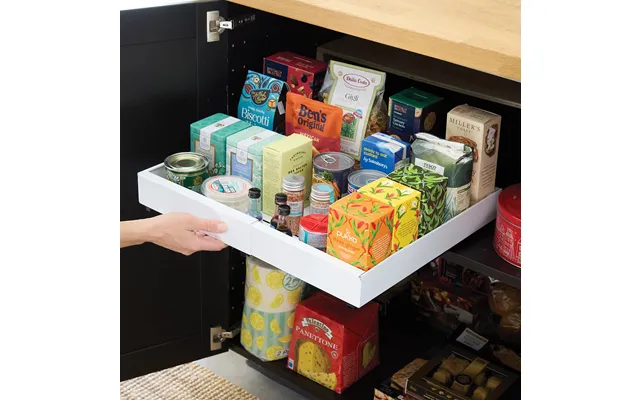
Keep breakfast items in one section, snacks in another, and baking supplies in a third. Grouping makes meal prep faster and reduces the time spent digging around. Think of your pantry like a mini store—place frequently used items at the front and bulk reserves at the back.
Freezing can be a game-changer if you do it right. Always cool hot foods before sealing to preserve texture and food safety. Leave a little headspace in jars and bags—about 1 inch—to allow for expansion. Thaw food in the fridge or under cold running water; avoid leaving items at room temperature to prevent bacterial growth.
Freezer burn dries out food and ruins texture. Vacuum sealing helps the most, but double-wrapping and removing as much air as possible will reduce the risk. Use freezer-rated containers and bags and consider portioning meals into 8- to 16-oz servings so you only thaw what you’ll eat.
Need food fast? Submerge sealed bags in a bowl of cold water and change the water every 15 minutes. For soups and stews, place the container in a warm-water bath to speed up thawing. But remember: once fully thawed, eat within a day or two, depending on the food.
Cleaning habits extend the life of storage accessories. Rinse containers and lids promptly after use to prevent stains and odors. Most glass and silicone items are dishwasher-safe, but check seals and locking mechanisms—some parts do better washed by hand. For those stubborn stains or smells, soaking in a baking soda solution or using a lemon slice can do wonders.
A simple mix of baking soda and warm water will often lift stains and neutralize smells. For plastic containers, avoid storing strongly colored foods for long periods; glass is better for tomato-based dishes. If odors persist, leave the lid off the container overnight to air out before the next use.
Replace containers when seals crack, lids no longer snap tight, or plastic becomes cloudy and scratched. A rough rule: lightweight plastic containers used daily may last a couple of years, while glass and silicone can last much longer with proper care. Replacing worn items pays for itself by preventing leaks and keeping food safer.
Switching to reusable containers and bags may feel like an upfront investment, but it pays off. You’ll buy fewer single-use bags and cling film, reduce food waste, and keep more meals edible longer. Vacuum sealing also stretches the life of bulk purchases, so you can take advantage of store deals without worrying about spoilage.
Start with a small set: a couple of 16-oz glass containers, an assortment of 8- and 12-oz silicone bags, and one 1- or 2-quart airtight container. Add a vacuum sealer if you often freeze raw meat or batch-cook. Over time, replace single-use items with washable options and focus on durable materials that won’t end up in a landfill.
Think of food storage gear as tools that save time and money. A $20 vacuum sealer or a $30 set of glass containers may sound steep until you consider how much produce and meat you’ll salvage from the bin. Value shows up as fewer grocery runs and more predictable meal prep.
Smaller kitchens benefit from nestable, multi-purpose pieces, while larger households need stacking, high-capacity systems. If counter space is tight, choose flat, stackable containers and use pantry jars to free up shelf space. If you cook once and eat all week, focus on medium-to-large containers that handle multiple portions comfortably.
Compact, leak-proof containers in 8- to 16-oz sizes work great for single portions. Reusable silicone bags make transport easy and can fit in crowded backpacks or mini-fridges. Aim for lightweight, durable options that won’t take up much storage space.
Families should invest in a variety of sizes, from 1-quart jars for sauces to 4- or 6-quart containers for family meals. A vacuum sealer becomes more valuable with larger households because it reduces waste and preserves bulk buys effectively.
Food storage accessories aren’t glamorous, but they’re essential—like a good wrench in a toolbox. The right mix of airtight containers, vacuum sealing, glass pieces, and reusable silicone bags transforms cooking from chaotic to streamlined. Choose materials that match how you eat and cook, prioritize stackability and safety, and adopt labeling and rotation habits. Over time, these small decisions save time, money, and food, and they make your kitchen a more joyful place to be.
| Food Storage Accessories - Other | Price | |
|---|---|---|
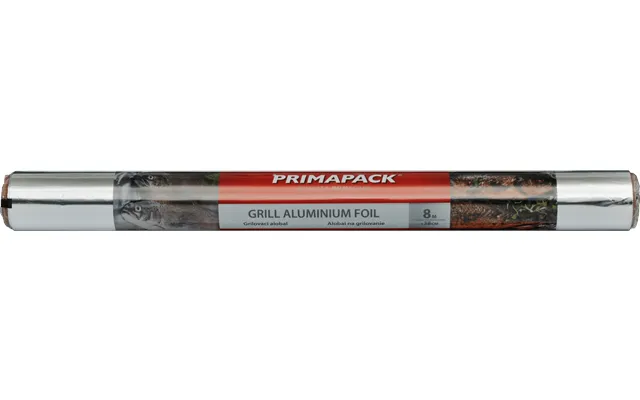
| Wkup Primapack 8 M Barbecue Foil | £ 5,10 | |
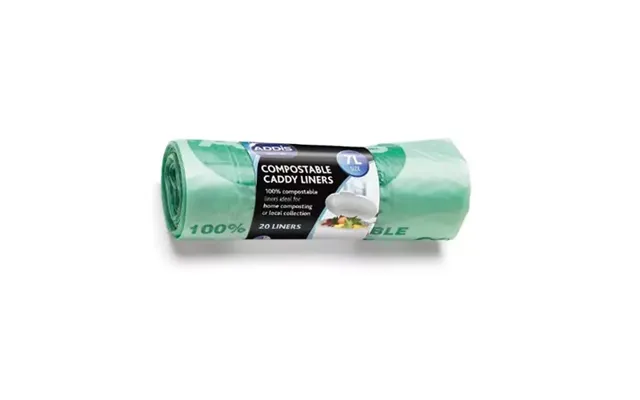
| Addis Compostable Caddy Liners Green Roll 20 - 517536 | £ 11,86 | |
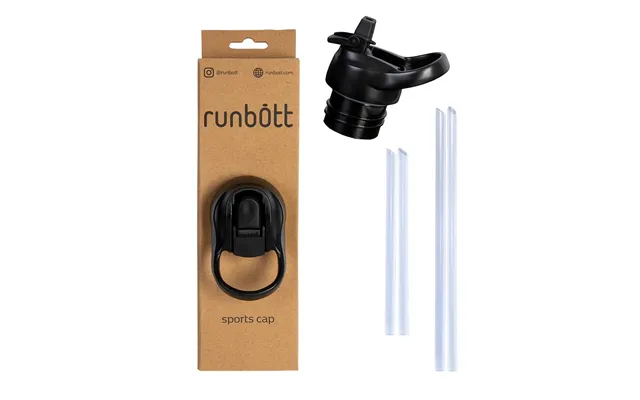
| Runbot Sport Thermos Lid - 1 Pc | £ 13,- | |
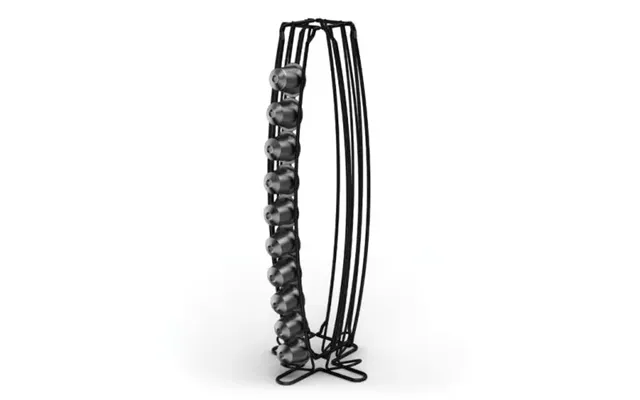
| Xavax 00111266 Coffee Capsule Holder 16 Capsules Metal Black | £ 19,06 | |
| Original Jar Caps 67 Pcs | £ 19,20 | |
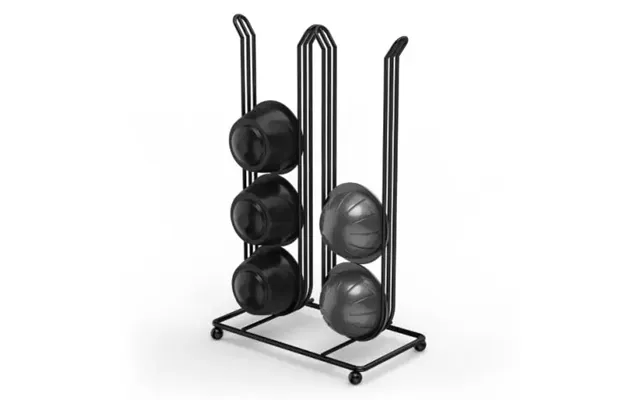
| Xavax 00111265 Coffee Capsule Holder 40 Capsules Metal Black | £ 22,22 | |
| Le Creuset Signature Stoneware Cutlery And Utensil Jar 1.1 L Azure | £ 24,- | |
| Le Creuset Signature Stoneware Cutlery And Utensil Jar 1.1 L Nectar | £ 33,10 | |
| Zwilling La-mer Vacuum Pump With Lid White | £ 54,20 | |
| Tom Rossau - Tr7 Pendant 25x145 Birch Natural |

| £ 701,- |