

Food Wraps price list
Last updated Tuesday, 20 Oct 2026





View 17 Offers
Loading...
Last updated Tuesday, 20 Oct 2026
In a busy kitchen, the right food wrap can mean the difference between leftovers that taste like new and food that ends up in the bin. Food wraps preserve freshness, prevent cross-contamination, and make meal prep cleaner and faster. But with so many options—cling film, aluminum foil, parchment, beeswax wraps, silicone lids and more—how do you decide which one to buy and when to use it?
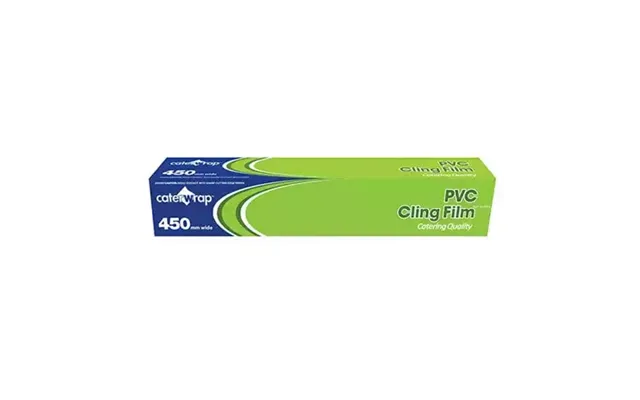
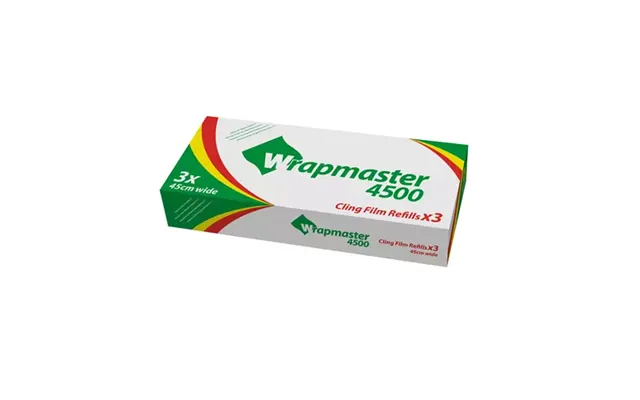
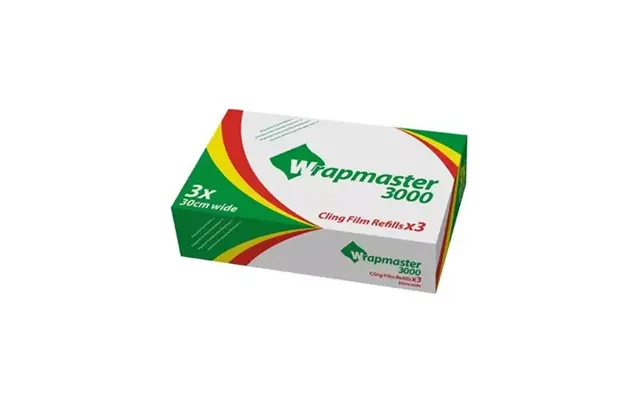
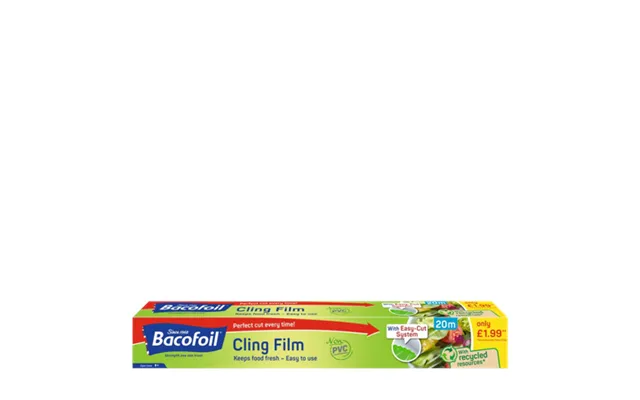
Cling film is a kitchen staple for wrapping sandwiches, covering bowls, and sealing items in the fridge. It clings tightly to surfaces, making it ideal for short-term storage. Look for products labeled food-safe and low-odor; many brands offer thicker variations in specific widths like 12 inches or 18 inches for larger trays.
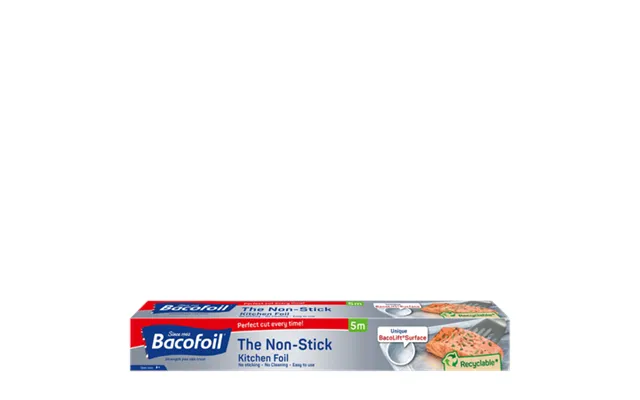
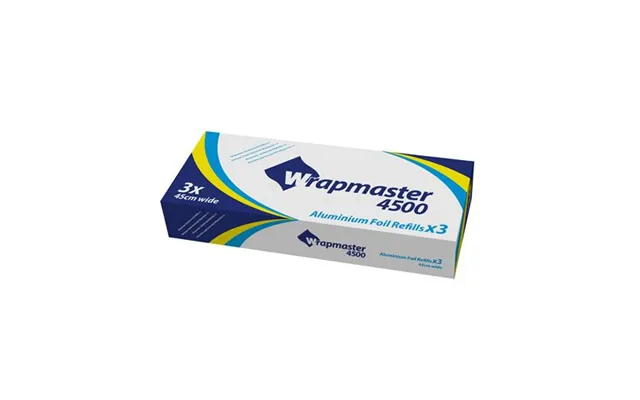
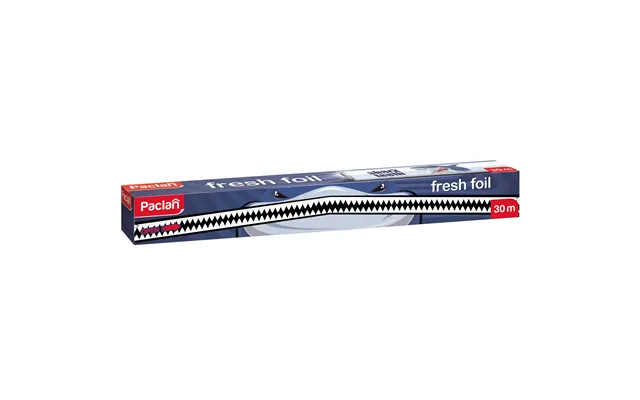
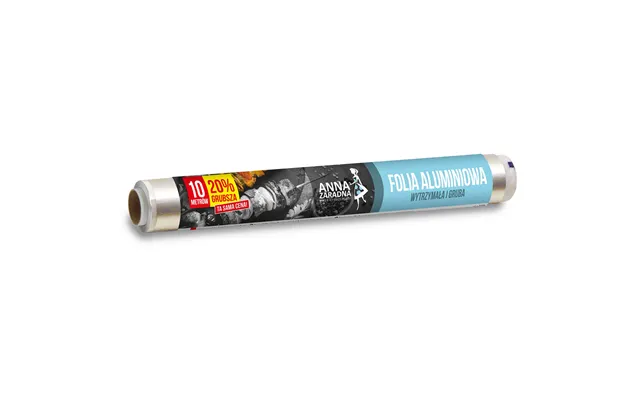
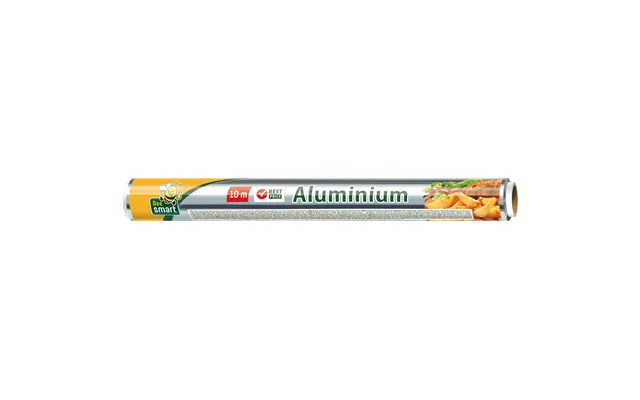
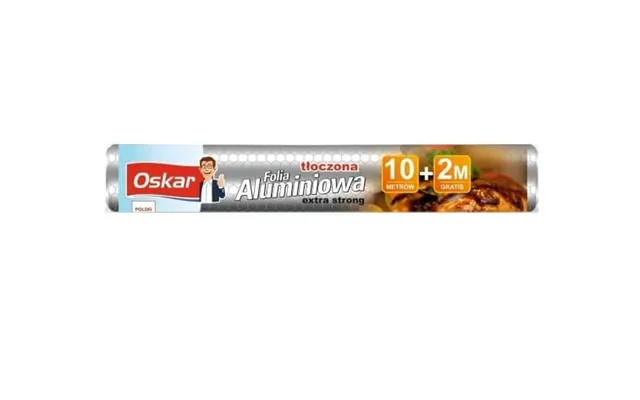
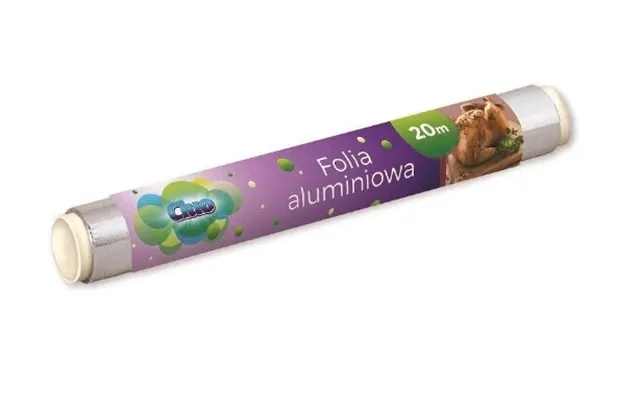
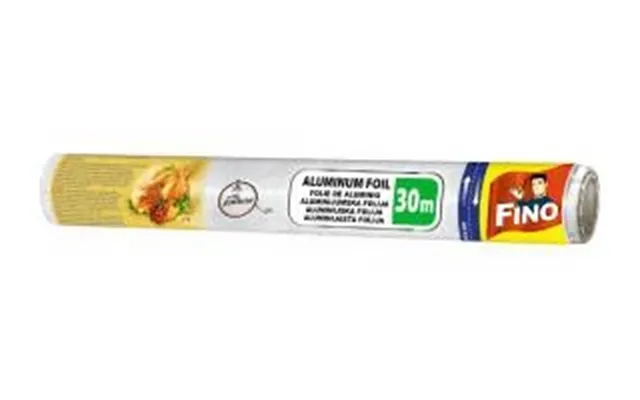
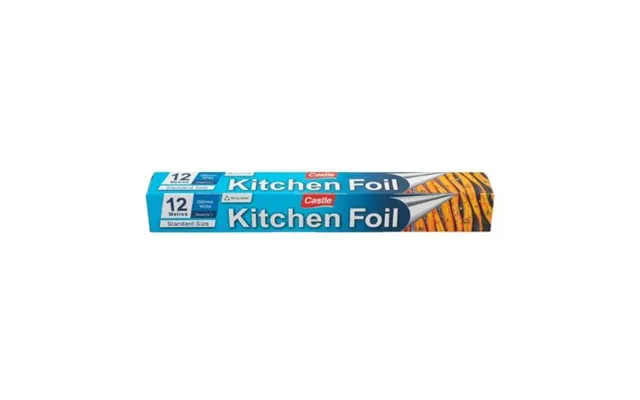
Aluminum foil is unbeatable for grilling, oven roasting, and long-term freezer storage. It creates a tight, heat-resistant seal and is great at reflecting heat for even cooking. Foil rolls commonly come in widths of 12 inches or 18 inches and can be wrapped around irregular shapes with ease.
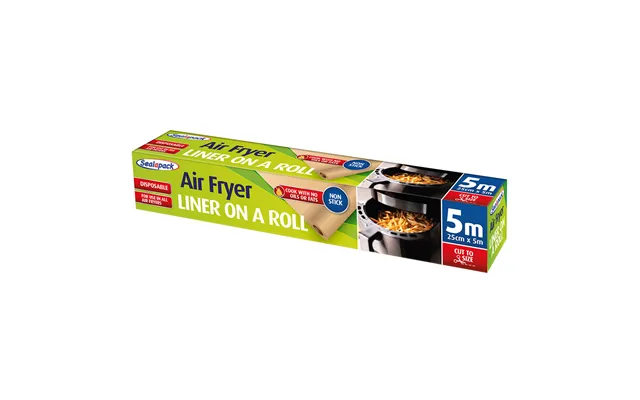
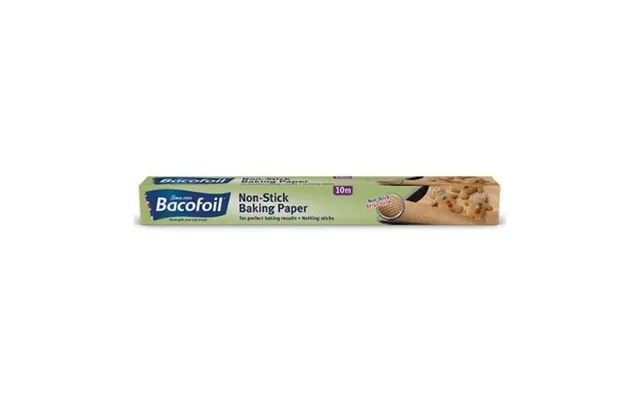
Parchment paper is your go-to for baking and steaming. It is non-stick and can handle oven temperatures up to about 450°F, making it perfect for lining baking sheets or wrapping fish in a packet. For food storage, you can use parchment between stacked items to prevent sticking.
Beeswax wraps are a reusable, compostable alternative to single-use plastics. They’re pliable, slightly tacky when warmed by your hands, and work well for covering bowls or wrapping produce. Sizes often range from 7 inches for small snacks to 13 inches for larger bowls.
Silicone lids stretch over bowls, mugs, and plates to create an airtight seal; silicone bags replace zipper freezer bags and can be boiled, microwaved, or put in the dishwasher. These options are durable and cost-effective over time, especially if you’re aiming to reduce waste.
For maximum shelf life, vacuum sealer bags remove air and lock flavor in. They’re perfect for sous-vide cooking and long-term freezer storage. Sizes vary widely, but commonly used widths for home machines are 8 inches and 11 inches—ideal for steaks, vegetables, and bulk meals.
Heavy-duty freezer bags are designed to prevent freezer burn, and many come with double-zip seals for extra protection. Look for thickness measures in ounces per square foot or designations like “heavy-duty,” and consider getting gallon-sized bags when storing large portions.
Size matters: small wraps make snack prep easy while large rolls, typically 12 to 18 inches wide, handle roasts and sheet pans. Thickness affects durability—thicker wrap resists tearing, while heavier foil grips better on rough surfaces. When it comes to reusable wraps, size ranges (7 inches, 10 inches, 13 inches) help cover everything from half lemons to dinner bowls.
Always check manufacturer guidelines for heat tolerance. Aluminum handles high heat but should not be used in microwaves, while silicone often tolerates temperatures from -40°F up to 446°F. Cling film varies; some brands are microwave-safe and others are not, so read labels to avoid melting or chemical transfer.
If sustainability is a priority, choose reusable options like beeswax wraps or silicone bags. Beeswax wraps biodegrade at the end of life, while silicone can be reused for years. Single-use plastic wrap and foil are convenient but have a larger environmental footprint unless you recycle foil or choose compostable alternatives.
Use the right tool for the job: silicone lids stretch over rims for airtight seals, while beeswax wraps conform to bowl shapes with a quick rub of your hands. For extra security, combine a cling film layer with a lid for stackable storage in the fridge.
When freezing meats or leftovers, wrap in a layer of foil or cling film, then place into a heavy-duty freezer bag or vacuum bag. Remove as much air as possible to reduce ice crystals. Label packages with date and contents using freezer-safe markers to avoid mystery meals later.
Not all wraps are microwave-safe. Use microwave-safe silicone bags or cover plates with parchment to avoid splatters. If using plastic wrap in the microwave, ensure it’s labeled microwave-safe and keep it away from direct contact with hot food to prevent melting or leaching.
Beeswax wraps clean with cool water and mild soap—never hot water, which can soften the wax. Hang them to dry; with gentle use, they can last up to a year. When they stop sticking or get worn, tear them into strips and compost or repurpose as jar rags.
Silicone is dishwasher-safe on most cycles and can be boiled to remove odors. Store lids flat or nested to preserve their shape. If a silicone bag retains a smell, try a paste of baking soda and water, or freeze a lemon inside for a day to neutralize odors.
One frequent error is using the wrong wrap for the wrong job—microwaving foil, for example, or trying to reuse single-use cling film until it tears. Another is not sealing items fully, which leads to air exposure and spoilage. Also, mixing storage temperatures without checking suitability (like putting certain plastics directly into a hot oven) can cause safety issues.
Price per square foot or per bag is your best friend when comparing wraps. A larger roll might have a lower cost per foot, but if you rarely use large sheets you could end up wasting it. Look for multipacks during sales and compare unit prices across brands. Comparison sites can highlight popular offers and price lists so you can quickly see which product gives the best value for the intended use.
For daily tasks like wrapping sandwich halves or covering bowls, a reliable cling film or stretch-tape wrap in a 12-inch width is convenient and quick. Choose a brand with a sturdy dispenser and a tearable edge so it’s easy to use one-handed.
Aluminum foil in an 18-inch roll works best for large roasts and sheet pan dinners. Heavy-duty foil resists tearing when wrapped around bones or uneven cuts and holds up under high-heat broiling.
Beeswax wraps and silicone bags are top picks if you want to cut single-use waste. Beeswax is breathable for produce, while silicone is great for liquids and reheating. If you want a purely plastic-free kitchen, combine beeswax for dry storage and linen covers for bowls.
Vacuum sealer bags or reusable silicone bags that can be vacuum-sealed extend fridge and freezer life dramatically. They’re perfect if you batch-cook meals for the week or portion out proteins in bulk.
Consider a layered approach: use reusable wraps for day-to-day storage, compostable or recyclable materials for messy tasks, and durable foil for heavy-duty cooking. Many communities accept aluminum foil in recycling if it’s clean; otherwise, composting and reusing are better for biodegradable options like beeswax and parchment paper.
Before you buy, ask yourself these quick questions: How often will I use this wrap? Will it need to withstand heat or freezer temperatures? Do I prefer reusable or disposable? What size do I need most often—small snack wraps or wide rolls for trays? Answering these makes it easy to pick a practical option that matches your lifestyle and budget.
Choosing the best food wrap is about matching function to lifestyle. If you want convenience, cling film and aluminum foil deliver; if you care about the planet, beeswax wraps and silicone replacements are smart investments. Combine types for different tasks—parchment for baking, foil for roasting, silicone for reheating and beeswax for produce—and you’ll cover all bases while reducing waste and saving money in the long run.