

Water Cooler Accessories price list
Last updated Tuesday, 20 Oct 2026


View 15 Offers
Loading...
Last updated Tuesday, 20 Oct 2026
Think of your water cooler as the heart of hydration in your kitchen or workplace. Just like a car needs the right oil and tires, a cooler needs the right accessories to run smoothly and deliver great-tasting water. Accessories—from replacement filters to taps, drip trays to UV sterilizers—extend lifespan, improve taste, and keep things hygienic. If you’ve ever sipped lukewarm or slightly off-flavor water, you know how small upgrades can make a big difference.
There are dozens of add-ons for water coolers, but some categories consistently stand out: filters, taps and faucets, drip trays, bottleless conversion kits, UV sanitizers, descalers, and spare parts. Each type solves a specific problem, whether it’s removing chlorine, preventing leaks, or making the unit bottleless for endless chilled water. Let’s unpack the most useful accessories you’ll want to consider.
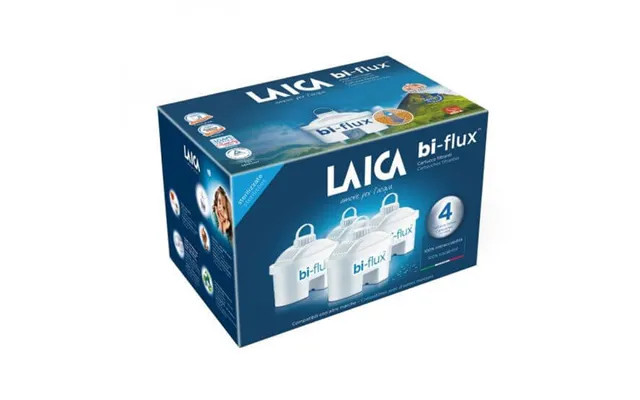
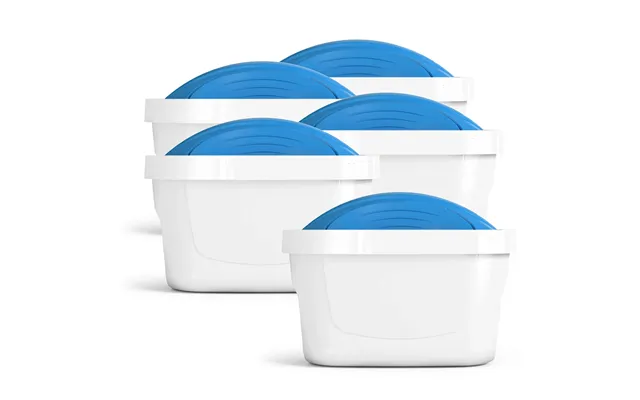
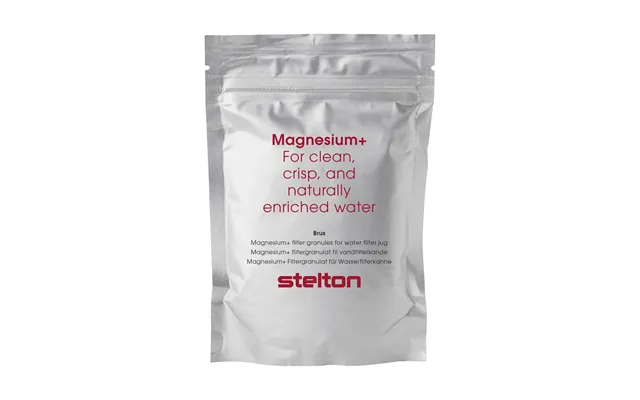
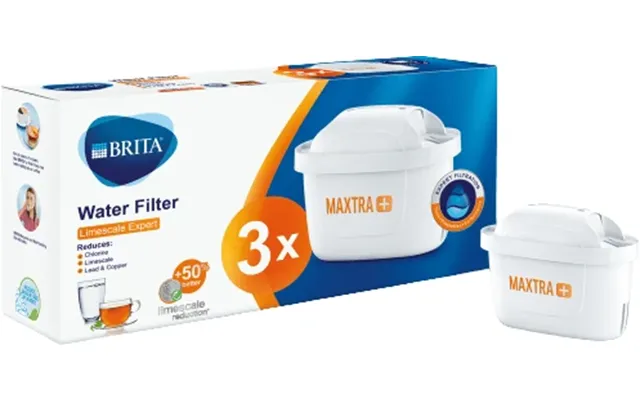
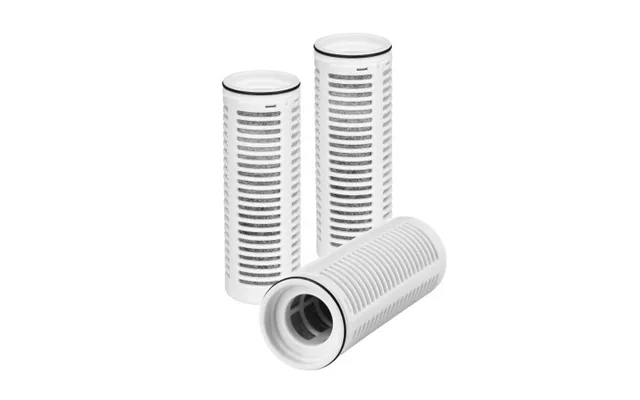
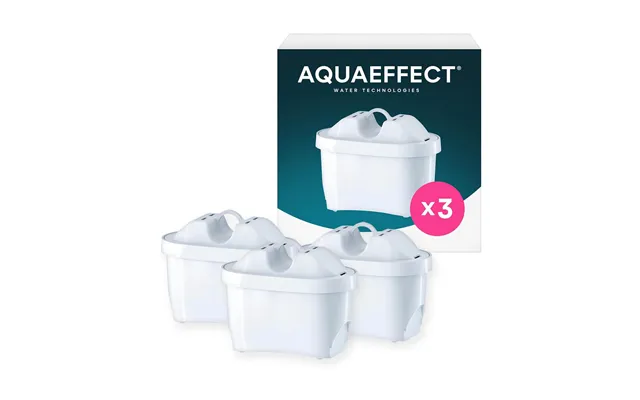
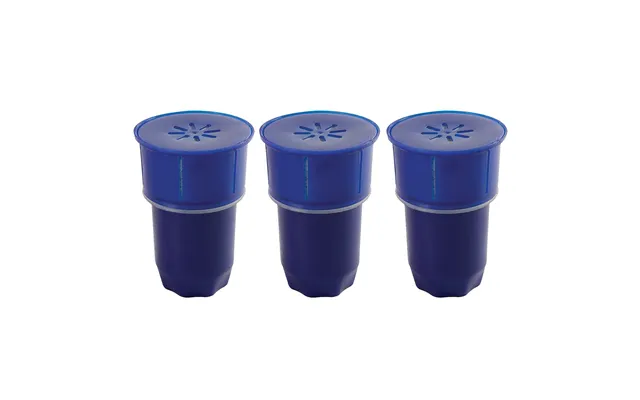
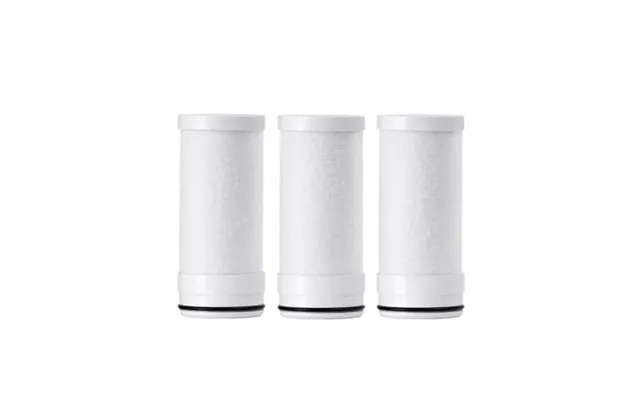
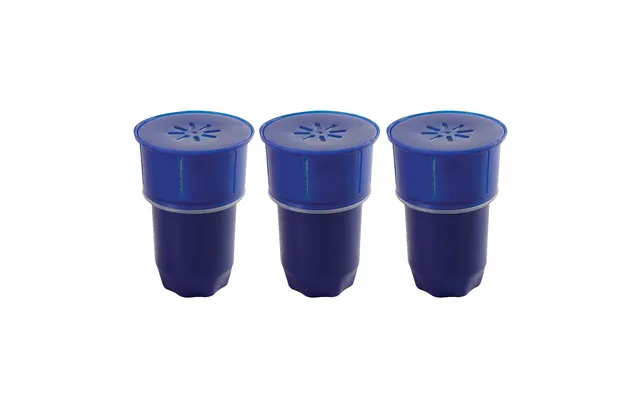
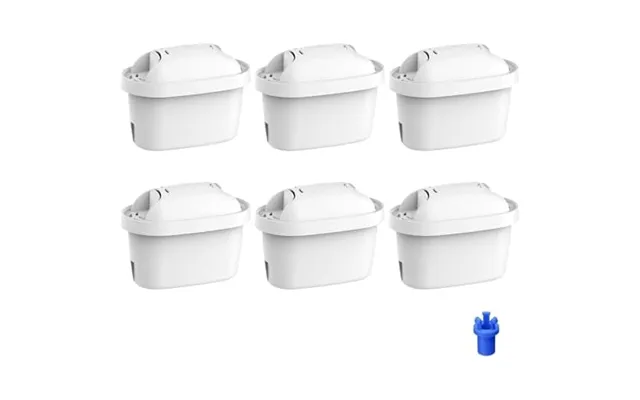
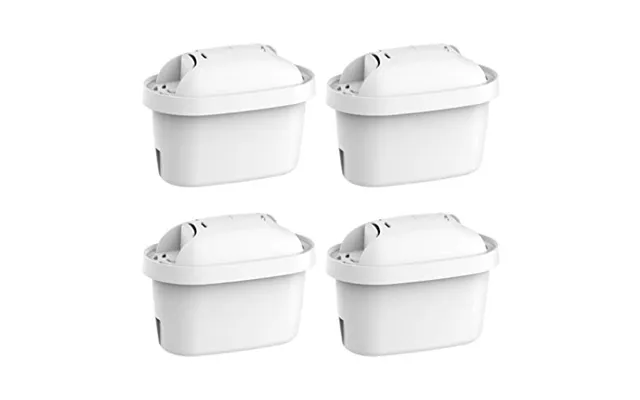
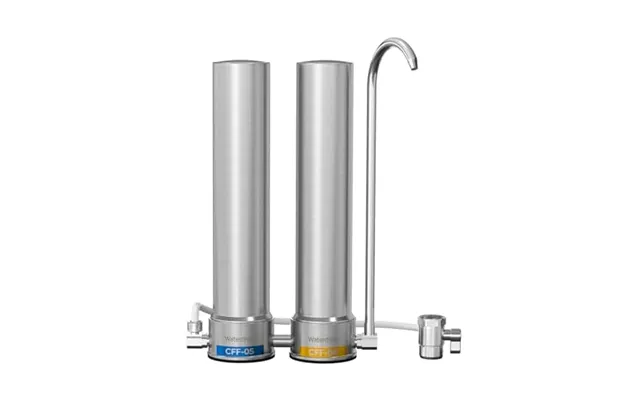
Replacement filters are the most frequently replaced accessory and the one that impacts taste and safety the most. Common filter types include activated carbon cartridges, inline sediment filters, and more advanced reverse osmosis (RO) membranes. Activated carbon is fantastic at removing chlorine and organic compounds, while sediment filters trap rust and large particles. If you’re after the purest water, an RO system paired with a post-carbon stage is the gold standard.
Picking the right filter depends on your source water. If your tap water tastes like a public pool, an activated carbon filter will likely do the job. For hard water with mineral buildup, look at filters that include scale inhibitors or pair with a descaler. Always check compatibility: many coolers use bayonet-style cartridges or inline filters that fit specific models. When sizes matter, note dimensions in inches—length, diameter and connection type—so you don’t buy a filter that’s an inch too long or won’t snap into place.
Most carbon filters need changing every 3 to 6 months depending on use; heavy-use environments like busy offices may require replacement every 2 to 3 months. Inline filters can last from 6 to 12 months or longer if they have larger capacities, often rated in gallons rather than time. For instance, a filter advertised for 500 gallons will last longer in a home than in a workplace. Keep an eye on taste and flow rate—if the water slows or tastes flat, it’s time to replace the cartridge.
Upgrading the tap on your water cooler is a quick way to enhance usability and aesthetics. Taps come in simple push-lever designs, lever-and-spout combinations, and hands-free sensor faucets. Materials vary from chrome-plated brass to stainless steel; stainless tends to be more durable and less prone to scale staining than plated finishes. If you’re installing a new tap, measure the deck hole size in inches and match the thread diameter to avoid leaks.
Sensor-activated taps are a hygienic option for shared spaces because they reduce contact and the spread of germs. Battery-powered or low-voltage models are common and can be retrofitted to many dispensers. For locations where power is limited, manual lever taps remain reliable—just make sure the lever action is smooth and the spout is stainless to prevent mineral build-up.
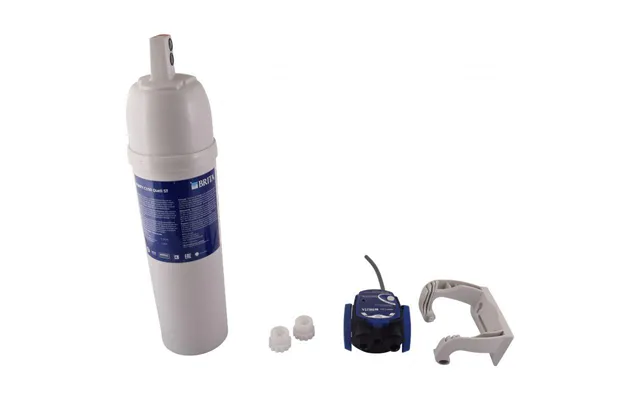
Thinking about ditching 5-gallon jugs? Bottleless conversion kits let you connect your cooler directly to the mains for continuous supply. These kits typically include an inline filtration stage and a pressure regulator. They save space, reduce plastic waste, and eliminate the heavy lifting of bottles. Installation generally involves attaching a feed hose using standard 1/4-inch or 3/8-inch quick-connect fittings—measure twice to avoid surprises.
Bottleless setups are convenient and cost-effective over time, but they require a reliable mains connection and occasional filter changes. If you live in an area with very hard water, you might need a pre-filter or scale inhibitor to protect the cooler’s refrigeration components. For businesses, bottleless systems remove the logistics of jug exchanges, but they do require a thoughtful maintenance schedule to keep the internal lines clean.
Don’t underestimate the value of a good drip tray. A well-designed tray catches spills and prevents water pooling on counters, which can lead to mildew or damage. Trays vary in depth and capacity; if you have frequent use, choose one with a larger capacity measured in fluid ounces or gallons. Some trays include removable racks for easy cleaning and built-in drains for connection to a waste line.
Measure the width and depth of the cooler base in inches before buying. A tray that’s too small can cause overflow, while an oversized tray might look bulky. If you expect heavy daily use, a tray that holds at least a quart or two is a smart choice. For commercial installations, consider trays that offer a drain outlet so excess liquid can be routed away neatly.
For additional peace of mind, UV sterilizers inactivate bacteria and viruses in water, providing an extra layer of safety beyond mechanical filtration. UV units are usually installed inline after the filtration stage and require a power source—commonly 12V or mains. They’re compact, often under 12 inches long, and can be integrated into bottleless conversions or added to existing dispensers.
UV is especially useful where water source quality is variable, or in facilities with vulnerable populations like nurseries. It doesn’t remove dissolved minerals or chemicals, so pair UV with carbon or RO systems for the best overall treatment. Remember, UV lamps have a lifespan—often around 9,000 to 12,000 hours—so plan on replacing the bulb roughly once a year in constant-use situations.
Scale builds up over time in any cooler that handles hard water. Descalers are chemical cleaners designed to dissolve mineral deposits without harming internal parts. These are typically used quarterly or semi-annually depending on water hardness. Other maintenance supplies include food-safe sanitizing solutions, silicone seals, and gasket kits to replace worn parts.
Basic cleaning—like wiping the exterior, sanitizing the reservoir, and replacing drip tray liners—can be done by most owners. More complex tasks, such as replacing compressors or refrigeration components, should be handled by a qualified technician. If you choose DIY descaling, follow product instructions and wear gloves; many descalers are acidic and need careful handling.
Before ordering accessories, measure the critical dimensions in inches. For filters, note the cartridge length and diameter; for taps, record the deck hole size and thread diameter; for drip trays, measure width and depth. Also check connection types—quick-connect fittings are common on bottleless kits and are usually described in fractions of an inch, like 1/4 inch or 3/8 inch. Mismatched fittings are the most common cause of returns and delays.
If you plan to add a UV unit or a sensor tap, verify the power options—battery, 12V DC, or mains. For bottleless kits, confirm the available water pressure; many kits need a minimum of around 20 to 30 psi to function properly, so a pressure regulator may be necessary. When in doubt, consult the product manual or a professional before installation.
When shopping online, use comparison tools to check prices, compatibility, and reviews. Look for filters listed with capacity in gallons and lifespan in months to judge value. Read customer feedback about fit and ease of installation—sometimes a filter technically fits but requires an awkward twist to seat properly. If the vendor lists dimensions in inches and includes connection types, that’s a good sign of proper technical documentation.
Accessories often have seasonal sales or bundle deals—especially replacement filters and descalers. Warranties are worth checking: stainless taps and UV units often include limited warranties measured in years, while consumables like filters typically don’t. Compare offers on reputable comparison sites to ensure you’re getting the best mix of price and product support.
If sustainability matters to you, look for reusable or recyclable options. Long-life filters with replaceable media reduce plastic waste compared to fully disposable cartridges. Bottleless conversions eliminate heavy plastic jugs and the carbon footprint of deliveries. Some manufacturers offer filter recycling programs; if not, search for local recycling centers that accept the materials used in cartridges.
Sometimes greener options have a higher upfront cost but lower lifetime environmental impact and running cost. For example, an RO system with a long-life membrane might be more expensive initially but reduces bottled water purchases and waste. Factor in filter longevity in gallons to compare the real cost-per-gallon and environmental footprint.
For most homes: a high-quality activated-carbon filter, a stainless-steel tap, and a medium-sized drip tray are a balanced trio. For offices: add a bottleless conversion kit with an inline RO or carbon filter, a hands-free sensor tap, and a large drain-capacity drip tray. For high-safety environments: pair filtration with a UV sterilizer and a regular descaling schedule.
Always turn off the water and power before installing electrical or plumbing accessories. Keep a towel handy for minor drips and have pliers and a small wrench in inches on hand for fittings. When replacing filters, flush new cartridges according to the manufacturer’s instructions to remove any initial carbon dust and to prime the element for optimal performance.
Buying based on price alone is tempting, but incompatible fittings, undersized trays, and incorrectly rated filters create headaches. Don’t ignore the importance of dimensions and connection types measured in inches. Also, skipping regular filter changes to save money is a false economy—filters past their useful life can harbor bacteria and reduce flow, costing more in the long run.
Upgrading your water cooler with the right accessories is like tuning a musical instrument: small adjustments yield much better performance. With the right combo of filters, taps, and sanitizers, you’ll enjoy cleaner, better-tasting water and fewer maintenance headaches. Measure carefully, choose compatible parts, and set up a maintenance schedule to keep your cooler humming for years.
Conclusion: A few well-chosen accessories will transform your water cooler from a basic dispenser into a reliable, hygienic hub of hydration. Whether you’re outfitting a busy office or perfecting your home setup, focus on filtration, fit, and routine maintenance to get the best results.