

Hot Plates price list
Last updated Tuesday, 20 Oct 2026




View 8 Offers
Loading...
Last updated Tuesday, 20 Oct 2026
Ever run out of burners or moved into a tiny flat where a full stove feels like overkill? That’s where a hot plate becomes your secret weapon. Compact, affordable, and surprisingly versatile, hot plates let you fry, simmer, and boil without committing to a full oven range. Think of them as the multi-tool of the kitchen world — small enough to tuck away, powerful enough to handle a frying pan or a large pot. Whether you’re a student, a frequent traveler, or a homeowner needing an extra burner for a holiday feast, a hot plate can save the day.
Hot plates come in several styles, and knowing which type suits you will save time and money. Each has pros and cons depending on the way you cook and what cookware you already own.
These are the classic look: exposed coil elements that heat up when electricity flows. They’re durable, reliable, and usually the cheapest option. Coil plates work with any pan and are forgiving of rough kitchen use. The downside? They take a moment to heat up and cool down, and cleaning around the coils can be a chore.
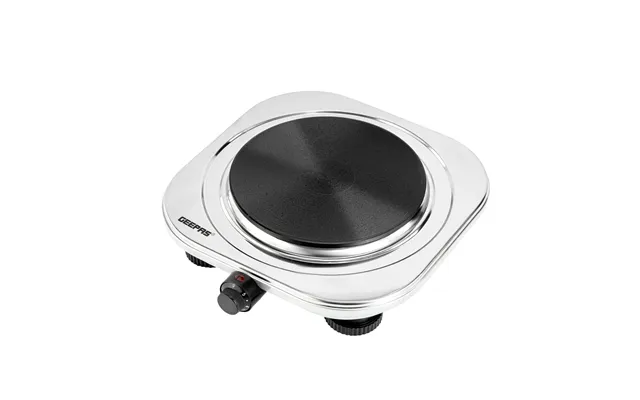
Also called ceramic or solid-disk plates, these offer a flat cooking surface that’s easier to wipe clean compared to coils. They are heavier and often look sleeker on a countertop. Heat retention is strong, so you’ll want to watch temperature changes closely. If you like a tidy kitchen and a smooth surface for sliding pans around, solid plates are a solid choice.
These use a glowing element under glass to deliver fast, even heat — great for searing and quick boiling. They respond faster than basic solid plates and often provide precise temperature control. They can be a touch pricier, and the surface can remain hot for a while after cooking, so safety matters.
If you crave rapid heating, energy efficiency, and a cool-to-the-touch surface, induction is the way to go. Induction plates heat the pan directly via magnetic fields, so the surface itself stays relatively cool. They’re the fastest to boil water and offer very precise temperature control, but they require magnetic cookware — think cast iron or certain stainless steel pots. If you love speed and tech-forward cooking, induction is a smart pick.
One of the first choices you’ll make is whether to buy a single-burner or a double-burner hot plate. Your decision will hinge on space, cooking habits, and how many pots you usually run at once.
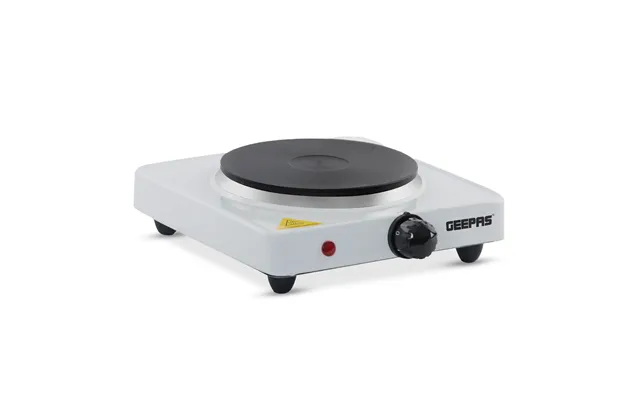
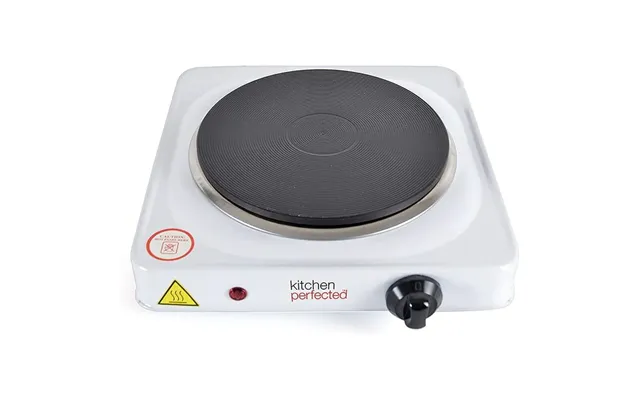
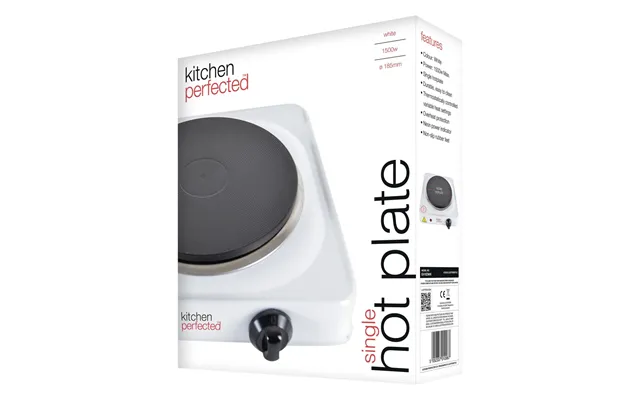
Single burners are compact and light, often weighing less than 8 lb, and can slide under a cabinet or into a closet when not in use. Perfect for simple meals, reheating, or boiling water for coffee. If you prepare single-dish meals or need a backup burner, a single unit is economical and convenient.
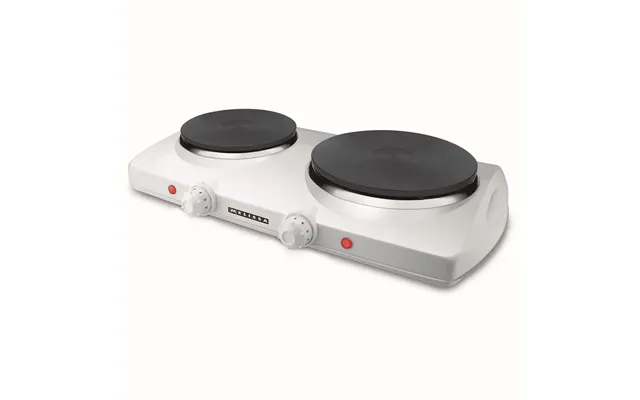
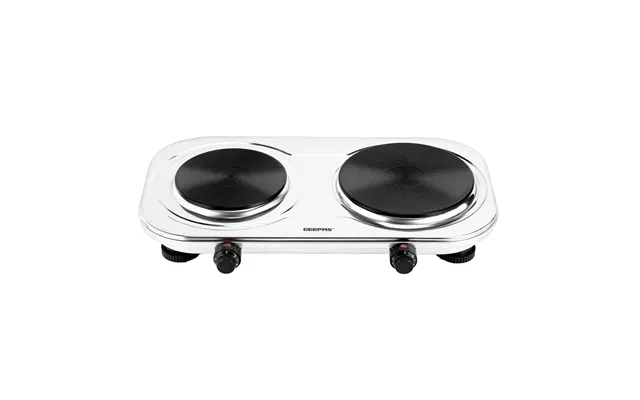
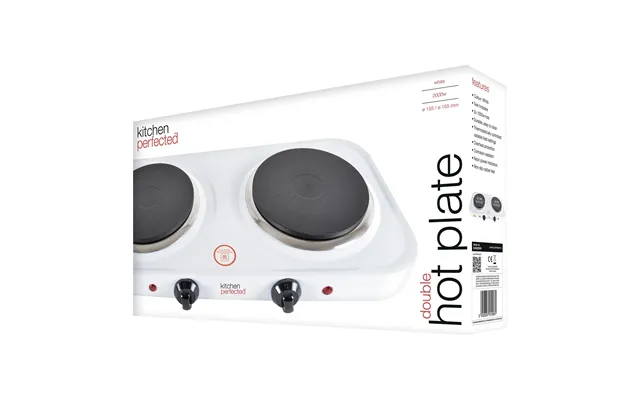
Double burners let you simmer a sauce and fry vegetables at the same time — ideal for meal prepping and entertaining in small spaces. They’re bulkier, often 15–20 in wide, but still much more compact than a full range. Choose double burners when you want the flexibility of two heat zones without permanently dedicating kitchen space to a large appliance.
Beyond burner count, several features separate a good hot plate from a great one. Keep an eye out for the ones that match how you cook and how much maintenance you’ll tolerate.
A hot plate with precise temperature control is a game-changer if you simmer sauces or temper chocolate. Look for adjustable dials or digital touch controls that let you set low, medium, and high ranges. In practical terms, you want a unit that can go gently warm for simmering and high enough for a strong sear.
If you plan to move a hot plate between rooms or take it on the road, weight and handle design matter. Stainless steel bodies and reinforced rubber feet make the device durable and stable. For travel, choose models that weigh under 10 lb and have a secure cord wrap or foldable handles.
Auto shutoff, overheat protection, and indicator lights that show when the surface is still hot are not just nice-to-haves — they’re essential. Children, crowded countertops, or a kitchen full of helpers can mean spills and accidents. A hot plate with a reliable safety system reduces worry and risk.
Hot plates aren’t only for people with small kitchens. They fit a surprising range of lifestyles and tasks.
Living in a compact flat or student housing often limits kitchen options. A hot plate gives you full cooking capability without taking up much space. It’s affordable, simple to use, and often allowed where open flames aren’t.
Portable electric hot plates are a boon when you want the comforts of home on the road. Paired with the right power source, they let you cook full meals inside an RV or tiny house. Induction plates are especially handy in tight spaces because they stay cool and won’t radiate heat throughout the cabin.
When the main range fails or you need an extra element for a big family meal, a hot plate fills the gap. Keep one tucked in a pantry and pull it out for holidays, parties, or emergency use — it’s a small investment that pays off when you least expect it.
Choosing the right hot plate boils down to three questions: How do you cook? How much space do you have? And how much effort do you want to spend cleaning and maintaining the unit?
For heavy frying and searing, pick models that advertise rapid heat-up and responsive controls. If you mostly reheat dishes and make soups, a low-to-medium power plate will do just fine. Remember: faster heating often means higher power draw, so balance speed with your electrical setup.
Check the cooking surface size — 8 in to 10 in circles suit regular frying pans, while larger 12 in surfaces handle stockpots. If you want induction, make sure your existing pans are magnetic. One simple trick: test your cookware with a fridge magnet — if it sticks, you’re good for induction.
Keeping a hot plate in top shape is mostly about cleaning and safe habits. A little routine care goes a long way toward longevity and performance.
Always unplug and let the unit cool to room temperature — the surface can stay hot, especially with solid plates. Wipe with a damp cloth and mild dish soap for daily maintenance. For stubborn burnt-on food, a gentle scraper or specialized ceramic cleaner works well, but avoid abrasive pads that can scratch the surface.
Use flat-bottomed pans that sit evenly on the heating surface to avoid tipping. Keep cords clear of hot surfaces and never leave a hot plate unattended while in use. If your kitchen has limited ventilation, open a window or use a hood fan to reduce smoke from high-heat cooking.
There are plenty of reliable brands in the hot plate market. Below are general categories and examples of what to search for when comparing models on price comparison sites and retail listings.
Entry-level coil or small solid-plate units offer solid value and often cost less than a mid-range toaster oven. They’re ideal for basic reheating and simple frying. If you want inexpensive reliability, look for stainless steel bodies and manual dials rather than touch panels that can be costly to replace.
Premium models often combine induction technology, multiple program modes, and sleek glass surfaces. These units are faster and more precise and may include features like digital timers and child-lock settings. If you cook frequently and appreciate modern controls, splurging here can feel like upgrading your whole kitchen.
Induction plates lead in energy efficiency and speed. Well-regarded units typically feature variable temperature settings and power boost modes for rapid boiling. They’re a top pick for anyone who prioritizes speed and safety and already owns compatible cookware.
Hot plates are sold across general retailers, appliance stores, and niche kitchen shops. If you want the best price, use comparison sites that aggregate current offers and list model specs side-by-side — it’s like window-shopping without leaving your couch. Pay attention to seasonal sales: holidays and back-to-school periods often bring the deepest discounts.
Before you click “buy,” run through this short checklist: Do you need induction or a universal electric plate? Single or double burner? Is the surface size compatible with your cookware? Does the unit have safety features like overheat protection and hot-surface indicators? And finally — does it fit the space where you’ll cook?
Hot plates are surprisingly versatile tools that can transform small spaces, make travel cooking comfortable, and act as a reliable backup during busy gatherings. Whether you choose a simple coil model or a high-tech induction plate, focus on the features that match your lifestyle: size, heat responsiveness, safety, and ease of cleaning. With the right choice, a hot plate becomes more than a temporary fix — it’s a compact powerhouse that keeps your meals on track and your kitchen flexible.