All categories
Business & Offices
Electronics & Media
Fashion & Accessories
Groceries & Essentials
Health & Personal Care
Home & Living
Kids & Family
Sports & Outdoors
Search in ZoneOffer

Loading...
If you’ve ever tried slicing a tomato with a dull blade, you know the frustration—squashed fruit, uneven cuts, and a wobble of worry that your knife might slip. Sharp knives make cooking faster, safer, and more enjoyable. Think of a sharp blade like a precise pencil: it creates clean lines and gives you control. Whether you use an 8-inch chef’s knife or a small paring knife, keeping edges tuned pays off in every meal. This guide walks you through types of sharpeners, how to use them, and what to look for when comparing models, so you can pick the right tool and keep your kitchen running like a well-oiled machine.
There isn’t a single “best” sharpener for everyone—there are several approaches that fit different needs. Below are the main types you’ll encounter, each with its own personality and strengths.
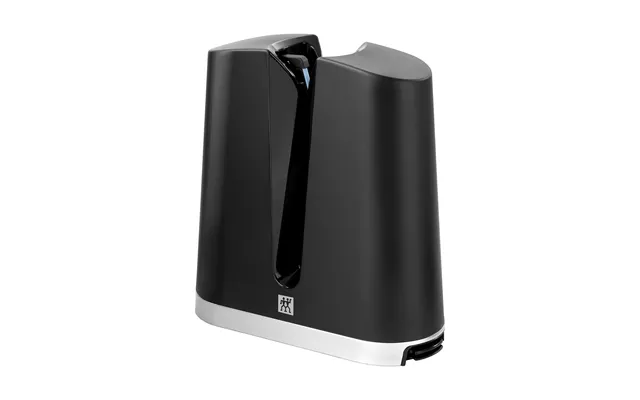
Electric sharpeners are like automatic transmissions: they do the heavy lift for you. You pull the blade through guided slots and motors provide consistent motion and pressure. Ideal for busy home cooks who want quick results for standard Kitchen Knives, many electric models provide multiple stages—from coarse reshaping to fine honing. Keep in mind that aggressive models can remove more metal, so use them sparingly on high-end blades. If you own a set of 8-inch and 10-inch knives and want repeatable results in minutes, an electric sharpener is hard to beat.
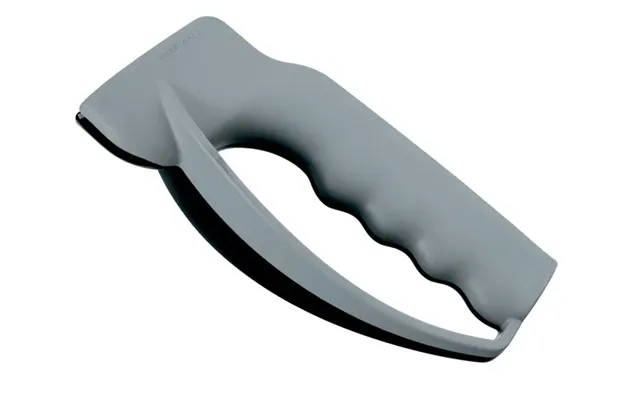
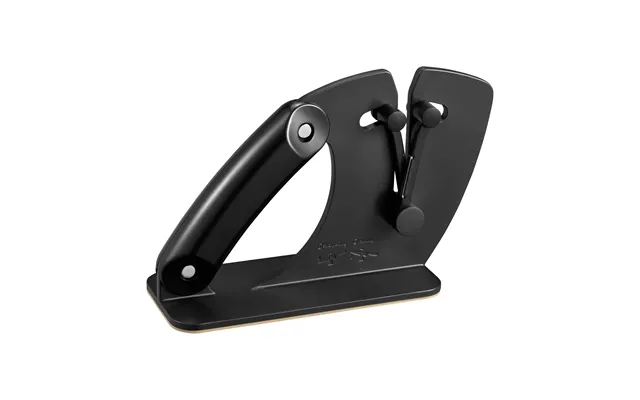
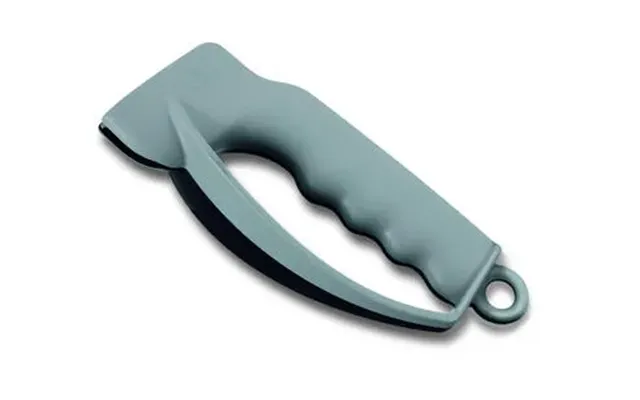
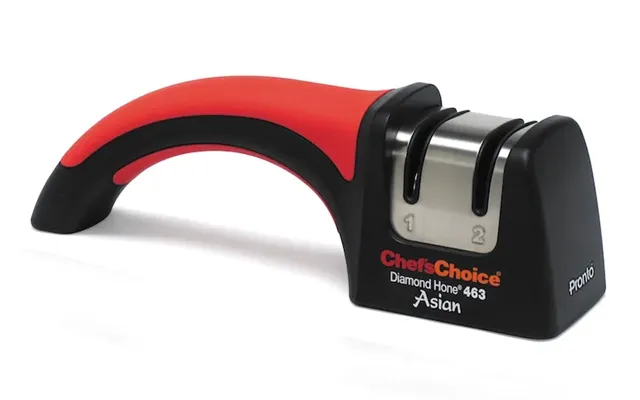
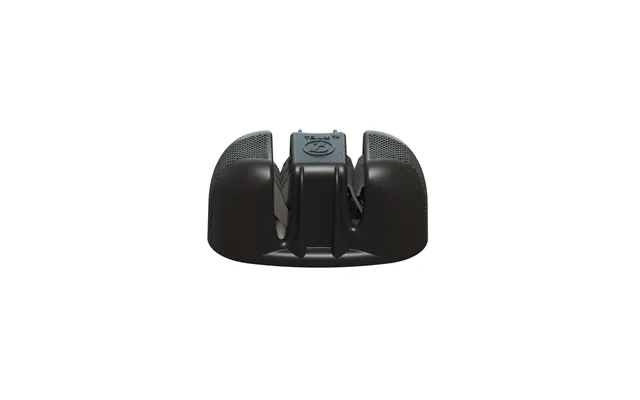
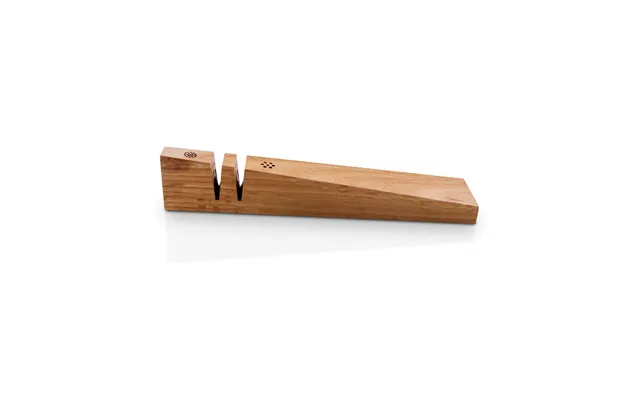
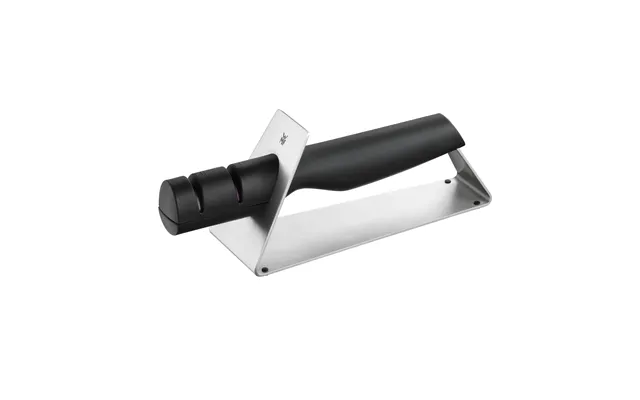
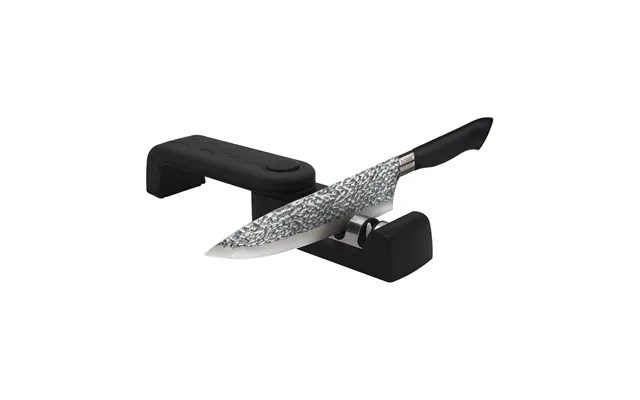
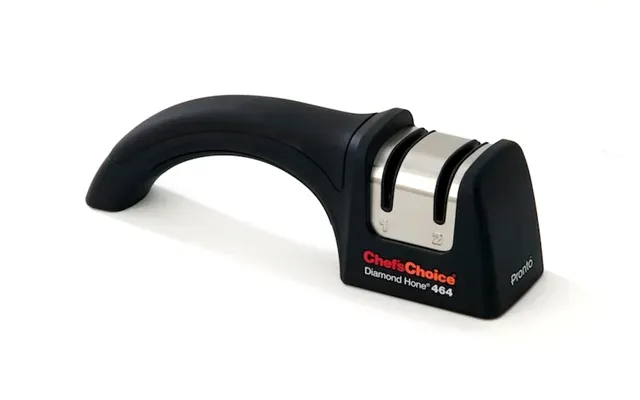
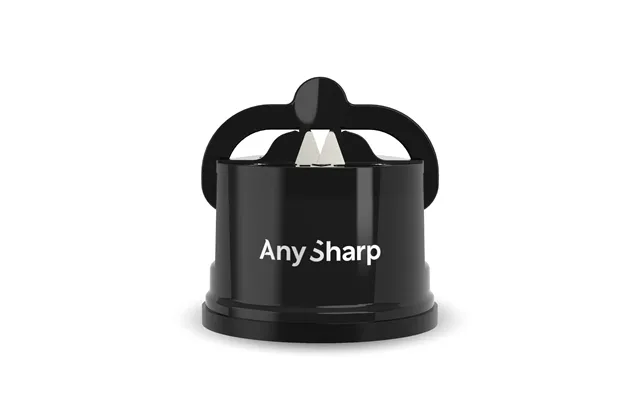
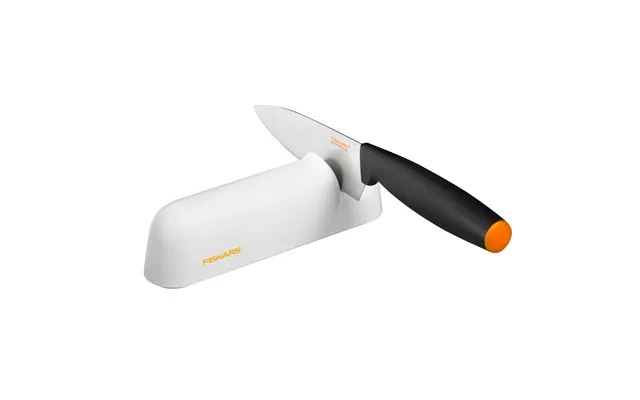
Pull-through sharpeners are compact and simple: you draw the knife through V-shaped abrasive slots. They’re great for quick touch-ups and are easy to use with no technique required. However, they often use fixed angles that don’t suit every blade—and overuse can wear edges unevenly. If you travel with knives, camp, or want a budget-friendly backup that fits in a drawer, a manual sharpener is a useful tool to have on hand.
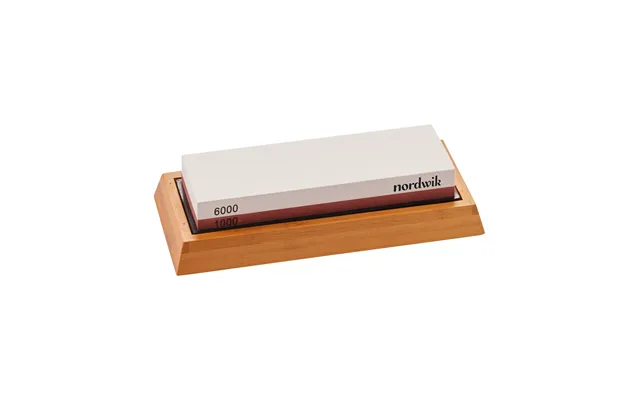
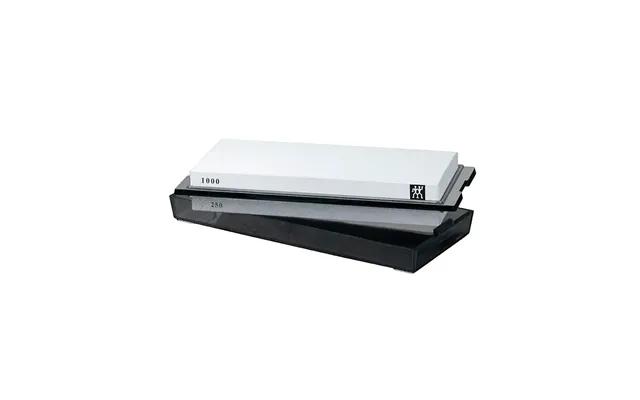
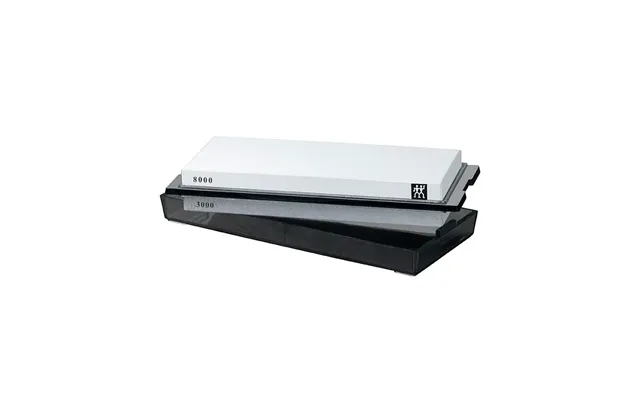
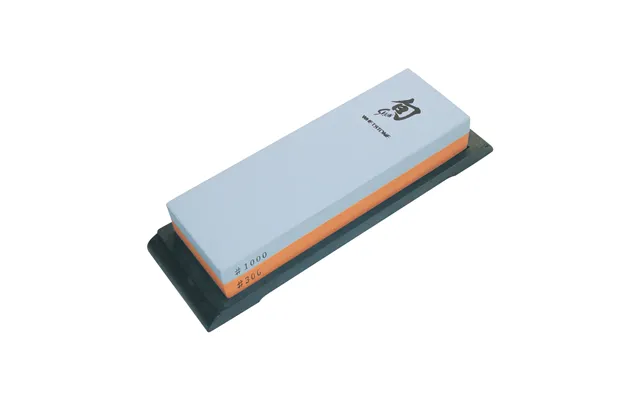
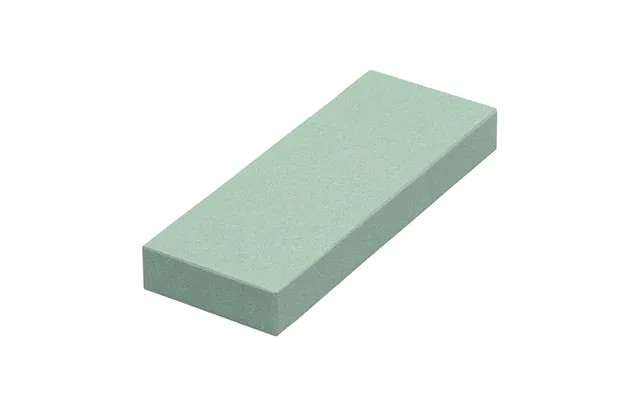
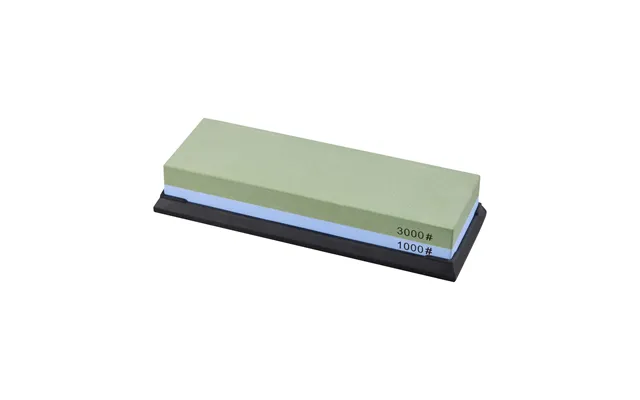
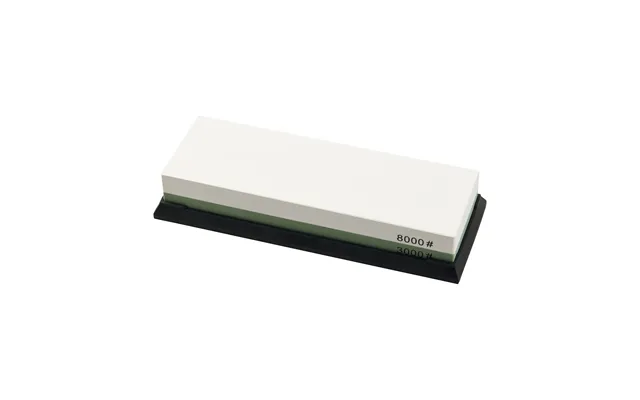
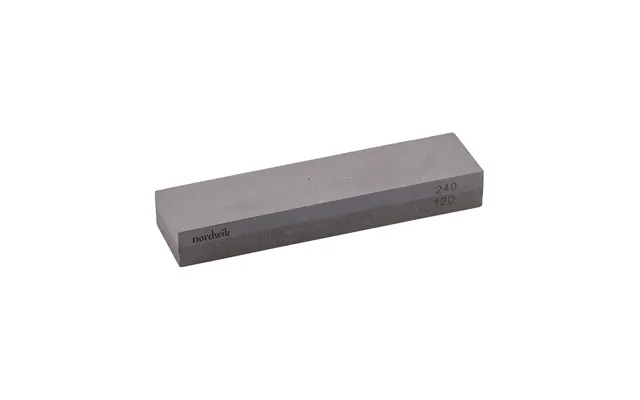
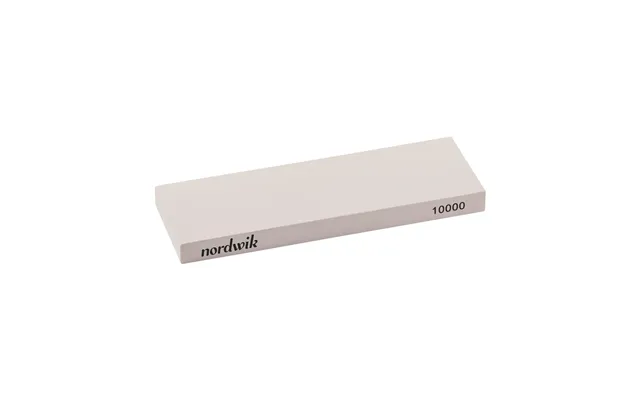
Whetstones are the artisan’s choice. These flat stones—often around 8 inches long and 3 inches wide—offer control over each stroke, which means you can shape and refine very precisely. Whetstones come in grit ranges: coarse for removing nicks, medium for shaping, and fine for polishing. They require technique and patience, but once you master a stone, you can tune any blade to razor sharpness. Chefs and enthusiasts love whetstones because they preserve blade geometry and deliver a superior edge.
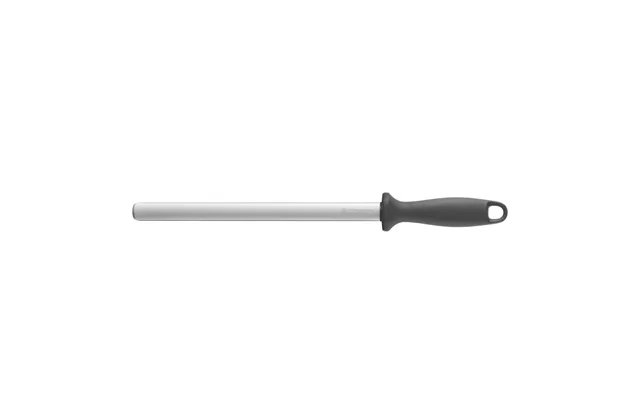
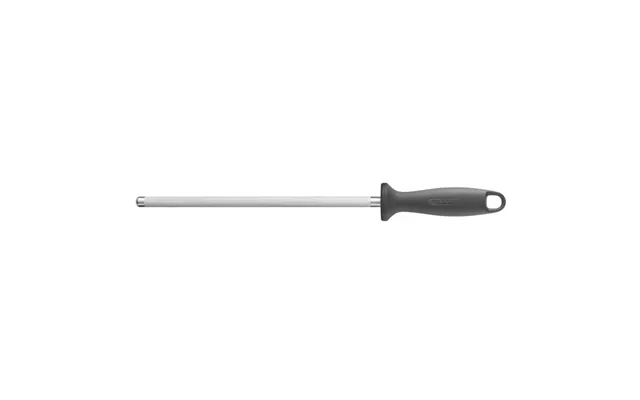
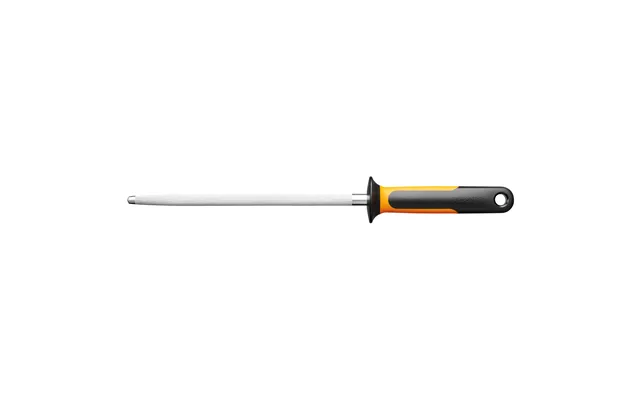
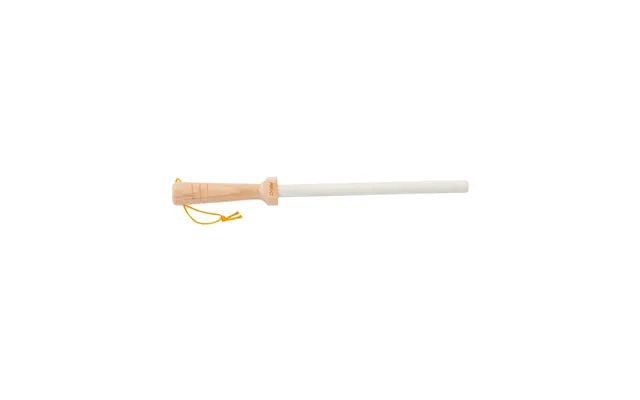
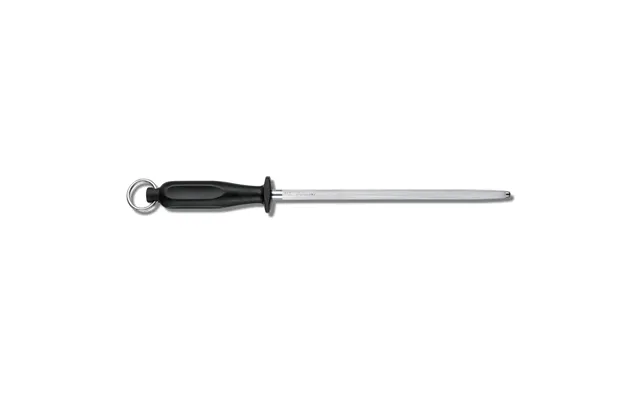
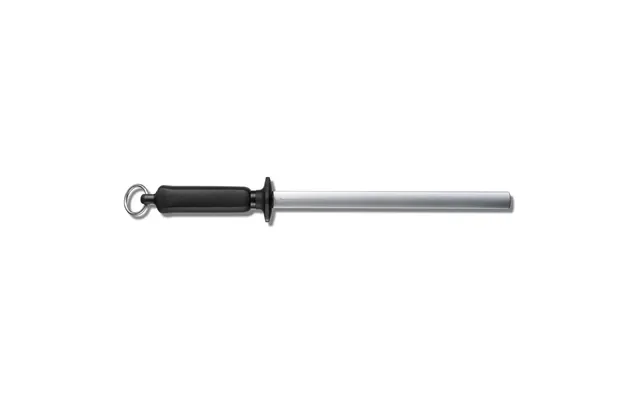
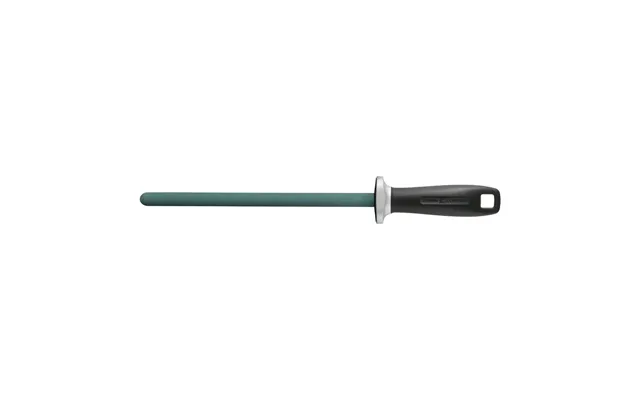
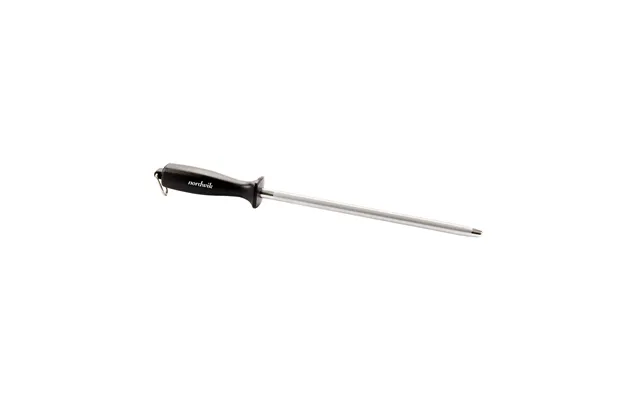
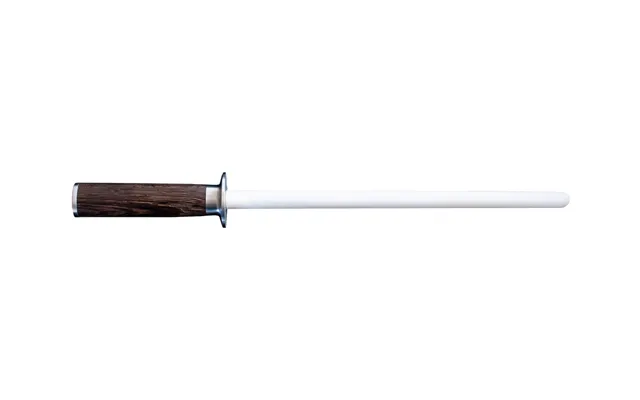
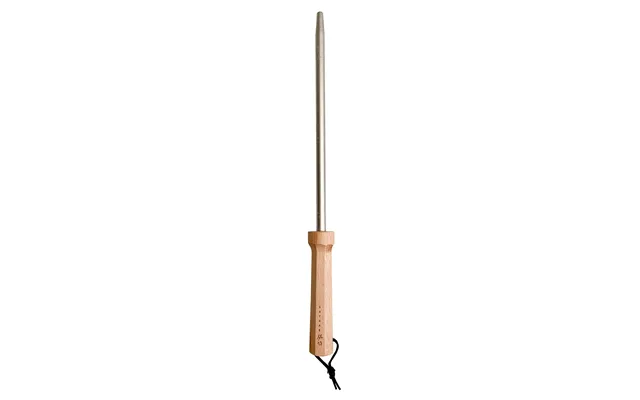
Honing rods (often called steels) and ceramic rods don’t sharpen so much as realign the edge. Think of them as quick combs for your blade’s teeth—useful between full sharpenings. A typical honing steel might be 10 to 12 inches long, giving you plenty of space to draw the knife. Ceramic rods offer a mild abrasive action and can remove a tiny bit of metal while realigning. Keep these tools accessible on your countertop and use them every few cooks to keep an 8-inch chef’s knife slicing smoothly.
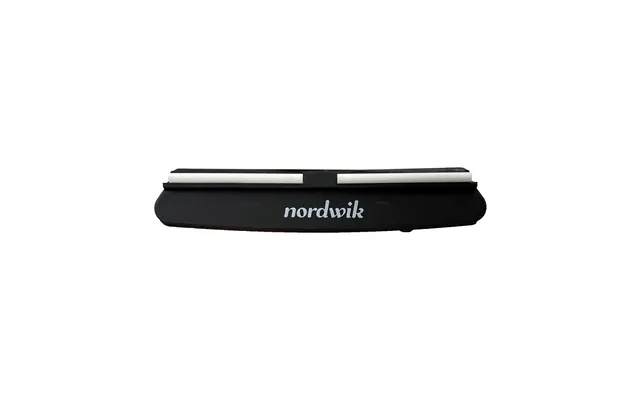
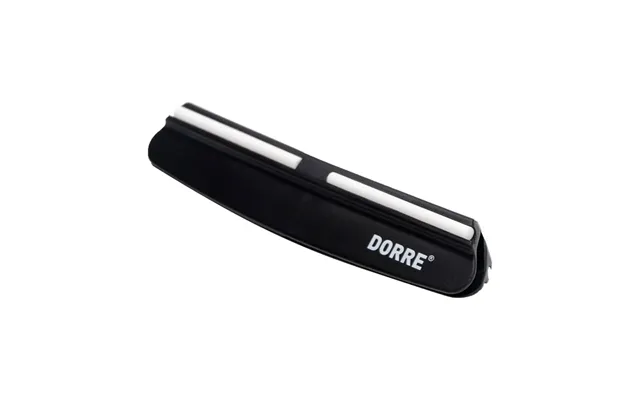
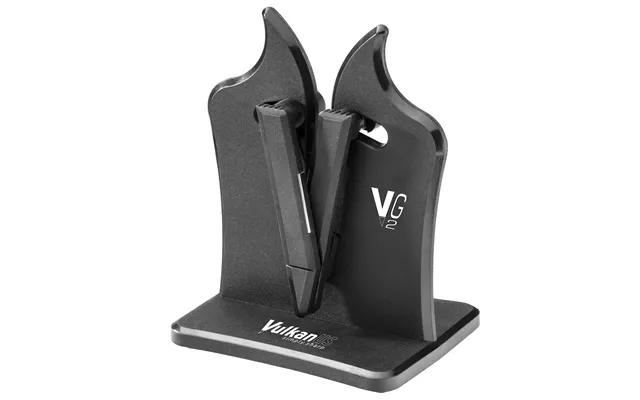
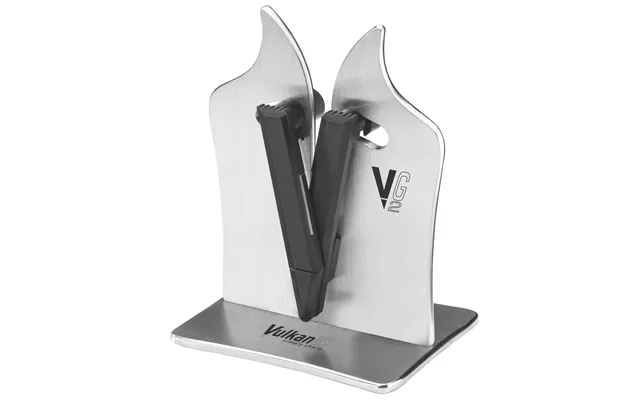
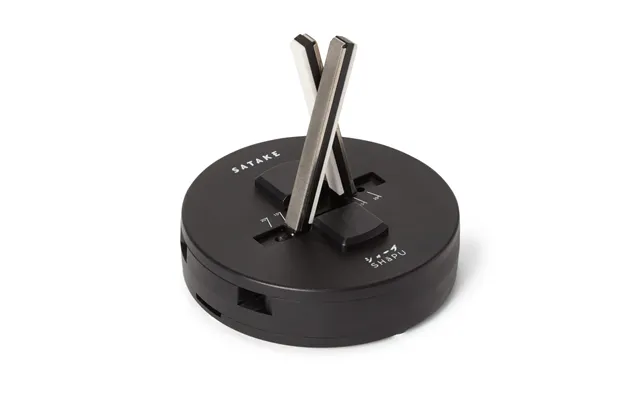
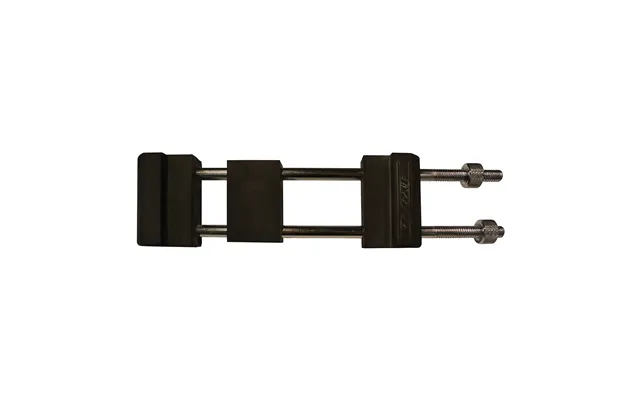
Guided sharpening systems clamp the blade and keep a fixed angle while you work through abrasive stones. They’re the camera tripod that steadies your hands when you need exact results. Ideal for hobbyists who want repeatable angles and beginners who prefer structure, guided systems simplify learning proper technique and prevent inconsistent strokes. They’re great if you own specialty knives—santoku, fillet, or high-end German blades—that benefit from precise angles.
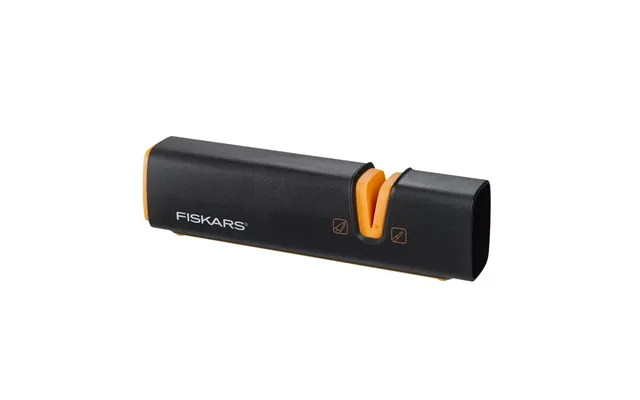
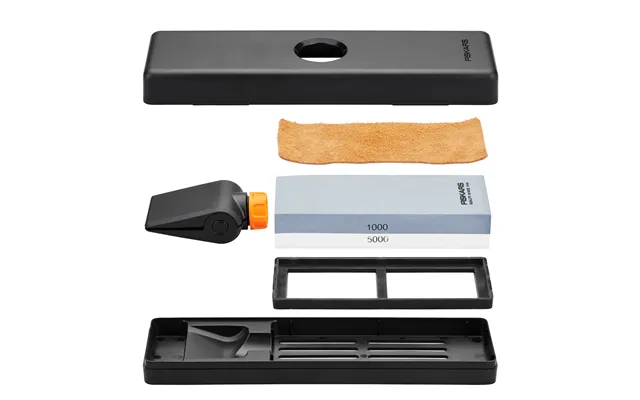
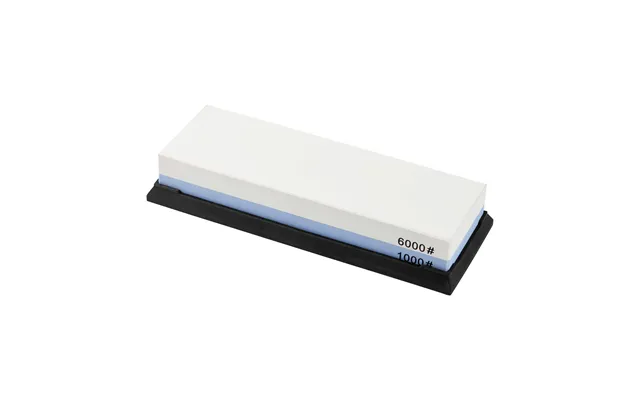
Diamond stones use tiny diamond particles bonded to a plate to cut metal quickly. They’re especially good for hard steels and damaged edges. Diamond sharpeners can come in handheld plates or as part of guided systems, and they work fast—great for restoring an abused 10-inch carving knife or a hunting blade. While they can be aggressive, using finer diamond grits lets you finish with a refined edge.
Choosing depends on who you are in the kitchen. Are you a weekend cook who wants low-maintenance convenience? An enthusiast who enjoys tuning blades like instruments? Or a professional who needs speed and precision? Think about blade types you own—Western chef’s knives often like 20-degree edges, while Japanese blades favor 15 degrees or less. Also consider frequency: do you want a tool for daily maintenance (honing steel or ceramic rod) or for periodic, deep sharpening (whetstone or diamond system)? Budget and counter space matter too—electric units take up room but save time, while whetstones need a flat surface and a little patience.
No matter which sharpener you pick, good technique helps. Here are straightforward steps for the most common tools so you can get started with confidence.
Start by reading the manufacturer’s guide—different models have different stages. Place the sharpener on a stable surface and insert the heel of the blade into the coarse slot at the recommended angle. Pull the blade slowly toward you, keeping even pressure, until the whole edge has passed once. Repeat for the other side if the sharpener doesn’t do both at once. Move to the finer stages for polishing. Remember: less is more—check the edge often to avoid over-sharpening.
Soak a waterstone for the recommended time (many need roughly 5 to 10 minutes). Place it on a non-slip base and hold the blade at the desired angle—15 to 20 degrees is common. Push the blade across the stone in a sweeping motion, from heel to tip, maintaining angle and pressure. After a set of strokes, flip to the other side and repeat. Move from coarse grit to medium, then fine, finishing with a few light strokes on each side to polish. Finish with a ceramic rod for alignment if needed.
Honing realigns the microscopic teeth along a blade, while sharpening removes metal to recreate a fresh edge. You can hone your knife frequently—after every few uses—without removing significant metal. Sharpening, using a whetstone, diamond plate, or electric sharpener, is something you do less often, perhaps every few months depending on use. Think of honing as brushing your teeth daily and sharpening as visiting the dentist for a filling—both are important, but they serve different purposes.
When you compare sharpeners, keep several features in mind to make an informed choice. These factors affect performance, longevity, and how comfortable the tool will be to use in your kitchen.
Grit refers to the coarseness of the abrasive. Coarse grits (around 220–400) remove metal quickly and fix nicks. Medium grits (800–1,000) shape the edge, and fine grits (3,000–8,000+) polish to a razor finish. Electric models often combine stages to approximate these ranges. If you want a single device that does everything, look for multi-stage systems that include a coarse and a fine setting.
Not all sharpeners are angle-friendly. Western knives often benefit from 18–20 degrees per side; Japanese knives might need 12–15 degrees. If you own both types, choose a sharpener with adjustable angle settings or use a guided system that allows precise control. Some manual pull-throughs are fixed-angle and can’t accommodate knives with unusual geometries.
Sharpeners should sit securely on your counter. Look for anti-slip bases, suction feet, or a wide footprint to prevent accidents. Electric units need clearance and a stable plug-in location; whetstones need a flat work surface. Also consider ease of cleaning—diamond plates and ceramic rods rinse easily, while some electric units may require occasional internal cleaning to remove metal filings.
There are several reputable names in the knife-sharpening world, each offering different strengths. Chef’sChoice electric sharpeners are famous for user-friendly, multi-stage sharpening. Lansky and Work Sharp make versatile systems—Lansky for guided kits that include angle guides, Work Sharp for belt systems that are fast and effective. If you prefer traditional stones, look into Shapton or King waterstones, which are well-regarded by professionals. Remember: the brand is a clue, not the full story—compare features like grit range, angle options, and build quality before deciding.
If you’re on a budget, a good manual pull-through or a basic electric model will handle routine needs and revive most household knives. Mid-range options—multi-stage electric sharpeners or guided stone kits—offer a great balance of control and convenience. At the premium end, high-quality waterstones, diamond systems, and professional guided rigs deliver surgical edge refinement and last a long time. Consider lifetime cost: a cheap sharpener might force you to replace knives less carefully, while a quality stone or guided system preserves blade life and resale value.
Small habits save a lot of sharpening work. Always store knives in a block, on a magnetic strip, or in blade guards to prevent dings. Hand-wash and dry knives immediately—dishwashers and sloshing around with other utensils dull edges fast. Hone regularly with a steel or ceramic rod to keep the edge aligned, and only perform full sharpening when you notice reduced performance or visible wear. Finally, avoid chopping on glass or stone surfaces—use wood or plastic cutting boards to protect the blade.
Sharpening requires respect. Keep your fingers behind the edge, move slowly, and use a clamp or non-slip base to secure tools. When using electric sharpeners, let the machine do the work—don’t force the blade. With whetstones, maintain steady, controlled strokes and a stable wrist. Always inspect the edge under good light when you’re done, and perform a careful paper test—if the blade slices cleanly through a sheet of paper, you’re in good shape. Safety goggles are overkill for casual users, but if you’re working on a damaged blade or using aggressive diamond tools, eye protection makes sense.
Choosing the right knife sharpener boils down to your routine, skills, and knives. Electric units give speed and consistency, whetstones deliver the highest precision, and honing steels maintain daily performance. Think of sharpening as a relationship with your knives—invest a little time and the results will pay dividends in every dish you prepare. Whether you’re chasing the perfect slice on an 8-inch chef’s knife or just keeping your paring knife tidy, the right tool makes cooking less of a chore and more of a pleasure. Happy sharpening—and enjoy the extra control and confidence a sharp edge brings to your kitchen.
| Knife Sharpeners | Price | |
|---|---|---|
| Chef’schoice Diamond Hone Sharpener Western, Santoku & Serrated Knives 3 Stage - Black | £ 30,- | |
| Chef’schoice Diamond Hone Knife Sharpener Hybrid 3 Stage - White | £ 92,- | |
| Model Dcb220 Dc Powered Electric Sharpener With Battery 2 Stage 20 Dizor - Grey With Gift Box | £ 115,- |