

Basters price list
Last updated Monday, 19 Oct 2026
| Basters | Price |
|---|---|
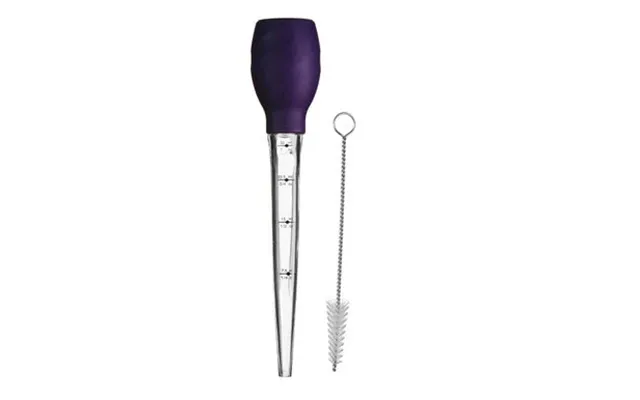
| Purple Silicone Baster Zing | £10.95 |
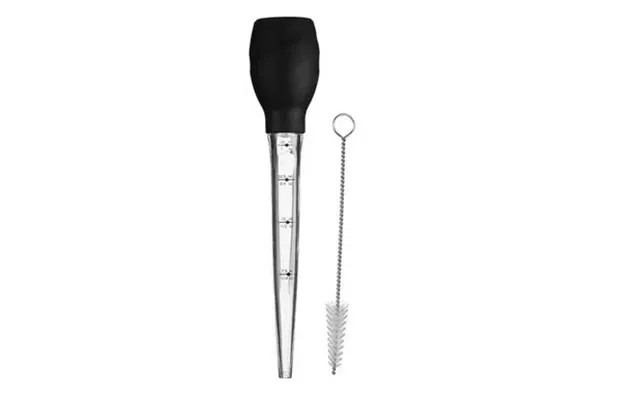
| Black Silicone Baster With Brush Zing | £10.95 |
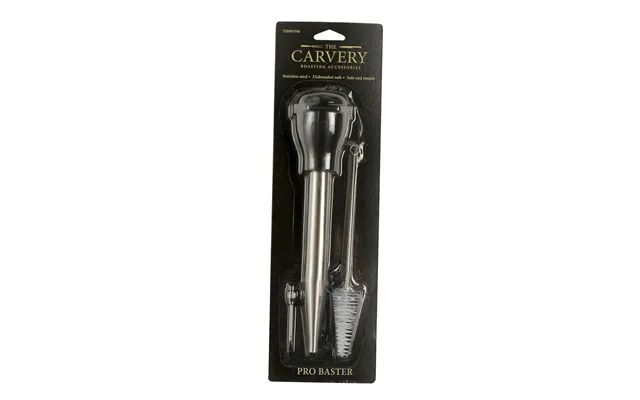
| Pro Baster & Flavor Injector | £14.39 |
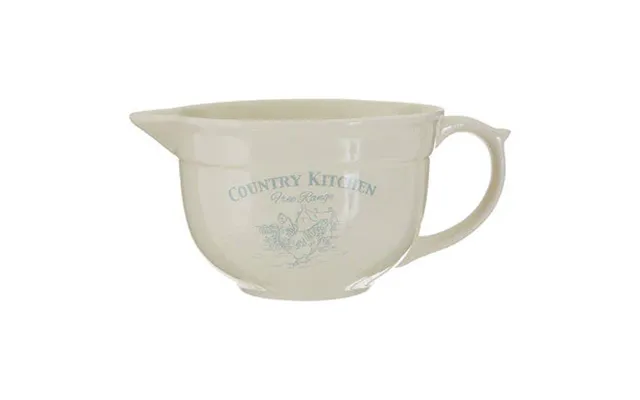
| Basting Jug Country Kitchen | £16.95 |





Loading...
Last updated Monday, 19 Oct 2026
| Basters | Price |
|---|---|
| Purple Silicone Baster Zing | £10.95 |
| Black Silicone Baster With Brush Zing | £10.95 |
| Pro Baster & Flavor Injector | £14.39 |
| Basting Jug Country Kitchen | £16.95 |
If you love roasting, braising, or glazing, a baster is one of those humble tools that quietly makes a big difference. At its core, a baster is a simple syringe-like device used to move juices, marinades, and sauces from a roasting pan back over meat or vegetables to keep them moist and add flavor. Think of it as a tiny weather vane for your roast — it helps steer moisture and flavor right where you want them. For home cooks and barbecue obsessives alike, the right baster can mean the difference between dry poultry and a succulent centerpiece that feeds both the family and the compliments.
Silicone basters are soft, flexible, and heat-resistant, usually rated up to 400–450°F. Their squishy bulbs and pliable tubes make it easy to suck up and release hot liquids without melting or warping. They’re great for delicate glazes and are often dishwasher-safe, which means cleanup is fast after a big roast. The silicone body also makes them less likely to scratch nonstick pans and easier to store since they can bend and tuck into drawers.
Stainless steel basters are built for durability and a more professional look. Typically featuring a stainless tube with a detachable silicone bulb or a built-in metal pump, they withstand higher temperatures and are less likely to stain from smoking marinades. They’re ideal if you want a heavy-duty tool that won’t deform near a hot oven or open flame. One trade-off is that metal tips can be less forgiving on delicate cookware, so pair them with an enamel or stainless roasting pan rather than a fragile nonstick surface.
Classic bulb basters use a rubber or silicone bulb attached to a tube. You squeeze the bulb, insert the tip into juices, and release to draw liquid into the tube. Bulb basters are simple, inexpensive, and easy to repair — replace the bulb when it loses elasticity. They’re perfect for casual cooks who need a reliable, no-frills tool for basting roast chickens, hams, or ribs.
For cooks who want flavor inside the meat as well as on the surface, marinade injectors or needle-style basters are the go-to. These tools use a syringe with a thick metal needle to deliver marinades several inches into the muscle, ensuring even distribution of flavor and moisture. They’re especially useful for large cuts like brisket or whole hams and for barbecuing, where long cook times can dry the interior. Capacity varies, but many hold 1–3 ounces per injection, allowing you to pulse flavorful juices deep into the meat.
Disposable basters are often made of plastic and come in packs for occasions when you prefer not to clean up bulky tools — think outdoor picnics or messy smoking sessions. While convenient and lightweight, they’re best used for short cooking tasks or when hygiene is a concern, since you can toss them after a single use. They’re not suitable near high heat or direct flame, so keep them for oven-based basting or cold marinating tasks.
Consider how much liquid you’ll typically move and how deep your roasting pan or smoker is. Tubes come in various lengths, commonly 6–12 inches. If you roast large birds or use deep pans, aim for a longer tube so you can reach the pan bottom without burning your hand. Capacity matters too; a 2–3 ounce tube lets you baste more efficiently, while a smaller 1-ounce tool requires more repetitive squeezing.
Check the maximum temperature rating — many silicone parts handle up to 400–450°F, while metal components can tolerate much higher heat. If you plan to baste while the meat is in a hot oven or near an open flame on the grill, prioritize basters with metal tips and heat-resistant tubes. Avoid placing plastic-only basters too close to direct fire to prevent melting or off-flavors.
Nozzles affect flow control and precision. Wide-mouth tips move thicker glazes and gravies faster, while narrow tips and needles allow for precision injections or controlled drips for delicate glazing. If you want one tool for both glazing and injecting, look for a baster with removable tips or included needles so you can switch functions easily.
Hygiene is crucial. Models that disassemble (separable bulb, tube, and tip) are far easier to clean thoroughly. Dishwasher-safe basters save time, but some parts like rubber bulbs may degrade over repeated cycles. If cross-contamination is a concern — say, between raw poultry and finished meat — choose designs with smooth internals that rinse clean, or opt for disposable tips for commercial-style service.
A comfortable handle or bulb matters when you’re basting a turkey that weighs 12–15 pounds and will need several passes. Bulbs that hold shape and tubes that resist kinking reduce frustration. Also consider how the baster connects to its tip — threaded metal fittings are more durable than snap-on plastic, especially if you’ll use it often.
Pastry brushes are excellent for thin sauces and delicate glazing, letting you paint on a sheen without too much pooling. However, a brush can push juices off a surface rather than redistribute deep into the meat, so for deep basting or re-moistening pan drippings, a baster is more efficient. Think of a brush as a paintbrush and a baster as a small watering can — both have jobs, but the watering can is better for saturating.
Spoons and ladles are dependable and simple: scoop pan juices and pour them over the meat. They work well for large batches and thick gravies but can burn your hand if you reach into a hot pan repeatedly. A baster offers more control and a longer reach, making it safer for frequent basting during long cooks.
Injectors are specialized for getting marinades into meat, while basters excel at surface moisture during cooking. If you want both interior and exterior flavor, use an injector before cooking and a baster throughout the cook for the best of both worlds.
When you’re roasting a whole bird, basting every 20–30 minutes keeps the skin moist and helps render fat evenly. Use a baster to gently pull up the juices from the bottom of the pan and drip them over the breast and legs. Keep your hand at least 6–8 inches away from the hot surface and work quickly to retain oven heat.
For brisket and ribs, save the baster for mop sauces and finishing glazes. Instead of frequent heavy basting that cools the meat, use thinner salsas or mop sauces and baste less often. With smoker temperatures hovering around 225–275°F, the baster becomes a painter’s tool for layers of flavor during the last hour of the cook.
When glazing hams or spiral-cut roasts, a baster applies sticky syrups or honey mixes evenly without mounding and burning. Short, controlled passes keep sugars from pooling and creating bitter burned patches. For sticky sauces, warm them slightly to thin them out before basing, and use a wide nozzle for faster coverage.
Yes, basters aren’t just for meat. Use them to evenly distribute syrups over warm cakes or to brush fruit tarts with a light apricot glaze. The precise drop control can prevent soggy bottoms by allowing measured application compared to a full-on brush soak.
Disassemble your baster after each use. Rinse the tube and nozzle under warm water to flush out drippings, then use a narrow bottle brush to scrub the inside before a final dishwasher cycle if parts are rated for it. For stubborn residue, soak in a mild solution of warm water and vinegar for 10–15 minutes and then scrub. Avoid leaving rubber bulbs submerged for long periods to prevent deterioration.
If the bulb loses elasticity, if metal tips bend, or if plastic tubes crack, it’s time for a replacement. Bulbs that no longer form a tight seal will reduce suction, making the baster ineffective. Many manufacturers sell replacement bulbs or tips separately, which is cheaper than buying a whole new tool.
Store basters disassembled and dry to prevent mold or unwanted smells. Keep small needles and tips in a dedicated container away from reach of children. A hook above the stove or a dedicated utensil drawer works well — just ensure the metal parts aren’t rubbing against delicate cookware.
You can baste all you want, but true doneness comes from internal temperature. A reliable instant-read thermometer helps you know when to stop basting and pull the meat. For poultry, aim for 165°F in the thickest part; for pork roasts, around 145°F plus rest.
If you enjoy deep-seasoned meats, an injector is a must-have alongside your baster. Keep spare needles on hand in case one bends or clogs with particulates from a chunky marinade. Stainless needles are easier to clean and more durable for repeated use.
Pairing a baster with long tongs and heat-resistant gloves makes the job safer when you’re reaching into a hot oven or over coals. The gloves guard against splatter while tongs let you rotate and hold meat steady while applying juices with precision.
Prices for basters range from the budget-friendly $5 disposable models to heavy-duty stainless or injector kits in the $20–$40 range. When shopping, compare features like tube length, temperature rating, included tips, and whether spare bulbs are available. Use comparison sites to scan user reviews, heat ratings, and warranties so you get a model that matches how often you cook and what you cook most — whether it’s an annual holiday turkey or weekly smoked brisket sessions.
A good baster is a small investment that pays off every roast night. From silicone bulbs for gentle glazing to stainless steel injectors for deep marinades, there’s a baster to fit your kitchen style and cooking habits. Prioritize heat resistance, ease of cleaning, and the right nozzle for your tasks, and pair it with a thermometer and tongs for safer, tastier results. With the right tool and a little practice, you’ll be turning out juicier roasts and richer glazes that keep family and guests asking for seconds.