

Pastry Cloths price list
Last updated Monday, 19 Oct 2026





View 8 Offers
Loading...
Last updated Monday, 19 Oct 2026
If you love baking pies, tarts, or flaky pastries, a pastry cloth can become your best friend in the kitchen. Think of it as a tidy stage for your dough — it keeps flour where it belongs, prevents sticky disasters, and helps you roll with confidence. In this guide you'll learn what a pastry cloth is, how to pick the right one, how to use and care for it, and which accessories turn a good baking session into a great one. Ready to up your baking game? Let’s roll.
A pastry cloth is typically a sheet of tightly woven cotton, sometimes linen, often backed with rubber or silicone to keep it from sliding on your countertop. Bakers use it as a dedicated surface for rolling and shaping dough. Why do people love pastry cloths? They control flour, reduce sticking, and create consistent results without working your dough too hard. If you’ve ever wrestled with a sticky pie crust that tore in a dozen places, a pastry cloth will feel like a small miracle.
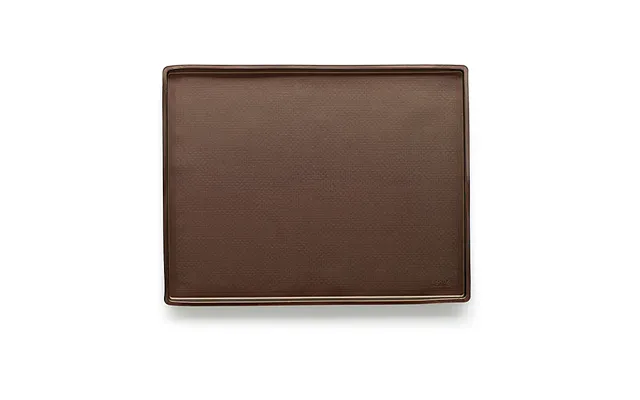
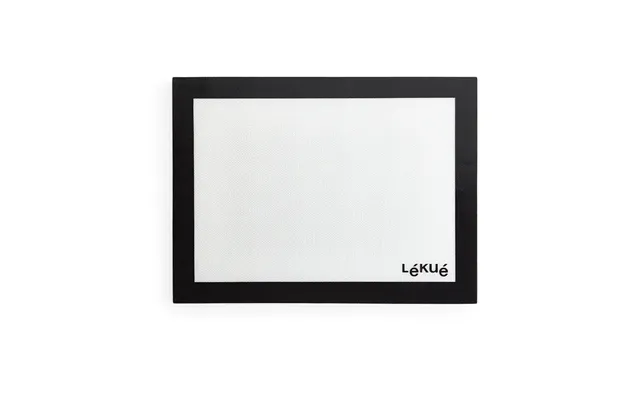
Both pastry cloths and silicone mats aim to make rolling dough easier, but they use different approaches. A pastry cloth breathes and absorbs a touch of moisture, which can help delicate doughs, while a silicone mat provides a nonstick, temperature-resistant surface ideal for heavy-duty tasks and oven use. Prefer a natural feel? Reach for cotton. Want something easy to wash and oven-safe? Silicone might be your go-to. Many bakers keep both on hand, using the cloth for pastry and the silicone for cookies or roasting.
Cotton pastry cloths are gentle on dough, so crusts remain flaky rather than gummy. They handle light dustings of flour well and can be folded to flare out work areas for different tasks. Sizes like 16 x 24 inches or 24 x 36 inches are common, offering room for a 9- or 10-inch pie or a large sheet of puff pastry. The natural texture helps prevent slippage while keeping dough cool — a real plus when you want layers of butter to stay solid in the pastry.
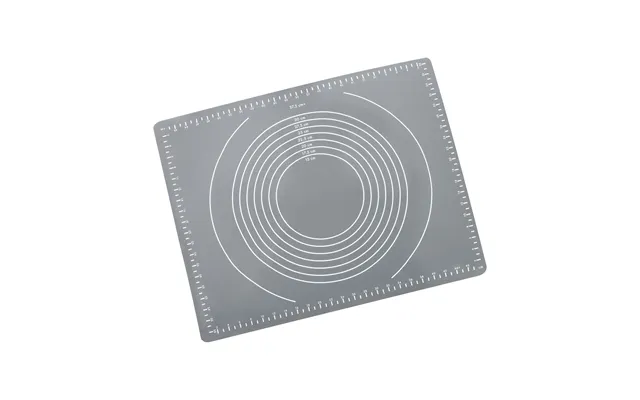
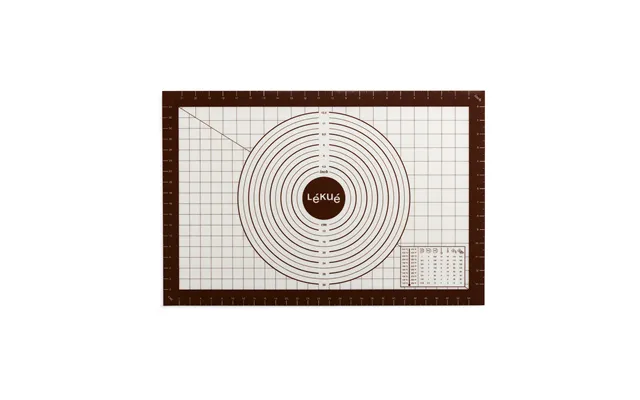
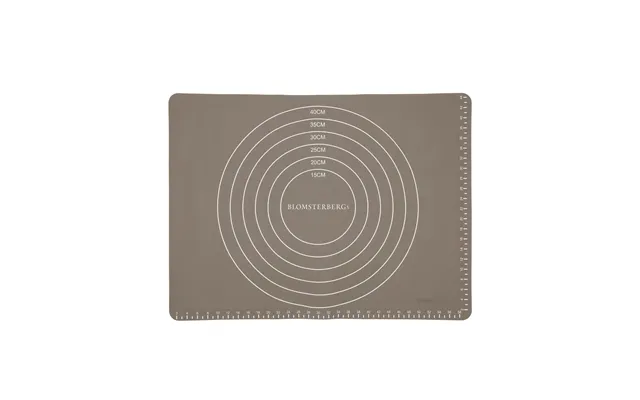
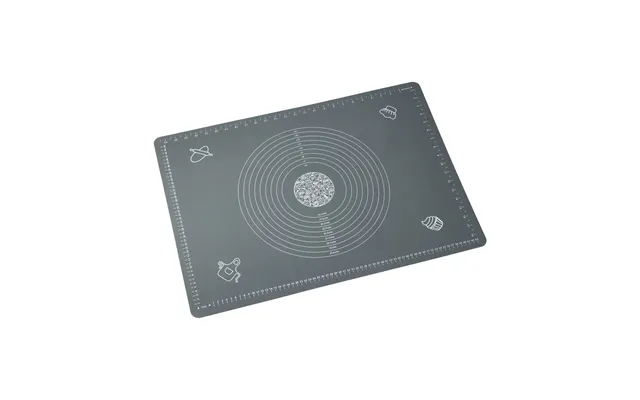
If you bake at high volume, need an oven-safe surface, or prefer something wipe-clean, silicone mats win. They’re great for sticky doughs, making cookies, and even rolling out fondant. Silicone mats often have measurement markings in inches pre-printed, which helps you get consistent diameters. But remember: silicone won’t absorb moisture or breathe the way cotton does, so for super-sensitive laminated doughs like croissants, many pros still prefer cloth.
Picking the right pastry cloth comes down to size, weave, backing, and markings. Think about counter space and the kinds of baking you do. Do you make single pies or dozens of croissants? A 24 x 36-inch cloth gives lots of room, while a 12 x 18-inch cloth can be a tidy choice for small kitchens. Look for tightly woven fabric for smooth rolling, and consider a cloth with printed guides in inches if you want help sizing crusts. A non-slip backing or a board underneath keeps the cloth steady so you don’t chase dough across the counter.
Size matters. For most home bakers, a cloth that’s at least 16 x 24 inches works well for pies and tarts. If you want to roll large pizzas or batch-bake pastries, opt for 24 x 36 inches. Cotton or cotton-linen blends give the best tactile feedback for dough. Some pastry cloths come pre-treated or with a special coating to resist stains and increase non-slip properties, which is handy if you’re using butter-rich recipes that can leave marks.
A non-slip backing keeps the cloth from shifting as you roll. If your countertop is slick, backing is a must. Printed guides with concentric circles in inch increments, or inch rulers along the edges, are invaluable for getting consistent sizes — especially for pies that need to fit a dish snugly. Look for markings in inches to match your measuring habits; avoid metric-only guides since this article sticks to imperial units.
Using a pastry cloth is simple once you practice. Start by shaking a light dusting of flour over the cloth — a thin, even coat is usually enough. Place your chilled dough in the center, and turn it frequently to keep it from sticking. Roll from the center outward in long, even strokes, rotating the dough occasionally to maintain shape. If the dough sticks, lift the cloth edges slightly and add a touch more flour under the dough, rather than overworking it. When the dough reaches the thickness you want (often 1/8 to 1/4 inch for pie crust), fold it around your rolling pin for transfer, or roll onto the pin and place it into your pan.
A pastry cloth shines when paired with the right tools. A good rolling pin, a bench scraper, pastry cutter, and a flour dredger all complement a cloth to make rolling and shaping easier and faster. Consider also a pastry brush for egg washes and a cooling rack for finished pies. Together, these tools create a workflow that saves time and keeps your dough consistent from start to finish.
Rolling pins come in wood, marble, and stainless steel. A classic wooden pin is versatile and comfortable to grip, while a marble pin stays cool to the touch — ideal for butter-rich doughs where temperature matters. Barrel or French-style pins let you feel the dough thickness better, while a pin with removable rings gives repeatable thicknesses in increments like 1/16 or 1/8 inch. For pies, a 10 to 12-inch pin is often ideal; for large sheets of dough, a 20-inch pin offers muscle-saving coverage.
A bench scraper helps you lift and move dough or clean leftover flour from the pastry cloth. Dough cutters and pastry wheels let you trim elegant lattice tops or divide dough into equal pieces, and a flour dredger gives an even dusting without clumps. These low-cost accessories often make the biggest difference in how smoothly a session goes — like adding a good pair of shoes to a long walk.
Cleaning a pastry cloth is straightforward but a bit different from washing other linens. Shake off excess flour first. If the cloth has stubborn dough bits, let them dry and brush them off before washing. Most cotton cloths can be hand-washed or machine-washed on a gentle cycle with mild detergent; avoid bleach, which can weaken fibers. Air-dry or tumble-dry on low. If your cloth has a non-slip backing, follow the manufacturer’s instructions — some backings prefer gentle hand-washing only. With proper care, a quality pastry cloth can last for years.
Store your pastry cloth folded or rolled in a cool, dry place, away from sharp objects that might snag the weave. If the cloth picks up a smell from strong spices, a soak in warm water with a touch of baking soda can refresh it. Periodically check for wear along edges and seams — a well-loved cloth develops character but should remain functional. Keep a dedicated flour brush or small broom nearby to sweep off countertops quickly after use.
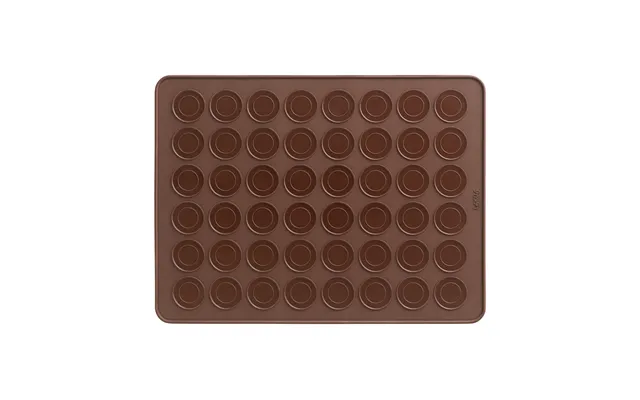
If a pastry cloth isn’t for you, there are close alternatives: silicone pastry mats with inch markings, wooden pastry boards, marble pastry slabs, and laminated pastry boards. Each has strengths: a marble slab chills dough fast, wooden boards give a natural feel, and silicone mats provide easy cleanup. Complementary products like digital food scales (showing ounces and pounds), oven thermometers, and quality pastry brushes and cutters elevate results and consistency. Experimenting with combinations helps you find the workflow that fits your baking style.
A pastry cloth opens up a range of projects. Try a classic double-crust apple pie rolled to 1/8 inch, or make mini fruit tarts using a 12-inch circle cut into six rounds. Puff pastry projects like palmiers or turnovers benefit from the gentle roll on cloth, and laminated doughs such as croissants need the cool, gentle surface a cloth provides. You can also roll homemade pasta to thin sheets or shape flatbreads — the cloth is versatile beyond sweet baking.
Even seasoned bakers make avoidable errors. One big mistake is using too much flour; this dries the dough and makes crusts tough. Use flour sparingly and add it under the dough, not on top. Another common error is overheating dough — keep ingredients and surfaces cool and work quickly. Also, don’t forget to measure thickness: a rolling pin with guide rings or a clear visual gauge helps keep everything uniform. Finally, avoid dragging the dough — lift and turn it to prevent tearing.
Before you buy, compare features: dimensions in inches, fabric weave, backing, and included accessories. Use comparison sites to read side-by-side specs, user reviews, and price history. Look for free shipping thresholds, bundled sets (cloth plus pin or scrapers), and cloths with printed inch guides if you want that extra convenience. Comparing helps you find the right combination of durability and cost so you don’t overpay for features you won’t use.
If you’re new to pastry cloths, start with a mid-sized 16 x 24-inch cloth and a basic wooden rolling pin. Practice rolling to a thickness of 1/8 inch for tarts and 1/4 inch for rustic pies. Keep your hands cool, take short rests if the butter softens, and rotate the dough frequently. Pros might invest in a marble slab or a pin with thickness rings. Above all, be patient — pastry is part precision and part intuition, and a good pastry cloth helps you develop both.
Whether you’re making your first pie or perfecting croissants, a pastry cloth gives you control, cleanliness, and better results. Paired with the right tools and a little practice, it turns intimidating tasks into enjoyable rituals. So pick a size that fits your kitchen, add the accessories that match your baking habits, and get ready to roll — the best crusts are asking for you to give them a try.
Pastry cloths are an underrated but powerful tool for home bakers and professionals alike. They help manage flour, protect dough, and simplify rolling, while pairing nicely with rolling pins, bench scrapers, and silicone mats. Choose a cloth that matches your kitchen space and recipes, keep it clean and dry, and you’ll find your pastry work becomes more consistent and less stressful. Ready to bake? A good pastry cloth will make sure you get more flaky layers and fewer sticky moments.