

Sink Caddies price list
Last updated Monday, 19 Oct 2026




View 17 Offers
Loading...
Last updated Monday, 19 Oct 2026
Think of a sink caddy as the little butler of your kitchen sink — tidy, discreet, and always on duty. If you’re tired of sponges, scrub brushes, and soap bottles crowding your basin or sitting in a puddle, a well-chosen sink caddy changes the game. It corrals wet items, speeds drying, and makes your sink look like it belongs in a magazine rather than a sink-side jam session.
Beyond aesthetics, a good caddy reduces bacteria growth by keeping sponges elevated and drained, so it’s a small investment with real health and cleanliness returns. Whether you’ve got a compact apartment sink or a deep farmhouse-style basin, there’s a design that fits your routine and space.
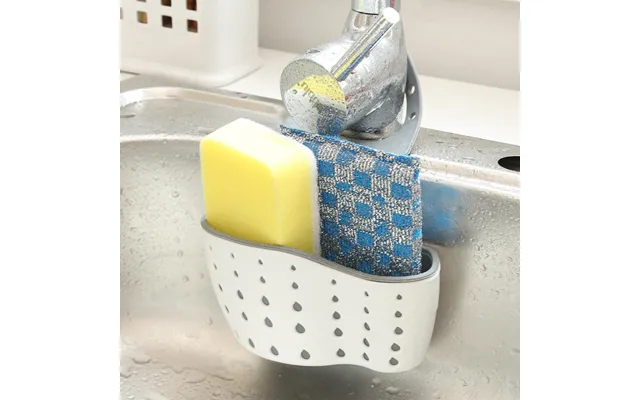
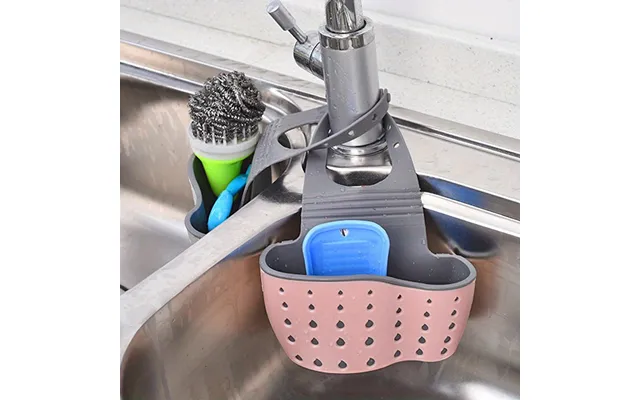
At its simplest, a sink caddy is a holder that organizes cleaning tools around the sink. Designs range from clipped-on pockets to freestanding trays and over-the-rim baskets. Some are single-compartment, perfect for a sponge and soap, while others come with multiple pockets and hooks for brushes and cloths.
They’re made from many finishes — stainless steel for durability, plastic for budget-friendly waterproofing, bamboo for a warm look, and silicone for flexible fit. The best models let water escape so items dry fast; the worst collect sludge and defeat the whole purpose.
Not every sink or kitchen habit calls for the same caddy. Picking a type that suits your sink rim, counter layout, and cleaning tools will save you frustration down the road. Below are the common types and when each makes sense.
These hang on the inner or outer rim of the sink and are ideal for single or double bowl sinks with a defined edge. Expect widths from about 6 to 12 inches, and look for adjustable arms or rubber grips so the caddy won’t wiggle when you reach for a sponge.
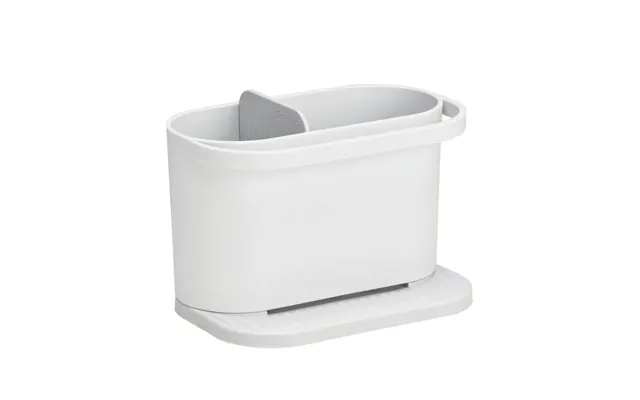
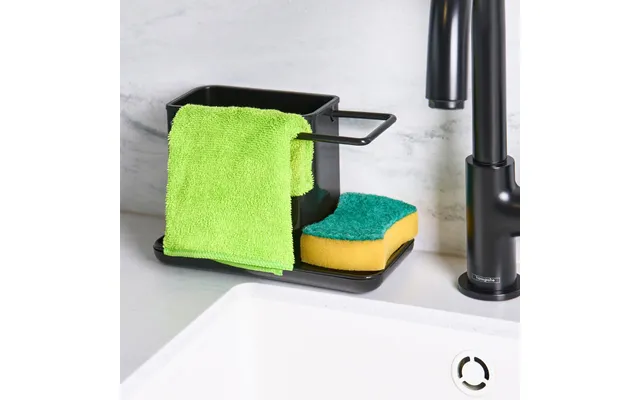
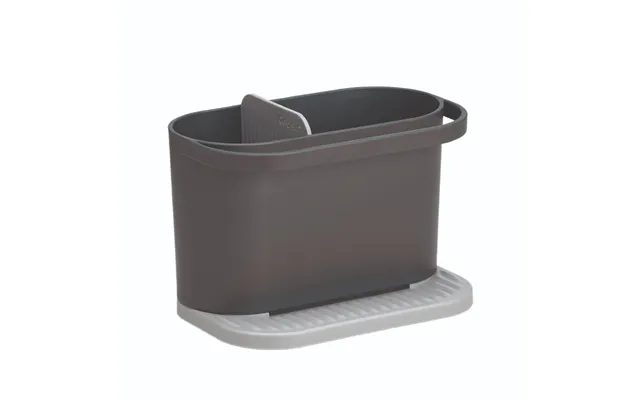
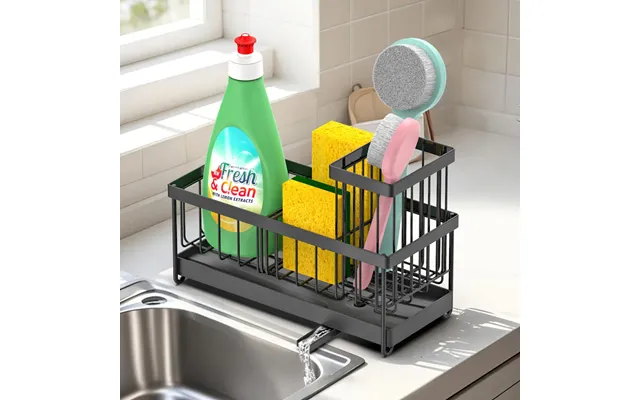
If your sink edge is rounded, undermounted, or you prefer not to attach anything to the basin, a freestanding tray is a great choice. They slide next to the sink on the counter and usually measure around 8 to 14 inches across, providing visible storage and a stable platform for bottles and brushes.
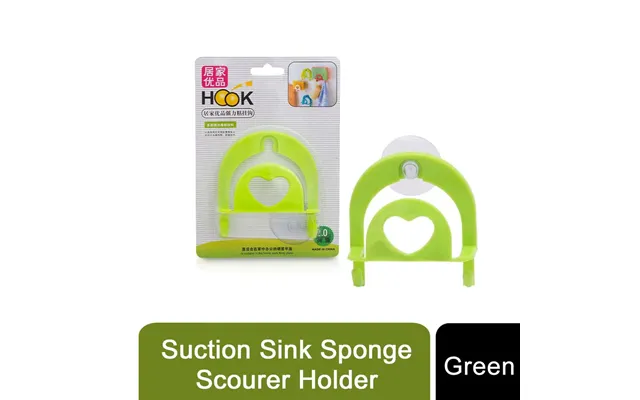
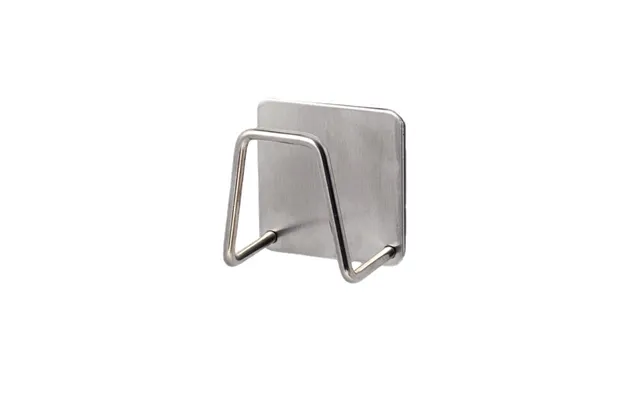
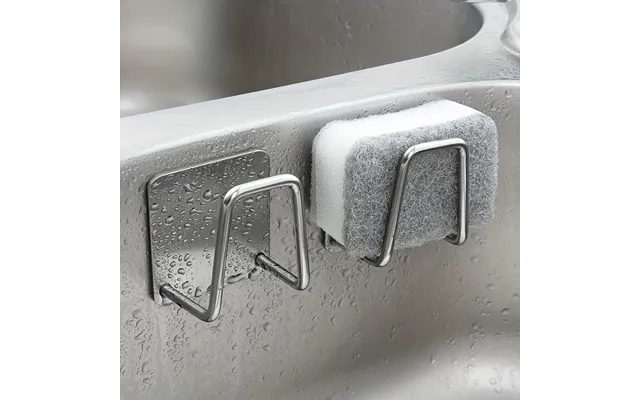
These are a good fit for tiled splashbacks or flat stainless surfaces. Suction mounts and heavy-duty adhesive pads keep the caddy off the sink and won’t require tools. However, suction models may lose grip over time, so choose ones with strong cups or replaceable pads if you want long-term reliability.
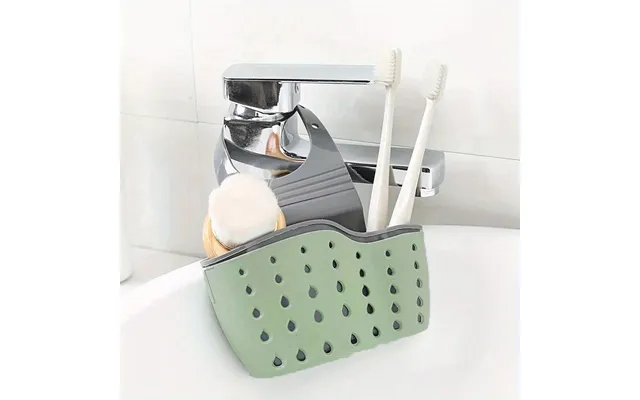
Clip systems hook onto the divider or basin lip and often include hooks for dishcloths. They’re compact and unobtrusive, usually under 6 inches deep, and work well in narrow sink areas where counter space is limited.
Buying a caddy isn’t just about looks. Several practical features separate the shelf-worthy models from the ones that end up in the back of a drawer.
Stainless steel resists rust and looks modern; choose 18/8 or 304 grade if possible. Plastic is light and inexpensive but can stain or warp over time. Bamboo offers a natural aesthetic but must be kept dry between uses to avoid mildew. If your sink sees heavy use, give material durability top priority.
Drainage is the MVP feature. Look for raised racks, perforations, or a tilted design that funnels water into the sink. A removable drip tray helps you empty water without moving the whole caddy; expect trays to hold a few ounces to a couple of cups, depending on size.
Measure the distance across your sink rim and the height of the backsplash before buying. Many over-the-rim caddies fit sinks that are 0.5 to 1.5 inches thick, and widths often range 6–14 inches. If you have a double sink, an expandable caddy that stretches to fit across both bowls is a smart pick.
Pick a caddy that you can dismantle. Removable compartments and trays let you rinse mold-prone corners and run pieces through the dishwasher if they’re dishwasher-safe. Smooth angles and powder-coated finishes resist grime better than textured plastics.
Below are types and specific features to look for — think of these as design templates you can use while comparing products on price comparison sites or store catalogs.
Stainless-steel over-the-rim basket: An all-metal caddy 10 to 12 inches wide with an angled base and 1/4-inch drain slots. It resists rust, holds multiple brushes, and often includes a removable drip tray that collects about 4–8 ounces of water before emptying.
Expandable double-sink caddy: These span 18 to 30 inches and adapt to most double-basin setups. They usually combine a deep basket for scrubbing tools and a shallow shelf for liquid soap, keeping everything within arm’s reach without blocking the divider.
Bamboo tabletop caddy: If aesthetics matter and you prefer natural materials, a 9-inch bamboo tray with raised slats adds warmth. It’s ideal for minimalist kitchens but requires occasional oiling and drying to prevent swelling.
Silicone suction caddy: Flexible and easy to reposition, silicones are great for curved edges or flat splashbacks. Expect a compact footprint of 5 to 8 inches with strong suction cups and a small removable tray that’s easy to rinse under a faucet.
Magnetic sink caddy: If you have a stainless steel backsplash or refrigerator-style metal surfaces nearby, magnetic caddies hook on without drilling. They’re typically 6–10 inches and best suited for lightweight items like sponges and brushes.
Multi-compartment pull-out caddy: For the under-sink minimalist, a pull-out drawer insert keeps sponges and bottles hidden but ventilated. These inserts often measure 12 to 20 inches wide and slide smoothly on tracks, making cleaning items out of sight effortless.
Clip-on corner caddy: A compact 5- to 7-inch basket that clips to sink corners or dividers, saving the counter and offering a low-profile place for a single sponge or a soap bottle.
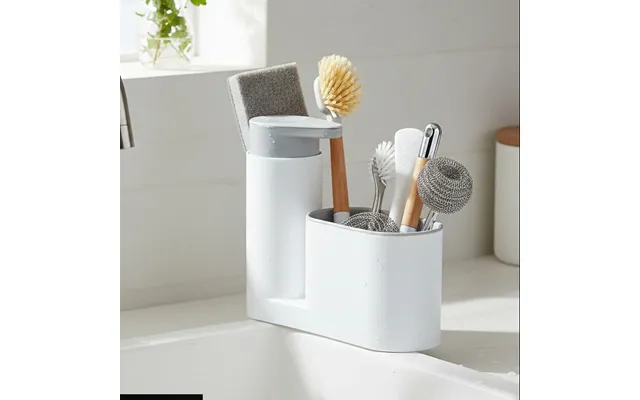
Accessory pairings: Consider pairing your caddy with an integrated soap dispenser (holds 10–20 ounces), a compact dish rack that folds to about 12 inches wide, or a silicone mat for drying delicate stemware. These accessories multiply the usefulness of your sink area and reduce clutter.
Installation varies by type, but the general rules are the same: measure first, ensure the surface is clean, and secure according to the manufacturer’s directions. For suction or adhesive models, wipe the surface with rubbing alcohol and allow it to dry before attaching to maximize grip.
For over-the-rim caddies, adjust the hooks to match your rim thickness and test for wobble. If the caddy comes with rubber feet or clamps, use them — they prevent scratching and reduce movement when you’re reaching for a sponge.
Maintenance is simple: empty the drip tray daily or every few days depending on usage, rinse the caddy weekly with warm water and mild detergent, and deep-clean monthly. Stainless steel can be polished with a soft cloth and a non-abrasive cleaner; bamboo benefits from a light coat of mineral oil every few months.
Buying based on looks without checking dimensions is the classic error. A beautiful caddy that’s 12 inches wide won’t fit on a narrow sink ledge that’s only 8 inches across. Always measure clearance, rim thickness, and the distance from faucet to sink edge.
Another misstep is overlooking drainage. A caddy that traps water becomes a breeding ground for odors and bacteria. If a model lacks good drainage, add a layer of small pebbles or a raised silicone pad to improve airflow and keep items dry.
If you prefer low-impact choices, bamboo and recycled stainless steel are excellent. Bamboo grows fast and looks stylish, while recycled steel reduces new metal production. Also look for models with modular parts so you replace one broken element rather than the whole unit.
Finally, choose neutral colors like black, white, or natural wood tones for longevity — a timeless finish means you won’t feel the need to replace the caddy when trends shift.
Think of your sink zone as a mini command center. Combine a sink caddy with a small drying rack that folds down to 12 inches for washing larger items, and tuck a slim under-sink organizer drawer that slides out 12 to 18 inches for detergents and extra sponges. This layered approach keeps surfaces clear and tasks efficient.
Integrate a built-in soap dispenser to reduce bottle clutter on the rim and add a magnetic hook on the side of your fridge or metal backsplash for hanging brushes. These coordinated items cut visual noise and make cleanup smoother — like turning a chaotic drawer into an orchestra.
Before you click “buy,” run through this checklist: measure your sink dimensions in inches, decide whether you want to hang or place the caddy, check the materials for rust resistance, confirm drainage features, and verify if parts are removable for cleaning. If you use heavy-duty scrubbing tools, choose a design that supports a few pounds without sagging.
Also consider warranty and replacement parts. A small investment in a model with spare parts or a solid warranty can pay off if clips or suction pads wear out. And if you’re comparing across retailers, look for product reviews that mention long-term durability — real-life usage tells you more than staged photos.
In short: yes. A sink caddy reduces mess, extends the life of sponges by helping them dry, and simply makes dish-time less nagging. It’s one of those small home upgrades that feel surprisingly luxurious because it removes tiny daily irritations. Whether you choose stainless steel, bamboo, silicone, or a magnetic model, the right caddy turns your sink from cluttered to clever in minutes.
Choosing the right sink caddy comes down to fit, drainage, material, and how you use your sink. Measure in inches, think about how you want items to dry, and pick a style that suits both function and your kitchen’s look. With the right caddy—and maybe a couple of smart accessories—you’ll reclaim counter space, reduce odors, and make dish duty a little less tedious. Ready to tidy up your sink area? A small caddy can make a big difference.