All categories
ZoneOffer
Search for products..
ZoneOffer
All categories
Spice Grinders
Explore unbeatable deals on premium spice grinders available in the UK. Elevate your culinary experience with top kitchen tools!
View
608
Offers
Clear filters
Filter
SAVE 34%
Phones Direct
Webshop
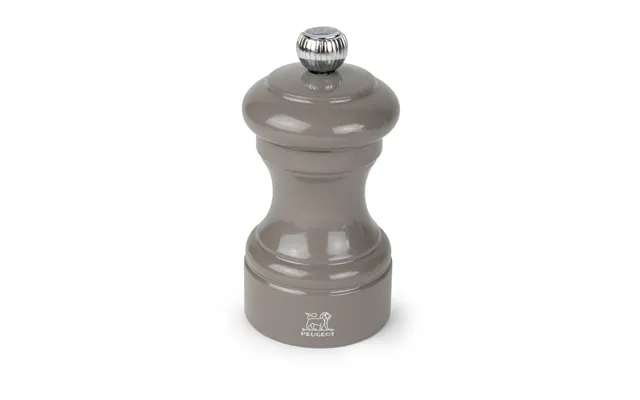
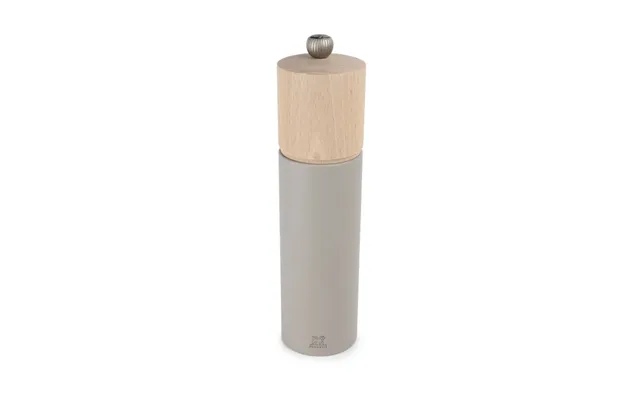
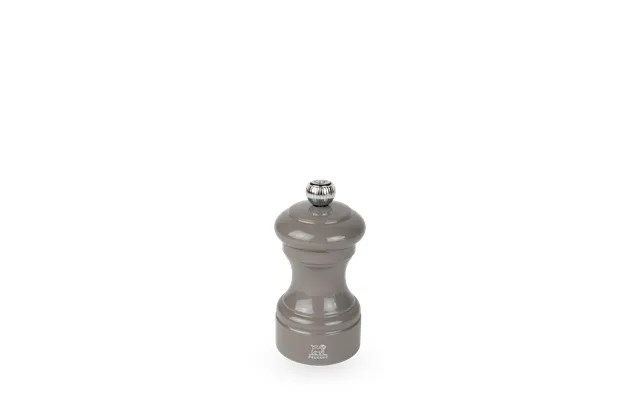
Peugeot Bistrorama Salt Mill 10 Cm Grey
£ 23
£ 35
View offer
SAVE 20%
Phones Direct
Webshop
The Aubergine Bistro Pepper Mill Is A Chic And Contemporary Reinterpretation Of Peugeot's First Pepper Mill - Created In
£ 27
£ 35
View offer
SAVE 44%
Nordic Nest
Webshop
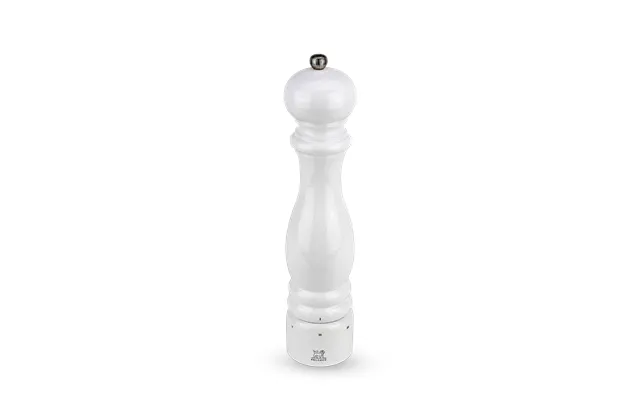
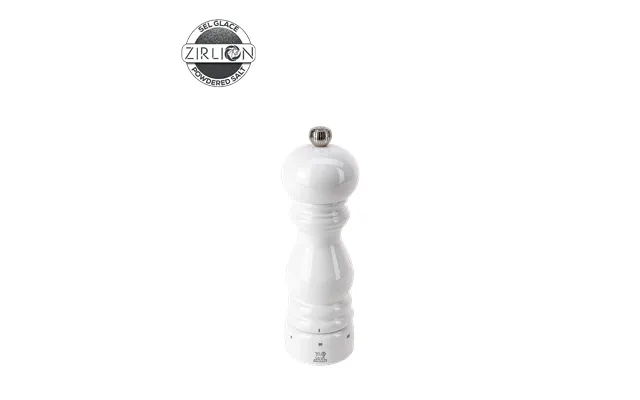
The White Gloss Finish On This Paris Pepper Mill Is Symbolic Of A Refined Simplicity That Will Inspire The Way You Exper
£ 52
£ 93
View offer
2
SAVE 40%
Phones Direct
Webshop
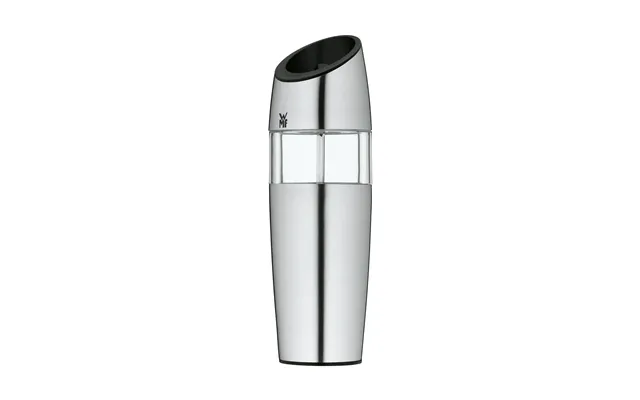
Wmf Ceramill Electric Spice Grinder Stainless Steel
£ 53
£ 88
View offer
2
SAVE 20%
Nordic Nest
Webshop
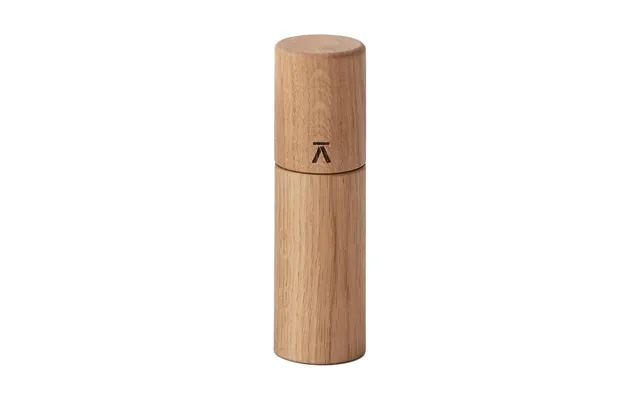
Andersen Furniture Andersen Salt Pepper Grinder 18 Cm Oak
£ 53
£ 67
View offer
SAVE 23%
Phones Direct
Webshop
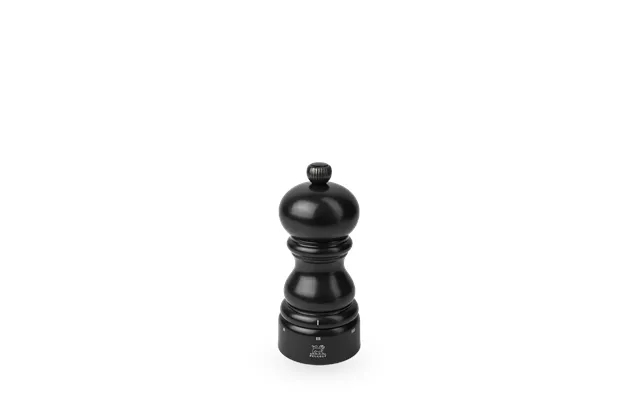
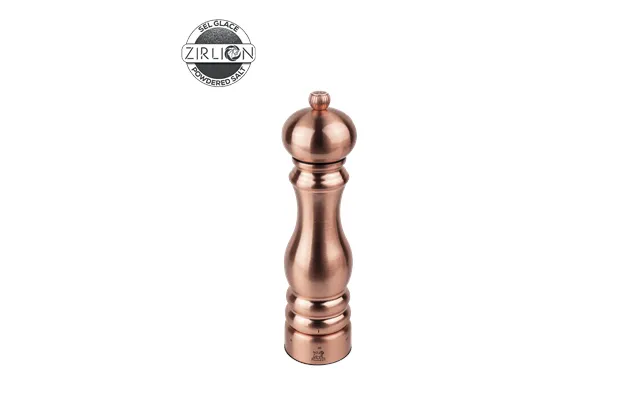
Peugeot's Paris Pepper Mill Is Instantly Recognisable By Its Classic Curves And Smooth Silhouette
£ 39
£ 50
View offer
SAVE 24%
Phones Direct
Webshop
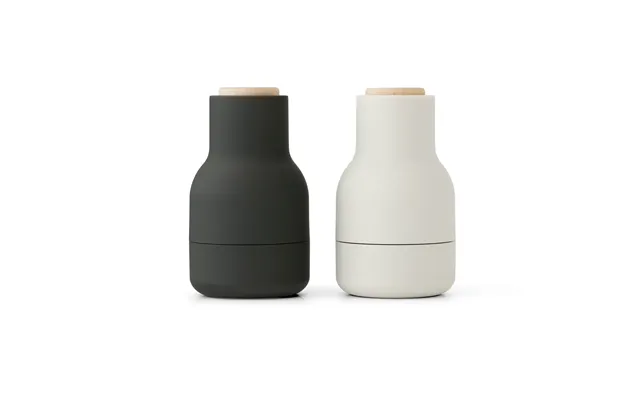
Audo Copenhagen Bottle Grinder Spice Mill - Small 2-pack Ash-carbon-beech
£ 42
£ 55
View offer
2
SAVE 11%
Nordic Nest
Webshop
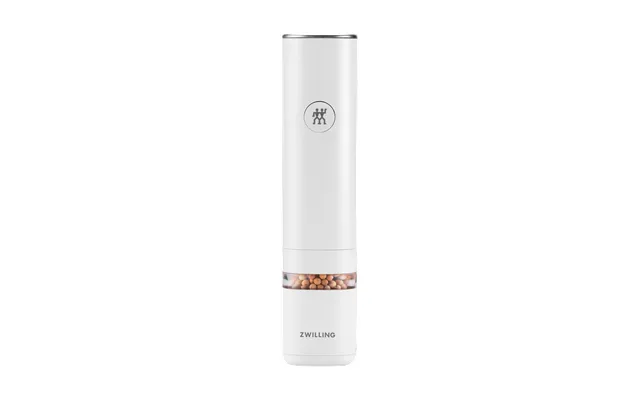
Zwilling Zwilling Electric Spice Grinder 22.5 Cm White
£ 49
£ 56
View offer
2
SAVE 39%
Nordic Nest
Webshop
This Paris U'select 18cm Salt Mill Embodies All The Purity - Simplicity And Optimism That Is Characterised By Its Colour
£ 37
£ 62
View offer
2
SAVE 21%
Nordic Nest
Webshop
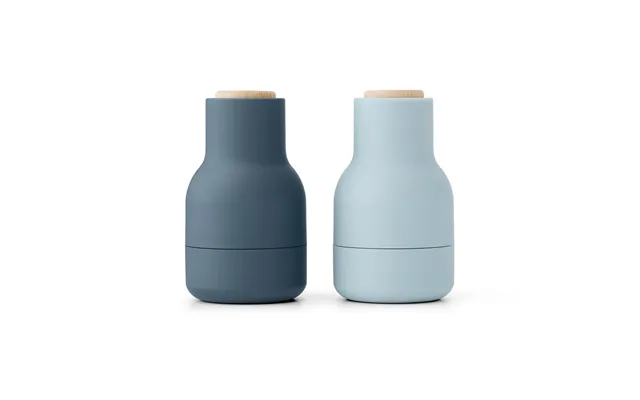
Audo Copenhagen Bottle Grinder Spice Mill - Small 2-pack Blues-beech
£ 43
£ 55
View offer
2
SAVE 18%
Phones Direct
Webshop
Gejst Sina Salt And Pepper Mill 6 Cm Oak-steel
£ 76
£ 92
View offer
Nordic Nest
Webshop
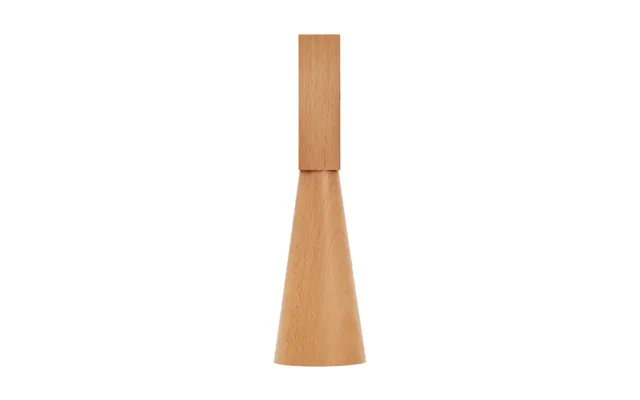
Hem Molino Vertical Salt- & Pepper Mill 29 Cm Beech
£ 139
View offer
Kitchen Knives
Webshop
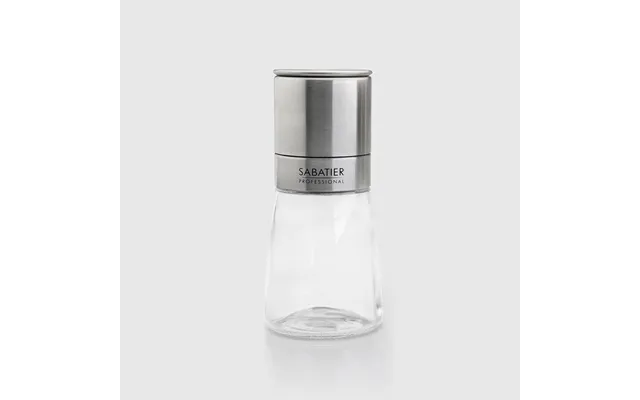
Sabatier Professional Marseille Salt Or Pepper Mill 14cm Sabm721cxs
£ 11
View offer
Kitchen Knives
Webshop
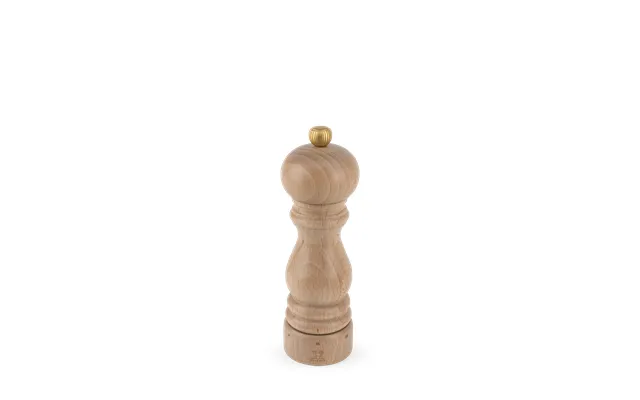
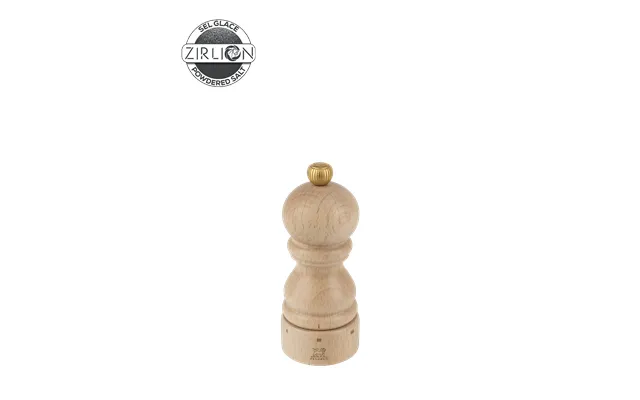
The Peugeot Paris U'select Natural Pepper Mill Is A Perfect Embodiment Of The Brand's Values - Elegance, Authenticity, T
£ 38
View offer
SAVE 32%
Phones Direct
Webshop
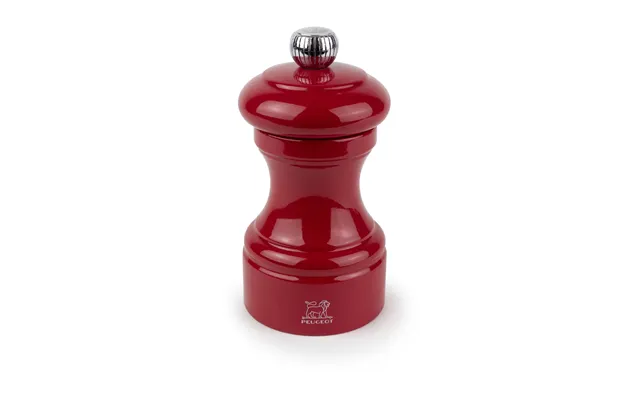
Peugeot Bistrorama Salt Mill 10 Cm Red Passion
£ 23
£ 35
View offer
Kitchen Knives
Webshop
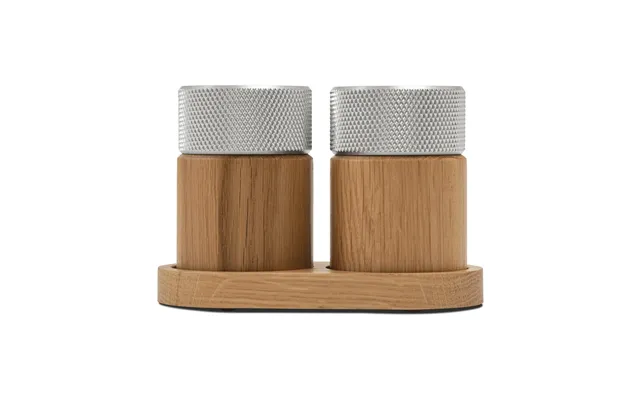
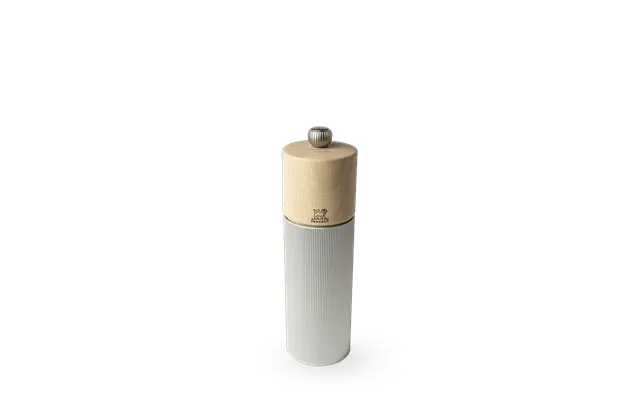
The Play Of Materials Between The Natural Wood And Aluminum Presented In This Pepper Mill Demonstrates A More Modern Sty
£ 44
View offer
2
SAVE 17%
Nordic Nest
Webshop
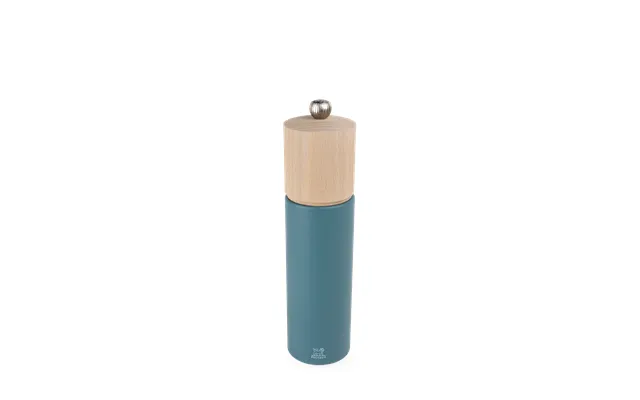
Peugeot Boreal Salt Mill 21 Cm Pebble Grey
£ 44
£ 54
View offer
SAVE 16%
Phones Direct
Webshop
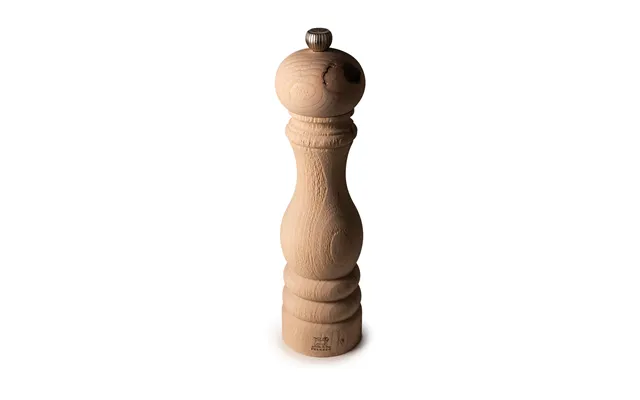
Peugeot Paris Nature Salt Mill 22 Cm Natural
£ 49
£ 58
View offer
SAVE 35%
Phones Direct
Webshop
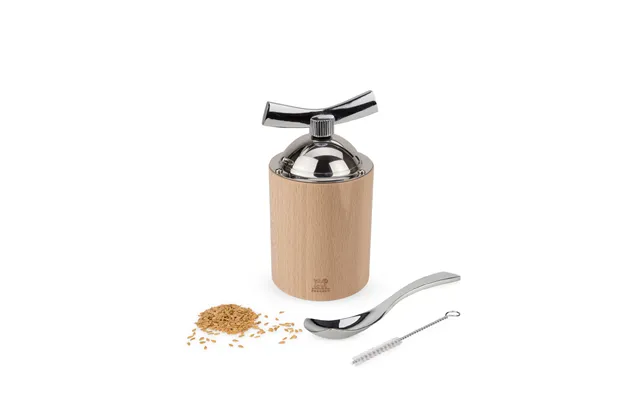
Isen Is Peugeot's First Flaxseed Mill Designed To Break Down The Tough Outer Shells And Unlock The Full Nutritional Bene
£ 60
£ 93
View offer
2
SAVE 30%
Phones Direct
Webshop
Peugeot's Classic Manual Wooden Pepper Mill Has Been A Favourite Among Fine-dining Fans For Many Years
£ 41
£ 58
View offer
SAVE 26%
Phones Direct
Webshop
The Iconic Bistro Pepper Mill Elicits Images Of French-style Cafés And Casual Dining
£ 25
£ 35
View offer
SAVE 15%
Phones Direct
Webshop
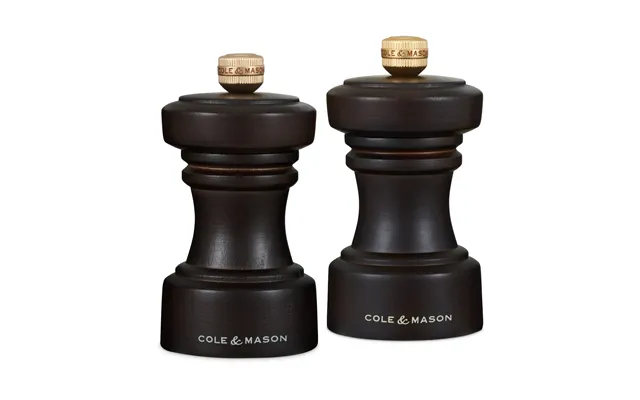
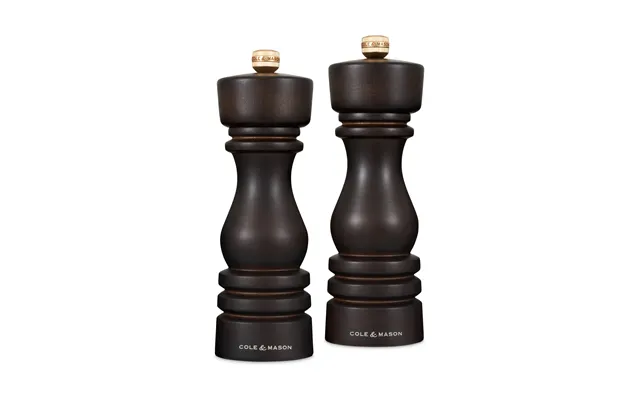
Cole & Mason Hoxton Salt And Pepper Grinder Set 10 Cm Chocolate
£ 56
£ 67
View offer
SAVE 25%
Phones Direct
Webshop
The Maestro Pepper Mill Is An Ideal Instrument Of Taste For Foodies To Explore The Exciting World Of Pepper
£ 46
£ 62
View offer
SAVE 38%
Nordic Nest
Webshop
Wooden Pepper Mill With A Minimalist Design And Natural Finish
£ 34
£ 54
View offer
2
SAVE 28%
Nordic Nest
Webshop
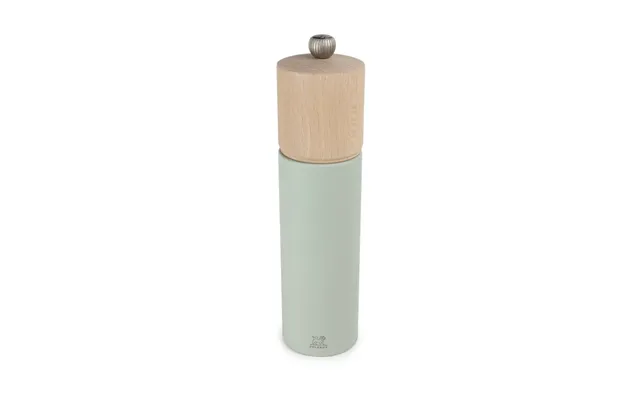
Peugeot Boreal Salt Mill 21 Cm Sage Green
£ 39
£ 54
View offer
SAVE 55%
Nordic Nest
Webshop
This Salt Mill In The Paris Collection May Be Small But It Is Mighty - Combining 200 Years Of Cutting-edge Innovation Wi
£ 21
£ 46
View offer
2
Phones Direct
Webshop
Cole & Mason London Salt And Pepper Grinder Set 18 Cm Chocolate
£ 93
View offer
SAVE 31%
Nordic Nest
Webshop
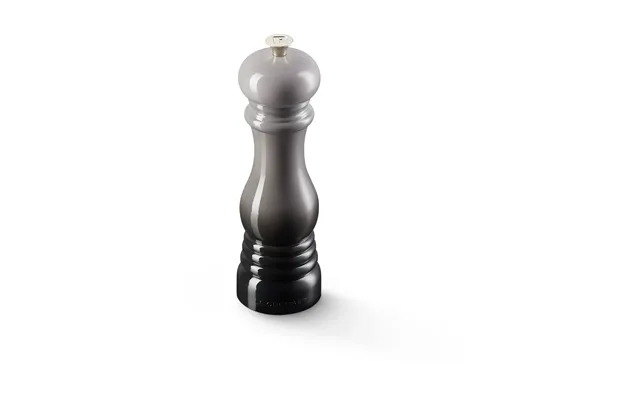
Le Creuset Le Creuset Salt Mill 21 Cm Black
£ 32
£ 46
View offer
2
SAVE 29%
Nordic Nest
Webshop
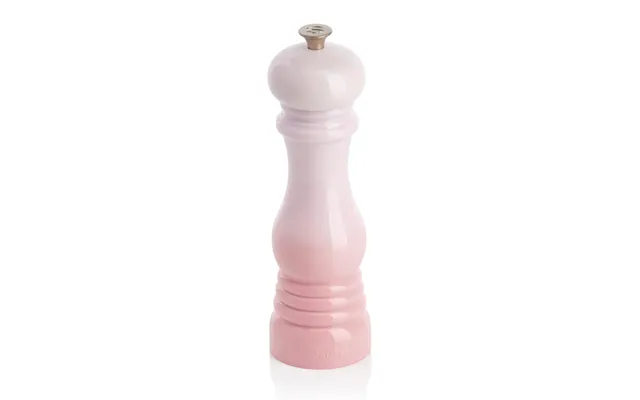
Le Creuset Le Creuset Salt Mill 21 Cm Shell Pink
£ 33
£ 46
View offer
2
SAVE 31%
Nordic Nest
Webshop
Le Creuset Le Creuset Pepper Mill 21 Cm Flint
£ 32
£ 46
View offer
2
SAVE 35%
Nordic Nest
Webshop
The Paris U'select 27cm Wooden Salt Mill Is Ideal For Use In The Kitchen And At The Table
£ 48
£ 73
View offer
2
SAVE 34%
Nordic Nest
Webshop
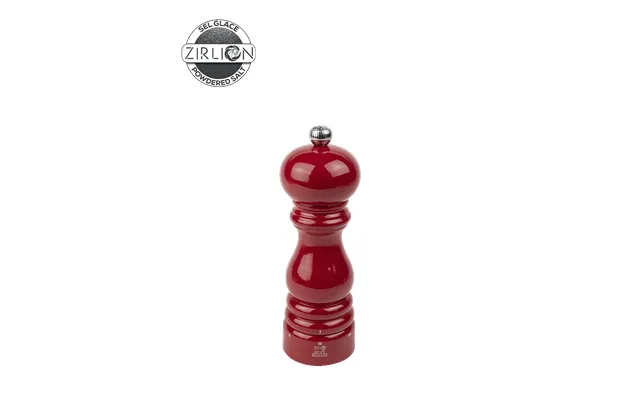
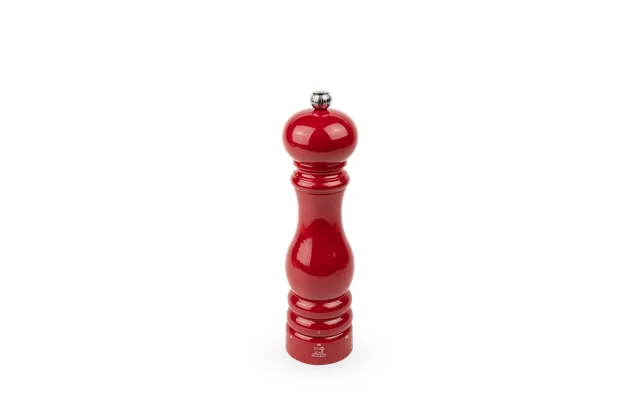
Peugeot's Iconic Paris Salt Mill Has Been Given A Thoroughly Modern Makeover With An Indulgent - Fiery Red Finish
£ 44
£ 66
View offer
2
SAVE 16%
Nordic Nest
Webshop
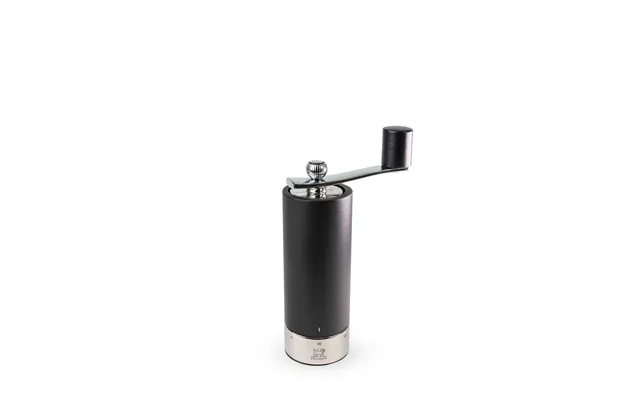
The Isen Pepper Mill Is A Model Of Elegance. With The Delicate Curve Of Its Handle And The Precision Of Its Grind Adjust
£ 64
£ 77
View offer
2
SAVE 30%
Nordic Nest
Webshop
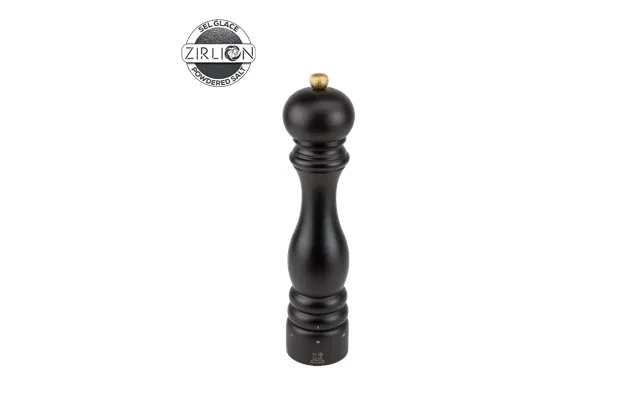
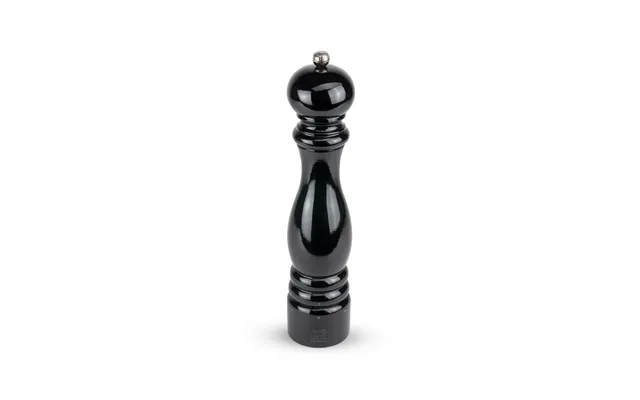
Peugeot Paris Salt Mill 30 Cm Black
£ 65
£ 93
View offer
SAVE 26%
Phones Direct
Webshop
Featuring An Intensely Indulgent And Fiery Red Lacquer Finish - This Striking 22cm Paris U'select Manual Pepper Mill Wil
£ 54
£ 73
View offer
SAVE 27%
Phones Direct
Webshop
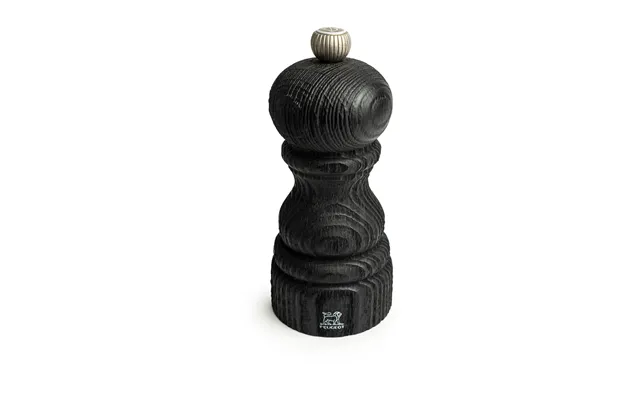
Peugeot Paris Nature Salt Mill 12 Cm Black
£ 28
£ 38
View offer
SAVE 31%
Phones Direct
Webshop
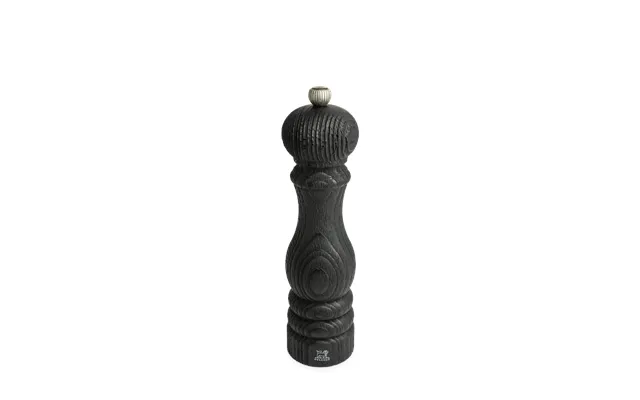
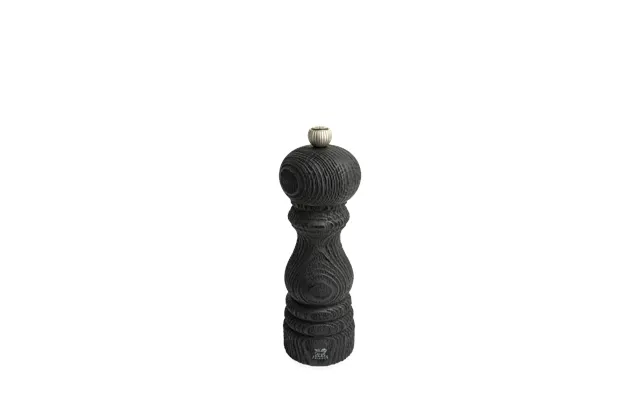
The 18cm Paris Nature Black Pepper Mill - With Its Distinctive Touch And Feel
£ 34
£ 50
View offer
SAVE 32%
Phones Direct
Webshop
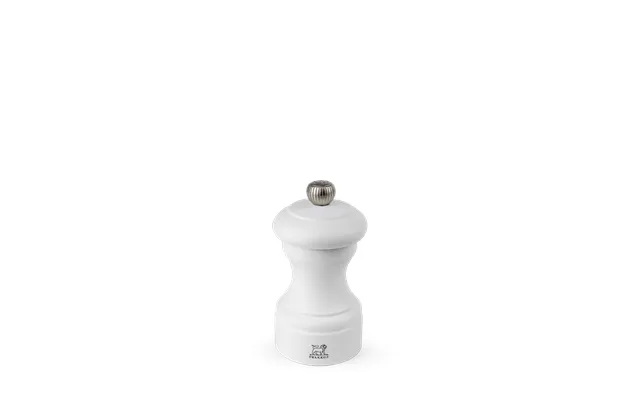
Peugeot Bistro Salt Mill 10 Cm Matte White
£ 24
£ 35
View offer
2
SAVE 41%
Nordic Nest
Webshop
With Its Smooth Curved Silhouette And Superior Functionality - This 22cm Salt Mill Has All The Assets That Make The Pari
£ 60
£ 101
View offer
2
SAVE 14%
Phones Direct
Webshop
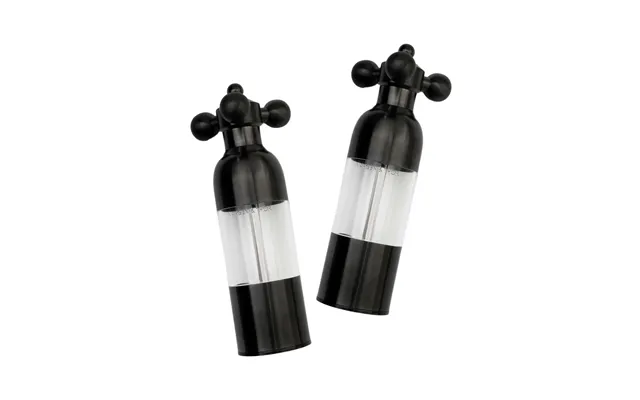
Vargen & Thor Axia Salt- And Pepper Mill Set Matt Black
£ 49
£ 57
View offer
2
Loading...
Popular searches
Plumbing Flanges
Bakery
Wall Light Fixtures
MojoFun
Golf Club Parts & Accessories
Video Game Consoles
Play Mats
Pretend Professions & Role Playing
Jigs
Light Bulbs - Other
Power Over Ethernet Adapters
Office Supplies
Door Mats
My Tool Shed
Shipping Supplies - Other
Baby & Pet Gates
Piñatas
Hammers
Herbs & Spices
Computer Software - Other