All categories
Business & Offices
Electronics & Media
Fashion & Accessories
Groceries & Essentials
Health & Personal Care
Home & Living
Kids & Family
Sports & Outdoors
Search in ZoneOffer

Loading...
If you cook even a few times a week, you know how quickly sauce drips, spoons collect residue, and worktops turn into a mess. A spoon rest is one of those simple kitchen tools that quietly saves you time, keeps counters hygienic, and makes cooking feel tidier. Think of it as a tiny landing pad for every stirring spoon, ladle, or spatula — keeping hot drips off surfaces and your stovetop less chaotic. It’s an inexpensive upgrade that pays off every time you cook a one-pot meal or test a sauce.
Not all spoon rests are created equal. Material, shape, and design determine how well a spoon rest works for your cooking style. Below I break down common types so you can pick one that fits your kitchen habits, budget, and aesthetic.
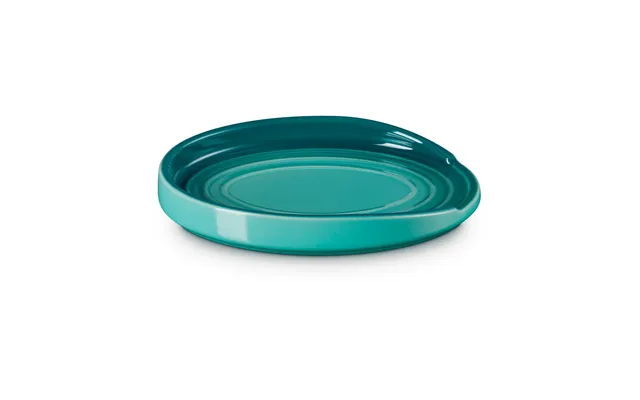
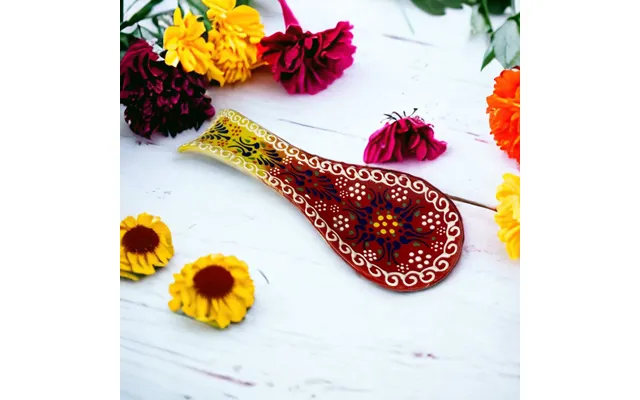
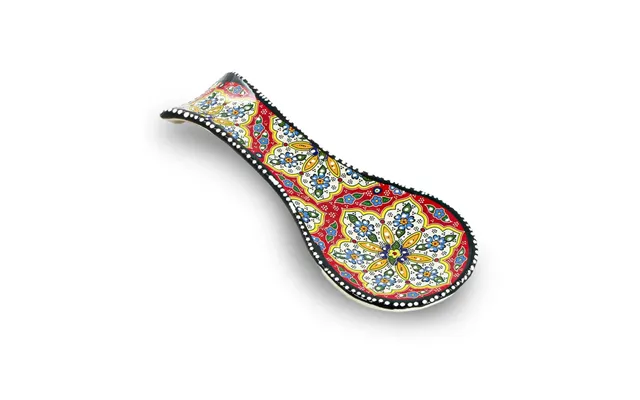
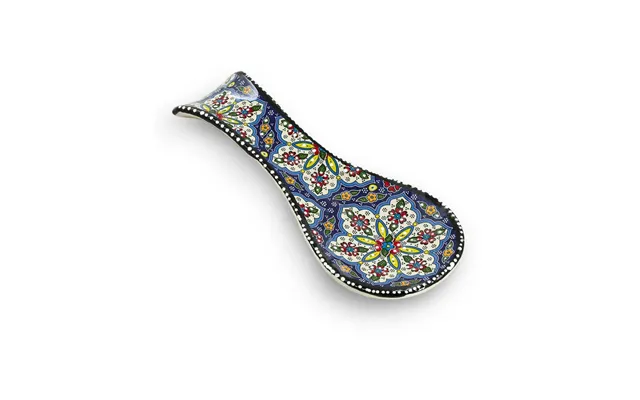
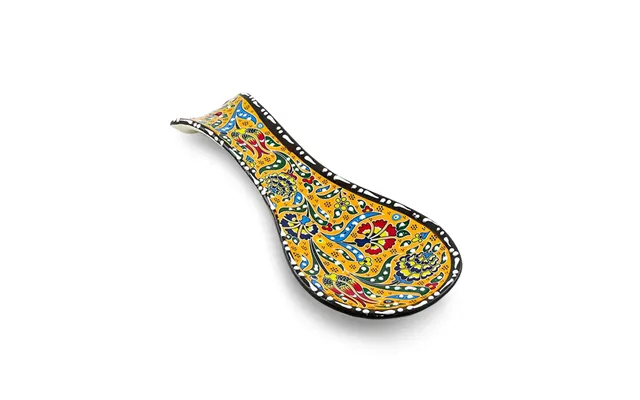
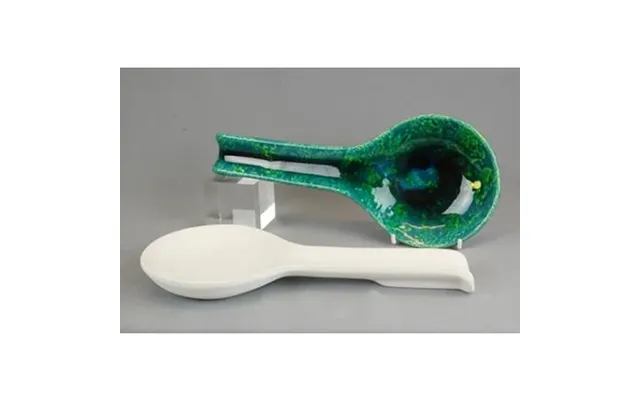
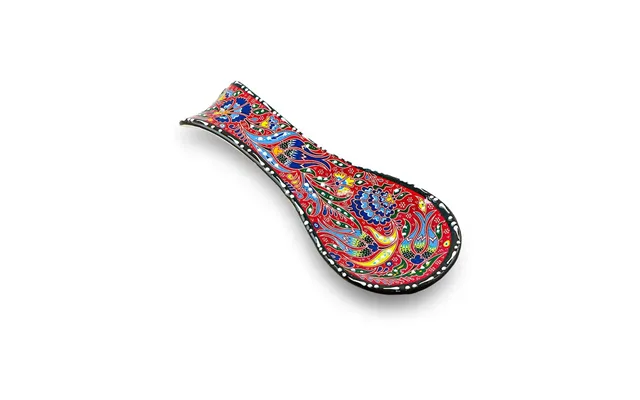
Ceramic spoon rests are classic for a reason: they look good and are often glazed for easy cleaning. A typical ceramic rest might be around 7 to 9 inches long and have a shallow bowl area that catches drips. They’re great next to gas hobs or on a countertop because they tolerate moderate heat and come in endless colors and patterns. Just be mindful — ceramic can chip if dropped, so handle with care and place on a soft surface when not in use.
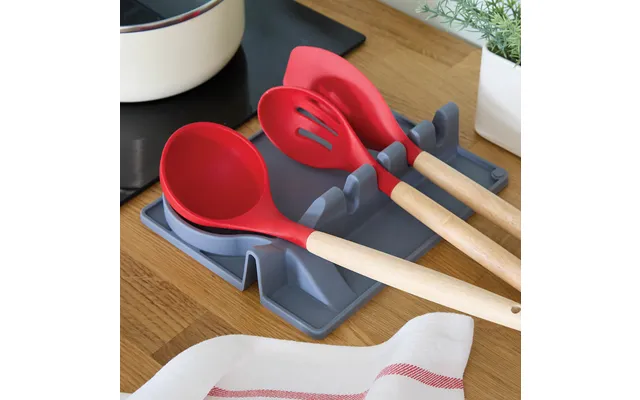
Silicone rests are flexible, lightweight, and often heat-resistant up to 450°F or more, making them ideal for heavy stovetop use. They usually come in shapes that cradle spoons and collect liquids without scratching pans or counters. Silicone is also non-slip, so the rest stays put even when a big ladle leans on it. If you like quick cleanup, many silicone rests are dishwasher-safe and foldable for compact storage.
Stainless steel spoon rests are rugged and match modern kitchens well. They don’t stain and can handle hot utensils with ease. Enamel-coated metal rests combine vintage looks with durability; the enamel layer protects against rust and gives a smooth surface for wiping. These are good when you want a long-lasting rest that won’t absorb odors or discolor over time.
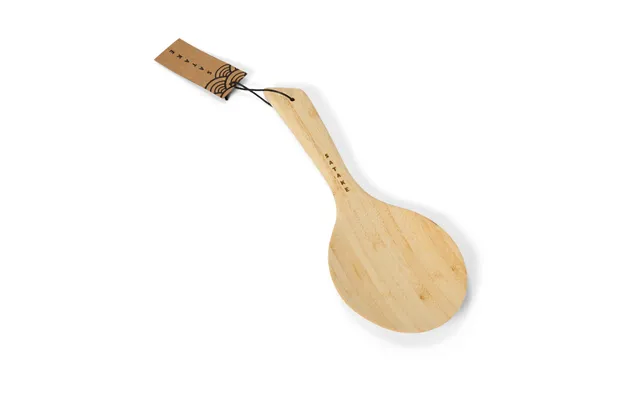
Wooden or bamboo rests bring warmth and natural texture to the countertop. They’re excellent for short-term use with room-temperature or warm utensils, and they fit a rustic or minimalist kitchen vibe. However, wood is porous and can absorb stains or odors, so look for finishes that help resist moisture and wash quickly by hand rather than leaving them soaking in water.
If counter space is tight, magnetic or wall-mounted spoon rests are clever. Some designs attach to the side of a range hood or the backsplash, holding spoons vertically or at a slanted angle. Others stick to metal sides of ovens or fridges using strong magnets. These keep counters clear and are especially handy in small kitchens where every inch counts.
When shopping for a spoon rest, it’s easy to get distracted by design. The most practical models balance looks with function. Here are the features I’d check first to make sure the rest actually makes cooking less messy.
Heat resistance matters because utensils coming off a pan can still be hot. Look for materials rated for at least 400°F to 450°F if you plan to hold ladles or spatulas straight from a simmer. Ceramic and stainless models usually withstand higher temperatures, while silicone types specify a maximum temperature in their description — check that number, especially if you use cast-iron or high-heat cooking methods.
Do you want to hand-wash every accessory? If not, choose spoon rests labeled dishwasher-safe. Silicone and glazed ceramic typically clean easily in the dishwasher, while raw wood or certain painted enamels may need a gentle hand wash. Consider a model with a simple shape and shallow groove system so food particles don’t hide in crevices.
Size matters. Most rests are between 6 and 9 inches long and 3 to 5 inches wide; pick one that fits your largest spoon or ladle without tipping. If you often use wide turners or long-handled ladles, opt for a longer rest or one with a deeper cradle. Some designs are multi-slot and can hold two utensils — handy if you cook with a spoon and slotted spatula simultaneously.
Match the style to your kitchen. A glossy ceramic rest complements traditional decor, matte stainless suits contemporary spaces, and wooden rests warm up modern minimalism. Also check how the base rests on counters: some have rubber feet to prevent slipping or scratching, which is especially useful on polished or delicate surfaces.
Spoon rests are versatile in surprising ways. Think of them as small utility platforms that keep your kitchen neater in multiple scenarios. Here are several alternative uses you might not have considered.
When you lift a hot lid or set down a small pan handle, a larger spoon rest can double as a mini trivet. It’s handy for protecting a small area of countertop or for resting a pot lid without leaving steam rings. Just ensure the material can tolerate the lid’s heat — metal or ceramic are safest.
Use a spoon rest as a designated station for small prep tools like measuring spoons, citrus zesters, or garlic presses while you cook. Instead of scattering these items across the counter, the rest keeps them contained and easy to reach. It’s a simple habit that speeds up cleanup.
A little care prolongs a spoon rest’s life and keeps it looking fresh. Depending on the material, your cleaning routine may vary, but these general tips will preserve function and appearance.
For ceramic or enamel rests, soak briefly in warm water to loosen stubborn sauce, then wash with a mild detergent. Silicone can usually be tossed into the dishwasher or scrubbed with a sponge. For wood, wipe off residues promptly and use a light food-safe oil every few months to prevent drying and cracking. Avoid harsh abrasives that can remove finishes or scratch surfaces.
Keep wooden and bamboo rests away from prolonged moisture. Never leave them soaking. For ceramic, avoid thermal shock — don’t transfer a very hot rest straight into cold water, as that sudden change can cause cracks. If a silicone rest is deformed by stovetop heat, check the product’s temperature rating and replace if it has exceeded its limit.
Different cooks need different solutions. Below I outline ideal spoon rest picks based on kitchen style and cooking habits so you can more quickly rule in or out certain types.
If you’re stirring sauces, frying, and juggling pots, go for a heat-resistant silicone rest that’s dishwasher-safe and about 8 or 9 inches long. This combination offers safety, ease of cleaning, and enough surface to hold larger utensils without tipping.
For people who value presentation and coordinated kitchenware, a glazed ceramic rest in a color that matches dinnerware provides polished style and good functionality. Ceramic also makes a pretty serving accessory when you host and need an attractive spot for tasting spoons.
Choose a magnetic or wall-mounted spoon rest or a slim stainless-steel model with rubber feet if counter space is precious. These designs keep the workspace clear while still giving utensils a reliable spot to land.
A sustainably sourced bamboo rest or a long-lasting stainless steel unit fits well if you prefer eco-friendly kitchenware. Bamboo is renewable and biodegradable, while stainless steel is highly recyclable and tends to have a long lifespan.
When you’re ready to buy, comparison is your friend. Look at product reviews, material specifications, and return policies across retailers. Many comparison platforms let you filter by material, price, and customer ratings so you can find the balance of cost and durability that suits your needs.
Cheap options are tempting, but investing a bit more in a durable material like stainless or quality ceramic often saves money over time because you won’t replace it as frequently. Evaluate whether the rest will see daily use — that’s when sturdier construction really pays off.
Customer photos show real-world scale and how pieces wear over time. Reviews often mention whether a product stayed put, whether the glaze chipped, or whether silicone reacted badly to certain high temps. These details help you avoid surprises when the rest arrives.
Beyond function, spoon rests are tiny styling opportunities. Group a matching rest with a utensil holder and a chopping board to create a cohesive cookware vignette on the counter. If your kitchen is neutral, a bright silicone rest can serve as a splash of color; in contrast, a muted ceramic piece blends into a classic scheme.
Set a small tray or mat under your spoon rest to protect delicate counters and define a cooking zone. This not only helps with cleanup but visually organizes the area so guests don’t accidentally place items where they’ll get splattered.
Spoon rests are low-cost, high-impact accessories that make cooking cleaner, more efficient, and even a little more stylish. Whether you choose a rugged stainless steel model, a heat-tolerant silicone rest, a charming ceramic piece, or an eco-friendly bamboo option, focusing on heat resistance, size, and ease of cleaning will help you pick a rest that actually improves your cooking routine. Compare features, read reviews, and match the rest to your kitchen’s workflow — and you’ll wonder how you cooked without one for so long.
| Spoon Rests | Price | |
|---|---|---|
| Nicolas Vahé Hala Spoon Rest Green | £ 8,30 | |
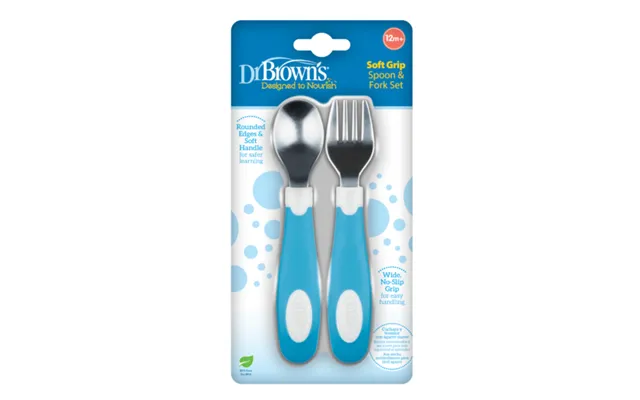
| Soft Grip Spoon And Fork Set 12 Months - Blue | £ 8,60 | |
| Satake Satake Rice Spoon 24 Cm Bamboo | £ 9,99 | |
| Le Creuset Oval Holder For Serving Spoon Bleu Riviera | £ 17,55 |