All categories
Business & Offices
Electronics & Media
Fashion & Accessories
Groceries & Essentials
Health & Personal Care
Home & Living
Kids & Family
Sports & Outdoors
Search in ZoneOffer

Loading...
If you love hosting or simply want your weekday dinners to feel a little more special, the right serveware accessories can make all the difference. From gleaming serving spoons to a statement cheese board, serveware helps your food look better, travels from kitchen to table more easily, and makes entertaining less chaotic. In this guide I'll walk you through essential pieces, materials, sizing tips in imperial units, care advice, and how to spot great deals so you can shop smarter while building a cohesive set that suits your style and budget.
Think of serveware as the stage your food performs on. The wrong dish can hide your best roast, while the right platter elevates a simple salad into a showstopper. Good serveware keeps hot foods hot, cold foods cold, and prevents spills and awkward passing at the table. It’s not just decoration—serveware adds function, improves portioning, and can even protect delicate table surfaces from drips and heat.
Every kitchen benefits from a core set of serveware. These are items you’ll reach for repeatedly, whether you’re plating weeknight pasta or arranging hors d’oeuvres for friends. Investing in versatile, high-quality pieces means less clutter and better performance across many occasions.
Serving platters are the workhorses of entertaining. Look for oval or rectangular platters about 14–18 inches long for roasts and larger mains, while 10–12 inch round platters work great for sharing starters. Trays with raised edges and handles are perfect for transporting drinks or appetizers and help avoid spills when carrying across the room.
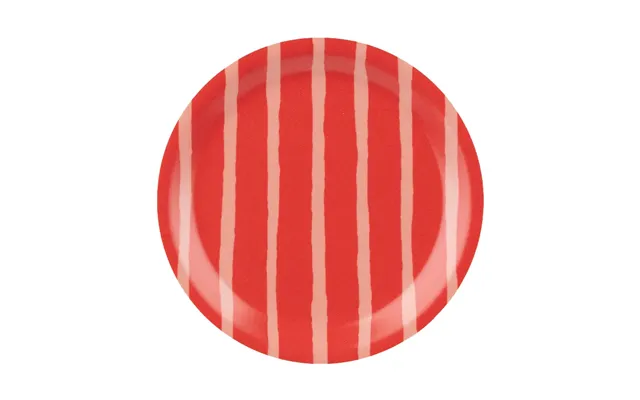
Charcuterie has become an art form—and the board matters. A typical cheese board is around 16–18 inches long and 10–12 inches wide, large enough to hold several types of cheese, crackers, and fruit. Wood boards, especially maple and walnut, give a warm look and are forgiving when you need to cut directly on them. Marble boards are elegant and keep cheeses cooler for longer.

A cake stand brings height and theatrics to dessert. Choose one with a 10–12 inch diameter for small cakes and pastries; go 12–14 inches for larger showpieces. Dessert servers—flat, slightly serrated spatulas—make lifting slices clean and easy. Compact sets that include a stand and server are great for gifting or starting a new collection.
Never underestimate a good gravy boat. A 10–16 ounce gravy boat with a wide spout keeps sauces flowing smoothly without splattering. For condiments, small dishes or ramekins in 3–6 ounce sizes keep sides tidy and portioned. If you host buffets, tiered condiment stands or divided trays help guests customize their plates quickly.
Materials affect look, durability, weight, and maintenance. Choosing the right material depends on how you use serveware—do you want heirloom pieces, lightweight options for outdoor use, or low-maintenance items that survive the dishwasher?
Porcelain and ceramic pieces feel classic and come in countless colors and glazes. They’re great for plated meals and formal dinners. Expect heavier weight and a tendency to chip if dropped. Many porcelain items are oven- and microwave-safe, but always check manufacturer guidance—thermal shock can crack ceramic if you move items too quickly between hot and cold.
Stainless steel is durable, modern, and often dishwasher-safe. It's ideal for serving utensils, chafing dishes, and heat-holding pieces. Silverplate offers a traditional shine but requires occasional polishing to keep it bright. If you entertain often, stainless steel is a practical, long-lasting choice that resists stains and rust.
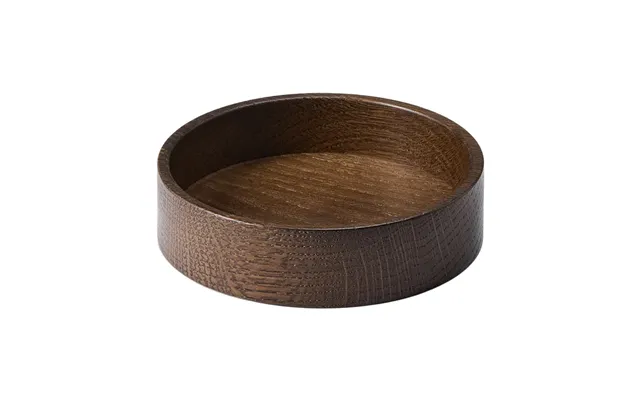
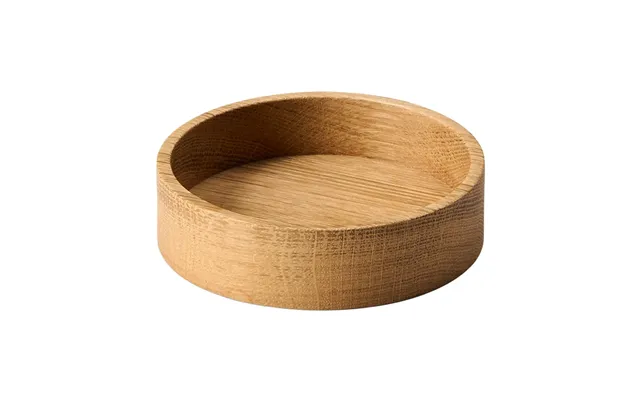
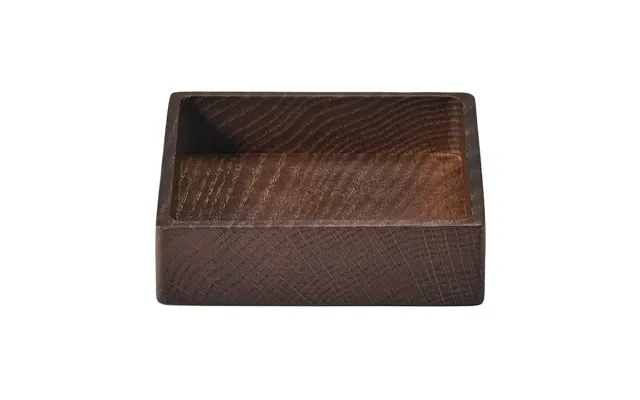
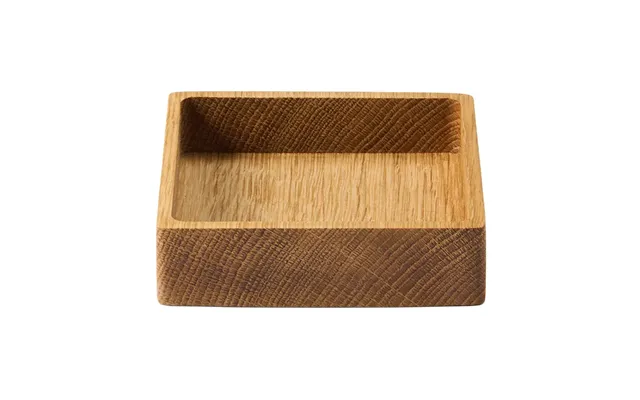
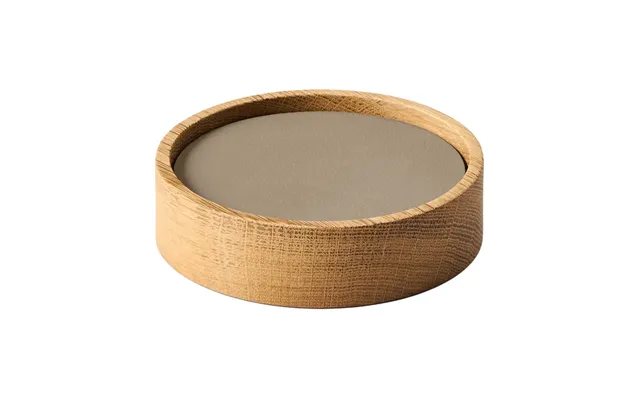
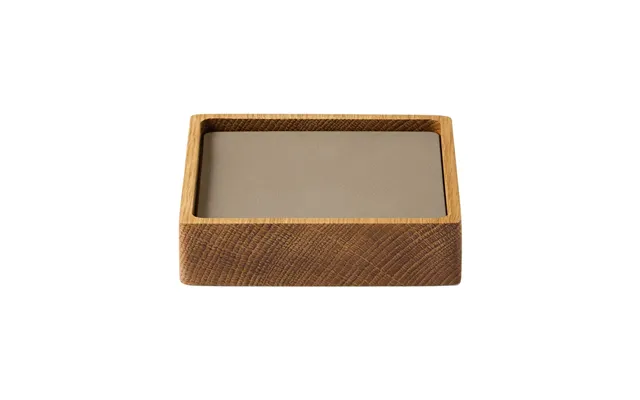
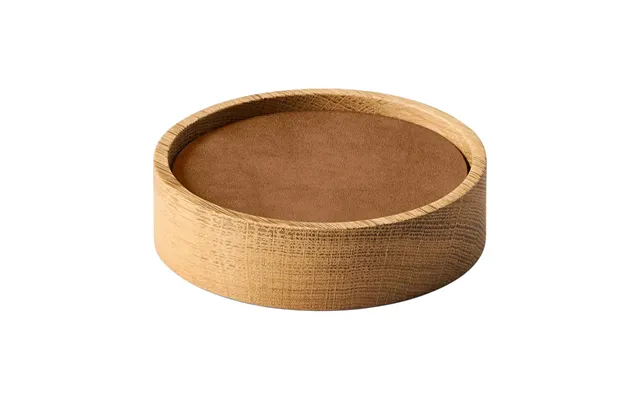
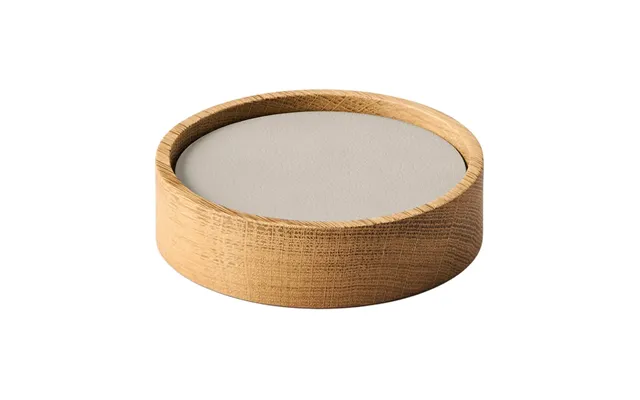
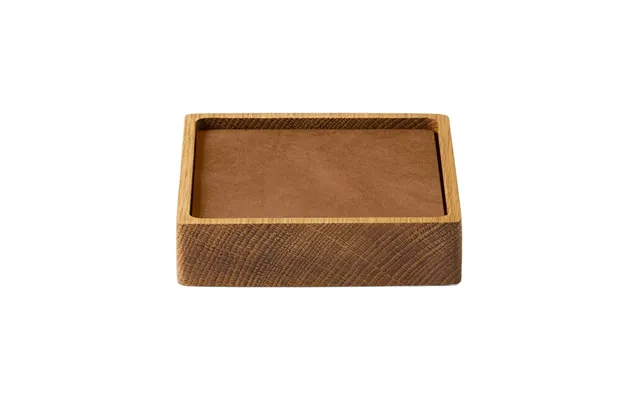
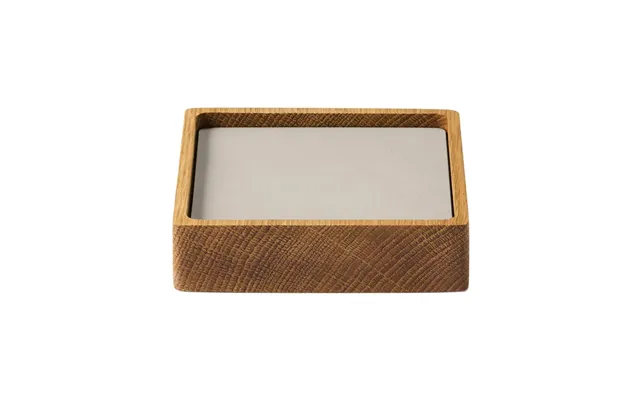
Wooden serveware—especially boards and bowls—adds warmth and rustic charm. They’re lightweight and less likely to break than ceramic, but they need oiling and hand washing. Avoid soaking wood; a quick wash and drying will keep it in shape. Bamboo is a sustainable, affordable option and naturally resistant to water damage compared with some soft woods.
Glass and stoneware look elegant and are excellent for cold dishes and desserts. Marble boards keep cheeses and chilled items cool for longer, but they’re heavy—expect slabs that weigh several pounds for a 12 x 16 inch board. Handle with care to avoid chipping, and use felt pads under heavy pieces to protect tabletops.
Sizing matters more than people realize. Choose serveware that fits both your dining table and your oven or storage space. Here are practical imperial guidelines to help you pick the right scale.
For platters, a 14–18 inch length handles roasts and whole fish well; a 10–12 inch platter is ideal for sharing appetizers or small mains. Serving bowls for salads often range from 9–12 inches in diameter and hold 4–8 quarts—choose based on the number of guests you typically serve. Cheese boards around 16–18 inches long give ample staging room; smaller 12–14 inch boards are great for intimate gatherings. For utensils, servers around 9–12 inches long offer good leverage without overpowering the plate.
Not every party needs your best china, and not every casual meal requires disposable plates. Matching the right serveware to the event keeps stress down and style on point.
For daily use, choose durable, dishwasher-safe materials like porcelain or stainless steel. Neutral colors and stackable shapes help with storage and make mixing and matching simple. Keep a set of 10–12 inch platters and a 4–6 quart serving bowl handy for family-style meals.
Break out textured ceramics, marble boards, and tiered cake stands when you want to impress. Layering height—using cake stands and raised platters—creates interest on the table. For formal meals, use coordinated serving utensils and small condiment dishes so guests can easily help themselves without crossing plates.
For the garden or patio, opt for lightweight, shatterproof materials like melamine or stainless steel to avoid broken pieces. Look for trays with secure edges and handles for easy transport across grass. Insulated serving bowls or hot plates help keep dishes at serving temperature outdoors.
Keep your serveware in top shape with a few simple habits. Proper care extends lifespan and keeps pieces looking new longer.
Hand wash wooden and delicate ceramic pieces with mild soap and warm water; avoid long soaks. Oil wooden boards with food-grade mineral oil every few months to prevent cracking. Many stainless steel and porcelain pieces are dishwasher-safe—check the manufacturer’s label—but separate metal pieces to avoid scratches. For marble and stone, wipe spills quickly and avoid acidic juices which can etch the surface. Store stacked plates with thin felt or paper between them to prevent scratching, and keep large platters upright if storage space allows to reduce weight stress.
Hunting for serveware deals can be fun if you know where to look. Comparison tools and deal aggregators often highlight bundles that include platters, bowls, and utensils at a lower price than buying à la carte. When evaluating offers, focus on the materials, warranty, and verified customer reviews. A slightly higher upfront cost for durable materials like stainless steel or solid wood often pays off longer than cheaper alternatives that chip or warp quickly.
Watch for bundles that include matching servers—this saves time assembling a cohesive look and ensures handles and finishes match. Seasonal sales around holidays are prime time to buy larger items like tiered stands and chafing dishes for future entertaining.
Serveware is only part of the story; complementary pieces can unify your table and increase functionality. Consider investing in serving utensils, table linens, and storage solutions that match your aesthetic and improve ease of use.
Good utensils make serving effortless. Invest in a soup ladle for gravies, long tongs for salads and grilled items, and slotted spoons for dishes with excess liquid. Opt for utensils around 10–12 inches long for comfortable reach without crowding the plate. If you prefer a uniform look, choose utensils with the same finish as your platters or cutlery set.
Linens frame your food and protect surfaces. A few neutral table runners, placemats, and napkins in durable fabrics like cotton or linen keep spills away from delicate tables. For outdoor dining, silicone or woven vinyl placemats are easy to wipe clean and resist stains and moisture.
If you’re building a collection from scratch, start with these versatile items: one large serving platter (16 inches), two medium platters (10–12 inches), a 5–8 quart salad bowl, a cheese board about 16 x 10 inches, a cake stand with at least a 12 inch diameter, a gravy boat around 12 ounces, and a basic set of serving utensils (ladle, slotted spoon, tongs, and a cake server). These pieces cover most hosting scenarios without overfilling your cabinets.
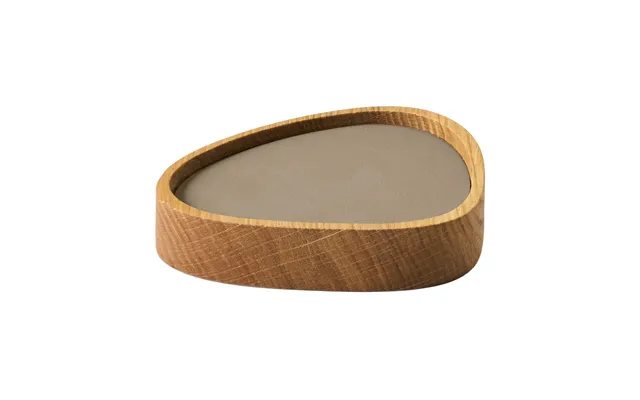
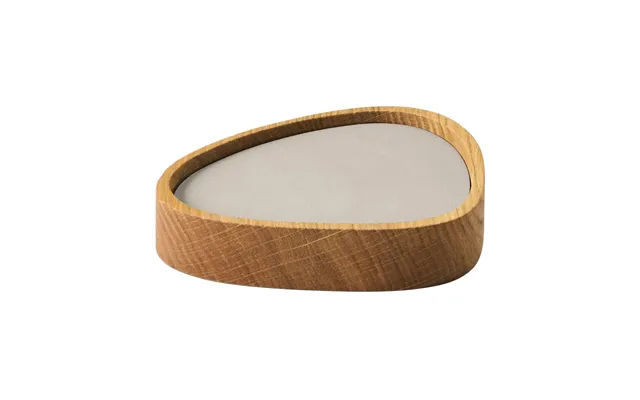
Current serveware trends blend function with personality. Mixing materials—like a marble cheese board beside a rustic wooden bowl—creates a layered, curated look. Earthy glazes and matte finishes are popular for a contemporary feel, while gold or brass accents add glamour for special occasions. Don’t be afraid of asymmetry: unevenly-shaped boards and free-form platters can make a spread feel approachable and artful, like a curated gallery of food.
Building a practical and attractive serveware collection doesn’t have to be overwhelming. Start with versatile, well-sized pieces in materials that match how you cook and entertain, then add specialty items as needed. Think about function—ease of transport, heat retention, and cleaning—alongside aesthetics to create a set that makes hosting easier and meals more memorable. With a few smart buys and care tips in your toolkit, you’ll be ready to serve up style and substance at every table.

| £ 37,69 |