

Watch Repair Kits price list
Last updated Monday, 19 Oct 2026



View 5 Offers
Loading...
Last updated Monday, 19 Oct 2026
If you love watches or wear jewelry every day, you’ve probably noticed how small problems—like a loose link, a dead battery, or a foggy crystal—can suddenly ruin your look. Having a basic watch repair kit and a jewelry cleaning kit at home is like keeping a first-aid kit for your accessories: it saves you time, money, and the stress of running to a shop for minor fixes. You don’t need to be a pro; with the right tools and a little know-how, routine maintenance becomes quick and even kind of satisfying.
Not all kits are created equal. A decent watch repair kit for home use should include a mix of precision tools that let you handle the most common jobs: battery swaps, strap changes, link adjustments, and basic polishing. Think of a kit as a toolbox for tiny machines—small, careful tools that let you treat your watch like the precision instrument it is.
Screwdrivers designed for watches are miniaturized versions of what you already know—they come with slender, precise tips for the tiny screws manufacturers use. These are essential for opening case backs that use screws and for removing movement clamps if you ever need to access the battery or internals. Look for kits with magnetic or cushioned handles so you don’t drop a mini screw and lose an afternoon searching the rug.
The spring bar tool is the unsung hero of strap changes. It has a forked end to compress spring bars and a pointed end for pushing pins—ideal when you want to swap a leather strap for a bracelet or a NATO band. A sturdy, ergonomic spring bar tool saves time and prevents scratched lugs or mangled spring bars.
There are two main types of case backs: snap-on and screw-down. A case knife helps you carefully pry open snap-on backs, while a case opener (often adjustable) is designed for screw-down backs. Using the right opener reduces the risk of slipping and scratching your watch—a vital detail for anyone who values their timepiece.
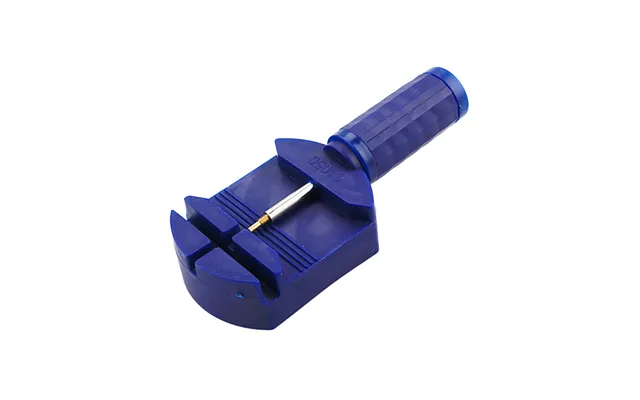
Adjusting bracelet length usually requires removing pins or screws from links. A pin pusher or link remover with a small hammer block lets you push pins out cleanly, keeping the bracelet aligned. Think of it as minor carpentry work: use a stable surface and the right tool to avoid bending or breaking the link.
Small parts need small hands—or small tools. Fine pointed tweezers help you lift tiny springs, and a jeweler’s loupe magnifies the action so you can see what’s happening. A watch holder or movement cushion keeps the case steady while you work, preventing slips and protecting the finish.
A tiny jar of crystal polish (for acrylic faces), a battery tester, and a few common replacement parts like spring bars and pins round out a good beginner kit. Crystal polish can remove light scratches, and a battery tester keeps you from buying batteries you won’t use. Having spare spring bars and a handful of common-size watch batteries is like carrying spare shoelaces—you’ll be glad you did when something breaks.
Jewelry needs regular attention to keep gems bright and metals tarnish-free. A proper care kit makes it easy to restore that showroom shine while protecting delicate settings and stones. Whether you wear costume jewelry or heirlooms, a few smart tools and products go a long way.
Microfiber polishing cloths are your everyday friend for wiping fingerprints and oils away. For sterling silver, an anti-tarnish cloth or a gentle silver dip can quickly remove tarnish and restore luster. Just be cautious: dips can be harsh on delicate stones like opals or pearls, so always read labels and test on a hidden spot first.
Ultrasonic cleaners use high-frequency sound waves to remove dirt from small crevices—a boon for chains, bracelets, and watch bracelets. Small tabletop ultrasonic units often hold enough liquid to clean a bracelet or several rings at once; think of them as a tiny car wash for your jewelry. They’re great for removing grime but may not be suitable for very fragile stones or antique pieces with loose settings.
A soft-bristled brush helps you dislodge dirt from around prongs and clasps, and toothpicks or wooden sticks are handy for gentle cleaning in tight areas. Anti-tarnish bags and pouches help your silver-based pieces stay untarnished in storage. Treat your jewelry like a plant: give it the right environment and it thrives.
Ready to try a few fixes yourself? Start slow and always work in a clean, well-lit area with a soft mat underneath. Here are simple, safe steps for common jobs that most kits cover.
First, check whether your watch needs a water-resistance check after a battery change—diving watches often require a pressure test. For simple wristwatches: remove the case back with the correct tool, note the battery type, use tweezers to lift the battery out, and replace with a new battery using non-metallic tweezers if possible. Test the movement with a battery tester if available, then reseal the case carefully to keep dust and moisture out.
Start by laying the bracelet on the link remover or holder with the arrow-side down. Use the pin pusher to push out the pin in the direction indicated and remove the needed links. Reconnect by aligning the links and gently tapping the pin back in with the tiny hammer or pusher. Always remove the same number of links from each side of the clasp for a centered fit.
Use the forked end of the spring bar tool to compress the bar, slide it out of the lug, and remove the strap. Insert the new strap by placing one end of the spring bar into the lug hole, compressing the other end, and releasing it into place. Check that it’s seated properly by gently tugging the strap—if it slips, the bar isn’t fully engaged.
For acrylic crystals, a small amount of plastic polish and a soft cloth can buff out fine scratches. Metal polishing compounds will work on stainless steel cases and bracelets, but avoid aggressive polishing if you want to maintain original finishes or brushed surfaces. For mineral or sapphire crystals, only professional resurfacing removes deeper scratches—DIY attempts can make things worse.
Tiny tools and tiny parts mean tiny risks. Avoid forcing parts into place, keep screws and pins organized so you don’t lose them, and always work away from edges where a small screw can roll off the table and vanish. For watches with water-resistance features, a professional service is often worth the cost to maintain seals properly. When using chemicals, always wear gloves and work in a ventilated area.
If you’re just getting started, a beginner kit with basic screwdrivers, a spring bar tool, and a case opener will cover most needs. If you plan to work on several high-value watches or take repairs further—like movement adjustments—investing in professional-grade tools (and training) pays off. Think about how often you’ll use the kit: occasional strap swaps don’t require expensive gear, but frequent tinkering does.
Some extras make maintenance even easier. A small parts tray with magnetic compartments keeps screws sorted. A battery organizer prevents buying the same battery twice. Travel cases protect tools and parts when you’re on the go. And a small bench light or LED loupe makes working on tiny components feel less like detective work and more like a hobby.
When shopping, compare kit contents rather than price alone. A cheaper kit might lack a spring bar tool or include low-quality screwdrivers that strip heads. Read reviews and look for kits that list specific tool sizes, spare parts included, and protective storage. Comparison sites and customer reviews are helpful ways to find a balance between value and quality. If you’re buying an ultrasonic cleaner, check the tank capacity in ounces so you know it will fit the pieces you want to clean.
Certain jobs are better left to trained watchmakers or jewelers: replacing complex movements, pressure-testing water resistance on dive watches, repairing heavily damaged crystals, or resetting stones in an antique setting. If the watch has significant sentimental or monetary value, professional service protects your investment. Think of pros as surgeons—use them for major operations, and use your home kit for first aid and routine care.
Store your tools and jewelry in a cool, dry place. Avoid leaving watches in direct sunlight or extreme heat, which can dry leather straps and damage certain stones. Use anti-tarnish strips in jewelry boxes, and change the liquid in ultrasonic cleaners regularly to avoid redistributing grime. Simple habits—wiping your watch after workouts or removing jewelry before heavy chores—extend the life of your pieces faster than any single product.
On a tight budget, a small kit that includes the essentials—spring bar tool, small screwdriver set, tweezers, and a case opener—will solve most day-to-day problems. If you care about longevity and precision, spend more on high-quality screwdrivers with hardened tips, a well-built case opener, and a larger ultrasonic cleaner with a stainless tank. Prices vary, but consider the cost per repair: a quality tool can pay for itself after a few uses.
Before you click buy, ask yourself a few quick questions: What do I plan to fix? Do I need a portable kit or a bench set? Will I clean both jewelry and watch bracelets, or just perform strap swaps? How often will I use it? Answering these helps you pick the kit that gives the best value for how you’ll actually use it.
Keeping your watches and jewelry in good shape doesn’t require a workshop or a degree—just the right tools and a bit of patience. A basic watch repair kit and a small jewelry cleaning set let you handle most interruptions quickly and cheaply, while a few professional services keep the major issues in check. With the tips above, you’ll know what to buy, how to use it, and when to call in the pros. Ready to roll up your sleeves?
Conclusion: Whether you’re a casual wearer or a collector, adding a few repair and cleaning tools to your home kit saves you time, keeps your valuables looking great, and can even become an enjoyable hobby. Start small, practice safe techniques, and build a kit that fits both your needs and your budget. Your watches and jewelry will thank you.