

Memorial Urns price list
Last updated Monday, 19 Oct 2026



View 10 Offers


Loading...
Last updated Monday, 19 Oct 2026
Choosing a memorial urn can feel like choosing the last meaningful piece of a life story. It’s more than a container for ashes; it’s a symbol, a keepsake, and often a centerpiece for a ceremony or a quiet corner in your home. Whether you’re planning ahead or arranging details after a loss, knowing the options helps you make a choice that truly honors the person you’re remembering.
Not all urns are made for the same purpose. Some are designed for display in a home, others for burial, and some for scattering. Understanding the types will steer you to the right material, size, and finish. Below are the common families of urns and what they’re best used for.
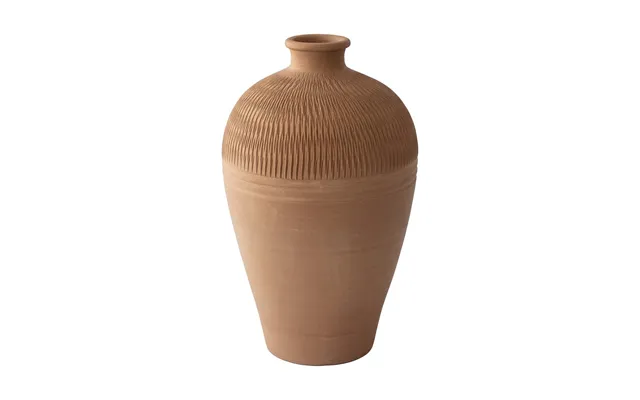
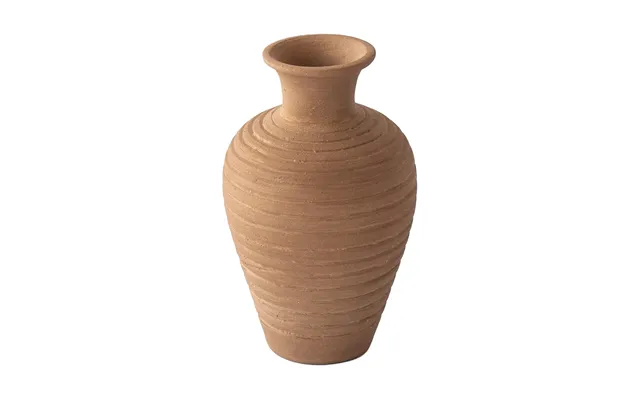
Metal urns—usually brass, stainless steel, or aluminum—offer durability and a polished look. Ceramic or porcelain urns give a handcrafted, artistic feel and can feature painted designs or glossy glazes. These urns are popular for home display and memorial services because they balance longevity with aesthetic appeal.
Wooden urns provide warmth and a natural texture that many families find comforting. Hardwoods like oak, walnut, or cherry are often used and can be carved or inlaid with personal details. Handcrafted pieces bring a bespoke touch that says, “this is unique,” making them excellent for honoring a personality or a lifelong craft.
If conservation and returning to the earth are priorities, biodegradable urns are designed to break down naturally in soil or water. These can be made of materials like recycled paper, salt, or plant-based composites. They’re ideal for sea burials, natural burial sites, or ceremonies where the ashes are scattered and meant to rejoin the environment.
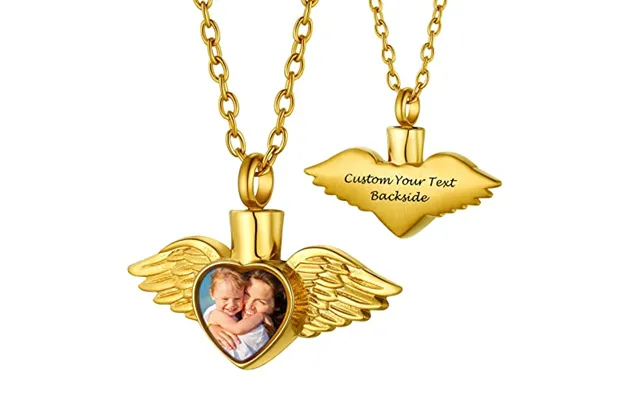
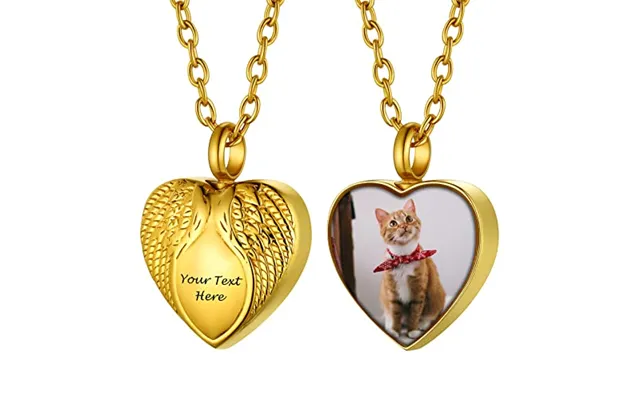
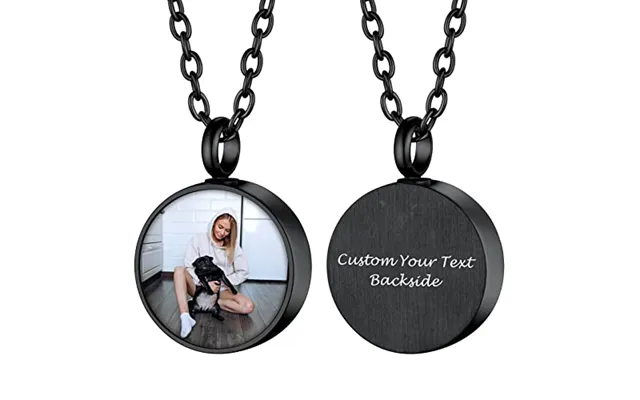
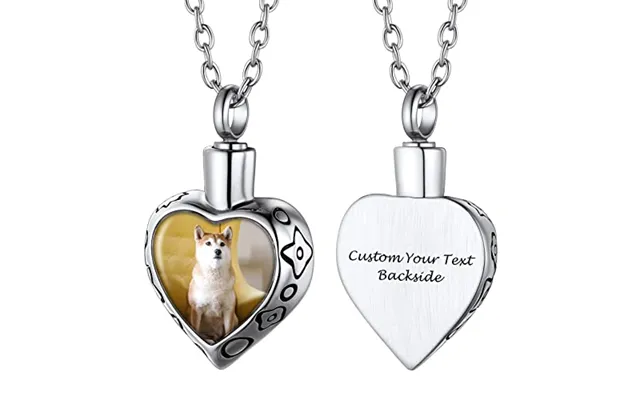
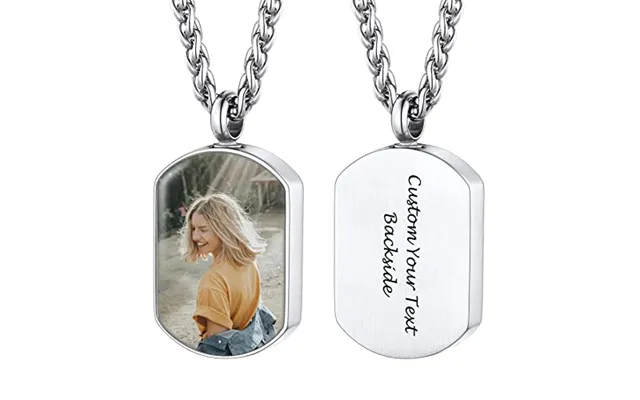
Keepsake urns hold a small portion of ashes—perfect for multiple family members who want to share memorial pieces. Cremation jewelry like pendants or rings offers a way to keep a small amount of ash close to the heart. These are intimate choices, often used in tandem with a primary urn or when family members live far apart.
Scattering urns are crafted to make the release of ashes as graceful as possible, with designs that open or dissolve at sea. Water burial urns are typically biodegradable and made to float briefly before sinking, ensuring a respectful dispersion. If you plan a scattering ceremony, pick an urn tested for the intended environment—river, lake, or ocean.
Materials affect appearance, durability, weight, and cost. Think of an urn like a piece of furniture: the material says something about style and practical lifespan. Metal and stone tend to be heavier and more durable, while wood and ceramic offer bespoke charm but may need more careful placement and care.
Are you planning a permanent placement in a mantel, or an outdoor burial? If outdoor, choose durable metal or a specially treated stone. Inside the home, a delicate ceramic or stained wood can be beautiful. Also consider finish: a high-gloss glaze shows fingerprints easily, while a matte finish hides wear and looks naturally elegant over time.
Most adult cremated remains weigh between about 4 and 8 pounds. Urns are sized to accommodate that volume, and the rule of thumb is to choose one that comfortably fits the ashes without excessive empty space. Keepsake urns are much smaller, holding only a few ounces, while infant or pet urns are made for much smaller remains.
When a family splits ashes among keepsakes or secondary urns, plan the capacity carefully. A full adult-sized urn is the right choice for a complete set of remains, while keepsake pieces are meant for sharing a small, precious portion.
Personalization turns an urn into a story. Engraving a name, dates, a short phrase, or even a small symbol can create an emotional focal point. Many providers offer photo plaques, custom painting, or inlay work—imagine a piece of wood with a carved motif that reflects a hobby, profession, or shared joke. These touches make the urn not just a vessel, but a tribute.
Think about the kind of message you want the urn to convey: timeless and simple, or richly detailed? A single engraved line can be powerful, while a photo plaque preserves a face and a memory. Symbols like a favorite flower, a religious icon, or a military emblem can also be added to align the memorial with personal identity.
There’s a practical difference between an urn for a one-time ceremony and one intended for long-term display or burial. For a ceremony, lightweight or decorative urns are common; they’re easy to carry, and the visual impact matters more than long-term durability. For permanent placement, prioritize materials and finishes that will withstand time and the environment.
If planning to bury the urn later, confirm whether the urn is suitable for burial and whether a burial vault or outer container is needed. Some cemeteries require an outer container for in-ground placement to prevent soil settling over time.
An urn may become a treasured object in your home, so treat it with the same care as any other significant item. Place it on a stable surface away from direct sunlight and high humidity to avoid fading and warping. Dust regularly with a soft cloth; avoid harsh chemical cleaners, especially on wood, ceramic, or hand-painted surfaces.
When transporting an urn, make sure it’s properly secured in a padded box. For metal urns, a soft cloth will prevent scratches; for ceramic, extra padding is essential to prevent chips or breaks. If you’re moving ashes between places, label containers clearly and keep documentation handy—this helps avoid confusion and ensures respectful handling.
Memorial urns range widely in price, from budget-friendly options under about $40 to premium handcrafted works that can exceed $1,000. Price reflects material, craftsmanship, personalization, and brand reputation. Don’t let cost alone determine your choice—think about what will feel right in the long term.
To compare offers effectively, make a short checklist: material, size, personalization options, shipping costs, and customer reviews. A comparison approach gives you perspective—are you paying for name recognition, or for an artisan’s handwork that will last for generations?
With growing interest in green funerals, biodegradable urns and natural burial options are increasingly popular. If you choose a water burial or scattering at sea, check local regulations and maritime laws—many jurisdictions have specific requirements for distances from shore and notification procedures. For inland natural burial sites, cemeteries may have rules about biodegradable materials and grave markers.
Some scattering locations require permits or pre-approval, and marine scattering often has rules to protect wildlife and other visitors. If you’re planning an eco-friendly ceremony, contact local authorities or cemetery managers ahead of time to ensure you meet legal and environmental standards. That small step helps the ceremony run smoothly and honors both the person and the place.
Current trends blend simplicity with personalization. Minimalist urns with clean lines are popular for modern homes, while rustic wood and reclaimed materials appeal to families seeking a natural look. Colored glass, marble-effect finishes, and thematic urns—like sports, hobbies, or pet-themed designs—are also in demand. The trend toward sharing keepsakes and family collections reflects a desire to keep memories distributed and personal.
When shopping, use comparison tools to weigh features side by side. Read verified customer reviews and ask for clear photos of the actual product, not just studio images. Look for transparent information on materials, capacity, and personalization lead times. If you’re buying from an artisan, ask about the process and shipping protection—handmade pieces may take longer but often have a unique finish that mass-produced items can’t match.
At the heart of choosing an urn is emotion and meaning. Practical factors—material, size, cost—matter, but so do memory and symbolism. Does the urn reflect the person’s spirit? Does it fit the intended setting? Trusting your instincts, along with a bit of practical research, usually leads to a choice you’ll feel good about for years to come.
Whether you opt for a classic metal urn, a handcrafted wooden piece, a biodegradable vessel for a sea scattering, or a set of keepsakes for a family to share, the right urn is the one that honors the life and tells the story you want remembered. It may be a bold statement or a quiet, simple marker—either way, it becomes part of how you continue to remember and celebrate someone you love.
Conclusion: Selecting a memorial urn blends practical planning with emotional expression. Take time to compare materials, sizes, and personalization options, and don’t hesitate to ask questions about durability and compatibility with intended ceremonies. With thoughtful choices, an urn becomes a meaningful tribute that comforts and connects those left behind.