All categories
Business & Offices
Electronics & Media
Fashion & Accessories
Groceries & Essentials
Health & Personal Care
Home & Living
Kids & Family
Sports & Outdoors
Search in ZoneOffer

Loading...
Religious items carry meaning beyond their physical form. Whether it’s a rosary you turn through your fingers, a hand-carved icon on a shelf, or a simple prayer rug rolled out for daily devotion, these objects anchor practice and memory. But buying sacred items doesn't have to be confusing or expensive. With a little know-how and by using price comparison tools and smart shopping habits, you can find high-quality religious and ceremonial goods across the UK without breaking the bank.
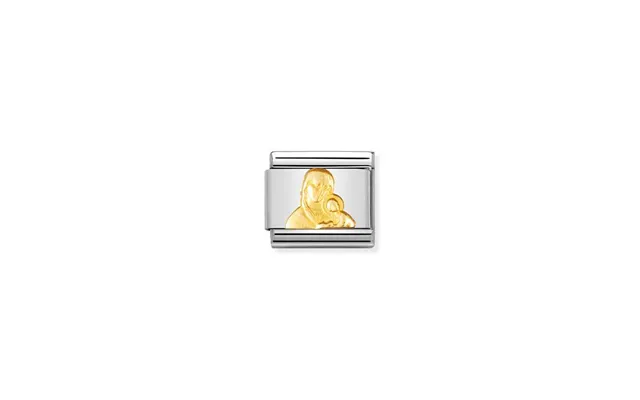
Religious supplies span many categories, each with its own traditions and materials. Below are common groups you’ll see on comparison lists and retailer catalogs, along with what to expect in terms of price, size, and use.
Rosaries, tasbih, mala beads and other prayer bead strands are often made from wood, glass, semi-precious stones or metal. Typical bead sizes range from about 0.2 inch to 0.6 inch in diameter, and a full rosary or mala can be roughly 10 to 30 inches long when stretched out. Look for durable cording and well-knotted beads if you want a strand that will last through regular handling.
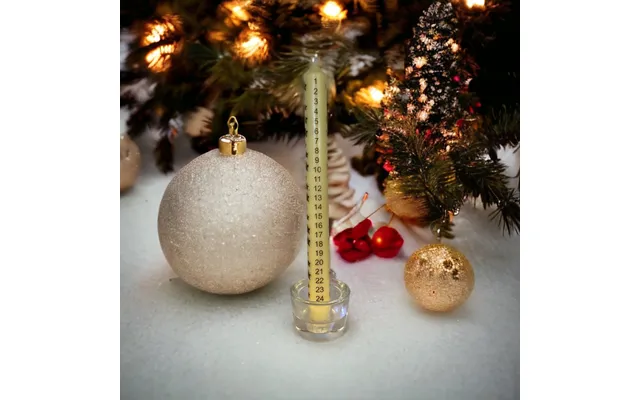
From tapered candles about 8 inches long to pillar candles standing 3 to 6 inches tall, the right candle supplies can change the feel of a space. Metal or glass holders that protect surfaces are recommended; a simple brass holder or glass hurricane that’s 4 to 8 inches across will work for most altars. Scented versus unscented matters too—unscented is often preferred in formal ceremonies to avoid distracting fragrances.
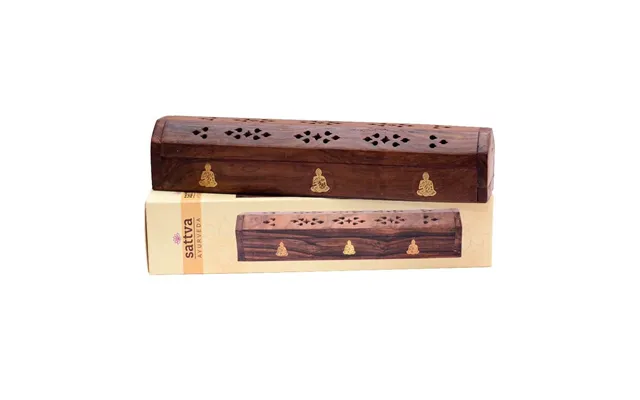
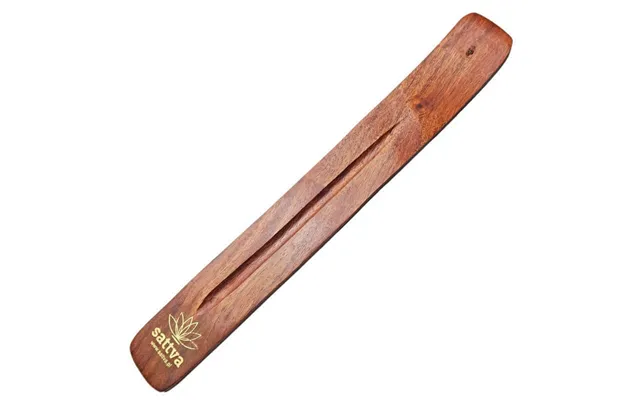
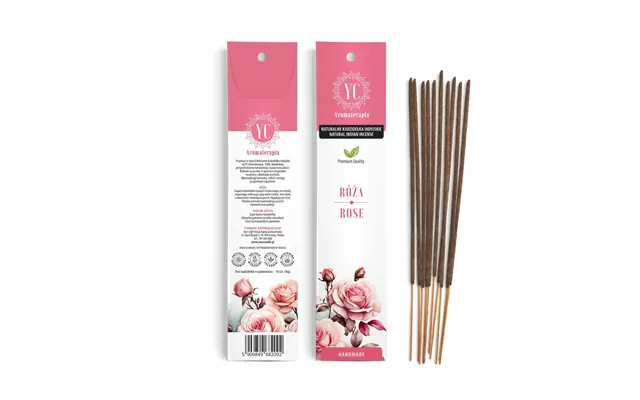
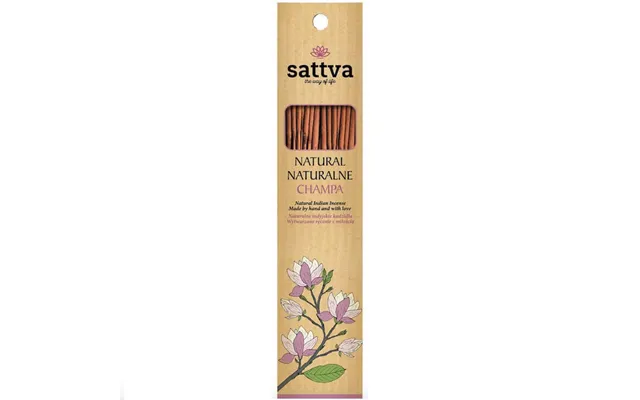
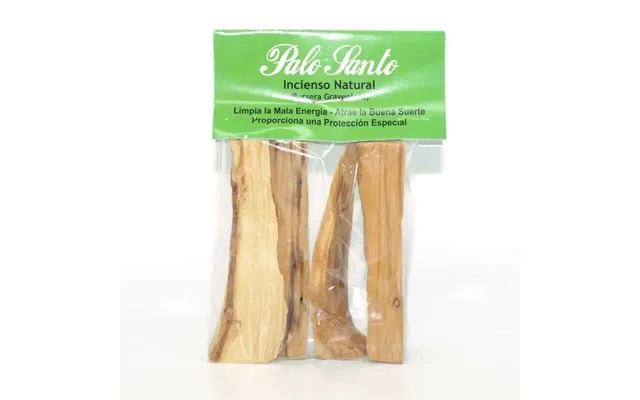
Incense comes in sticks, cones or loose resins. A typical incense stick might be 4 to 6 inches long and will burn for 20 to 45 minutes. Incense burners range from small ceramic dishes to ornate thuribles and censer chains. If you use charcoal for resin, consider a burner that’s heat-resistant and deep enough to hold a 3- to 4-inch charcoal tablet safely.
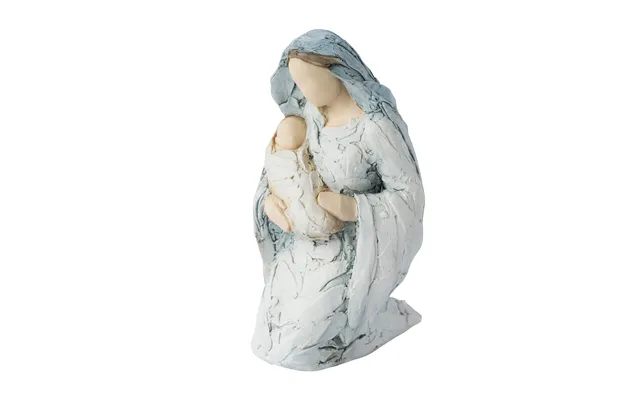
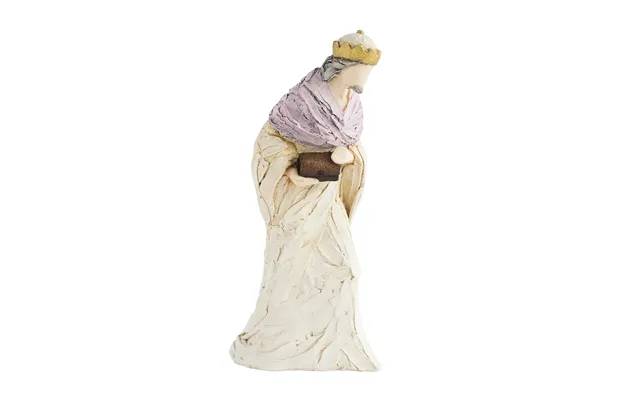
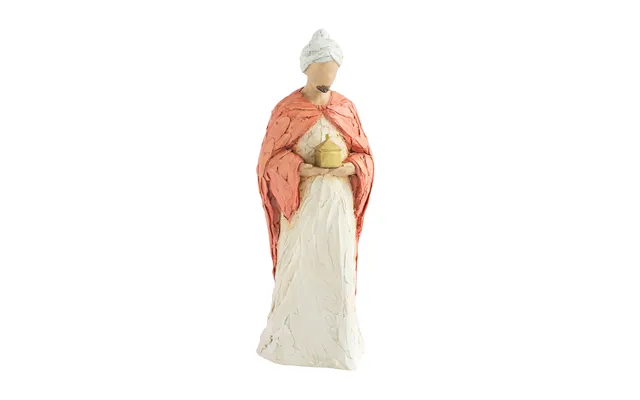
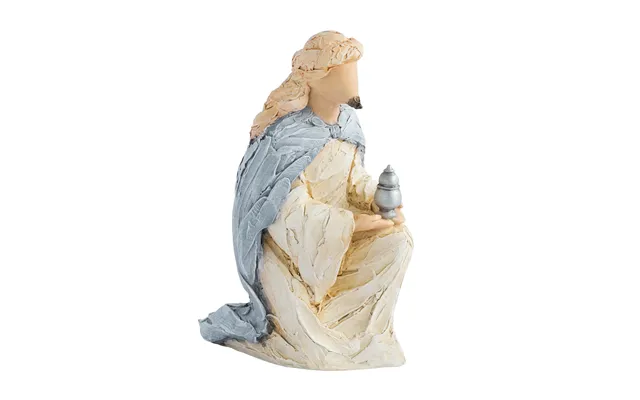
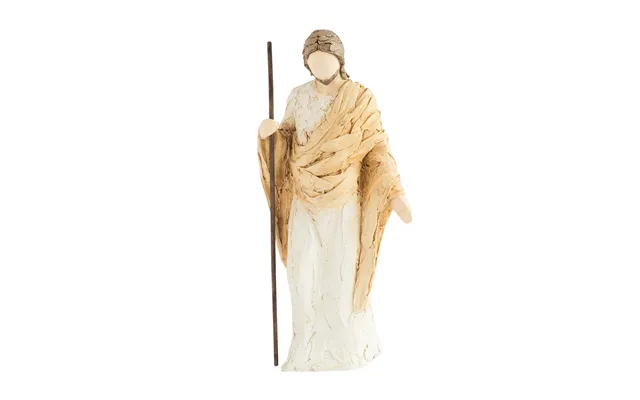
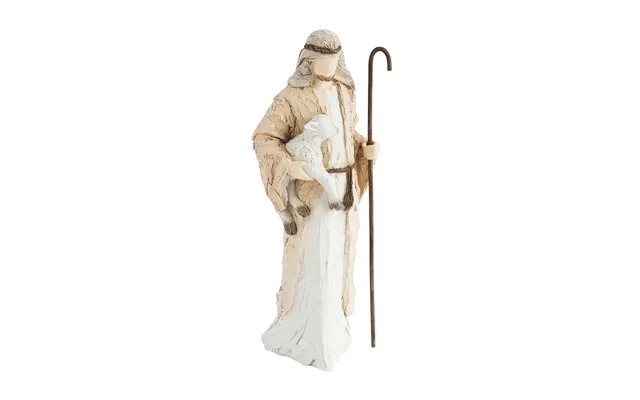
Devotional statues vary from small figures about 3 inches tall to large statues 2 feet or more. Materials include resin, wood, metal and carved stone. Icons—often painted on wood panels—might measure 6 by 8 inches or larger depending on the tradition. When choosing images, consider scale for your space; a 2-foot statue makes a strong focal point, while a 3- to 6-inch figure fits neatly on a shelf or desk.
Prayer rugs and mats are usually sold in sizes like 2 by 4 feet or 3 by 5 feet, plenty of room for kneeling or sitting. Prayer shawls and tallit-style garments vary in size but often fall in the range of 4 to 6 feet long. Altar cloths and coverings come in different cuts depending on the tradition—measure your altar or table first so you don’t end up with fabric that’s too small or puddles on the floor.
Ritual vessels are made from metals like brass, silver-plated steel or pewter, and sizes matter: chalices often hold 4 to 12 fluid ounces, while bowls range from 3 to 8 inches across. If you’re buying for ceremonial use, check for non-reactive finishes and sturdy construction. A solid, well-balanced chalice that stands around 4 to 6 inches tall will handle most needs.
Menorahs and other ceremonial tools are crafted in metals or wood and can span a few inches to over a foot in height. A portable menorah around 8 to 12 inches tall is ideal for home use, while larger display pieces might be 1 to 2 feet tall. Torah pointers (yads) are typically 6 to 12 inches long—long enough to follow text without touching the scroll.
Authenticity matters to many buyers, but what makes an item “authentic” can differ between traditions. Start by asking about the maker, the materials, and any ritual significance. For instance, a rosary made of olive wood from the Holy Land may carry different resonance than a mass-produced plastic strand. Seek out items with clear provenance or that are made by recognized artisans if that authenticity is important to you.
Inspect the details: is the wood finished smoothly, are metal parts soldered securely, is stitching even on textiles? High-quality pieces often show signs of careful assembly—tight knots, consistent paint on icons, and a steady finish on metalwork. If you prefer natural materials, look for solid wood or stone rather than thin veneers; a 2-foot wood statue carved from a single block will usually outlast a hollow resin replica.
Think of religious items like furniture: they should fit your space and lifestyle. A 2-foot statue might look majestic on a mantel but overpower a small bedside table. Portable items like travel prayer rugs—often under 1 pound and folding down to a compact size—are great if you move around. Weigh the visual impact against practical use, and choose sizes that match how you'll actually use the item.
You can find serviceable religious items at low prices, like a simple 6-inch statue or a pack of 20 incense sticks. These affordably priced items can be perfect for beginners or for communal settings where cost matters. On the flip side, heirloom-quality pieces—hand-stitched textiles, silver-plate chalices, or hand-painted icons—command higher prices but often last a lifetime and gain sentimental value. Decide whether you want a temporary or lifetime piece before you buy.
Comparison websites are your friend when hunting for discounts. They gather offers from multiple sellers so you can compare prices, shipping options and product specs side-by-side. Look for sites that list seller ratings and provide links to product details. Seasonal sales—like holidays tied to specific faiths—can also yield deep discounts on candles, textiles and devotional gifts.
When shopping online, read product descriptions carefully. Check dimensions in imperial units (inches and feet) so you can picture the item in your own space. Look for clear photos from multiple angles and read customer reviews that mention durability, finish and whether the item arrived as described. If a listing lacks detail, contact the seller through the platform to ask about materials and size before buying.
Treat sacred items with respect, but practical care will keep them looking good. Dust wooden statues with a soft cloth and avoid soaking them; a light wipe with a slightly damp cloth (not wet) works best. Metal vessels can be polished occasionally with a non-abrasive cleaner—test on a small area first. Textiles should be stored flat or rolled in acid-free tissue if possible; avoid plastic boxes that trap moisture. For incense burners and candleholders, remove residue before it hardens to make cleaning easier.
Respect the cultural context of items—what’s appropriate to buy, display or gift can vary widely between traditions. In some cases, certain items are meant to be consecrated or used only by initiated members; in others, devotional objects are widely shared. If buying items from overseas, check customs rules and any import constraints, particularly for materials like animal products or antiquities. When in doubt, ask a knowledgeable member of the relevant community.
Giving a devotional item can be deeply meaningful, but it’s best to match the gift to the recipient’s beliefs and practices. A high-quality prayer shawl, a plain set of candles for an altar, or a small statue that fits their tradition are safer choices than ornate or doctrinally specific pieces. If you’re unsure, a gift card from a reputable spiritual goods seller or a donation in their name to a religious charity can be equally appreciated.
If you enjoy crafts, making simple religious items can deepen personal connection. Wooden bead malas, hand-stitched altar cloths or personalized prayer bead tassels are accessible projects. Buying handmade items from local artisans supports small businesses and often yields unique pieces with stories attached—think of a carved wooden cross made by a local artist versus a factory-made version.
Don’t rush a purchase just because of a bargain. Cheap items can disappoint if the materials or workmanship are poor. Avoid mismatched symbolism—mixing items from incompatible traditions can feel insensitive. Also, double-check sizes and materials in listings; a 1-foot tall statue listed without dimensions might be far smaller or larger than you expect. Finally, read reviews; a product with many comments about fading paint or poor construction should raise caution.
Before you buy, run through a quick checklist: confirm dimensions in inches and feet, inspect materials, read reviews for durability, compare prices across sellers, and consider whether the item fits the recipient’s tradition and taste. With these steps, you’ll make choices that feel thoughtful, practical and respectful.
Religious items are more than objects—they’re invitations to practice, memory, and community. Whether you want a budget-friendly candle set, a handcrafted rosary, or a statement icon for your home altar, knowing what to look for will make your search simpler and more satisfying. Use comparison tools to spot good value, pay attention to materials and size in imperial units, and choose items that match your needs and traditions. With a little care and curiosity, you’ll find pieces that resonate spiritually and hold up practically for years to come.

| £ 59,- |