All categories
Business & Offices
Electronics & Media
Fashion & Accessories
Groceries & Essentials
Health & Personal Care
Home & Living
Kids & Family
Sports & Outdoors
Search in ZoneOffer

Loading...
Believe it or not, CDs are far from dead. For many listeners, compact discs offer a tactile connection to music you just don’t get from streaming — album artwork you can hold, liner notes you can read, and a consistent playback quality without dodgy Wi‑Fi or variable bitrates. If you care about physical items, giftable packages, or stable high-quality playback, CDs remain a smart buy.
When you hunt deals, it helps to know what you’re actually buying. Not all CDs are created equal: standard jewel-case albums, remastered editions, deluxe box sets, and hybrid formats like SACD often target different listeners and price points. Knowing the differences helps you spot bargains and avoid overpaying for reissues that offer little new content.
Standard CDs are the bread-and-butter releases — single-disc albums in jewel cases or eco-wallets. These are often reissued at lower prices, and bargain bins or clearance sales are ideal for picking up mainstream titles without breaking the bank.
Remasters are reprocessed versions of older albums that claim improved sound or bonus tracks. Some remasters genuinely enhance clarity and dynamic range; others focus on loudness. Expanded editions add demos, B-sides, or live cuts, which can be worth the extra cost if you’re a fan.
Box sets bundle multiple CDs, booklets, posters, or even vinyl and can be collector gold. They’re pricier, but buying them during promotions or comparing prices across sellers can deliver substantial savings.
SACD and hybrid SACD/CDs target high-end listeners with higher-resolution layers or compatibility with standard CD players. If your setup supports it, these discs can offer a clear, warm listening experience that justifies their often higher asking price.
If you’re after bargains, smart shopping and timing matter. Browse a mix of big online retailers, independent record shops, marketplace sellers, and comparison sites that aggregate offers. Each source has pros and cons: online marketplaces have variety and used options, indie stores often hold rarities, and comparison tools help you quickly find the cheapest current price.
Major online shops and marketplaces frequently run promotions, clearance sections, and seasonal discounts. For used or out-of-print CDs, second-hand marketplaces are a goldmine — just check seller ratings and photos before buying.
Local record stores often carry curated selections, exclusive pressings, or staff recommendations. Charity shops and car boot sales can produce surprising finds; patience and regular visits pay off.
Comparison sites pull together prices from multiple sellers so you don’t have to hop between pages. They’re especially useful for tracking limited editions and price drops — set alerts to catch temporary bargains.
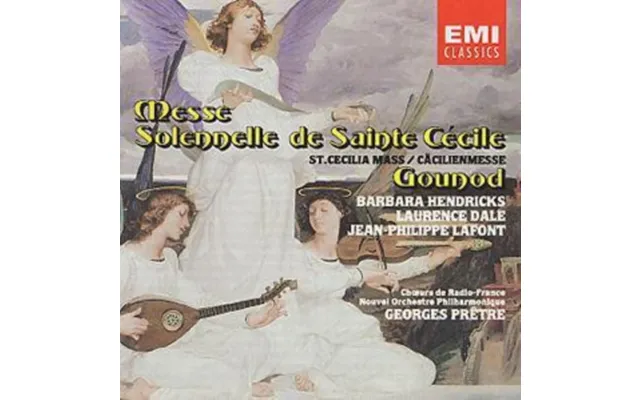
When buying used or rare discs, a little detective work keeps you from getting burned. Genuine CDs have consistent packaging, printed booklets, and clear matrix/runout codes near the disc center. Seller photos should show the barcode, catalog number, and any unique markings. If anything looks off — mismatched artwork, poor print quality, or a dubious seller — ask for more photos or skip the purchase.
Look for scratches on the playing surface, wear on the jewel case, and completeness of inserts. Play the disc if possible — even a small scratch can cause skips. Sellers often grade items as “Like New,” “Very Good,” or “Acceptable”; learn the language so you can compare apples to apples.
Buying the right player can instantly improve how your discs sound. Whether you listen in the car, at home, or on the go, choosing suitable hardware and storage will protect your collection and make listening a pleasure.
Portable CD players are inexpensive and convenient for walks or short trips. Look for features like anti-skip buffering (handy if you jog), rechargeable batteries, and a lightweight design if you plan to carry one in a bag.
For serious listening, a dedicated CD transport paired with a DAC and amp can outperform cheap all-in-one players. Even a modest home stereo with a quality CD mechanism and good speakers will reveal more detail than laptop playback.
Many cars still support CDs through single-disc players or multi-disc changers. If your car doesn’t have a CD slot, inexpensive adapters and in-car CD players for trunk or glove compartments can be installed — a good option if you prefer physical media while driving.
Keep discs safe with microfiber cloths, anti-static sleeves, and upright storage racks. Avoid stacking discs horizontally for long periods; proper storage prevents warping and scratches. Cleaning kits with gentle solutions remove fingerprints and smudges that cause read errors.
Collecting can be casual or serious. Decide whether you want a complete discography of an artist, special editions, or representative picks across genres. Keep an inventory—simple spreadsheets or apps work—to track condition, purchase price, and where each disc is stored. This helps you avoid accidental duplicates and spot opportunities to sell or trade.
First pressings, limited editions, and region-specific releases often hold value. Pay attention to catalog numbers, release year, and whether a CD was part of a limited run. Rarity plus demand equals value, so research online marketplaces to see what similar copies are selling for before buying as an investment.
Certain genres tend to do well on CD because of fan habits and collector culture. Rock, classic pop, jazz, classical, and film soundtracks often sell strongly as physical discs because fans appreciate liner notes, artwork, and complete albums. Niche genres like progressive rock and metal also have loyal physical-media followings, with frequent remasters and deluxe box sets.
Fans often prefer album-focused listening for these genres, making CDs a natural format. Best-of compilations and remastered albums frequently get reissued, so you can find either budget re-releases or pricey collector editions depending on your taste.
These genres benefit from long-form listening and accurate sound reproduction. Audiophile releases and comprehensive box sets are common, and classical collectors often seek complete works by composers in well-documented editions.
Soundtrack CDs often include bonus tracks or extended cues not available on streaming. Film score collectors love physical releases for liner notes, composer commentary, and unique packaging that streaming can’t replicate.
Patience pays. The best times to buy include seasonal sales (Black Friday, post-Christmas clearance), retailer anniversary promotions, and when new remasters push older pressings onto clearance racks. If you’re hunting a particular title, set price alerts on comparison sites and marketplaces to be notified of sudden drops.
Used sellers may be open to offers, especially on multi-item listings. For auction sites, monitor the auction’s tempo and place a last-minute bid rather than chasing early. Buying bundles often yields lower per-disc costs than one-off purchases.
Streaming is convenient and vast, but CDs offer stable audio quality, ownership (you’re not renting a license), and a tactile experience. CDs also guarantee access to specific mixes or bonus tracks that may never hit streaming services. If you value physical packaging or want to archive a guaranteed copy of an album, CDs are still a sensible choice.
If you’re building a collection, think about space and sustainability. Store discs upright in climate-stable rooms away from direct sunlight. Consider eco-wallet packaging options or buy used to reduce plastic consumption. A well-cared-for CD collection can be passed down, kept pristine, and enjoyed for decades.
Here’s a short go/no-go checklist: verify seller credibility, inspect photos for condition and completeness, confirm catalog numbers and matrix codes for first pressings, compare prices across multiple sellers or comparison tools, and consider shipping costs and delivery time if buying from outside your area. These quick steps will save you regret and wasted money.
Be flexible with editions if you want a bargain — a standard reissue might sound fine compared to an expensive original pressing. Use price alerts and comparison tools to track deals, and don’t underestimate the value of local shops and second-hand stores for surprises. Remember, collecting should be fun, not frantic: buy what you love and the hunt will feel rewarding.
CDs remain a lively, rewarding format for music lovers who value physical media, stable sound quality, and collectible packaging. Whether you’re shopping for everyday listening, hunting down a rare box set, or building an audiophile setup, the key is knowing the formats, comparing prices, and protecting your purchases with proper storage. With a little patience, the right tools, and smart use of comparison resources, you can build a satisfying collection without overspending. Happy hunting — and enjoy the music!
| Music CDs | Price | |
|---|---|---|
| Primal Planet Original Soundtrack | £ 2,03 | |
| Crown Wars The Black Prince - Soundtrack | £ 2,10 | |
| Remember The 90s | £ 2,49 | |
| Disney Sing Along | £ 3,49 | |
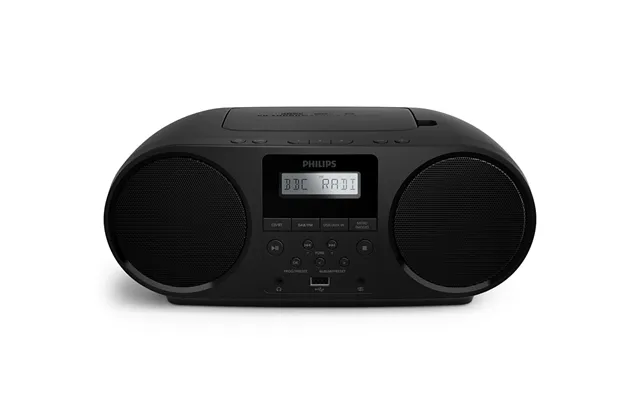
| Philips Taz6000 10 Cd Player Portable Cd Player Black | £ 112,62 | |
| Philips Taz6000 10 Cd Player Portable Cd Player Black | £ 112,62 | |
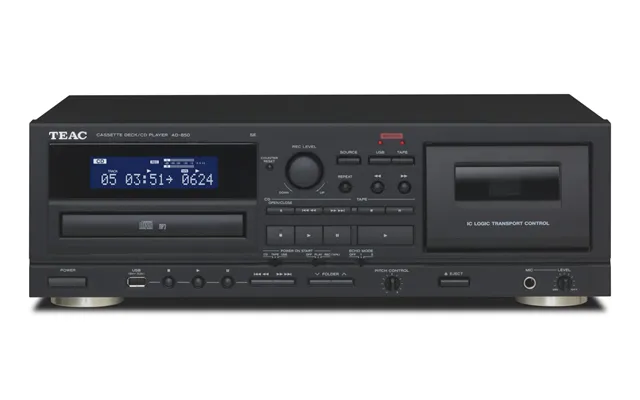
| Teac Ad-850-se B Cd Player Personal Cd Player Black | £ 562,03 | |
| Teac Ad-850-se B Cd Player Personal Cd Player Black | £ 562,03 |