All categories
Business & Offices
Electronics & Media
Fashion & Accessories
Groceries & Essentials
Health & Personal Care
Home & Living
Kids & Family
Sports & Outdoors
Search in ZoneOffer
Loading...
If you’ve ever wondered how mechanics know exactly what to do when your car acts up, vehicle service manuals are the secret sauce. These manuals are step-by-step guides that cover maintenance, troubleshooting, wiring diagrams, torque specs, and full repair procedures for specific makes and models. Think of them as a roadmap to your vehicle’s inner workings — whether you're changing brake pads, timing belts, or diagnosing an engine light.
You don’t need a hoist or a decade of experience to benefit from a solid repair manual. Manuals save time, reduce guesswork, and help prevent costly mistakes. They give you confidence to tackle jobs you might otherwise hand over to a shop. Plus, accurate torque values, fluid capacities, and diagnostic flowcharts mean you’re less likely to strip fasteners or underfill your cooling system.
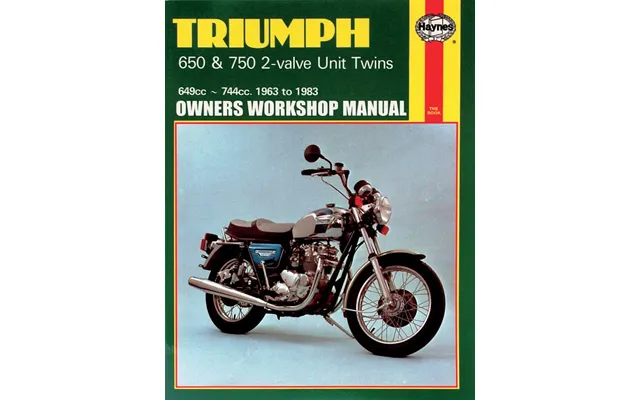
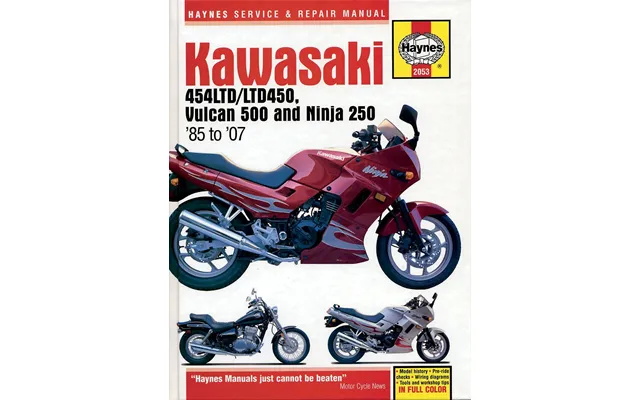
Printed manuals from brands like Haynes and Chilton are classic favorites. They’re portable, easy to mark up, and typically organized by task — from routine maintenance to full repairs. A printed manual is perfect if you like a hands-on, no-screen approach. Many you can keep in your toolbox and use in the garage without worrying about battery life or internet access.
OEM manuals are the most detailed and authoritative. Created by the vehicle manufacturer, these manuals include factory procedures, advanced diagnostics, and original wiring diagrams. They’re the choice of professional technicians when accuracy is critical. If your repair requires exact specifications or dealer-level troubleshooting, an OEM manual is worth the investment.
Digital manuals and downloadable PDFs are convenient and search-friendly. You can zoom into wiring schematics, copy part numbers, and access manuals on a tablet or laptop while you work. Many digital guides come from the same publishers as printed manuals and offer the bonus of instant access after purchase.
Subscription services provide ongoing access to a massive library of manuals, TSBs (technical service bulletins), and recall information. These platforms are ideal if you work on multiple makes or need up-to-date manufacturer updates. They often include vehicle-specific diagrams and repair videos that are regularly refreshed.
A good manual covers the full lifecycle of repairs. Expect sections on routine maintenance schedules, engine overhaul procedures, transmission removal, suspension alignment specs, and electrical system wiring diagrams. Manuals also list torque specs in foot-pounds, fluid capacities in quarts or gallons, and parts identification that saves you time hunting for the right replacement.
Prices for vehicle service manuals vary widely depending on format and depth. Printed manuals often range from around $15 to $80, while OEM printed manuals or shop manuals can cost $100 or more. Digital downloads are commonly priced between $10 and $50, and subscription services can run anywhere from a monthly fee of roughly $10 to yearly plans near $100. Comparison sites and deal pages are excellent for spotting discounts or bundled offers that include digital and printed formats.
A torque wrench is non-negotiable when following a manual. Most engine and suspension fasteners require specific settings in foot-pounds. A 3/8-inch drive torque wrench that covers 10 to 80 ft-lb is a versatile starting point for many jobs. Using the correct torque avoids over-tightening and prevents stripped threads.
An OBD-II scanner helps you read fault codes and reset lights, and some models give live sensor data. If your manual references diagnostic trouble codes or sensor voltages, a scanner becomes indispensable. Entry-level units cost under $50, while advanced diagnostic tools for in-depth testing can run several hundred dollars.
Never rely on a jack alone when working under a vehicle. A standard 2-ton floor jack combined with four robust jack stands gives you safe access. Make sure stands have a height range that suits your car — most stands lift between about 8 inches and 18 inches. Safety first: always use wheel blocks and a level, solid surface.
A good socket set, combination wrenches, screwdrivers, pliers, and a breaker bar get you through most jobs. Manuals sometimes call for specialty tools — pullers, seal drivers, or timing tools — so check the manual before starting. Renting or borrowing specialty tools can save money if you only need them occasionally.
Picking the correct manual starts with vehicle identification. Use your VIN, model year, engine code, and body style to ensure the manual matches your exact configuration. If you own a vehicle with multiple engine options or trims, an OEM manual specific to the engine code avoids costly mistakes. Consider whether you prefer searchable digital text or the tangibility of a printed book — both have their advantages.


Before you start, read the entire procedure from the manual. Manuals often warn about hidden steps or recommend preliminary checks that can save time. Skipping ahead can lead to surprises like seized bolts or extra parts you didn’t plan for.
Always use the exact torque specs your manual lists. Fasteners on suspension and engine components often require a two-step torque process: an initial setting and a final torque check. Follow both steps and use a calibrated torque wrench to protect threads and maintain safety.
Write down what you did, the part numbers used, fluid types and amounts, and the date you performed maintenance. This log becomes invaluable for future diagnostics and helps maintain a clear history for resale or inspection.
Digital manuals are searchable, lightweight to carry on a tablet, and often cheaper for a single download. They let you zoom into wiring diagrams and quickly jump between sections. Printed manuals, however, are easier to flip through without screens, can be annotated by hand, and won’t drain a battery mid-job. Many people choose both: a digital manual for quick searches and a printed backup for messy jobs.
Haynes and Chilton manuals are well-known for clear, task-based instructions and photo walkthroughs. OEM manuals provide the deepest detail and are used by dealerships for complex repairs. Some readers like supplemental guides — such as performance or restoration manuals — that focus on modifications and upgrade paths. Your choice depends on how deep you plan to go: routine maintenance, moderate DIY repairs, or full restorations.
Comparison sites collect prices across publishers and sellers so you can quickly see what’s available. Look for listings that specify format (printed, PDF, subscription), applicable model years, and included content like wiring diagrams or TSB access. Comparison tools let you compare offers side-by-side and spot bundle deals that combine digital downloads with printed copies or bonus tools.
If you frequently work on many different vehicles or you’re a professional, a subscription service with ongoing updates makes sense. For a single project or a one-off maintenance job, a single printed manual or digital PDF is often the most cost-effective route. Consider how long you’ll need access: a monthly subscription is good for short-term projects, while a yearly plan pays off for regular use.
Avoid sellers that don’t specify model years, engine codes, or vehicle fitment. Poor-quality scans, incomplete chapters, or manuals that lack schematics are worth skipping. Also be wary of manuals selling for suspiciously low prices without clear licensing — quality and accuracy matter when you’re working on critical systems like brakes or steering.
Manuals are learning tools as much as they are references. If you’re new to car repair, start with basic maintenance sections: oil changes, brakes, filters, and belts. As you build confidence, move onto more advanced topics like timing components or transmission service. Manuals paired with hands-on experience will accelerate your skills much faster than video alone.
Treat your manuals like part of your toolkit. Store printed copies in a dry place and back up digital manuals on a cloud drive or external storage. Annotate procedures with your own tips — the torque wrench setting that tends to give you trouble, or a shortcut for removing a stubborn clip. Future-you will thank present-you for the notes.
Investing in the right vehicle service manual pays dividends in time saved, money kept in your wallet, and confidence under the hood. Whether you choose a trusted printed Haynes manual, the factory-level detail of an OEM guide, or the instant convenience of a digital download, the key is matching the manual to your vehicle and your skill level. Pair that manual with the essential tools, follow procedures closely, and you’ll tackle repairs like a pro. Ready to get your hands dirty?
| Vehicle Service Manuals | Price | |
|---|---|---|
| F1 Manager 2023 | £ 10,53 |