

Rain Suits price list
Last updated Monday, 19 Oct 2026





Loading...
Last updated Monday, 19 Oct 2026
If you spend any time outdoors when the skies turn gray, you know that a cheap jacket stuffed in a gym bag isn’t going to cut it. A proper rain suit is more than a fashion statement — it’s protection that keeps you dry, warm, and comfortable so you can keep moving. Think of a rain suit like a roof you wear: if it leaks or doesn’t breathe, everything under it suffers. Investing in a well-designed suit pays off in comfort, longevity, and fewer soggy days. Whether you’re commuting, hiking, fishing, or working outdoors, the right suit means less fuss and more focus on whatever you love to do.
When shopping for a rain suit, keep an eye out for a few core features that separate the good from the merely passable. Look for reliable waterproof construction, breathing ability so sweat can escape, taped seams that stop capillary action, and practical details like adjustable hoods and storm flaps. Don’t forget weight and packability: a bulky suit might keep water out but could be a pain to carry. Finally, consider the warranty and repair options — a suit that can be patched or resealed is a better long-term value.
Waterproof performance is often described by how much water pressure a fabric can withstand before leaking, sometimes called a water column. On waterproof gear you’ll often see ratings that translate to hundreds of inches or even feet of water column. For everyday use, look for suits that can handle at least 200 inches (about 16 feet) of water column; for heavy, sustained rain and professional use, aim for 400 inches (about 33 feet) or more. Just as important as the fabric is the seam treatment: fully taped seams prevent water from sneaking in at stitch lines, while critically taped seams protect the most exposed areas for a lighter weight and lower cost option.
No matter how waterproof your suit is, trapped moisture from sweat can make you colder than the rain ever will. Breathability allows internal moisture to escape so you stay dry on the inside. Look for suits with pit zips, mesh-lined vents, or breathable membrane technologies that encourage airflow without letting water in. If you’re active — cycling, hiking, or working hard — prioritize breathability even if it means a slight trade-off in heavy-storm waterproofing. After all, a clammy interior can make you reach for the nearest shelter faster than a drizzle will.
Fabric weight matters. Heavyweight suits are tougher: they resist tears, snags, and abrasion from brush, bike racks, or job-site tools. Lightweight suits pack down smaller and are easier to carry, which is perfect for travel or unpredictable weather. Fabric weight is commonly described in ounces per square yard — for example, an ultralight packable shell might be 2–4 oz/yd², while a rugged work or fishing suit could be 6–10 oz/yd². Choose based on how rough your outings are: pick heavier for rough work and lighter for convenience and mobility.
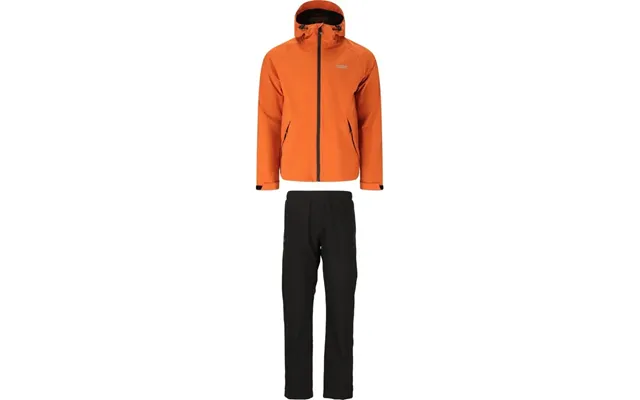
Rain suits come in two basic styles: one-piece coveralls and two-piece jackets and overtrousers. Each has pros and cons depending on use. One-piece suits offer the best barrier against wind-driven rain and are popular in industrial and fishing settings, but they can be less convenient for bathroom breaks. Two-piece outfits give you more flexibility — you can pair different sizes of jacket and trousers and wear just the jacket when only the top half needs protection. Think about how you’ll use the suit before choosing form factor.
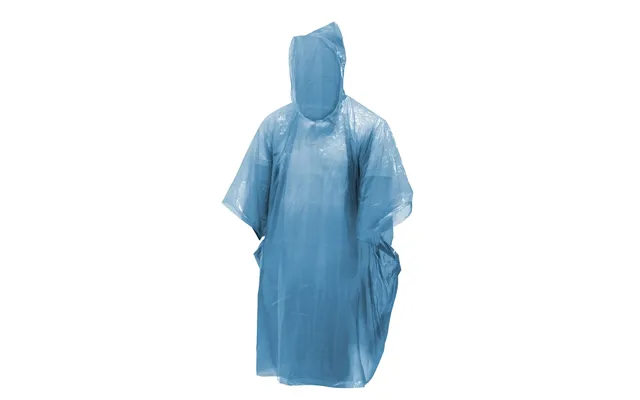
If you’re a traveler or commuter who needs an emergency layer, packable rain suits are a lifesaver. They compress down to a small pouch, often fitting into a pocket or attached to a backpack. The trade-off is typically lighter fabric and simpler seam treatment, which may reduce lifetime durability. But for occasional use on weekend trips or city travel, a compact, 3–5 oz suit that stashes in a bag is perfect. Choose one with easy-access pockets and a hood that stows away so you’re ready in seconds when the clouds roll in.
Rain suits aren’t just different in style — they’re made from very different materials that affect performance. The main players are coated fabrics, laminated membranes, and advanced multi-layer constructions. Each material behaves differently under rain and during activity, and understanding the basics helps you pick a suit that matches your lifestyle.
PU-coated shells are a common, cost-effective choice. They work by applying a waterproof coating to a base fabric, creating a barrier against water. PU coatings can be lighter and more flexible than some heavy-duty materials, and they can be reproofed with sprays or washes. The downside is they can be less breathable, so they’re best for moderate activity and short exposures rather than intense workouts.
Membrane-based fabrics like Gore-Tex, eVent, and other proprietary laminates offer a balance of waterproofing and breathability by using microscopic pores that let vapor out but block liquid water. These often come in multi-layer constructions and can be more expensive, but they shine for high-output activities like mountain hiking or long days on the bike. If you need serious weather protection and plan to be active, a membrane suit is a strong choice.
There are many reputable brands making rain suits for different budgets and uses. Popular names include Helly Hansen, Columbia, The North Face, Berghaus, Regatta, Marmot, and more specialized choices like Frogg Toggs for budget-friendly disposables. Each brand tends to have models targeted at commuting, hiking, fishing, or industrial use. For commuting and everyday use, look at lightweight, stylish jackets with enough breathability for city cycling. For outdoor sports, prioritize membrane technology and venting. For work, durability and full seam taping matter most.
For city commuters, pick a suit that balances waterproofing with visibility and mobility. Jackets with reflective trims, articulated sleeves, and easy-access pockets win here. A jacket paired with lightweight overtrousers gives you flexibility: ride in the jacket alone, then pull on trousers for heavy downpours. Look for suits that compress into a small pouch so you can stow them in your work bag without taking up half your lunch.
Hikers and anglers should focus on breathable laminates and durable reinforcements in high-wear areas like knees and seat. Seek suits with adjustable hoods that lock down and extended hems to keep splash-out away from your legs. For multi-day adventures, a suit that tolerates reproofing and has a strong repair kit or accessible seam-tape options gives the best long-term value.
If your day includes heavy wear — think construction, landscaping, or industrial tasks — durability is king. Go for thicker fabrics in the 6–10 oz/yd² range, full seam taping, and reinforced knees and seat. One-piece suits or bib overalls often provide better overall protection. Features like storm cuffs, adjustable hems, and easy-to-replace zippers add to the lifespan and practicality for demanding conditions.
Fit matters for both comfort and performance. A suit that’s too tight restricts movement and can wear prematurely; one that’s too loose lets rain funnel inside. Measure your chest, waist, hips, and inseam in inches and compare to the manufacturer’s size chart. For layering, allow an extra 1–3 inches in the chest and waist. If you plan to wear bulky layers underneath, add more space. Trouser length in inches should match your normal pant inseam so hems don’t drag and wet your shoes.
Stand relaxed while measuring for accuracy. Chest measurement is taken around the fullest part of the chest, under the arms, and across the shoulder blades. For inseam, measure from the crotch seam to the floor with shoes similar to what you’ll wear. If you’re between sizes, size up for more layering room or if you prefer a looser fit; size down only if you prefer a trim, athletic fit. Remember: a well-fitted suit is easier to move in, quieter in wind, and better at keeping rain out.
Proper care extends the life of your rain suit and keeps performance where it belongs. Regular cleaning removes oils and dirt that break down DWR finishes and clog pores in breathable membranes. Reapply a DWR spray or wash-in treatment when water stops beading on the surface. Store your suit loosely folded in a cool, dry place — avoid cramming it into hot attics or wet basements where mold can grow. Treat small tears quickly with repair tape designed for outdoor gear.
Always check the care label, but general rules apply: use a gentle cycle with a mild liquid detergent designed for technical fabrics, rinse thoroughly, and tumble dry on low if the label allows — heat can reactivate DWR coatings. For suits that can’t be tumble-dried, air dry and then apply a spray-on DWR and heat-set it lightly with a dryer on low or a warm iron cushioned by a cloth, following manufacturer guidance. Reproofing every season or two keeps the outer face actively shedding water instead of soaking up moisture.
Store your suit clean and dry. If it has removable parts like hoods or liners, stow those separately to prevent moisture transfer. For repairs, seam-tape kits and specialty adhesives work well on small rips and seam failures; larger damage may warrant professional repair. Carry a small repair kit when you’re out for multi-day trips — a patch zip and a strip of tape can save a trip and prevent a small hole from becoming a major failure.
Smart shopping starts with comparison. Compare technical specs like water column in inches, seam treatment, fabric weight in ounces, and warranty terms across models and brands. Read real user reviews to understand how suits perform in real-world conditions rather than lab settings. Use comparison sites and aggregator tools to see current deals and price histories so you know you’re getting value rather than impulse-priced gear. Remember, the cheapest option might cost more over time if it fails quickly under regular use.
Sales often pick up at season changeovers — late summer into fall and late winter into spring — when retailers clear out last season’s stock. If you need a suit for immediate use in a forecasted rainy spell, balance urgency with research: a temporary cheaper option might be perfect for a single trip, but for regular use invest in a higher-quality suit. Also look for bundles or kits that include storage sacks and repair kits for extra value.
Choosing the right rain suit is a mix of honest assessment of your needs, a look at technical details, and practical trial. Whether you want a lightweight, packable commuter shell, a breathable membrane suit for long hikes, or a heavy-duty work coverall, there’s a model designed for your life. Use comparison tools to match specs and price, pay attention to fabric weight in ounces per square yard and water column ratings in inches, and don’t forget the small but crucial features like taped seams, adjustable hoods, and ventilation.
Ready to shop? Make a short checklist: how often will you use the suit, how rough will the conditions be, and how much are you willing to carry? Answer those, and the choices narrow quickly. With the right gear you’ll spend more time enjoying the outdoors and less time worrying about whether the rain will win.
Conclusion: A well-chosen rain suit is one of the most practical investments for anyone who spends time outdoors. By focusing on waterproofing in inches of water column, fabric weight in ounces, seam treatments, breathability, and the features that fit your lifestyle, you can find a suit that keeps you dry, comfortable, and ready for whatever the weather throws at you. Compare, read reviews, and pick the suit that matches how you move through the world.