

White Coats price list
Last updated Monday, 19 Oct 2026





View 18 Offers








Loading...
Last updated Monday, 19 Oct 2026
White coats do more than look sharp — they signal professionalism, protect clothing, and provide practical storage when you're on the move. Whether you're a medical student, a lab technician, or a chef, the right white coat helps you work smarter and feel confident. Think of it like a uniform that does heavy lifting: it carries your tools, hides spills, and keeps your street clothes clean, all while sending the right message the moment you walk into a room.
White coats come in several distinct styles designed for different tasks. Choosing the right type depends on your daily duties, the environment you work in, and personal comfort preferences.
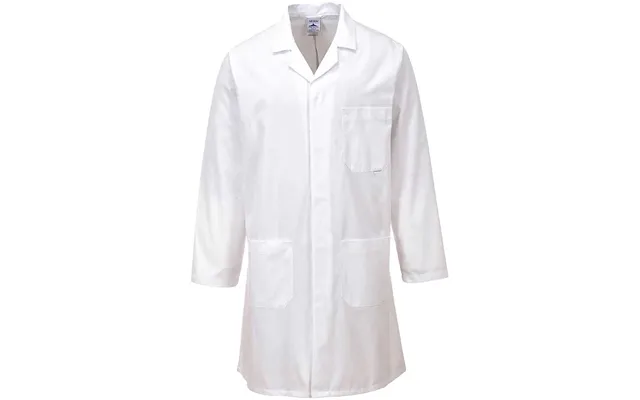
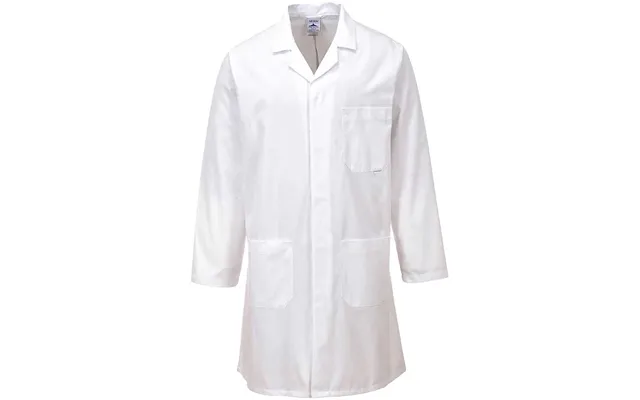
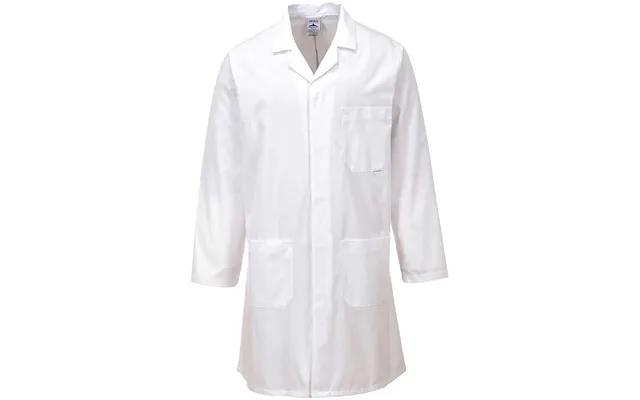
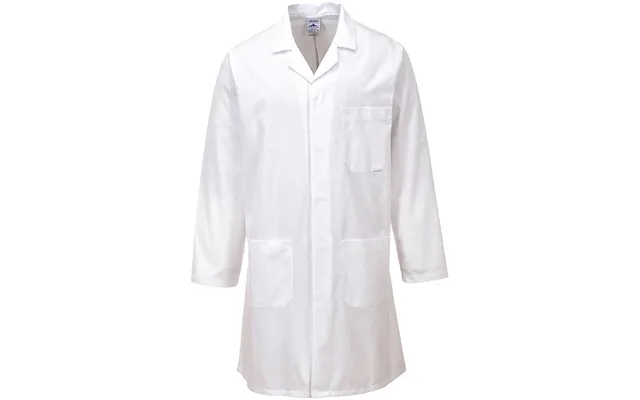
Classic lab coats usually hit the thigh to knee area — commonly 34 to 40 inches in length — and feature button closures with roomy pockets for gloves, pens, and small instruments. They’re ideal for researchers and lab techs who need chemical resistance and multiple storage options.
Medical coats are tailored to be cleaner and more fitted, often with snaps or hidden buttons that reduce contamination points. Many clinics prefer shorter, hip-length styles (about 30 to 34 inches) for easier movement during patient exams and rounds.
Chef whites are a different breed: thicker fabric to protect against heat and splashes, double-breasted fronts to hide stains, and often longer sleeves or rolled-cuff options. These jackets typically use heavier materials — think 6 to 8 ounces per square yard — to stand up to a hot kitchen.
For quick shifts and high mobility, short lab jackets or scrub-style coats (usually 24 to 30 inches long) are popular. They’re lighter, easier to launder, and practical for environments where standard lab coats might get in the way.
It’s tempting to pick the cheapest white coat, but a few key features will give you better value over time: fabric performance, fit, pocket layout, and care instructions. Here’s what to prioritize.
Fabric matters. Cotton provides breathability but wrinkles; polyester blends resist wrinkles and dry faster. For everyday use, a 4 to 6 ounce per square yard blend balances durability and comfort. In kitchens, a heavier 6 to 8 ounce fabric gives more protection from heat and spills.
Fit affects mobility. Look for coats with back vents or pleats and sleeve lengths that let you reach without the cuff climbing past your wrist — typical sleeve lengths run 22 to 26 inches depending on size. Check chest measurements in inches to match your shirt size rather than relying only on S/M/L labels.
Consider pocket placement: chest pockets for pens and ID badges, hip pockets for gloves and small tools, and interior pockets for protected items. Deep pockets (6 to 8 inches) prevent things from falling out mid-shift. Some modern designs include pen slots, phone pockets, and even utility loops for ID reels.
Advanced finishes can make a white coat work harder for you. Here’s a simple breakdown of what’s available and why it matters.
Antimicrobial coatings reduce odor and bacterial growth between washes; spill-resistant treatments bead liquids for easier cleaning. These are particularly useful in clinical settings where hygiene is critical. Remember to check how treatments affect garment breathability.
If you don’t have time to iron, wrinkle-resistant blends are lifesavers. Fabrics labeled “no-iron” or “wrinkle-free” typically contain polyester and tend to dry quickly — great for busy professionals who launder frequently.
Your budget shapes choices, but you can find good options at every price point. Below are common price brackets and what to expect in each.
Entry-level coats often use lighter cotton-poly blends, basic pocket layouts, and standard sizing. They’re perfect for students and short-term use but may show wear faster — think fading, loose buttons, or shrinking if washed in high heat.
Here you’ll find tailored cuts, better stitching, reinforced pockets, and improved finishes like stain resistance. These coats hit the sweet spot for professionals who need durability without a premium price tag.
Premium coats feature top-tier fabrics, advanced antimicrobial finishes, superior tailoring, and professional detailing like bar-tacked pockets and solid brass snap closures. If you rely on your coat daily and want it to last years, this is the segment to consider.
Not every white coat fits every role. Ask yourself about movement needs, exposure risks, and how often you’ll launder the coat. These answers steer you toward the best style.
Choose knee-length or hip-length coats with antimicrobial treatment and a professional fit. Look for easy-access pockets for tablets and stethoscopes, and a fabric that tolerates frequent washing at 140 to 160 degrees Fahrenheit for clinical-grade sanitizing — if your facility requires it.
Durability and protection are paramount. Choose thicker blends or cotton-rich fabrics if chemical exposure is common, and a length that prevents splashes from reaching your pants. Consider coats with double stitching and reinforced cuffs for longer life.
Sleek, tailored coats with minimal loose fabric reduce contamination risk and look professional during patient interactions. Shorter coats that still provide pocket space for instruments are ideal.
Go for heavyweight, double-breasted jackets with heat-resistant fabric and reinforced seams. Many chefs prefer white for traditional aesthetics, but stain-hiding panels and detachable sleeves can be practical additions.
Maintain your white coat so it lasts longer and stays professional. Proper care reduces staining, yellowing, and fabric breakdown.
Wash whites separately to avoid color transfer. Use warm water (around 100 to 120 degrees Fahrenheit) and an oxygen-based bleach for regular maintenance. For stubborn stains, pre-treat with an enzyme-based stain remover and avoid chlorine bleach on treated or antimicrobial fabrics. Always consult the care label for maximum wash temperature in Fahrenheit.
Tumble dry on low heat or hang dry to avoid shrinkage. If ironing, use a medium heat setting and steam for tough wrinkles. For wrinkle-resistant blends, a quick shake and hang after drying often suffice.
Embroidery or logo placement can make a coat part of a clinic’s identity or a restaurant’s brand. Choose embroidery thread that tolerates high-temperature laundering in Fahrenheit and position logos on the chest or sleeve for best visibility. If you switch roles often, opt for removable name badges to keep the coat neutral.
More brands now offer organic cotton blends and recycled polyester fabrics. These options reduce environmental impact and often come with certifications to back sustainability claims. Expect slightly higher prices but a smaller footprint and comparable performance.
Comparison sites and curated marketplaces help you see prices, materials, and reviews side-by-side. Filter by length in inches, fabric weight in ounces, and features like antimicrobial treatment or pocket count. Look for seasonal offers around graduation and the start of academic terms to snag better deals.
While specific brands change with trends, here are styles worth searching for by feature rather than brand name. First, a classic knee-length lab coat with three-pocket layout and back vent for mobility. Second, a tailored women's clinical coat with hidden snaps and moisture-wicking lining. Third, a heavyweight double-breasted chef jacket with reinforced front and gas-flame resistant trim. Lastly, a short scrub-style coat with phone pocket and badge loop for technicians on the move.
Before you buy, run through this quick checklist: measure chest and sleeve length in inches, decide coat length (inches), pick material and fabric weight (ounces), verify pocket layout, check for antimicrobial or stain-resistant finishes, and read user reviews focusing on durability and fit. This quick routine saves returns and ensures you get a coat that lasts.
Choosing the right white coat is as much about practicality as it is about style. Whether you need a protective lab coat, a polished clinical jacket, or a tough chef’s jacket, focus on fabric, fit, and features that match your daily tasks. Investing in the right coat pays off in comfort, appearance, and longevity.
Conclusion: A white coat is more than a garment — it’s an essential tool for many professionals. By understanding the different styles, fabrics, and features available, you can pick a coat that protects your clothes, fits your workflow, and lasts through many shifts. Measure carefully, prioritize the features that matter most to your role, and use comparison resources to find the best value. Your next white coat should work as hard as you do.