
Costume Shoes price list
Last updated Monday, Sep 14, 2026
| Costume Shoes | Price |
|---|---|
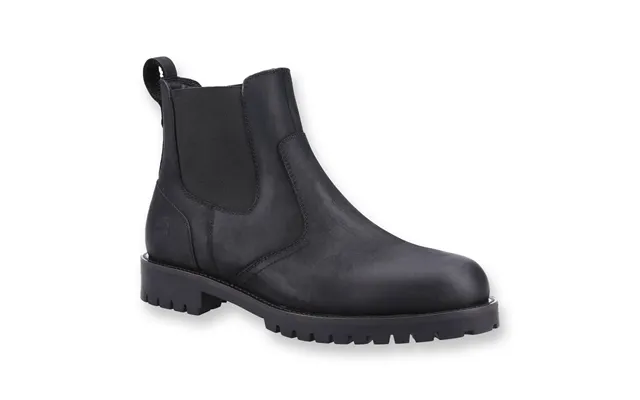
| Uk 10 Bodicote Chelsea Boot Black | £64.99 |
| Uk 11 Bodicote Chelsea Boot Black | £64.99 |
| Chatham Southill Premium Leather Waterproof Chelsea Boots - Dark Seahorse Uk 10 | £150.00 |




Loading...
Last updated Monday, Sep 14, 2026
| Costume Shoes | Price |
|---|---|
| Uk 10 Bodicote Chelsea Boot Black | £64.99 |
| Uk 11 Bodicote Chelsea Boot Black | £64.99 |
| Chatham Southill Premium Leather Waterproof Chelsea Boots - Dark Seahorse Uk 10 | £150.00 |
Ever shown up in a brilliant costume only to have your shoes betray the look — or your feet? Costume shoes do more than finish an outfit; they sell a character, support movement, and protect you during long nights of parades, stage shows, or parties. Whether you’re stepping into a pirate’s boots, clown platforms, or a Victorian gentleman’s shoes, the right pair keeps you comfortable, safe, and convincing. Think of costume shoes as the foundation of a house: skimp on the base and everything else feels shaky.
There’s a surprising variety when it comes to costume footwear. Each type serves a different aesthetic and practical need — from exaggerated comedy pieces to historically accurate theatrical boots. Knowing what’s available makes it easier to choose shoes that fit both your character and your feet.
Clown shoes are exaggerated, often one to three inches longer than normal footwear, and sometimes feature a foam or rubber toe. They’re built for visual impact and comedic timing, not miles of walking. If you plan to wear them for a performance, look for pairs with non-slip soles and secure straps so you don’t trip when you’re mid-gag.
Pirate boots usually come mid-calf with turned-down cuffs, distressed leather or faux-leather finishes, and sometimes decorative buckles. They’re a great choice if you want a rugged, adventurous look that still allows for relatively normal walking. For authenticity, choose boots with a 1 to 2 inch heel and durable tread.
Period pieces demand attention to small details: narrow toe boxes, button or buckle closures, and subtle heels. Victorian men’s shoes tend to have a 0.5 to 1 inch heel and a sleek silhouette. If you’re performing in a historical piece, sticking to these proportions keeps the look convincing under stage lights.
Character shoes bridge practicality and performance. Think of danceable boots, flexible leather shoes with reinforced soles, or low-heeled dress shoes designed to move. These are the go-to for musical theatre performers and anyone who needs to act, sing, and move without painful blisters.
Platform costume shoes add height and presence. Platforms for costumes usually range from 1 to 4 inches and are often used to alter a character’s silhouette dramatically. If you choose a platform, prioritize balance and look for ankle support or straps so you’re not wobbling through your evening.
Boot covers are a budget-friendly way to transform a regular shoe into a specific look. These slip-over styles come in fabrics or synthetic leather and can mimic tall boots, armored footwear, or fantasy designs. They’re lightweight and easy to store, making them a smart option for one-night events.
Not all costume shoes are created equal. The material and construction dictate durability, comfort, and how authentic the footwear looks from the audience. Leather and high-quality faux leather give the best appearance and longevity, while foam and vinyl are great for exaggerated shapes or one-off looks. Check how soles are attached — stitched soles tend to outlast glued ones, and rubber soles usually provide better grip than slick plastics.
Fit is everything. Start by measuring your foot in inches from heel to the tip of the longest toe while standing, since weight-bearing can change length slightly. Compare that measurement to the seller’s size chart — manufacturers vary, especially in costume lines. Allow about a quarter to a half inch of wiggle room in the toe for comfort, more if you’ll be wearing thick socks. If you’re between sizes, go up rather than down; a slightly larger shoe with inserts is better than a tight shoe that causes blisters.
You don’t have to suffer for style. A few simple accessories can transform theatrical or novelty shoes into something you can wear all night without pain.
Gel or foam insoles cushion impact and reduce foot fatigue — invaluable for events that require standing or dancing. If you have high arches or flat feet, pick removable insoles that match your arch type. Insoles often add about a quarter inch of lift, so account for that when checking shoe fit.
Heel grips prevent slipping and blisters, while toe pads reduce friction at the front of the shoe. Straps — whether added or built-in — turn an otherwise unstable shoe into one you can move in confidently. These small fixes cost little but make a huge difference in performance and comfort.
If your costume relies on a dramatic boot look but you don’t own boots, stretchable boot covers can slip over a shoe and instantly create the silhouette you need. Stretch inserts also help secure loose-fit costuming pieces, making them less likely to catch or flap during action.
Shoes should complement costume fabric, color palette, and era. A shiny black leather dress shoe can ruin a rugged post-apocalyptic look, while scuffed brown boots add authenticity. Consider distressing new shoes with sandpaper and diluted paint for a lived-in look. If you’re going for theatrical flair, choose bold colors or exaggerated shapes that read well from a distance. Need height? Platform shoes can alter a character’s presence, but balance them with appropriate costume lengths so proportions don’t look odd.
There are specialized theatre suppliers and mainstream manufacturers that make costume-friendly footwear. Dance brands like Bloch and Capezio offer character shoes and boots designed for movement, while costume manufacturers create oversize and novelty styles. If you’re hunting for the best deal, comparison sites that aggregate offers across retailers are invaluable — they let you compare price, shipping, and return options without visiting every store. Remember, a lower price doesn’t always mean better value if the shoe falls apart after one use.
Proper care extends the life of costume shoes and keeps them looking great. Even synthetic costumes benefit from a little attention between wears.
For leather or faux leather, wipe off dirt with a damp cloth and use a small amount of polish for shine. Foam and fabric pieces can be spot-cleaned with mild soap and water. Avoid submerging shoes unless the manufacturer says they’re washable. When in doubt, do a small patch test on an inconspicuous area.
Store shoes in a cool, dry place away from direct sunlight to prevent discoloration or warping. Use shoe trees for leather pieces to maintain shape, and pack delicate overshoes flat to avoid creases. If you’re transporting them to events, soft shoe bags or a trunk with padding will save your footwear from dings and scuffs.
On a tight budget? You can modify existing shoes to match your vision. Spray paints formulated for fabric and leather can change color quickly; leather paints are ideal for small details. Add buckles, straps, or ornamental buttons with strong adhesive or rivets for a convincing period look. For height or silhouette changes, use cork or foam to build up soles — just make sure the finish is sturdy and non-slip. These DIY methods let you create a unique pair without spending a fortune.
Performance and novelty can be great, but safety comes first. Avoid slippery soles — especially on stages or dance floors — and be careful with extreme platforms that raise the risk of ankle twists. If you’re performing stunts or quick movements, choose shoes with supporting ankle structure and low, predictable heels. For outdoor events, consider weatherproofing treatments to prevent soaked soles and frost-brittle material.
Trends change, but some ideas are perennial. Vintage silhouettes keep coming back for period dramas, while exaggerated comic footwear cycles in around festivals and kids’ events. Steampunk and fantasy genres favor bronze buckles, distressed leather, and layered straps, while minimalist character shoes remain popular in theater for their versatility. Think about how your chosen shoe will read under stage lights or in photos — matte finishes reduce glare, while polished shoes look smarter in close-ups.
Choosing the right costume shoes is a balancing act between style, comfort, and practicality. Whether you need oversized clown shoes, rugged pirate boots, or character footwear for theater, pay attention to fit, material, and sole construction. Use accessories like insoles and heel grips to tune comfort, and don’t be afraid to DIY tweaks when budget or uniqueness calls for it. If you want to compare styles and deals across multiple UK retailers, look at a trusted comparison site to see current offers and price ranges — it’s a smart way to find the best value without visiting every seller. With a little planning, your shoes will not only finish the costume — they’ll make the character believable and let you enjoy the spotlight or the party without sore feet getting in the way.