
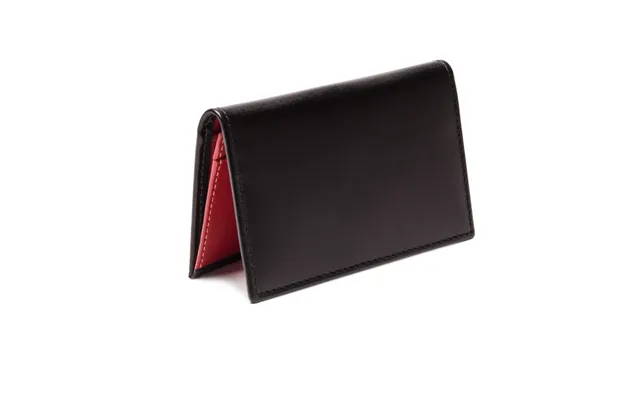
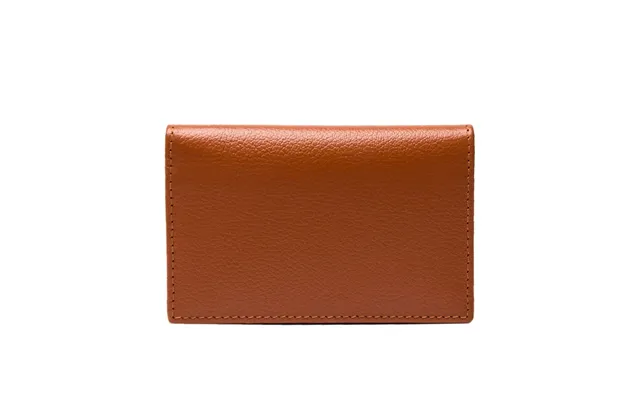
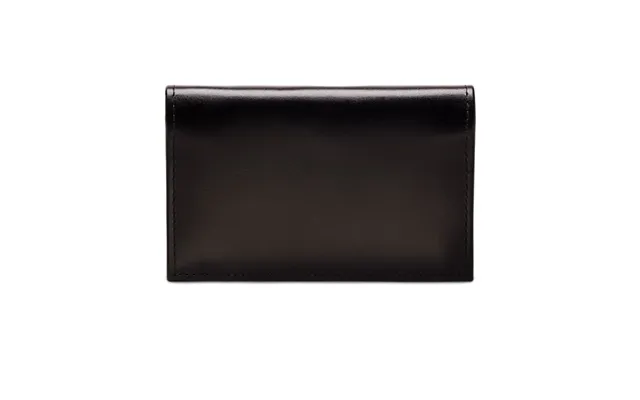
Business Card Cases price list
Last updated Sunday, 27 Sept 2026
| Business Card Cases | Price |
|---|---|
| Ettinger Visiting Card Case - Capra | £112.00 |
| Ettinger Visiting Card Case - Sterling | £190.00 |





Loading...
Last updated Sunday, 27 Sept 2026
| Business Card Cases | Price |
|---|---|
| Ettinger Visiting Card Case - Capra | £112.00 |
| Ettinger Visiting Card Case - Sterling | £190.00 |
In a world dominated by digital connections, handing someone a physical business card still carries weight. It’s tangible, it’s memorable, and when stored in a sharp business card case it says you care about detail. A good case protects your cards from creasing and scuffs, keeps them organized, and helps you make a professional impression the moment you open it. Think of it like a suit pocket for your most important introductions—neat, compact, and confidence-boosting.
Leather cases are timeless. They age, soften, and develop a character unique to you. If you want something that feels premium in your hand and slips into a jacket pocket like it belongs there, leather is a top pick. Look for genuine or top-grain leather with neat stitching. Typical dimensions for a slim leather case are around 4.0 x 2.8 x 0.4 inches, designed to fit standard 3.5 x 2 inch cards comfortably.
Metal cases scream durability and modern style. Stainless steel or aluminum card cases are virtually indestructible, with a satisfying weight and a clean click when you open them. They’re ideal if you want to protect cards from bending or moisture. Many of these come with capacity for 10–20 cards and sometimes include a simple spring mechanism for easy access.
Minimalist cardholders are for those who prefer less bulk. Often made from leather, metal, or woven fabric, these holders keep just a handful of cards—plus maybe an ID—without adding thickness to your pocket. Expect sizes like 3.9 x 2.4 x 0.2 inches and capacities of 4–8 cards. They’re a favorite among people who carry light and move quickly between meetings.
If you’re worried about contactless card skimming or simply want added security, RFID-blocking card cases are a smart choice. These come in metal or layered fabrics that prevent radio frequency theft from your contactless-enabled cards. They’re particularly useful when you store both business and a few contactless payment cards together.
Want to show personality? Designer and novelty cases come in colors, patterns, and unusual materials like wood veneer or carbon fiber. They’re a conversation starter and can reflect your brand or creative flair. Just make sure they still protect the cards and close securely—style without function is a missed opportunity.
First ask how many cards you carry. Sales reps might need 50, while a freelancer may only need 10. Cases list capacity in cards; pick one with a little breathing room so you don’t overstuff and warp the case. A good baseline: slim holders 6–8 cards, standard cases 15–30 cards.
Material affects look, feel, and longevity. Leather breathes and looks better with time; metal resists wear and water. Synthetic fabrics can be lightweight and water-resistant. Consider your daily environment—if you’re often outdoors or travel frequently, metal or treated leather makes sense.
If you stick payment or access cards in the same case, prioritize RFID-blocking layers. These are built into many metal cases naturally; fabric and leather options may include an embedded shield. It’s a small investment for peace of mind.
Your case should match your professional image. Conservative fields like law or finance benefit from classic leather or matte metal, while creative fields allow brighter colors or unique finishes. A case is an extension of your personal brand—choose accordingly.
Business card cases should slide into a pocket easily. Check dimensions—most are compact, but bulky designs can feel awkward. If you carry a briefcase or bag, size matters less; for pocket carry aim for under 0.5 inches thick for a slim profile.
If your job involves meeting clients daily, a reliable card case is indispensable. It keeps cards pristine and accessible, so you never fumble at a crucial moment. It’s a small tool that can make follow-ups feel effortless.
Entrepreneurs often switch between networking events and casual meetups. A sleek card case helps you present consistently professional branding. Plus, it’s a place to stash a backup card for quick exchanges.
At conferences you might collect dozens of cards. A sturdy case prevents bending and keeps your stack organized until you can get back to the office and digitize contacts. Some people carry two cases—one for giving, one for collecting.
Keep leather away from prolonged water exposure. Use a soft cloth and leather conditioner every few months to prevent drying and cracking. If scratched, many leathers can be buffed gently for minor restoration; heavier damage might add character or require professional repair.
Metal needs minimal care—wipe with a damp cloth and dry immediately to prevent water spots. For stainless steel, a bit of polish removes fingerprints. Avoid harsh abrasives that can scratch the finish unless you want a distressed look.
Fabric cases can be spot-cleaned with mild soap and water. Synthetic materials like TPU or nylon are resilient—clean them gently and let them air dry. Keep closures and hinges free of dirt to ensure smooth operation.
If you prefer consolidating items, a slim wallet with dedicated business card slots might be ideal. These balance everyday cards with a few payment cards and cash. Look for wallets with quick-access slots so you can present a card without flipping through receipts.
Digital cards and NFC-enabled physical cards are gaining traction. An NFC card can transmit your contact details instantly to a phone, while apps let you organize contacts and scan paper cards into a CRM. They don’t replace the polish of a physical exchange, but they complement it—especially at follow-up.
For home or office, consider a desktop card box for your growing collection. These are larger—3–6 inches wide—and keep business cards tidy until they’re ready to go into a pocket case. They’re great for reception desks or home offices where you sort and file regularly.
In law, finance, or corporate settings, choose muted colors—black, dark brown, or gunmetal—and classic materials like leather or matte metal. Think of the case as an extension of a polished handshake: subtle, confident, and reliable.
Designers and creatives can lean into bold colors, patterns, or unique textures. A wood or carbon fiber case can open conversations and showcase personality. Use the case to reinforce your creativity without overshadowing the interaction.
Tech professionals might opt for minimalist metal or NFC-enhanced card cases that nod to innovation. A slim aluminum case or integrated tech-feature card says you value efficiency and forward thinking.
Most business cards measure 3.5 x 2.0 inches. A typical case will be slightly larger to allow easy insertion and removal—common case dimensions hover around 4.0 x 2.8 x 0.4 inches. If you carry thicker cardstock or folded cards, choose a case with extra depth. For pocket carry, try to keep the thickness under 0.5 inches for comfort.
Business card cases cover a wide price range. You’ll find basic metal or synthetic cases for under $15, mid-range leather and stainless-steel options for $25–$75, and designer or tech-enhanced models for $100 or more. Think of it as an investment in first impressions—spend according to how often you network and the image you want to project.
Look at dedicated comparison sites to weigh features, prices, and reviews side-by-side. These platforms aggregate offers across brands and retailers so you can quickly spot deals and best-sellers. Read customer reviews for insights on real-world durability and capacity, and check product photos closely for closure type and interior layout.
Bring a card to the store if possible—test fit it. Consider how many cards you hand out versus collect, and choose a case with some breathing room. Pay attention to the hinge and closure—magnetic closures are convenient but can fail in rough conditions; snap closures are durable but can add thickness. And most importantly, pick something you’ll feel proud to present in a first meeting.
Whether you favor classic leather, a hard stainless-steel shell, or a slim minimal holder, the right business card case protects your cards and elevates your networking game. Choose based on capacity, material, and the image you want to project—then let that tiny accessory do the heavy lifting when it comes to first impressions.
Conclusion: A business card case is a small accessory with outsized impact. It keeps your cards ready, protects your brand, and can even spark a conversation. Invest a little thought in material, capacity, and style, and you’ll always be ready to hand over a card with confidence.