


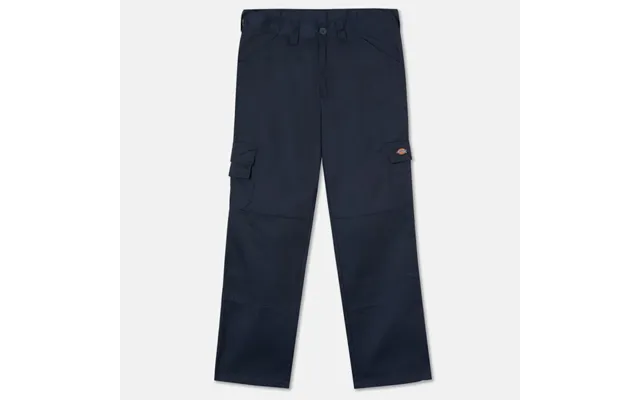
Hakama Trousers price list
Last updated Monday, 19 Oct 2026
| Hakama Trousers | Price |
|---|---|
| Dickies Everyday Trousers - Navy 30 Tall | £25.74 |
| Arco Yellow Hi-vis Cargo Trousers With Kneepad Pockets 36r | £77.48 |



Loading...
Last updated Monday, 19 Oct 2026
| Hakama Trousers | Price |
|---|---|
| Dickies Everyday Trousers - Navy 30 Tall | £25.74 |
| Arco Yellow Hi-vis Cargo Trousers With Kneepad Pockets 36r | £77.48 |
Hakama trousers are the wide, pleated garments traditionally worn over a kimono, recognizable by their roomy legs and crisp folds. Think of them as cultural trousers that combine function with ceremony — they flow like a skirt but behave like pants, giving you Freedom Of Movement while projecting formality and heritage. Whether you’re stepping onto a dojo mat, walking into a wedding, or attending a formal ceremony, hakama bring instant presence to an outfit.
Hakama have roots that trace back centuries in Japan, originally associated with samurai and courtiers. Over time they evolved to signal rank, profession, and occasion: different pleats, colors, and styles can denote martial arts practice, Shinto ceremonies, or academic dress. Wearing hakama today is both a nod to tradition and a practical choice for anyone seeking a dignified, elegant silhouette.
Umanori hakama are split between the legs like trousers, offering better mobility for activities like horseback riding — hence the name, which roughly translates to “divided for riding.” They’re popular in martial arts like aikido where freedom of stride matters. If you want the traditional look but need practical movement, umanori is a top pick.
Andon bakama and similar undivided styles look more like a wide skirt, favoring formality and ceremonial presence over athletic function. These are often chosen for weddings, tea ceremony, or formal shrine events where the visual symmetry of the folds and fabric is the priority.
Cotton hakama are durable, breathable, and relatively easy to care for — great for everyday training or casual ceremonial use. Heavyweight cotton offers crisp pleats that hold their shape; you’ll typically see lengths and waist fit that translate well across sizes when measured in inches for a precise fit.
Silk hakama deliver a luxurious sheen and drape that's ideal for formal wear. Synthetic blends mimic that smooth feel and are often easier to maintain and less expensive. If you’ll be wearing hakama for weddings or formal performances, silk or satin-like blends offer that elevated presentation.
Finding the right hakama is less about traditional size charts and more about measurements in inches. The key numbers are your waist and the length from your natural waist to where you want the hem to fall. Many hakama are tied with long himo (belts) so waist flexibility is common, but length should fit your height and the formality of the occasion. For reference, a person between 5'4" and 5'8" often wears a hakama that has a length of roughly 34–38 inches; taller wearers might prefer 40–44 inches. Always check the manufacturer’s length guide in inches before buying.
The classic combination is hakama over a kimono with an optional haori jacket for an extra layer of formality. Balance is the rule: a patterned kimono with a solid hakama, or vice versa, keeps the look grounded. For modern twists, try monochrome palettes or contrast textures — imagine a matte cotton hakama with a subtle silk kimono for visual interest.
Tabi socks and geta sandals are traditional complements. Tabi fit like a glove and separate the big toe — important if you’ll be wearing geta. If you prefer closed shoes, choose minimal, low-profile footwear so the hakama hem can skim natural lines without looking clumsy. If you’re attending a formal ceremony, stick with traditional tabi in white or black, and measure foot length in inches for the right size (for example, a 10-inch foot is approximately a US men’s size 8).
Martial-arts hakama are built for durability and movement: reinforced stitching, heavier fabrics, and designs that hold pleats through vigorous activity. Ceremonial hakama focus on appearance: finer fabrics, more careful pleating, and sometimes embroidered crests. Ask yourself whether your priority is performance or presentation. Many practitioners keep two pairs: a tougher training hakama and a more refined one for gradings or demonstrations.
Proper care makes a hakama last. For natural fibers like cotton or silk, hand washing or gentle machine cycles in cool water (below 86°F) are safest. Use a mild detergent, reshape pleats while damp, and hang to dry. Iron on a low to medium setting in Fahrenheit, pressing along each pleat to maintain crisp lines — use a pressing cloth for delicate fabrics. Store hakama folded along the pleats to avoid wrinkles and use cedar blocks or sachets to deter moths.
Himo (the long ties used to secure a hakama) and obi belts vary in width and stiffness. A firm, wide obi will keep the hakama in place during movement and give a neater front profile. Some modern hakama use elasticized waistbands for convenience, but traditional ties are preferred for formal occasions. When measuring, ensure your obi or himo length allows at least 40–50 inches of tie to achieve secure knots.
Tabi socks are measured by foot length in inches — pick a size that allows a snug fit without bunching. Geta sandals elevate the hem slightly and give that unmistakable traditional silhouette; they come in different heights (platforms from 1 to 2 inches are common). For indoor ceremonies, low wooden-soled zori sandals are another elegant option.
Color choices range from sober blacks and deep navy for formal events to lighter earth tones and patterns for festivals. Pleats themselves carry symbolic weight in some traditions; the arrangement and sharpness can reflect discipline and respect. If you’re selecting a hakama for a specific ceremony, ask whether a particular color or pleat style is customary.
When shopping in the UK, look for specialist retailers that list detailed measurements in inches and provide fabric descriptions, photos of pleats, and customer reviews. Compare traditional Japanese sellers that ship to the UK, dojo suppliers that specialize in martial-arts hakama, and online marketplaces where artisans sell handcrafted pieces. Comparison sites can help you find sellers with fast UK shipping and reputable reviews, but remember to verify materials, return policies, and exact lengths before ordering.
Expect a wide price range depending on material and craftsmanship. Basic cotton hakama suitable for training can be very affordable, while handcrafted silk hakama for ceremonies can be premium-priced. For many buyers, spending a bit more on quality fabric and accurate length in inches pays off in comfort and longevity. If you need both training and formal options, allocate your budget to get at least one durable training pair and one refined ceremonial pair.
Before clicking buy, check these essentials: the exact length in inches, waist adjustability, fabric composition, pleat construction, and how the seller advises on sizing. Look for clear return options if the fit isn’t right, and read user photos and reviews for insights on how the hakama behaves when worn. A well-fitting hakama should sit comfortably at your natural waist and let you move without the hem dragging awkwardly.
Designers and makers are reimagining hakama for everyday wear: shorter lengths that hit mid-calf, modern prints, and hybrid fabrics that wrinkle less and wash easily. These versions are great if you want the aesthetic without the strict formality — think of them as hakama-inspired trousers that play well with streetwear and minimalist wardrobes.
For ultimate fit and finish, bespoke hakama lets you choose fabric, exact length in inches, pleat depth, and even embroidered crests. Tailoring ensures the grain and drape match your body, which is especially useful for performers or anyone who values a perfect ceremonial silhouette. Expect longer delivery times and higher costs, but the result is often a piece that lasts for years.
Measure your natural waist and the distance from waist to desired hem in inches. Check whether the seller’s size guide lists the hakama length in inches and whether the himo length is sufficient for tying. If you’re between sizes, choose the longer length for a more formal look or the shorter for modern styling. If you plan to wear the hakama over multiple layers, allow an extra inch or two for comfort.
An investment hakama not only looks better — it handles better. Higher-quality fabrics keep pleats, resist excessive wrinkling, and feel more comfortable throughout a long ceremony or training session. Think of a quality hakama as an heirloom garment: with proper care measured in simple maintenance steps, it can last for years and even be passed down.
Hakama command attention through shape and movement, so wear them with purpose. Practice tying your himo until knots are tidy and consistent, and rehearse walking and sitting to keep the pleats neat. Whether you’re stepping into a dojo grading or walking down an aisle, the right hakama sends a quiet but unmistakable message of respect, tradition, and style.
Conclusion: Choosing the right hakama is part sizing, part material, and part intent. Measure in inches, decide if performance or presentation matters more, and pick fabrics and accessories that match the occasion. With the right care, a premium hakama becomes more than clothing — it’s a wearable expression of culture and craftsmanship.