
Religious Ceremonial Clothing price list
Last updated Sunday, Sep 13, 2026



View 10 Offers
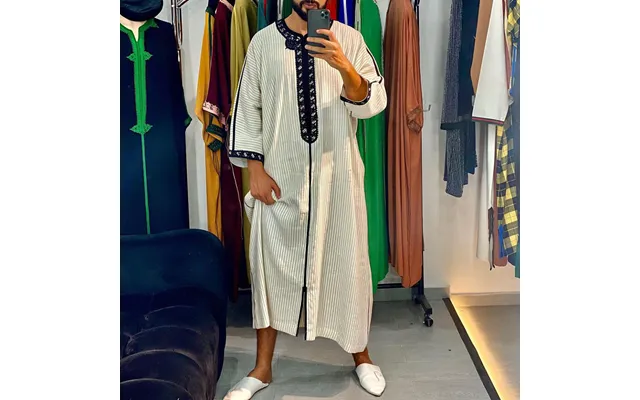
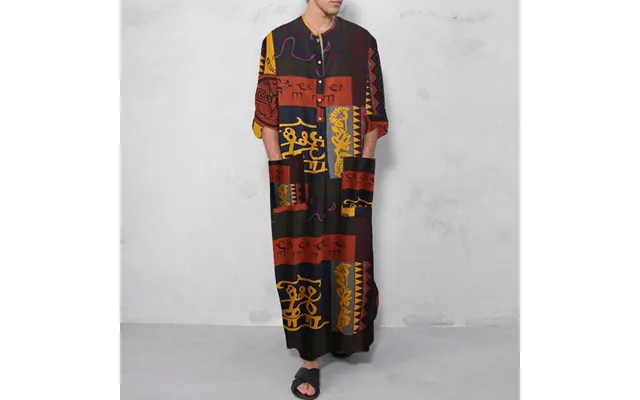
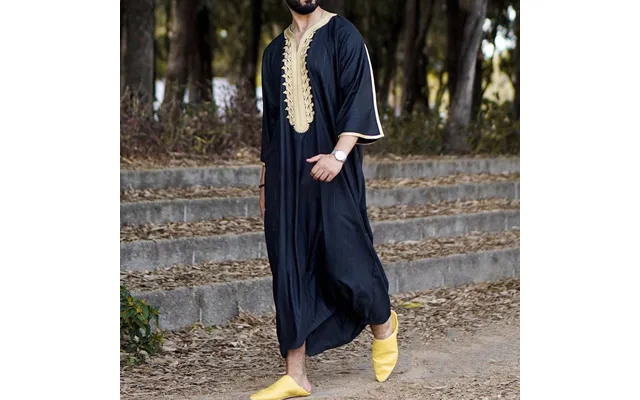
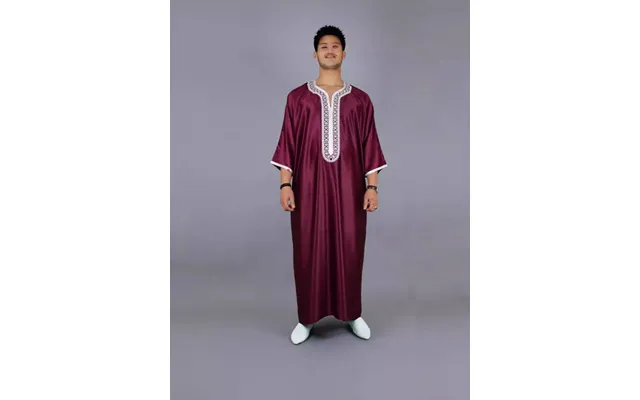

Loading...
Last updated Sunday, Sep 13, 2026
Religious ceremonial clothing does more than cover the body — it carries centuries of tradition, identity, and meaning. Whether you’re preparing for a weekday service, a high feast, or a cultural ceremony, the right garment signals respect and ritual intent. Think of these garments like the visual language of worship: each color, stitch, and fold speaks to history and role. If you’re shopping in the UK, you’ll find everything from classic Anglican cassocks to intricately embroidered Sikh turbans — and a smart, informed choice helps you wear those stories with confidence.
Understanding the main categories makes shopping less intimidating. Each item has a purpose, usually tied to rank, sacrament, or cultural custom. Below are the staples every wardrobe for religious ceremony should consider.
Cassocks are the long, ankle- or calf-length garments commonly worn by clergy across many Christian traditions. They often come in black, but seasonal or rank variations can include red or purple. Albs are lighter, white tunics typically worn over a cassock during liturgy. When choosing an alb, look for a length that falls around 43–49 inches depending on your height and a mid-weight fabric that resists heavy wrinkling.
Chasubles are outer liturgical vestments worn during the Eucharist and are often the most ornate piece in a clerical wardrobe. Paired with a stole — a long, narrow strip of fabric worn around the neck — these items communicate sacramental authority. Colors change with the liturgical calendar, from purple for penitential seasons to white and gold for festivals. Fabrics range from simple polyester blends to rich brocades weighing 6–10 ounces per square yard for a substantial drape.
Surplices are white, knee- or mid-calf-length garments with wide sleeves, commonly layered over cassocks for choir or processional duties. Copes are semicircular cloaks fastened at the chest, used for non-eucharistic rites. Dalmatic, with its wide sleeves and rich decoration, is a deacon’s counterpart to the chasuble. These pieces vary in length, typically 36–48 inches from shoulder to hem depending on style.
Headwear plays a symbolic role in many traditions and can be both ceremonial and practical. From the pointed mitre to the modest zucchetto, choices reflect hierarchy and function. If you’re shopping for headwear, make sure the circumference is measured in inches so you pick the right fit.
Mitres are ceremonial headdresses often reserved for bishops; they come in various sizes but should sit comfortably without wobbling. Zucchettos are small skullcaps, usually 6–8 inches in diameter depending on head size. Turbans and other cultural headwraps, used in Sikh and some Islamic traditions, require attention to fabric length — many are 6–8 yards (a yard is an imperial unit; a turban may use 6–8 yards of fabric) and the right width to wrap neatly and stay secure through movement.
Fabric choice affects drape, longevity, and symbolism. Natural fibers like wool and silk have traditional prestige, while modern polyester blends offer easier care and lower cost. Embroidery patterns often carry iconography — crosses, vines, doves — and metallic threads or goldwork can add ceremonial gravitas. When possible, opt for thread counts and fabric weights listed in ounces to gauge quality; heavier fabrics usually hang better during processions.
Sizing for ceremonial garments isn’t the same as ready-to-wear leisurewear. You’ll want enough room to move, kneel, and perform rituals comfortably, but not so much that the garment looks sloppy. Measure chest, waist, sleeve length, and total garment length in inches. For example, a cassock for someone 5 feet 10 inches tall typically measures around 48–52 inches in total length depending on preferred hem height. If you’re between sizes, consult a tailor — small adjustments to sleeve length or hem are common and worth the investment.
Proper care preserves the look and symbolism of ceremonial clothing. Many ornate vestments require gentle handling. Dry cleaning is often recommended for brocades and heavy embroidery, while washable albs and surplices in durable cotton or poly-cotton blends can be laundered on a gentle cycle. Always store garments hanging on wide, supportive hangers to prevent shoulder dimples and keep them in breathable garment bags. For metallic threads, avoid ironing directly; instead, use a cloth barrier and low-heat settings measured in degrees Fahrenheit if possible.
Modern design has introduced streamlined versions of traditional garments, suitable for congregations wanting simpler lines or eco-friendly materials. You’ll find lightweight, wrinkle-resistant blends that look crisp without heavy laundering, and modular vestments where stoles and fronts attach to a core robe. These alternatives keep the ritual integrity but offer practical benefits for frequent use or travel — think of them as the tailored suit of the ceremonial world.
Selecting ceremonial wear is as much about tradition as it is about personal comfort. Start by consulting your religious community’s guidelines — colors, lengths, and ornamentation can be prescribed. If guidance is flexible, consider the venue, climate, and frequency of use. For winter services, heavier fabrics give warmth and presence; for summer or outdoor ceremonies, breathable linens and lighter blends prevent overheating. And when in doubt, neutral and classic designs tend to be the most universally accepted.
Prices vary widely. Basic albs and cassocks can start as low as £30–£50, while embroidered chasubles and hand-stitched mitres can run into several hundreds or even thousands of pounds for bespoke pieces. If you’re looking for good value, comparison sites can help you spot current popular offers, compare materials, and read reviews across multiple retailers. Using a comparison site streamlines the process, letting you filter by price, size, and fabric weight so you’re not shopping blind.
Even within strict traditions, small styling choices can make a big impact. Keep accessories minimal: a clean stole, a well-pressed alb, and polished shoes will often do more than ornate extras. For color, remember that subtle contrasts (a white alb under a richly colored chasuble) create depth without distraction. If you’re mixing old and new, match fabric textures — pair glossy silks with other glossy pieces and matte wools with matte items to keep the overall look cohesive.
Many artisans and specialist tailors offer customization — embroidered initials, custom trims, or fitted tailoring to match your body dimensions. Bespoke services are especially valuable for high-visibility roles, where a perfect fit and meaningful embroidery add gravitas. Expect turnaround times to range from a few weeks to several months depending on the complexity; plan ahead for major seasons or events.
Buying pre-owned can be a sustainable and economical choice if you know what to look for. Check seams, embroidery integrity, lining condition, and any stain areas. Vintage vestments can carry historical charm and handwork that is hard to find today. Measure carefully and be prepared to invest in dry cleaning or minor repairs — a small restoration can transform a faded piece into a treasured garment that fits your budget and aesthetics.
Accessories may be modest, but they matter. Supportive undergarments, such as lightweight slips or undershirts, protect outer garments from sweat and skin oils. Clerical collars and simple belts (fascias) add structure. Consider a garment bag for travel and padded hangers for storage. Shoes should be comfortable and polished; many wearers choose 1–1.5 inch heeled dress shoes under long robes for the right silhouette during processions.
Details like hand-stitched hems, reinforced stress points, and authentic metal clasps separate mass-produced from artisan pieces. If your work involves frequent movement or long services, these craft elements extend the life of the garment. Shop descriptions often list stitch counts and types — higher stitch counts and reinforced seams tend to indicate better durability.
Seasons affect both material choice and color. Winter garments benefit from heavier wools and lined vestments, while summer calls for breathable linens and lighter blends. For climates in the UK where weather can be changeable, layering is your friend — choose pieces that layer well without bulk, such as lightweight albs under heavier outer chasubles.
Before you hit “purchase,” run through a quick checklist: measure in inches, confirm fabric weight and care instructions, note color options for liturgical seasons, check for customization options, and compare prices across retailers and comparison sites. This approach keeps you practical and principled — so you walk into any ceremony wearing something that fits both your body and your tradition.
Religious ceremonial clothing is a blend of meaning, craft, and personal expression. Whether you’re investing in a simple alb or commissioning a fully embroidered chasuble, informed choices about fabric, fit, and care will ensure your garments serve both ritual and wearer for years to come. Use comparison sites to find current popular offers and read reviews, but always respect the traditions behind each item. In the end, the right piece is one that fits your role, your comfort level, and the story you want to carry forward.