
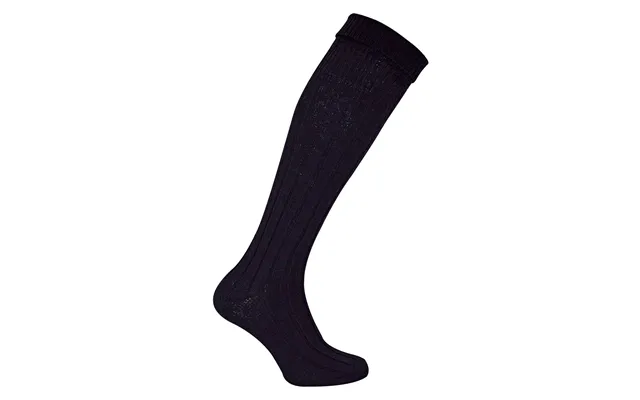
Traditional Clothing Accessories - Other price list
Last updated Sunday, Sep 13, 2026
| Traditional Clothing Accessories - Other | Price |
|---|---|
| Men’s Traditional Long Wool Kilt Socks - 6-11 Uk Black | £5.94 |




Loading...
Last updated Sunday, Sep 13, 2026
| Traditional Clothing Accessories - Other | Price |
|---|---|
| Men’s Traditional Long Wool Kilt Socks - 6-11 Uk Black | £5.94 |
There’s something about a well-chosen accessory that instantly says “intentional.” Traditional men’s accessories do more than fill space—they complete an outfit, tell a story, and can turn an ordinary shirt into a memorable look. Think of them as the punctuation marks of style: they guide the eye, add rhythm, and make your appearance sing. Whether you’re dressing for a wedding, a formal dinner, or just want to feel sharper on a Tuesday, the right cufflinks, pocket watch, or lapel pin can do the heavy lifting.
If you want to build a curated collection that lasts, start with versatile staples. These items have stayed relevant for decades because they’re functional and stylish. Below are classic pieces worth investing in, each with tips on why they matter and how to use them.
Cufflinks are the easiest way to upgrade a long-sleeve shirt. Available in metals, enamel, and semi-precious stones, they can be as subtle or as bold as you like. A pair of silver or gold-toned cufflinks covers most formal needs, while novelty or stone-set varieties let your personality shine at less conservative events. Remember: cufflinks sit about 1/2 to 1 inch from the cuff edge depending on the cuff style, so choose sizes proportionate to your shirt.
A pocket square adds color and texture without shouting. Unlike a tie, it’s low-commitment—easy to swap and experiment with. Silk squares can be folded for a crisp, elegant look, while linen offers a more relaxed, textured vibe. For a standard breast pocket, a square folded to sit about 2 to 3 inches above the pocket edge looks balanced and intentional.
Tie accessories keep your tie neat and add a dash of polish. A tie clip should sit between the third and fourth buttons of your shirt and be no wider than the tie—usually around 2 to 3 inches depending on the tie width. Tie pins are more formal and reflect vintage charm; prefer a simple, slim design for modern looks.
Cravats and ascots speak of old-world elegance. They’re softer than a stiff tie and create a relaxed, gentlemanly silhouette. Wear them under a waistcoat or a blazer for smart-casual events. A typical ascot knot creates a neat spread that occupies roughly 3 to 4 inches across the chest when tucked in.
There’s something irresistible about a pocket watch chain peeking from a waistcoat. It nods to craftsmanship and a slower, more deliberate sense of style. Chains vary, but a typical chain length from buttonhole to watch pocket is about 7 to 9 inches for a tidy drape; longer chains create a more dramatic loop.
Braces are a traditional alternative to belts and can dramatically improve the way trousers sit on the body. Braces typically fasten at the waistband and come in button or clip styles; button-on braces look more refined. If you prefer a belt, pick one proportionate to your trouser loops—about 1 to 1 1/2 inches for dress trousers and up to 2 inches for casual wear.
From bowler to fedora, a hat can anchor a look. Hat pins and bands add personality and make a hat feel bespoke. Brim width matters: a medium brim of about 2 1/2 to 3 1/2 inches suits most faces and balances formal and casual wear.
For traditional Scottish dress, a sporran is essential—a small pouch that hangs in front of the kilt. Sporrans come in dress, semi-dress, and daywear styles; choose materials and ornamentation that match the formality of the event. Typical sporran width ranges from 6 to 8 inches, while tassels and metalwork should complement your kilt belt and sgian-dubh if you wear one.
A lapel pin or boutonnière is a tiny accent with outsized impact. Pins in precious metals or enamel add subtle flair, while fabric or fresh-flower boutonnieres bring a romantic touch. Place them about 1/2 to 1 inch above the buttonhole for a natural look that aligns with the lapel line.
Traditional accessories rely on material quality and craftsmanship to stand the test of time. A few thoughtful choices now save you money and frustration later. Look past flash and focus on how pieces are made and what they’re made from.
For metal accessories like cufflinks, tie clips, and watch chains, choose finishes that won’t fade quickly. Sterling silver, gold plating over a solid base, and stainless steel offer different balances of affordability and longevity. Be cautious with cheap coatings—once the layer wears, the underlying metal can look patchy.
Silk, linen, wool, and cotton each have roles in traditional accessories. Silk pocket squares offer sheen and fluid folds, while linen gives texture for a relaxed aesthetic. Check stitching and edge finishing—hand-rolled edges on silk or reinforced bar tacks on braces signal attention to detail.
Handmade accessories often carry subtle irregularities that add character: slight asymmetry in a hand-rolled pocket square edge or tiny hammer marks on a handcrafted cufflink. Machine-made pieces can be more affordable and consistent, but if you want heirloom quality, consider bespoke or artisan options for key investment pieces.
Styling is where the fun begins. Traditional accessories can be conservative or playful, depending on how you combine them. Here are practical rules and creative tips to help you navigate different looks.
Daytime attire generally favors lighter fabrics and subtler patterns. Think linen pocket squares, matte metals, and understated lapel pins. For evening wear, allow more sheen—silk pocket squares, polished metals, and bolder stones or enamel can make a dramatic statement without feeling out of place.
Mixing metals is easier than ever, but do it thoughtfully. If your watch is gold, consider gold-toned cufflinks or a tie clip with warm accents. Patterns should vary in scale—a small polka dot tie pairs well with a larger checked pocket square. Aim for balance, not matching everything exactly.
The simplest strategy: match the mood. Formal black-tie calls for silver or gold, understated stones, and classic pocket folds. Casual outings invite color, texture, and quirky pins. Use accessories to bridge pieces: let a pocket square pick up a tie accent, or let a lapel pin echo the color of your shoes.
Longevity is part of the charm of traditional accessories. A little care keeps them looking great and maintains resale or heirloom value. Here are straightforward routines to preserve metals, fabrics, and leather.
Use a soft cloth to wipe daily tarnish from metals; for deeper cleaning, mild soap and warm water usually do the trick. For silver, a gentle silver polish restores shine—avoid abrasive cleaners that remove plating. If you have gemstones set into metal, check the settings periodically and have them tightened by a jeweler if needed.
Store silk and linen pocket squares flat or gently rolled to avoid creases. Brace and belt straps should hang or lie flat to prevent warping. Avoid humid spaces—cloth and leather both benefit from dry storage, ideally with breathable covers or a cotton storage bag to keep dust off without trapping moisture.
Not all accessories deserve the same investment. Smart shoppers allocate their budget between pieces that benefit from craftsmanship and items where a mid-range option works fine.
Spend more on items that endure and are seen close-up: a fine pocket watch, a classic pair of metal cufflinks, or a leather hat with a structured brim. These items age well, often becoming more attractive with a little patina, and are worth repair rather than replacement.
For trends or novelty items, choose budget-friendly options. Enamel lapel pins, seasonal pocket squares, and casual braces in inexpensive materials allow you to experiment without guilt. If a trend fades, you haven’t lost much—and if it sticks, you can upgrade later.
Shopping smart is about more than catching a sale—it’s about comparison and timing. Use price comparison tools and marketplaces to spot genuine bargains and avoid impulse buys.
Price comparison websites let you scan multiple retailers and brands to see which sellers have the best combinations of price, seller reputation, and shipping. They’re especially useful for higher-ticket items where a small percentage difference equates to significant savings. Look for sites that show historical price trends and verified seller ratings.
Traditional accessories often appear on sale at seasonal events and outlet stores. End-of-season sales, holiday promotions, and clearance events are prime times for scoring investment-level pieces at a discount. If you have a specific item in mind, consider waiting for these cycles and set a target price you’re willing to pay.
Before you head out, run through a short checklist: are your cufflinks secure? Is your pocket square folded to suit the formality? Does your watch chain or belt sit comfortably and evenly? Little details like matched metal tones and tidy folds create a polished final impression. Consider snapping a quick photo—if something looks off in the picture, tweak it before you leave.
Traditional men’s accessories are a powerful toolkit for anyone who cares about appearance and presence. They allow for subtle expression, practical refinement, and personal storytelling—all without needing a brand-new wardrobe. Whether you’re just starting your collection or refining a lifetime’s worth of style, focus on quality where it counts, maintain pieces carefully, and don’t be afraid to experiment. Accessories are where individuality meets tradition; treat them as investments in how the world perceives you.