All categories
Business & Offices
Electronics & Media
Fashion & Accessories
Groceries & Essentials
Health & Personal Care
Home & Living
Kids & Family
Sports & Outdoors
Search in ZoneOffer

Loading...
Think of a book cover like a raincoat for your favorite novel — it keeps the pages dry, the spine neat, and the colors bright. Whether you’re protecting a beloved paperback, a pricey textbook, or a vintage hardcover handed down through the family, the right book cover extends the life of your books and keeps them looking crisp on the shelf. If you buy books regularly or study from heavy textbooks, investing in good covers is a small step with big returns.
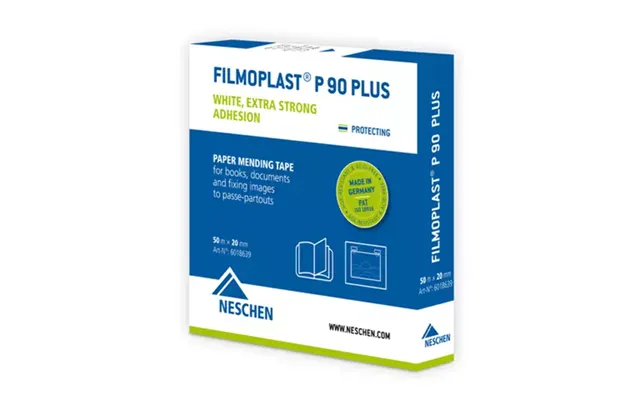
There’s a surprising variety of book covers out there. From clear plastic sleeves to leather jackets and cushioned fabric book sleeves, each type serves a different purpose and aesthetic. I’ll walk you through the popular options so you can match protection with personality.
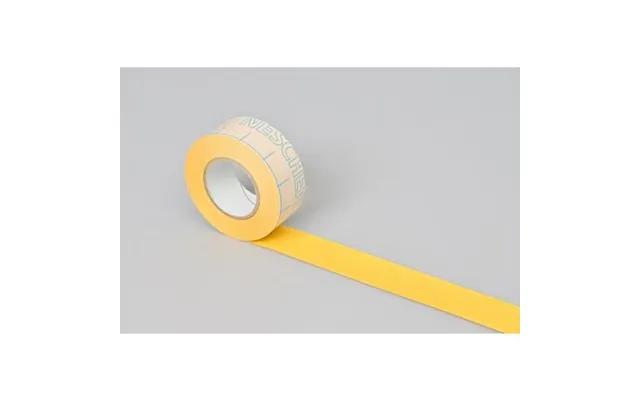
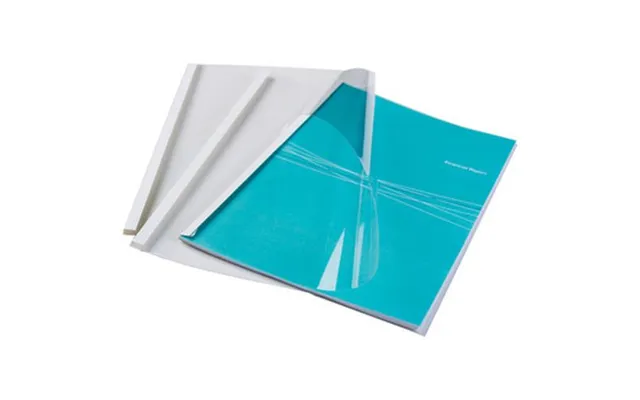
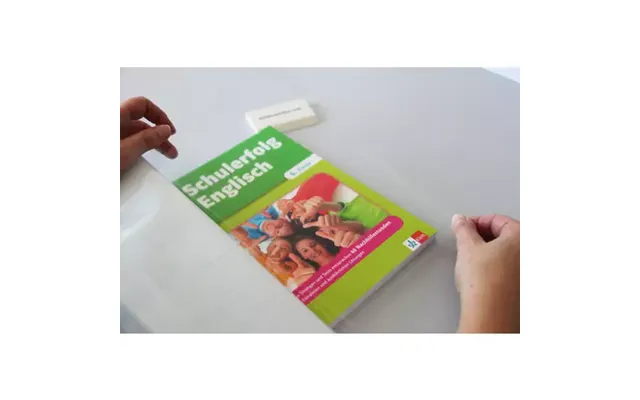
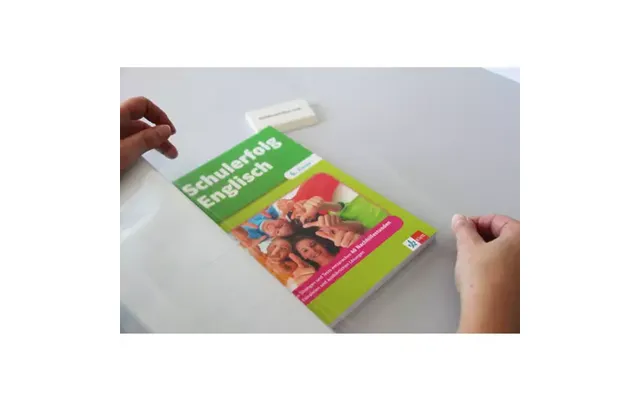
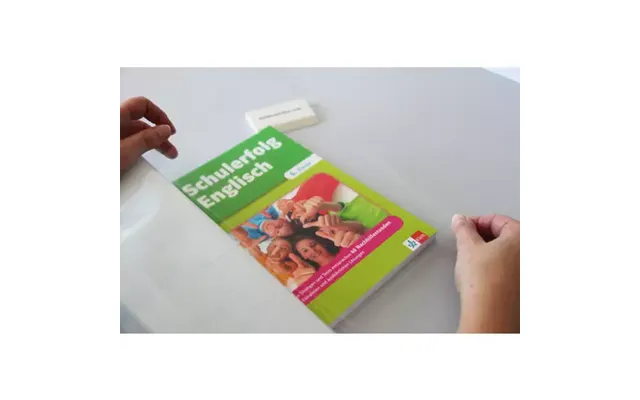
Clear covers are the practical, no-nonsense option. They cling to the dust jacket, protect against spills, and let the book’s original artwork shine through. They’re especially popular for library books and textbooks because they’re inexpensive and easy to replace. Think of them as the transparent shield that makes your book indestructible to everyday wear.
Fabric sleeves are great for commuters and travelers. Made of canvas, neoprene, or cotton blends, they cushion books from knocks and scratches. If you like to toss books into a tote or backpack, padded sleeves add a layer of soft protection, much like a seatbelt for your paperback. Many come with stylish prints or neutral tones to suit your look.
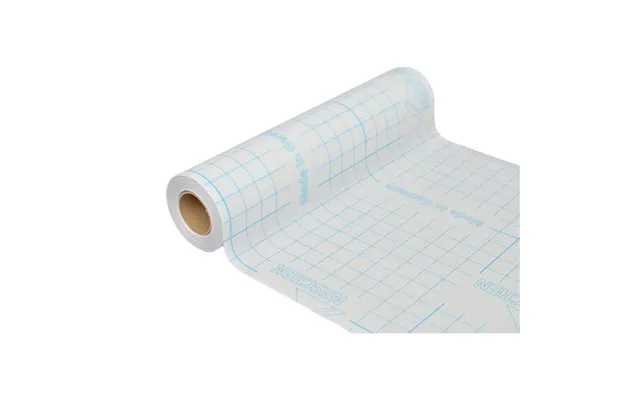
Leather covers add a touch of elegance and age gracefully. Genuine leather develops a patina over time, giving vintage books a distinguished look. Faux leather offers a budget-friendly, vegan-friendly alternative that still looks sophisticated. These covers are ideal for cherished editions or gifts — they feel like a heirloom wrap for a meaningful read.
If you’ve ever bought a book and worried it wouldn’t fit the pre-made cover you own, adjustable covers solve that pain. These often use elastic corners or wrap-around designs that accommodate different thicknesses. They’re the “one-size-fits-many” solution for households with both slim novellas and chunky textbooks.
Measuring your book takes only a minute, and it saves you guesswork. Use a ruler and record the height, width, and spine thickness in inches. Common formats you’ll see discussed are mass market paperback (about 6.75 in x 4.25 in), trade paperback (roughly 8 in x 5 in), and typical hardcovers (around 9.5 in x 6.5 in). Allow an extra 0.5 in to 1 in in both height and width for slip-in covers and sleeves so the book can slide in comfortably without bending the corners.
Not all covers are created equal. If durability is important — say you’re protecting school textbooks or frequently handled paperbacks — look for tear-resistant materials like thick PVC, laminated fabric, or ballistic nylon. For collectors, acid-free archival covers prevent yellowing and chemical damage over the long term. Think of material choice as choosing between sneakers and hiking boots: one is made for daily comfort, the other for rugged endurance.
Accidents happen — coffee spills, sudden rain, or a leaky bag. Water-resistant covers repel light moisture and are perfect for daily commutes. For maximum protection, waterproof covers with sealed seams keep water out entirely. If you read at the beach or near water, prioritize these features to avoid ruined pages and warped spines.
Some people want their books to scream personality; others want stealthy, minimalist protection. Luckily, you don’t have to choose only one. Decorative covers with reinforced corners offer both flair and strength, while clear protective jackets preserve artwork and fend off damage. Consider function first (size, material, protection level), then layer in style with colors, patterns, or custom designs.
Personalized covers are a fantastic gift idea — embossed initials, a favourite quote, or a chosen pattern can turn an ordinary book into a keepsake. Many sellers and craft shops offer monogramming or bespoke sizing. If you’re buying as a present, custom covers show thoughtfulness and care, and they’re surprisingly affordable compared to the emotional value they add.
Different books call for different protection. A paperback you read on the tube needs flexible, lightweight protection. A heavy-duty textbook benefits from a robust, tear-resistant cover, and rare vintage books deserve archival-grade covers to prevent deterioration. Matching the cover to the book’s use-case prolongs its life and enhances your reading experience.
Textbooks see heavy use, so choose covers that are easy to clean and replace. Clear self-adhesive film is popular in classrooms because it’s cheap and simple to apply. Elastic-fit covers work well for books that change between editions — just swap when needed. Reinforced corners and a thicker material will reduce creasing from backpacks and frequent handling.
For rare or valuable books, prevention is better than cure. Acid-free covers and archival boxes prevent yellowing and chemical breakdown. Store these books upright on a shelf that’s not too tightly packed, and avoid direct sunlight. Think of archival protection like museum-grade conservation — you’re preserving history in your hands.
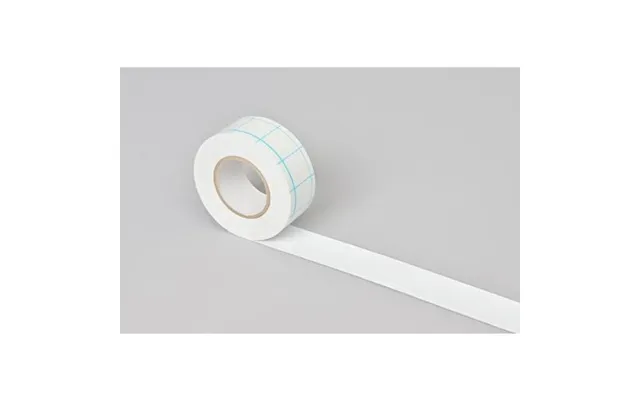
Can’t find the exact cover you want? DIY is often cheaper and surprisingly fun. Old fabric, scarves, or even a recycled poster can be fashioned into a sleeve. Use cardboard inserts to keep the book’s edges crisp. Self-adhesive clear film can be cut to size and applied to jackets for a neat, professional finish. Crafting your cover is a great way to express creativity and upcycle materials at the same time.
Start with a rectangle of fabric about 2 in wider and 1 in taller than your book’s dimensions to allow seam allowance. Fold the fabric into a pocket, sew one side and the bottom, and leave the top open. Add padding with a thin batting layer if you want extra cushion. Finished product? A custom sleeve that protects and looks unique — like a sweater for your book.
Shopping online makes it easy to compare options, but know what to look for. Read product descriptions carefully for size ranges, materials, and care instructions. Look for customer photos in reviews — they reveal real-life fit and color. Check return policies and shipping details (measure in inches if you’re comparing products), and prefer sellers who list exact measurements and weight limits.
Ask whether the cover is washable, whether the material is water-resistant, and if the measurements listed are for the book or the cover itself. These small questions save you from returns and disappointment. Also, watch for thickness limits — some elastic covers max out at a certain spine width in inches, and you don’t want surprises at home.
If sustainability matters to you, there are eco-conscious covers made from recycled fabrics, organic cotton, or plant-based faux leather. Biodegradable protective films and second-hand covers are also green choices. Choosing sustainable options is like planting a tree for your library — small actions that add up over time.
Cover prices range widely, from a few dollars for simple plastic jackets to $30 or more for premium leather or custom-made covers. For everyday protection, a modest investment of around $5 to $15 per book generally provides solid durability. For collectibles or gifts, spending more for archival-grade or custom options is often worth it. Think of this as insurance — a small cost to protect something you value.
Cleaning depends on material. Wipe vinyl and PVC with a damp cloth, leather with a specialized cleaner, and fabric sleeves can often be hand-washed or machine-washed on a gentle cycle. Dry thoroughly before reinserting books to prevent warp or mildew. Regularly dust your bookshelves and rotate sun-exposed books to prevent fading.
In the UK, you’ll find book covers in stationery stores, bookstores, school suppliers, and online marketplaces. Comparison sites help you filter by price, material, and customer ratings so you can find the best match quickly. Use search terms like “book cover protector UK,” “adjustable book cover sleeve,” or “archival book jacket” to narrow down results.
Online marketplaces offer variety and competitive prices, while specialty stores often carry higher-quality or niche products like archival covers. If you want quick and budget-friendly options, start with broader marketplaces. If you’re protecting a collectible or want custom sizing, specialty stores or custom makers are the better route.
Little habits improve longevity: close books gently, don’t force tight shelves, and keep liquids away from reading spots. Use bookmarks instead of folding corners, and store books upright with adequate space between them. These small practices, combined with the right cover, keep your library looking fresh and inviting for years to come.
Conclusion: Book covers are more than an accessory — they’re practical tools that protect value, express style, and enhance convenience. Whether you go for a clear protective sleeve, a padded fabric case, or a luxurious leather jacket, the right cover matches how you read and how you live. Treat your books well, and they’ll reward you with many more hours of pleasure.