All categories
Business & Offices
Electronics & Media
Fashion & Accessories
Groceries & Essentials
Health & Personal Care
Home & Living
Kids & Family
Sports & Outdoors
Search in ZoneOffer

Loading...
Ever handed someone a stack of loose pages and watched their eyes glaze over? Binding supplies instantly change that vibe. A professionally bound report, proposal, or portfolio signals attention to detail and credibility. Whether you're preparing a business proposal, a training manual, or a wedding photo book, the right binding materials and tools help your work look finished, durable, and easy to handle.
There are several popular binding systems on the market, each with its own advantages. Choosing among comb, wire, coil, thermal, and strip binding depends on factors like document thickness, desired durability, budget, and visual style. Below you'll find a practical breakdown of each type so you can pick what fits your project best.
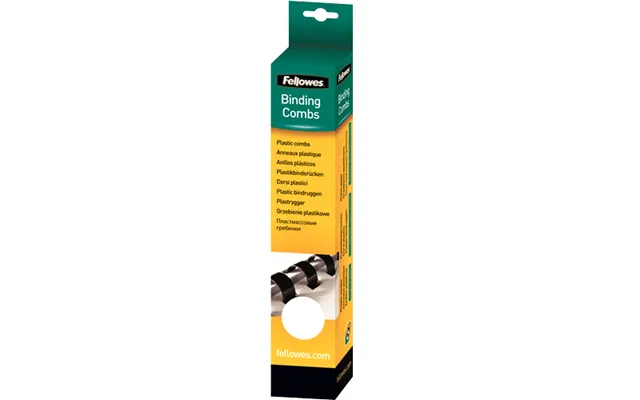
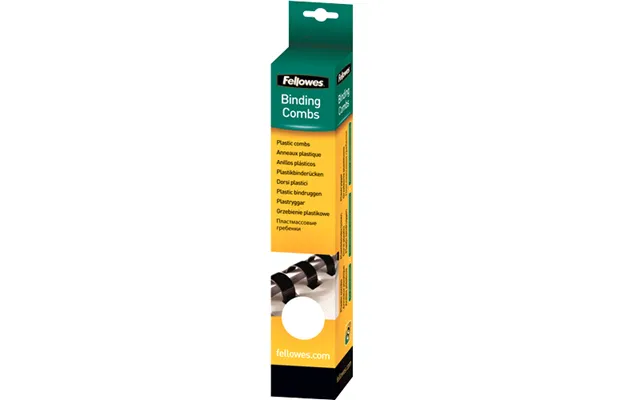
Comb binding uses plastic spines that open and close to insert punched pages. Comb spines commonly range from about 1/8 inch to 2 inches in diameter and can handle from a few sheets up to several hundred pages. Comb binding is cost-effective, allows pages to lie flat, and is easy to edit — perfect for periodic reports or manuals that need updates.
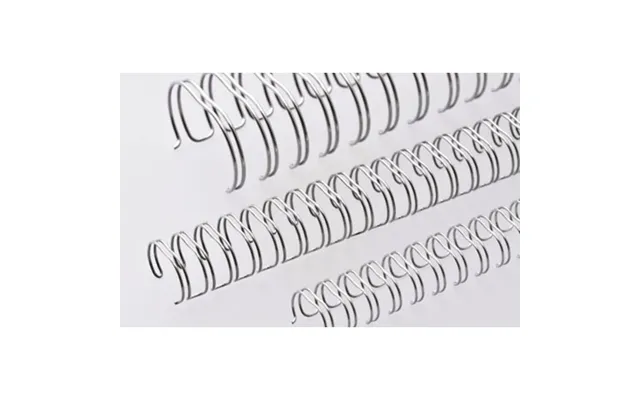
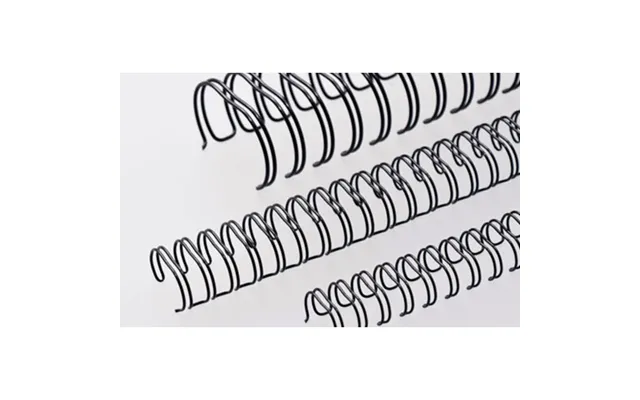
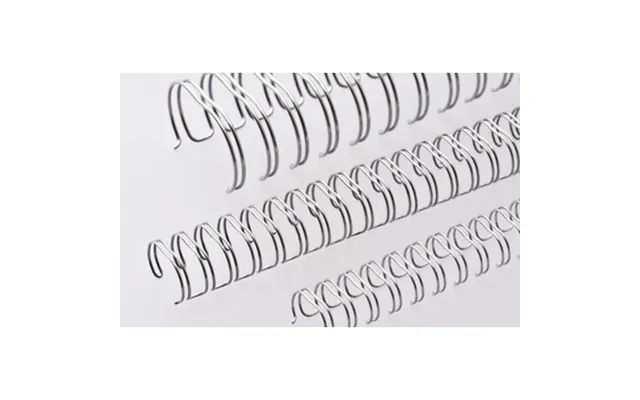
Wire binding gives a cleaner, more professional look than plastic combs. Wire spines usually range from roughly 3/16 inch to 1 1/4 inches in diameter. Documents bound with wire open flat and rotate 360 degrees, which is handy for notebooks or presentation pads. Wire binding is ideal when aesthetics matter and durability is required.
Coil binding uses a continuous plastic coil threaded through punched holes, often available from about 1/4 inch to 1 inch in diameter. Coiled documents are flexible and robust, making this method excellent for training materials, cookbooks, and anything handled frequently. Coils rotate fully and withstand rough use better than some other systems.
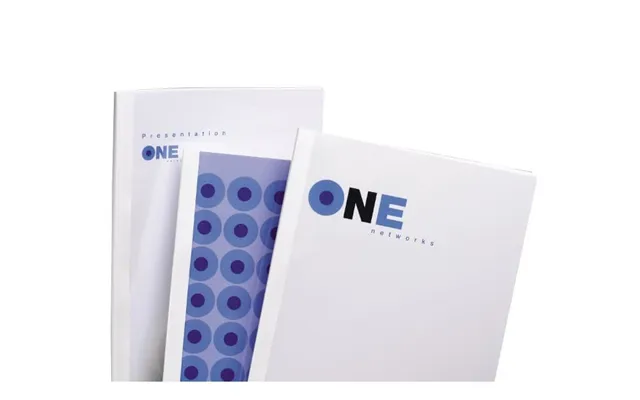
Thermal binding uses glue-backed covers and a heat unit to fuse pages into a neat book-like spine. You’ll often see thermal binding used for proposals, academic theses, and professional reports. It creates a premium, perfect-bound look, but it's less editable — once heat-set, pages stay secure unless professionally unbound.
Strip binding uses adhesive strips and a simple clamp or machine to secure pages. It’s a fast option for on-demand binding and works well for small jobs or where a minimal, budget-friendly solution is needed. Strip-bound documents sit flat and are reasonably durable but aren’t meant for frequent editing.
Beyond the binding element itself, accessories make a big difference in function and presentation. Clear front covers, textured card backs, index dividers, and plastic or linen covers can elevate the finished product. Punch heads and dies determine hole patterns and must match the selected binding system. Investing in quality covers and the right punch increases perceived value enormously.
Clear front covers offer immediate protection while showing off a title page. Card or linen backs provide structure and a premium feel. Cover sizes should match the document — the most common paper size in the U.S. is 8.5 x 11 inches, so plan covers around that dimension for a snug, professional fit.
Spine diameter should match your page count. A spine that’s too small will squash pages; one that’s too large looks sloppy. For reference, a 1/4 inch spine often holds roughly 20 to 30 sheets depending on paper weight, while a 1/2 inch spine may handle around 80 to 100 sheets. When in doubt, measure the stack and consult a spine-size chart from manufacturers.
Punch quality affects both the finish and ease of binding. Manual binders often use interchangeable dies for different hole patterns. Electric punches speed up the process for higher-volume shops. If you plan to bind frequently, choose a punch that matches your binding system and offers consistent, clean holes to prevent misfeeds and jams.
Picking a machine depends on job volume and budget. Manual machines are great for occasional use and small offices, while electric machines handle heavy workloads with less effort. Think about sheet capacity per punch and binding cycle speed. For example, a manual comb binder might punch 20 to 25 sheets at a time, while an electric model could handle 30 to 50 sheets with a faster binding cycle.
Manual binding machines are affordable, compact, and simple to maintain. They work well when you don’t have a steady stream of binding projects. If you bind a few books per week, a reliable manual machine can be a smart purchase that keeps costs low and control high.
Electric machines automate punching and binding, saving time and reducing fatigue. Heavy-duty machines often have larger punch capacities and can bind thicker documents. They’re a good fit for copy shops, schools, or busy offices that process dozens of documents per day.
Beyond the system type, the material of binding elements matters. Plastic combs and coils resist rust and bend; wire is metal and offers a premium profile; thermal glue creates a book-like spine. Consider longevity, flexibility, and appearance. If your documents will be frequently handled or stored in humid environments, choose plastics or coated metals that withstand wear and tear.
Binding supplies vary from low-cost plastic combs and covers to pricier wire spines and thermal machines. For occasional users, buying consumables in small quantities can prevent waste. For businesses with steady demand, bulk purchases reduce per-unit cost. Don’t forget to budget for punches, covers, and maintenance parts like replacement dies or glue strips.
Consumables include spines, covers, and coils — ongoing costs. Capital investments are machines and heavy-duty punches — upfront costs that pay off over time if you bind regularly. Run a simple cost-per-document estimate to decide which route makes financial sense for your usage level.
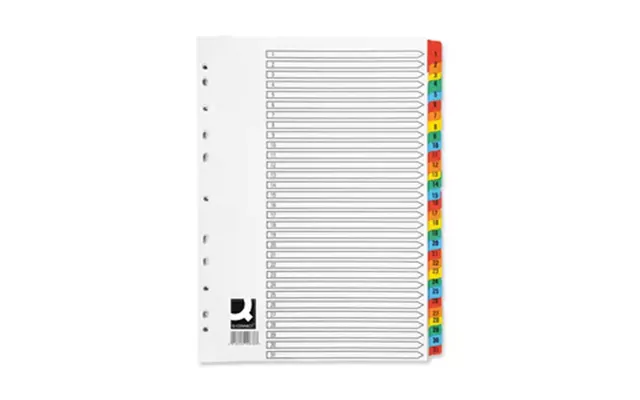
Small details make a big difference. Align pages squarely before punching, use a stack clamp or edge guide when available, and always check that the spine you select matches your final page count. Consider using index tabs for long manuals and laminate key pages for durability. These small steps turn a DIY job into a professional-looking product.
Give yourself enough inner margin so text isn’t lost in the binding. Standard inner margins for bound documents are often about 0.75 to 1 inch from the edge, depending on your spine size. Proper pagination and a clear table of contents help readers navigate larger documents faster.
Don’t ignore the title page and spine label. A well-designed cover and a clear spine label make your materials easier to store and retrieve. Use consistent fonts and consider a simple, clean layout for a more polished final product.
Eco-conscious buyers can choose recycled covers, biodegradable PVC-free coils, or paper-based thermal covers that use less plastic. Many suppliers now offer recycling programs for damaged spines and used covers. Choosing greener options reduces environmental impact and often aligns with company sustainability goals.
With so many options available, comparison shopping is your friend. Look for suppliers that list product specifications—spine diameters in inches, sheet capacity, and cover sizes in inches — and compare prices per unit. Read user reviews for reliability and check warranty details for machines. Buying from a reputable distributor or comparison platform helps ensure you're matching the right product to your needs.
Online suppliers often have a wider selection and volume discounts, while local office suppliers can offer immediate availability and hands-on demos. Before committing, verify return terms and check that punch patterns and spine types are compatible with your machine.
Avoid overbuying the wrong spine type, underestimating page count, and skipping test binds. Testing with a few sheets before committing large runs saves time and money. Also, don’t ignore maintenance — regular cleaning and replacing worn parts keeps machines running smoothly and prevents poor-quality binds.
Before you start a binding session, run through this quick checklist: confirm paper size (often 8.5 x 11 inches for letter documents), count pages and select the correct spine diameter, choose covers that fit, align and clamp pages before punching, and do a test bind with a spare spine. These steps reduce headaches and ensure a professional finish every time.
Binding supplies are more than just plastic and metal — they’re the tools that turn ideas into enduring, functional documents. Whether you need a quick strip-bound manual or a premium thermal-bound proposal, understanding the options will save you time and make your materials stand out. Ready to pick the system that fits your needs? Start by listing how often you bind and how the finished documents will be used, then match capacity, durability, and presentation to that use case.
Conclusion: Binding transforms loose pages into purposeful, professional communications. With the right mix of binding type, machine, and accessories, you can produce durable, attractive documents that reflect well on you and your organization. Make a plan, test your supplies, and invest in the pieces that match your volume and quality needs — and you’ll be finishing reports like a pro.
| Binding Supplies - Other | Price | |
|---|---|---|
| Whitecroft Essentials Elastic Rubber Bands Size 38 3mm X 150mm Rubber Bands 454g Box Natural - 25601 | £ 11,95 | |
| Renz Binding Wires 2 1 A5 Black - 19mm | £ 16,12 | |
| Renz Binding Wires 2 1 A5 N C Silver 1 - 28.5mm | £ 16,14 | |
| Brother Laminated Tape 24mm | £ 16,52 | |
| Renz Binding Wires 2 1 A4 N-c Silver - 9.5mm | £ 16,76 | |
| Brother Laminated Tape 24mm | £ 26,57 | |
| Brother Laminated Tape 24mm | £ 26,57 |