All categories
Business & Offices
Electronics & Media
Fashion & Accessories
Groceries & Essentials
Health & Personal Care
Home & Living
Kids & Family
Sports & Outdoors
Search in ZoneOffer

Loading...
If you’ve ever handed someone a stack of papers that looked flimsy or unprofessional, you know the power of first impressions. A report cover is a simple tool that wraps your document in a tidy, protective shell — turning loose pages into a presentable report. Think of it as a jacket for your paperwork: it keeps edges safe, adds polish, and makes your work easier to handle. Whether you’re creating a project proposal, student assignment, or a client presentation, the right cover helps your content get the attention it deserves.
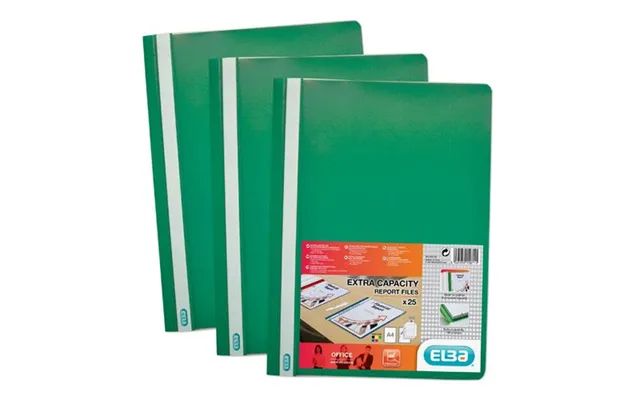
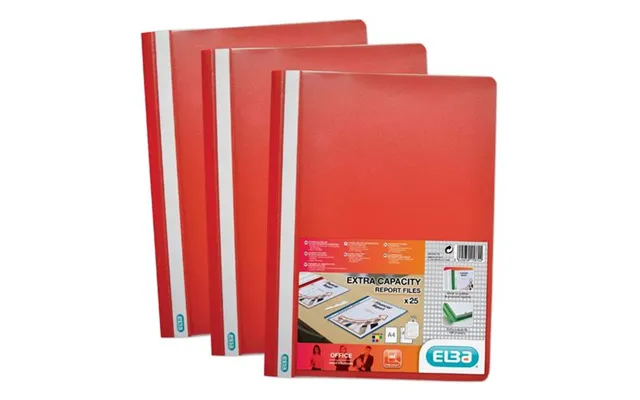
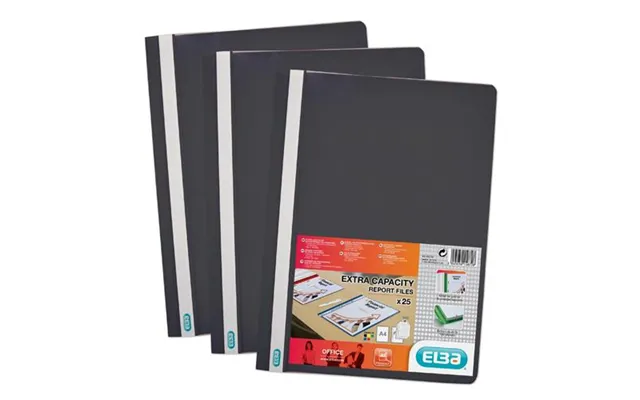
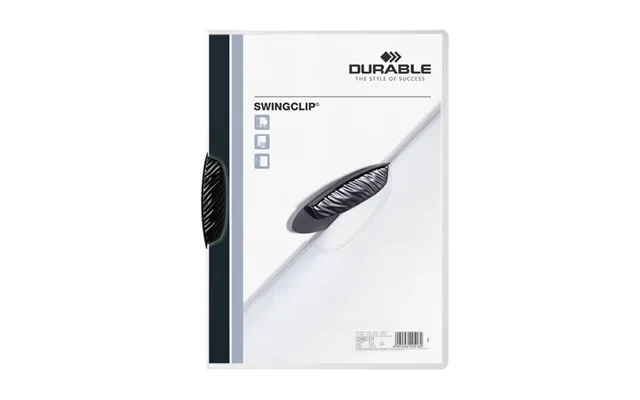
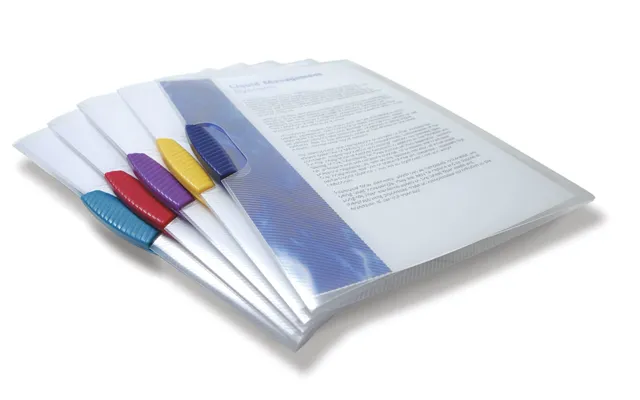
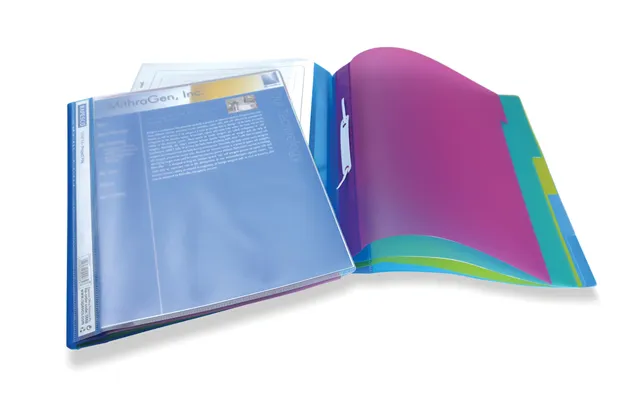
Clear front report covers have a transparent front panel and a colored or clear back. They’re fantastic when you want the title page to be visible without exposing it to wear. Typically used with letter-size documents (about 8.5" x 11"), these covers let you showcase a printed title or an attractive cover page while protecting it from fingerprints and spills. They’re lightweight, cost-effective, and ideal for everyday reports.
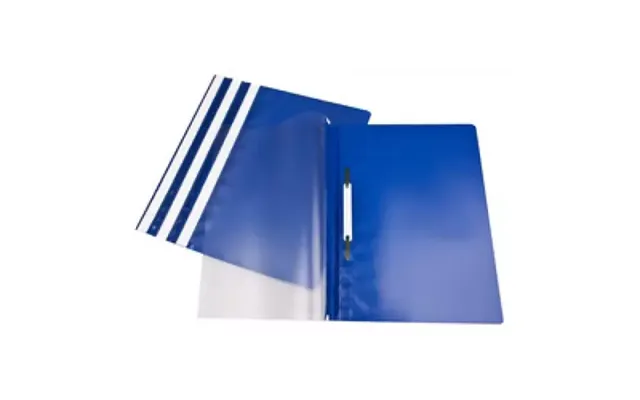
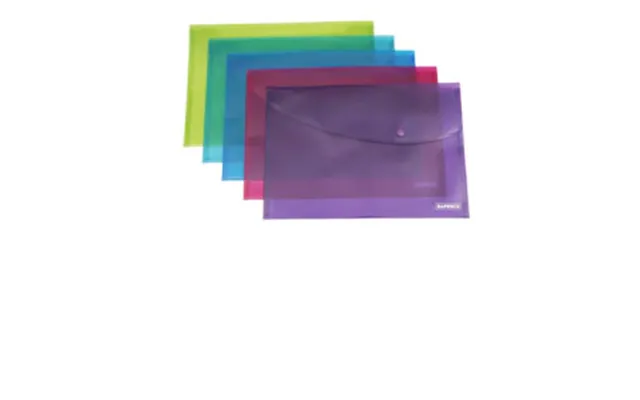
Poly covers are made from polypropylene or similar plastics and are known for durability. Available in a range of thicknesses measured in mil (thousandths of an inch), common choices are 5 mil for light protection and 10 to 12 mil for heavy-duty use. Poly covers resist tearing and moisture better than cardstock, so they’re a good pick if your documents will be handled a lot or stored in damp environments.
Cardstock covers offer a heavier, more textured feel — think of them as the business suit of report covers. Typically you’ll see weights like 65 lb or 80 lb cover stock, which provide rigidity and a professional appearance. Presentation covers often come in a variety of colors and finishes, from matte to glossy, and are great for formal submissions where tactile quality matters.
If you want a premium look, leatherette or vinyl covers give that executive vibe. These covers often include a spine or screw post binding and can hold a thicker stack of pages, like reports that are 1" or more in spine thickness. They’re ideal for executive summaries, legal documents, or client portfolios where the presentation itself becomes part of the message.
Make sure the cover fits the document size you use most. For letter-size reports, aim for covers sized for 8.5" x 11" paper. If you work with A4, remember that A4 measures roughly 8.3" x 11.7", so check the product dimensions carefully — a tight fit can lead to curled edges, while an oversize cover may look sloppy.
Thickness matters. Poly covers are measured in mils — 5 mil is lightweight; 10–12 mil adds sturdiness. For cardstock, look at pounds: 65 lb is good for standard presentations, while 80 lb or higher gives a heftier feel. If your report will be handled frequently, opt for thicker materials or poly to prevent creasing and tearing.
Not all covers pair with every binding method. Some are designed for comb binding, some work with spiral binding, and others pair with screw posts or thermal binding systems. Decide whether you want a removable cover (easy to update pages) or a permanent bind, then choose a cover that fits the binder type you’ll use.
Do you want glossy sheen, matte sophistication, or textured tactile appeal? The finish affects readability and perceived quality. Glossy covers make colors pop but can show fingerprints; matte finishes reduce glare and look refined. Transparent fronts let you display a printed title page, while colored backs add visual interest.
Ask yourself a few quick questions: Is the report for internal use or client-facing? How often will it be handled? Will it be stored long-term or shredded after a meeting? For quick internal memos, inexpensive clear front covers or lightweight poly covers are perfect. For client proposals or board reports, choose heavyweight cardstock or a leatherette cover with a secure spine to convey professionalism. If moisture or frequent handling is a concern, poly covers with a thicker mil rating are your best bet.
Binding combs and plastic/metal spines turn loose pages into a single, durable volume. Comb binding is inexpensive and makes editing simple, while spiral binding lies flat for easier reading. Choose spine sizes like 1/4", 1/2", or 1" depending on page count — a 1/4" comb typically holds about 35–40 sheets, whereas a 1" comb can hold roughly 180–200 sheets.
Sheet protectors slide into report covers to keep individual pages pristine, especially useful for certificates, glossy photos, or frequently referenced pages. Dividers help organize long reports into sections, adding tabs for quick navigation — a lifesaver in technical manuals or multi-chapter proposals.
Simple spine inserts and adhesive labels let recipients know what’s inside at a glance. Invest in clear, legible labels or printable spine inserts sized to the spine width — for example, a 1/2" spine insert should be 1/2" wide to match. Custom labels help with filing and retrieval in cabinets or on shelves.
If you produce reports frequently, a binding machine can be a great investment. Thermal binding creates a clean, book-like finish; covers are often pre-glued and sized to match your page count. For small offices, a compact comb-binding machine paired with reusable combs offers flexibility and cost savings over time.
If sustainability matters to you — and it does to many readers — seek recycled paper covers or poly covers made from recycled plastics. Some manufacturers offer covers made from plant-based plastics or FSC-certified cardstock. Choosing recycled or recyclable materials reduces environmental impact without sacrificing durability or appearance. A good rule of thumb: look for covers labeled with recycled content percentage or clear recycling instructions.
One frequent mistake is buying covers that don’t match the binding method. Before you click “add to cart,” confirm the cover’s binding compatibility. Another mistake is underestimating thickness — thin covers may look cheap and won’t protect pages during transport. Finally, neglecting to proof the title page before inserting it into a clear front cover can be awkward; always double-check formatting and spelling to avoid last-minute reprints.
Presentation doesn’t have to break the bank. Buy covers in multipacks to lower per-unit cost, or choose clear front covers with a colored back for a premium look at a mid-range price. If you prepare many reports, consider a reusable cover or a simple binder that accepts interchangeable inserts — you’ll save money and reduce waste. Comparison sites can help you spot bulk deals and seasonal discounts without the legwork.
A great cover page sets the tone. Keep it uncluttered: title, subtitle, author or company name, and date are usually enough. Use high-contrast colors for readability and pick one or two fonts to maintain a professional look. If you use a clear front cover, make sure the title page aligns perfectly — center it or use a consistent margin, like 1" from the top and sides, so it looks intentional when viewed through the cover.
For student assignments, a clear front cover with a 65 lb cardstock back gives durability without extra cost. For client proposals, a glossy presentation cover with an 80 lb title page and a leatherette spine elevates your brand. For manuals or reference guides, pair a 10–12 mil poly cover with a durable spiral or comb binding so the document lies flat during use. For legal or archival documents, choose heavy-duty leatherette or screw-post covers that can handle thicker stacks like 1"–2" spine widths.
Shopping for report covers online can feel overwhelming because there are so many options. Using a comparison site makes it easy to filter by size, material, thickness, and price, letting you quickly spot the best value for your needs. Comparison tools also show customer ratings and bulk pricing at a glance, which helps when you’re buying for a team or planning recurring purchases.
Store covers flat in a dry place to prevent warping. Keep poly covers out of direct sunlight to avoid yellowing, and wipe leatherette covers with a soft cloth to remove dust. If you reuse covers, handle the binding gently to prevent spine damage. For long-term storage, place documents in a cool, dry area and consider archival-quality covers if the content needs to be preserved for years.
Before you hit purchase, run through this checklist: confirm paper size compatibility (8.5" x 11" for letter, or verify A4 conversions), choose the right material and thickness (mil for poly, lb for cardstock), check binding compatibility, and look for eco-friendly options if that matters. If you’re buying in bulk, compare unit prices and factor in any binding machine or accessory costs. A quick double-check now saves time and money later.
Report covers are small investments that deliver a big return in professionalism, protection, and convenience. Whether you need a simple clear front cover for everyday memos or a premium leatherette binder for client-facing reports, there’s a solution that fits your needs and budget. Think about how often the document will be handled, how long it needs to last, and which binding method you prefer — and choose materials and accessories accordingly. With the right choices, your reports will not only look great but will also stand up to real-world use.

| £ 50,88 |