





All categories
Business & Offices
Electronics & Media
Fashion & Accessories
Groceries & Essentials
Health & Personal Care
Home & Living
Kids & Family
Sports & Outdoors
Search in ZoneOffer
Loading...
Have you ever rifled through a stack of cards looking for that perfect birthday note, only to end up frustrated and late? A greeting card organizer saves time and spares you the guilt of missing milestones. Think of it as a tiny filing cabinet for feelings: you can sort by holiday, recipient, or sentiment and find what you need in seconds. Whether you collect handmade cards, shop-sale bulk packs, or keep sentimental notes, organized storage keeps cards flat, protected, and ready to use. It’s not just about neatness—proper storage preserves value, prevents creasing, and helps you plan ahead for parties, anniversaries, and seasons.
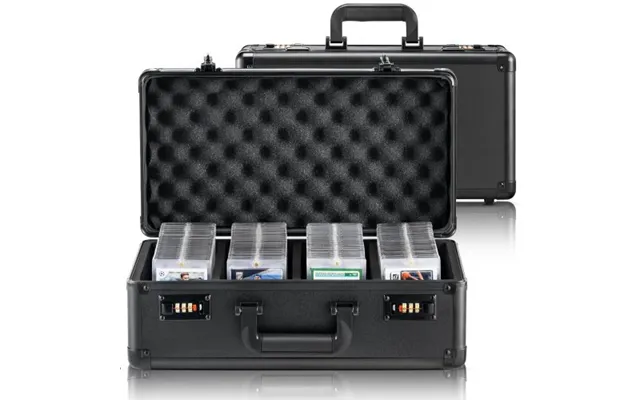
Card storage boxes are the go-to solution for many collectors. These are sturdy boxes—often 12 inches by 9 inches by 4 inches or similar—that hold stacks of cards and envelopes. Look for boxes with lids to block dust and light, and internal dividers to keep categories separate. Some boxes are designed to be stackable so you can build a compact, vertical library of holidays and events. They’re great if you want to keep a lot in one place and prefer a simple “drop-and-go” approach.
If you want to preserve both the front and inside of cards, binders with acid-free plastic sleeves are brilliant. A binder lets you flip through your collection like a photo album—perfect for treasured, handmade, or signed cards. Most sleeves are sized to fit typical greeting cards like 5 inches by 7 inches, and you can find binders in 1-inch to 3-inch rings to match your capacity. This option doubles as a display and archive method, so you enjoy the memories as much as you preserve them.
Accordion files are a compact, budget-friendly choice for sorting by month, recipient, or occasion. They usually have multiple pockets and expand to hold a surprising number of cards while remaining slim enough to tuck into a drawer or tote. These files are ideal if you travel with cards to events or if you want quick access without bulky boxes. Choose a file with sturdy material and labeled pockets for the best long-term value.
If you prefer an out-in-the-open solution, slot organizers—like slim office drawers or magazine holders—work well for cards. Place labeled magazine files on a shelf, or organize cards in shallow drawers with dividers. This approach integrates greeting cards into your everyday workspace or craft area so they’re easy to grab when you need them. A shallow tray lined with felt also protects delicate edges and adds a tactile, upscale touch.
Not every organizer needs to be physical. Many people scan or photograph their best cards and store images in a cloud album tagged by occasion and date. This isn’t a replacement for physical storage, but it’s an excellent way to remember what you have, plan for upcoming events, and view card designs on the go. Combining digital cataloging with a physical organizer gives you the best of both worlds: quick searchability plus preserved originals.
Start by measuring the cards you own. Many greeting cards are around 5 inches by 7 inches, but folded sizes and large formats exist—so plan for the biggest ones. If you store cards in boxes, typical dimensions like 12 inches by 9 inches by 4 inches accommodate most stacks. For binders, choose sleeves that fit card sizes and a ring size that handles your volume. Overestimate capacity by about 20 percent to allow for future purchases—you don’t want to reorganize in a year.
Materials matter. Acid-free, archival-safe plastics and papers prevent yellowing and deterioration over time, and padded or felt-lined organizers reduce corner damage. Hard-sided boxes offer more protection against crushing than soft accordion files. If sunlight or humidity is a problem, pick opaque boxes with tight-fitting lids and keep them away from windows. For heirloom cards, archival sleeves and storage in a dry, cool area are crucial to maintain color and paper integrity.
Organization is only as good as your labeling. Look for organizers that include dividers or invest in tabbed index cards and a label maker. You can sort by holiday (Christmas, Valentine’s Day), recipient (Mom, Kids), or sentiment (Thank You, Congratulations). Use alphabetical or chronological systems depending on how you shop and the size of your collection. Clear labeling saves time and turns a messy pile into a streamlined system.
Do you take cards to parties or meetings? Consider portability. A small, strap-handled box or lightweight accordion file makes transporting cards simple. If your organizer will live in a closet, portability is less important than stackability and durability. Think about where you’ll most often look for a card—near the entryway, alongside gift supplies, or in a home office—and choose a storage style that matches how you move through your home.
If you have a modest stash of cherished cards, a binder or display album is often perfect. It lets you enjoy the designs, annotations, and signatures without risking wear in a box. Choose a high-quality binder with archival sleeves and keep it on a shelf where you can flip through it as part of your routine. This approach turns your cards into a living memory book.
For those with large collections—maybe you buy cards in bulk or collect for multiple family members—stackable card boxes and modular shelving work wonders. Pair boxes with clear labels and a master inventory (a simple spreadsheet or a photographed catalog) so you can search and find quickly. Consider sorting by season or event and using color-coded dividers for instant visual cues.
Seasonal planners benefit from accordion files or labeled boxes switched out at the start of each season. Keep a small “ready-to-go” box near gifts and decor so you can match cards to presents without rummaging through your whole collection. Planning ahead during quieter months removes last-minute scrambling when the season hits.
You don’t need to buy fancy containers to get organized. Shoe boxes, photo storage boxes, and reused shipping boxes can be upgraded with wrapping paper, labels, and cardboard dividers to create a custom storage system. Cardboard mailers with a flap closure protect flat cards well, and a simple binder with inexpensive clear sleeves gives an elegant archival look for a low price. It’s the organization that counts, not the price tag.
Make budget containers look and work better with a few tweaks: add index tabs, line the box with acid-free tissue, or reinforce corners with tape for durability. Use printable labels or a basic label maker to keep categories tidy. Little improvements extend the life of repurposed boxes and help your system grow without breaking the bank.
Individual card sleeves protect against fingerprints, smudges, and edge wear. Archival-grade sleeves are especially worthwhile for one-of-a-kind or sentimental cards. Sleeves make it possible to store cards in binders or display cases and offer a professional-grade layer of protection that keeps paper fibers intact for years.
A label maker is a small investment that pays big organizational dividends. Clear, consistent labeling avoids guesswork and keeps the system usable over time. Combine printed labels with color-coded tabs and index cards to build an indexing system that family members can follow too—no one needs to learn your secret sorting method.
Consider cube shelves or modular units if you want your card organizers to be part of a broader craft or office setup. Modular cubes that are roughly 12 inches square fit many storage boxes and keep things uniform and attractive. This makes the card area easy to maintain and integrates it with gift wrap supplies, craft tools, and stationery.
Maintenance isn’t glamorous, but it’s key for long-term happiness with your collection. Check boxes and sleeves for dust periodically, and rotate items out seasonally to keep things fresh. Avoid storing cards in basements or attics where temperature swings and humidity can damage paper. If a card gets bent, place it under a heavy, flat object for a few days to flatten it gently. Regular audits—perhaps once or twice a year—help you toss duplicates and make room for new favorites.
Shopping for organizers works best when you compare options. Look at office-supply retailers, craft stores, and online marketplaces to compare sizes, materials, and prices. Read customer reviews to learn about real-world durability—do the dividers hold up, does the lid close securely, do sleeves yellow over time? Comparison tools and review aggregates make it easy to weigh pros and cons without guessing. If preservation matters to you, prioritize archival materials and check product descriptions for terms like “acid-free” and “PVC-free.”
Start small and build gradually. It’s easy to over-engineer an organizational system that you won’t actually use. Pick one method—boxes, binder, or accordion file—set a simple labeling rule, and commit to returning cards to their place after each use. Keep a “ready” box near your wrapping supplies for last-minute needs, and a decorative display for the cards you love most. With a little structure and a few quality organizers, you’ll transform chaotic piles into an efficient system that saves time and preserves memories.
Conclusion: Organizing greeting cards is an investment in time, memories, and convenience. Whether you choose sturdy card boxes, elegant binders, or budget-friendly DIY solutions, the right organizer makes finding the perfect card a breeze. Mix physical storage with a simple digital catalog for quick reference, and remember to protect your most treasured pieces with archival supplies. The result? Less stress, more intentional gifting, and a collection you can enjoy for years.
| Greeting Card Organizers | Price | |
|---|---|---|
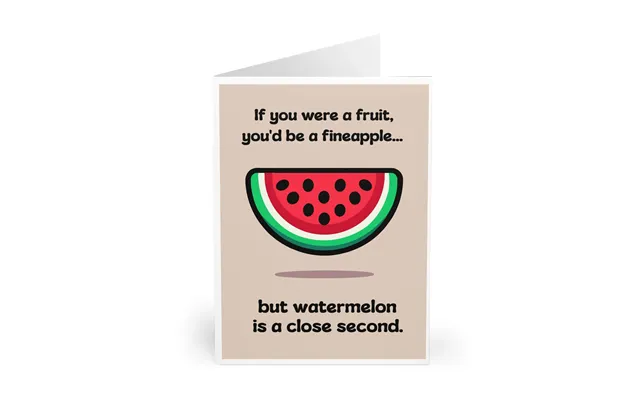
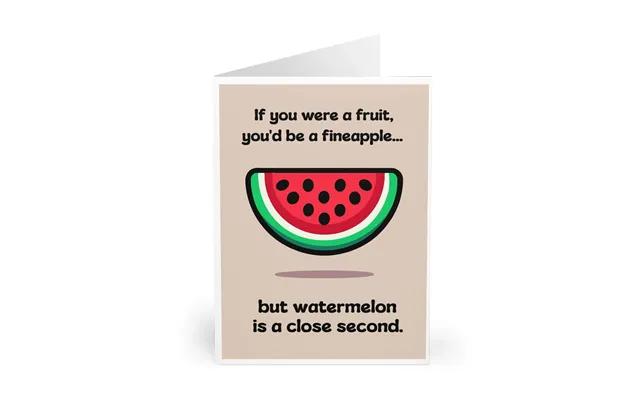
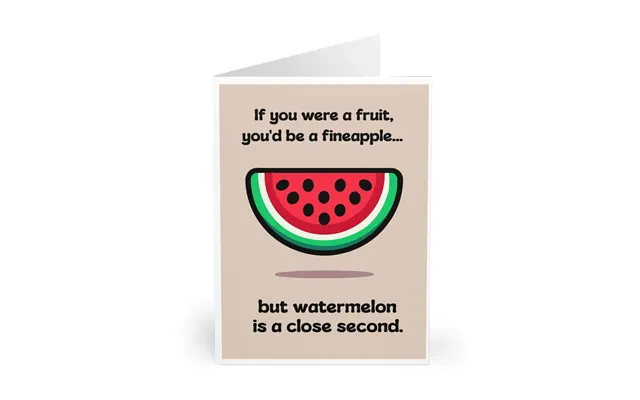
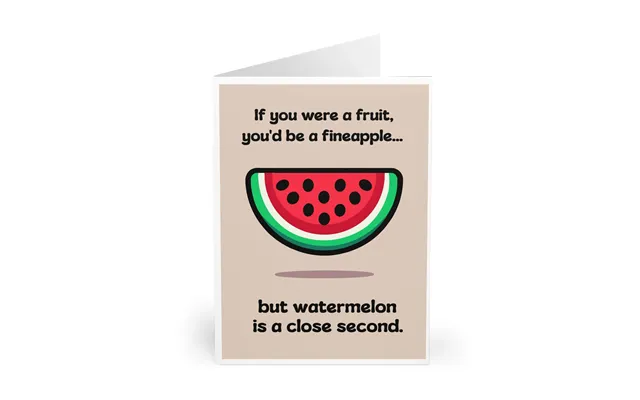
| Watermelon Greeting Card - A5 Matte | £ 4,50 | |
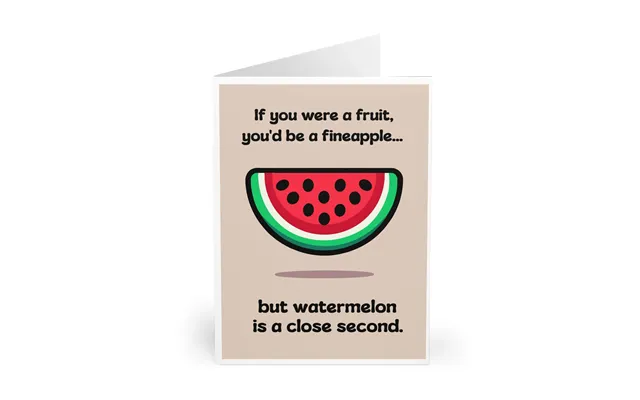
| Watermelon Greeting Card - A5 Glossy | £ 5,25 |

