

Brass Fasteners price list
Last updated Sunday, 18 Oct 2026
| Brass Fasteners | Price |
|---|---|
| Valuex Paper Fastener 20mm Pack 500 - 36711 | £20.02 |
| Arnos Hang A Plan General Binder A1 | £33.87 |
| Arnos Polyprong Fastener 30mm Capacity Pack 100 - Df218 | £46.03 |



View 7 Offers

Loading...
Last updated Sunday, 18 Oct 2026
| Brass Fasteners | Price |
|---|---|
| Valuex Paper Fastener 20mm Pack 500 - 36711 | £20.02 |
| Arnos Hang A Plan General Binder A1 | £33.87 |
| Arnos Polyprong Fastener 30mm Capacity Pack 100 - Df218 | £46.03 |
Brass fasteners are one of those simple office and craft essentials that quietly make life easier. Whether you're binding reports, building a handmade journal, or adding pivoting joints to a DIY project, brass brads and split pins do the job with a neat, durable finish. In this guide you'll learn what brass fasteners are, how to choose the right size in inches, when to use split pins vs. brads, and how to save money by shopping smart—using comparison tools and by knowing what features actually matter.
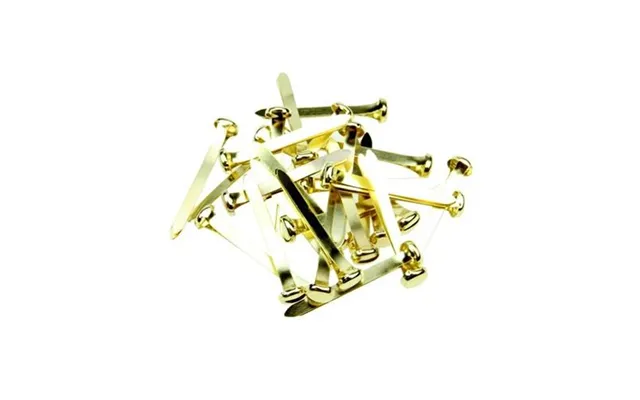
At their core, brass fasteners are small metal connectors made from brass alloy, designed to hold sheets of paper, card, thin leather, or light wood together. The two most common styles you’ll see are brads (also called brass brads) and split pins (sometimes called paper fasteners). Brads have a round head and a split shank you bend outward after insertion, while split pins have two tines that splay apart to lock materials in place. Both come in a range of lengths and diameters measured in inches, so you can pick the right size for your stack thickness.
Brass brads: Small with a flat or rounded head and a split shank, brads are ideal for paper, card, and light craft work. They usually come in lengths like 1/4", 3/8", 1/2", 3/4", and 1".
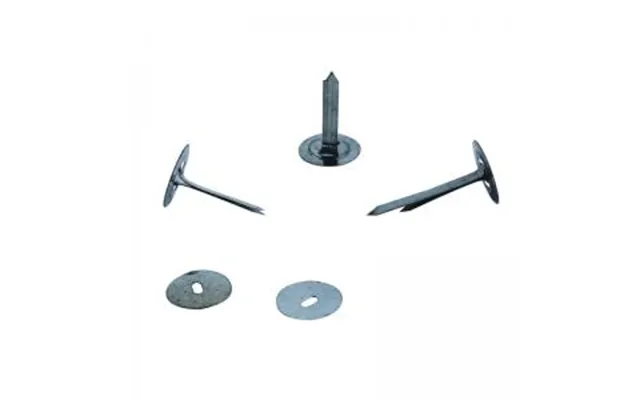
Split pins: Thicker and sturdier, split pins are used when you need a pivot or a mechanical joint—think movable paper wheels or simple hinges. Typical split pin diameters are 1/32", 1/16", 3/32", and lengths of 1/2", 3/4", and 1".
Decorative brads: For scrapbooking and visible craft projects, you’ll find brass fasteners with decorative heads and finishes that add a vintage or polished look to the finished piece.
Brass is a great material choice because it combines visual appeal with practical performance. It resists corrosion, looks smart over time, and keeps paper stacks secure without the bulk of a clip or the permanence of a staple. In short: brass fasteners offer flexibility, reusability, and a tidy professional look—ideal for presentations, prototypes, and craft projects where appearance matters.
Brass develops a pleasant patina rather than rusting, which means your fasteners will still look good years later. That makes them especially useful for archives, handmade goods, or any application where the joint is visible and should remain attractive.
Choosing the correct size gets easier when you measure the thickness of the material to be fastened. If you're joining multiple sheets of paper, measure the stack thickness with a ruler and add a small allowance so the shank can be bent or splayed without strain. Typical length choices include 1/4", 3/8", 1/2", 3/4", and 1". For thicker stacks use longer lengths like 1-1/4" or 1-1/2".
Measure the total thickness in inches of the materials you'll fasten. For a stack around 1/4" thick, choose a 3/8" or 1/2" shank to allow room for bending. Also check the head diameter versus the hole size—many people punch a 1/8" hole for small brads and a 3/32" hole for split pins that are 1/16" in diameter. When in doubt, get a slightly larger length so the tines can be spread comfortably.
From holding presentation pages to assembling sample swatches, brass fasteners are surprisingly versatile. Use them to assemble mock-ups, secure swatches for client review, or make interactive paper elements like spinner wheels. In classrooms they’re perfect for creating learning aids; in workshops they can form simple pivots for jigs and small devices.
Create movable greeting cards with a 3/8" brass fastener as the pivot, assemble layered paper mobiles with 1/2" brads, or make a compact sample book by fastening fabric or paper swatches to a single corner with a 3/4" split pin. The visual charm of brass also makes it a favorite for jewelry tags and decorative accents on upcycled furniture.
Brass fasteners aren’t the only option, but they fill a unique niche. Staples are fast and permanent, binder clips are great for thick stacks, and rivets suit heavy-duty metal or wood. For projects needing temporary joins that can pivot, brass split pins outperform staples and paper clips. Still, it’s useful to have a mix of options in your drawer so you can match the fastener to the task.
If you need movement—a rotating wheel or hinge—choose split pins. For quick, non-moving joins that will stay in place, staples or small rivets are better. Binder clips are your friend for very thick documents or when you want a removable, firm hold without punching holes.
When shopping for brass fasteners, pack size and finish matter. Small packs are economical for home crafters; bulk packs are more cost-effective for schools and businesses. Look for descriptions that list shank length in inches, diameter, and head size. Also check whether the brass is solid or plated—solid brass lasts better if the piece will age or be handled often.
Comparison sites can help you spot the best deals across retailers and pack sizes. They make it easy to compare price per piece and see shipping or bundle discounts. Remember, the cheapest option might not be the best if the quality or finish isn’t right for visible pieces—factor in material grade and pack quantity when deciding.
Installing brass fasteners is straightforward, but a few tools speed things up. A handheld hole punch or awl creates clean holes in paper and leather, while a small pair of pliers helps bend tines evenly on thicker materials. For wood or dense card, pre-drill a pilot hole with a small bit—say 1/16"—so the shank inserts easily without splitting the material.
Brass is low maintenance. To keep a shiny finish, gently polish with a soft cloth and a drop of oil or a mild brass cleaner if needed. For pieces that will need to be opened and closed frequently, inspect the shank for wear and replace fasteners that begin to fatigue. For archival projects, choose solid brass over plated versions to avoid flaking or discoloration over many years.
Expect to pay from a few cents per piece for bulk packs to slightly more for decorative or specialty brads. Small packs for home use often start under a few dollars, while bulk 500–1,000 piece assortments cost more upfront but reduce the unit price. Use comparison tools to check price per piece and read reviews to verify quality—sometimes a slightly higher price buys a much better finish and longer life.
Fasteners have sharp ends, so handle with care—especially around children. Keep small parts stored in labeled containers to avoid accidental swallowing, and use proper eye protection if cutting or pre-drilling into harder materials. When bending tines, wear a leather pad or use pliers to avoid pinching your fingers.
Brass is recyclable, which makes it a reasonably sustainable choice compared with many single-use plastics. Choosing solid brass fasteners over plated alternatives can reduce waste because they last longer and are less likely to corrode or fail. When possible, buy refillable or bulk packs to reduce packaging waste.
If you’re preparing a visual proposal or client sample, small details like matching the head size to document margins and using consistent shank lengths make a big difference. Trim tines neatly and press them flat against the backing for a clean, professional look. For luxury presentations, consider decorative brass fasteners with domed heads or antique finishes to elevate the tactile experience.
If the tines won’t bend easily, you may be using a shank that’s too short or the material is too thick—switch to a longer fastener. If the head slips through the hole, choose a smaller hole diameter or a fastener with a larger head. For loose joints, replace with a longer shank so the tines have more material to grip when bent outwards.
Brass fasteners are simple, elegant, and incredibly useful. Whether you’re organizing documents, creating craft projects, or assembling small mechanical joints, a handful of brads and split pins in different lengths and diameters will keep your projects tidy and functional. Shop smart, measure in inches, and choose the finish that suits your project—then enjoy the small joy of a perfectly fastened stack.
Conclusion: For anyone who values tidy joins, visual appeal, and low-cost versatility, brass fasteners are a must-have. With the right sizes, simple tools, and a little practice, you can use them to create durable, attractive results across office, workshop, and craft tasks.