

All categories
Business & Offices
Electronics & Media
Fashion & Accessories
Groceries & Essentials
Health & Personal Care
Home & Living
Kids & Family
Sports & Outdoors
Search in ZoneOffer
Loading...
Even with screens everywhere, paper doesn’t disappear—think forms, contracts, schoolwork, and creative projects. When a misplaced word or a smudge happens, you want a quick, clean fix that doesn’t call attention to itself. Correction fluids, pens, and tapes are those tiny workplace heroes that let you edit without reprinting or rewriting. They’re fast, affordable, and surprisingly versatile, so learning which type to use is like choosing the right screwdriver from a toolbox—you’ll save time and look smarter for it.
Correction tools come in three main families: liquid correction fluids, correction pens, and correction tapes or rollers. Each family has distinct strengths. Liquids cover wide areas and can be thinned or layered; pens are precise for tight spots; tapes are dry and instant, perfect for immediate re-writing. Understanding the difference helps you pick the right tool for the job, whether you’re fixing a quick typo or touching up a printed form.
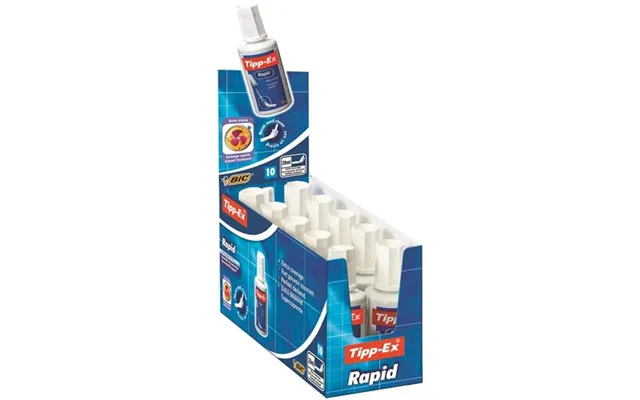
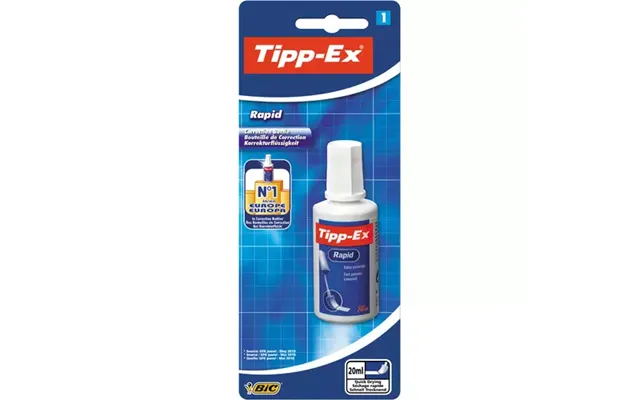
Correction fluid, often called white-out, typically comes in small bottles—common sizes are 0.5 fl oz and 1.0 fl oz—equipped with a brush or applicator. These fluids create an opaque layer over the error so you can write on top once dry. They’re great when you need to cover larger mistakes or textured paper. Modern formulas dry faster and resist yellowing, making them reliable for long-term documents.
Correction pens are a liquid variant delivered through a pen tip for precision. A typical pen contains about 0.2 fl oz of fluid and is perfect for fine lines, small letters, and quick spot corrections. They behave like a marker, so you get control without the mess of a full bottle. If your work involves lots of handwritten notes, these are the neatest option.
Correction tapes lay a dry strip of opaque material over the mistake. They come in widths like 1/6 inch or 1/5 inch and lengths often ranging from a few hundred inches—one common refill length is around 393 in. Tapes are instant: apply, tear, and write right away. There are dispensers that are refillable and small pocket rollers you can carry in a pencil case. Because there’s no drying time, tapes are the go-to for busy desks and teachers grading stacks of papers.
Correction fluids cover smoothly and can hide larger mistakes, but they come with a couple of trade-offs. On the upside, you get an opaque finish that’s easy to write over, and a single 1.0 fl oz bottle can last a long time if used sparingly. On the downside, older formulas took forever to dry and sometimes cracked or yellowed over time. Look for fast-dry, non-yellowing formulas and a comfortable applicator—either a fine brush or a built-in pen-style tip. Also check for low-odor or low-VOC options if fumes bother you.
Choose liquid correction fluid when you need to cover wide errors, correct printed text, or fill in gaps that tape can’t handle. It’s also useful on glossy or coated paper where tape might not stick well. Liquid white-out is the choice for neat, lasting coverage—but remember to allow the recommended drying time before writing over it to avoid smudges.
Correction pens are the surgical instruments of the correction world. With a narrow felt or metal tip, they let you tackle individual letters and small errors without disturbing the surrounding text. They’re compact—easy to stash in a pocket or pencil case—and most people find them less messy than bottles. Pens do use liquid, so you still need to wait a short time before rewriting, but drying times can be as short as a few seconds depending on the brand and paper.
Correction pens excel on tight forms, receipts, and when you’re on the go. They’re ideal for teachers who need to fix grade sheets, students correcting homework, or anyone who prefers a tidy desk. If you like control and minimal waste, a pen is often the best compromise between fluid coverage and tape speed.
Correction tape feels almost magical because you can apply it and write on it immediately. There’s no waiting, no liquid, and no risk of drips. Tapes come in single-use dispensers and refillable cartridges; widths and lengths vary depending on whether you’re fixing a single letter or long straight lines. The main limitation is that tapes may not conform to very textured paper and can sometimes lift if they’re stretched or torn during application.
Go for correction tape when speed matters—grading, filing, or busy office tasks—because you avoid downtime. Tape is also cleaner and friendlier for shared workspaces or classrooms where drying smells could be unpleasant. If you need archival-quality repairs, check product specs because not all tapes are long-lasting or fade-resistant.
Picking the right correction product comes down to three questions: how big is the mistake, what type of paper are you working on, and how fast do you need to write again? Match the tool to the task and you’ll save money and frustration. A mixed kit—one bottle of fluid, a couple of pens, and a tape—gives you flexibility for almost any scenario.
Paper texture matters. Smooth copy paper usually works well with any correction type, but glossy or coated stock can repel liquid and host adhesion problems for tape. For glossy finishes, liquids with a glossy formula or special pens designed for nonporous surfaces are better. Conversely, for newsprint or rough stationery, a thicker fluid might be necessary to get full coverage.
If you need instant rewriting, tape is your friend. If appearance and perfect coverage are the priority, liquid products win out, even if they require a few seconds to dry. For both speed and reasonable coverage, correction pens offer a middle ground.
Consider the long-term cost. A refillable tape dispenser saves money and reduces plastic waste over time, while a single durable bottle of correction fluid can last through many projects. Correction pens are convenient but may need replacement more often. If sustainability matters, look for refillable systems and low-odor, low-VOC fluids that avoid harsh chemicals.
Using correction products properly keeps them working longer and avoids common headaches. Shake liquid bottles gently before use to mix pigments and prevent clumping. Keep caps tight to stop drying—this preserves a 1.0 fl oz bottle for months or even years depending on use. Store products upright and away from direct heat or sunlight, and always clean applicator tips with a tissue to avoid buildup.
Drying time varies: many modern fluids dry in 5 to 30 seconds on standard paper. Correction pens may take a similar span, while tape allows you to write immediately. If you’re unsure, test on scrap paper to avoid a ruined document. For archival work, allow a minute to be safe—better a moment of patience than a smeared signature.
Older correction fluids used strong solvents and produced fumes. Today’s safer options are low-VOC and water-based, reducing odor and health risks. Still, use products in a ventilated area and keep them away from children. If environmental impact is a priority, choose refillable tape systems and low-chemical fluids, and recycle plastic casings where local services accept them.
There are many reputable brands making correction products, each offering slightly different formulas and features. Some brands focus on fast-drying fluids in 0.5 fl oz and 1.0 fl oz bottles, others specialize in precision pens around 0.2 fl oz, and several offer correction tapes in widths like 1/6 inch and lengths around 393 in. Look for products that highlight non-yellowing, low-odor, and refillable options. Pairing a fast-dry fluid for bigger fixes with a tape for quick corrections covers most needs.
If you’re stocking an office or preparing a school kit, a balanced selection is ideal: one bottle of fast-dry 1.0 fl oz correction fluid, two correction pens for precision work, and a refillable correction tape with at least 393 in of tape. That combo handles big patches, small edits, and instant fixes without running you out of supplies too quickly.
People often over-apply liquid, causing lumps that are visible or that crack when dry. Another common error is writing over wet fluid, which smudges and ruins the correction. For tapes, applying at an angle or pulling too fast can result in stretched or uneven coverage. The remedy is simple: apply sparingly, go slowly, and test on scrap paper when trying a new product.
Replace correction pens when the flow becomes inconsistent or the tip fibers fray. For liquids, if the fluid has thickened, smells unusually strong, or separates and won’t remix with a gentle shake, it’s time for a new bottle. Tapes should be replaced when the dispenser runs out or if the adhesive loses tack and lifts from the paper. Keeping spares on hand prevents project interruptions.
Correction fluids, pens, and tapes each have a place in your desk drawer. Think of fluids as broad-coverage painters, pens as precision tools, and tapes as instant dry lifelines. Choose based on the size of the correction, the paper type, and how quickly you need to write again. With a small, balanced kit and a few usage habits—store properly, cap tightly, and test when trying new products—you’ll handle mistakes like a pro and keep your documents neat and presentable.
| Correction Fluids | Price | |
|---|---|---|
| Durable Duraline | £ 21,52 | |
| Bic Tipp-ex Correction Fluid 20 Ml | £ 29,68 | |
| Durable Duraline | £ 43,99 |

