

Label Clips price list
Last updated Sunday, 18 Oct 2026


View 4 Offers

Loading...
Last updated Sunday, 18 Oct 2026
Ever stood in front of a chaotic shelf, hunting for a single item like it’s a needle in a haystack? Label clips are the small heroes that turn that haystack into a tidy row of labeled boxes. They’re inexpensive, low-effort, and a massive time saver whether you’re running a small shop, managing a warehouse, or trying to keep a home office in check. Think of label clips as signposts — tiny, durable signs that point customers and coworkers straight to what they need.
Label clips come in a surprising variety, each designed to solve a specific problem. Choosing the right style is half the battle, so let’s walk through the main types and where they shine.
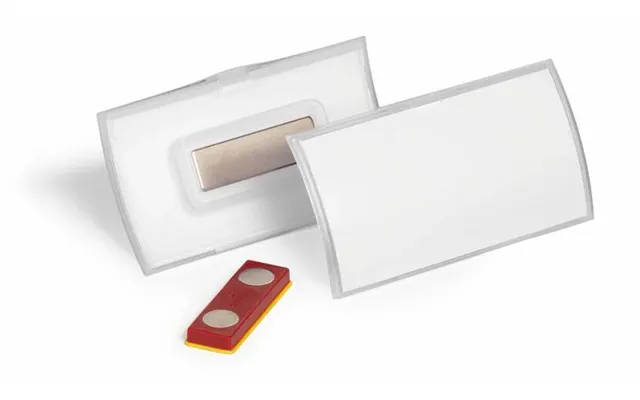
Magnetic label clips stick to metal shelving and filing cabinets, making them ideal for metal racking or industrial shelving. They’re great when you want labels that are easy to slide, swap, or reposition without tools. Typical magnets hold across surfaces of 1/16 inch to 1/8 inch thickness, and they’re perfect for dynamic environments where shelf contents change often.
Clip-on shelf label holders snap onto the front lip of shelves, particularly wire or plastic shelving. They’re often used in retail displays and cold storage, where adhesive won’t stick reliably. Clip sizes vary, but look for holders that grip shelves 1/8 inch to 1/2 inch thick for secure placement.
Some label clips come with adhesive foam or tape on the back, which works well on smooth surfaces like glass, plastic, or painted wood. These are a good choice for light-duty labeling and short-term setups like pop-up stalls or event booths. If you plan to reuse them, select holders with removable adhesive to avoid residue.
Cable label clips are small, often plastic, holders that attach labels directly to cords, wires, or hoses. They’re indispensable in server rooms, AV setups, and manufacturing lines where identifying cables quickly can save a lot of troubleshooting time. Choose clips that fit around cable diameters ranging from 1/16 inch up to 1/2 inch depending on your setup.
Retail environments commonly use price tag clips that snap onto hangers, peg hooks, or shelf edges. These clips usually accept thin labels or cards and come in angled designs for better visibility. Pegboard clips, meanwhile, fit standard peg holes and keep labels aligned with product rows.
Most label clips are made from plastic, metal, or a combination of both. Plastic clips are lightweight, affordable, and resistant to rust — ideal for damp environments or cold rooms. Metal clips (like stainless steel or coated steel) offer superior strength and longevity in high-traffic areas. If your workspace sees daily handling, prioritize abrasion-resistant plastics or metal to avoid frequent replacements.
Measuring for label clips is simpler than it sounds. For clip-on types, measure the shelf lip or wire diameter in inches — for example, a typical supermarket shelf lip might be about 1/4 inch to 3/8 inch. Magnetic clips require knowing the front face thickness and ensuring the magnet can span the surface. For cable clips, measure cord diameters in fractions of an inch. When in doubt, get a slightly larger clip and add a small foam shim to ensure a snug fit.
Label clips aren’t niche tools — they’re versatile helpers used across environments. Here are the most common scenarios where they make a measurable difference.
In retail, clear pricing and product information can lift sales and reduce checkout time. Label clips attach easily to shelving and hooks, keeping prices visible at eye level and making price updates quick as a snap.
Large storage areas benefit from label clips that can be moved when products are shifted between bays. Color-coded clips can help indicate stock levels or priority items, and magnetic clips are perfect for steel racking systems.
Even at home, label clips tidy up clutter. Use them to mark bins in a craft room, label storage on pantry shelves, or tag cables behind a desk. They’re a cheap upgrade that reduces daily frustration.
For pop-up markets and trade shows, ease and speed matter. Adhesive or clip-on label holders let you set up pricing and product information in minutes, and they’re easy to remove at teardown without damaging fixtures.
Choosing label clips boils down to assessing a few practical details. Ask yourself these questions before committing to a product:
- What surface will the clip attach to (metal, wood, glass, wire)?
- How often will labels change—daily, weekly, or seasonal?
- Do you need weather resistance or cold-room compatibility?
- What label size and thickness will you use—slip-in cards, paper strips, or printable adhesive labels?
- Is tamper resistance important (retail pricing) or should clips be removable for frequent reorganization?
Once you answer these, you’ll have a short list of suitable clip styles to compare.
Installing label clips rarely requires tools, but a few techniques keep them performing longer. For adhesive-backed clips, clean the surface with isopropyl alcohol and let it fully dry before sticking — even a light dusting can compromise adhesion. For magnetic clips, make sure the metal surface is clean and dry to maximize holding force. If clips wobble on wire shelving, add a small piece of double-sided tape as a shim to stop flopping. Regularly inspect clips for cracks or worn edges every few months if they’re in heavy use.
Label clips accept a range of label types. Slip-in holders are designed for thin paper cards or pre-printed inserts, while clip-and-hold designs accept thicker tags. For environments requiring frequent changes, consider printable label inserts—these fit into holders and allow quick label swapping using a standard home or office printer. Ensure the holder opening matches your label width; for example, a 2-inch wide holder will suit typical price labels used in many small shops.
If label clips aren’t a perfect fit, there are several alternatives and complementary tools. Adhesive labels and printable sticker sheets are ideal for smooth surfaces and permanent tags. For heavy-duty or outdoor use, metal tag holders with rivets offer extra durability. Shelf talkers and hanging signs provide broader visibility for promotions. Think of label clips as part of a toolkit: combine them with adhesive labels and printed inserts for a flexible, layered system.
Several well-known brands make reliable label clips. Avery and Dymo produce a range of printable label inserts and holders that pair well with office printers. Brady and Panduit specialize in industrial labeling, offering robust cable and wire clips suited for server rooms and factories. For retail fixtures, look for suppliers that list shelf label holders and pegboard clips in various widths. When comparing products, focus on compatibility, material, and how easy the clip is to refill with new labels.
Label clips are generally affordable, with prices ranging from a few cents per basic plastic clip to a few dollars for magnetic or heavy-duty metal holders. Buying in bulk reduces cost per unit, which is useful for stores or warehouses. Compare prices across office-supply retailers, industrial suppliers, and online marketplaces. Use filters to narrow down by clip width, material, and attachment type. If you’re unsure, buying a small sample pack is a smart way to test fit and durability before committing to a large order.
Having trouble with label clips? These quick fixes solve most problems: if a clip slips off, clean the contact area and add a shim; if adhesive residue remains, remove it with rubbing alcohol and a soft cloth; if a plastic clip cracks, upgrade to a higher grade plastic or switch to metal in high-traffic zones. Regular checks and small adjustments keep labeling systems working smoothly.
Environmentally conscious buyers can look for label clips made from recycled plastics or metals. Some clips are recyclable—check local recycling rules for plastics labeled with common recycling codes. For longer life, choose durable materials and consider repairing clips with small epoxy or replacement parts rather than tossing them. A little maintenance reduces waste and keeps your labeling system green.
Label clips are one of those small investments that pay big dividends in time saved and frustration avoided. Whether you pick magnetic clips for metal racking, clip-on holders for wire shelving, or cable tags for wiring runs, choosing the right type hinges on surface, frequency of change, and durability needs. Start small, test a few styles in your actual environment, and scale up once you find the right fit. Clear labels lead to faster workflows and fewer mistakes — and that’s a win every time.
Conclusion: A few well-chosen label clips can transform messy shelves into efficient systems, help customers find prices, and keep cables from turning into a jungle. With the right mix of materials and attachment types, you’ll create a labeling solution that’s tidy, flexible, and built to last.