

Office Carts - Other price list
Last updated Sunday, 18 Oct 2026


View 8 Offers




Loading...
Last updated Sunday, 18 Oct 2026
If you’ve ever tried to move a heavy printer, stack of files, or a bunch of office supplies across the office, you already know the value of a good rolling cart. Office carts are the unsung heroes of modern workplaces — they save time, reduce strain on your body, and make organization feel satisfying. Whether you run a home office, a busy school media room, or a corporate meeting space, the right cart can streamline daily tasks and free up desk real estate.
Not all office carts are created equal. Choosing the right type means thinking about what you move, where you move it, and how often. Below are the most common categories and why each one might be ideal for your needs.
Utility carts are the classic rolling solution — open shelving, sturdy frame, and lots of versatility. You’ll see 3-shelf steel utility carts in warehouses and classrooms, often rated to carry several hundred pounds. They’re great for moving bulk supplies, stacks of paper, or multiple small boxes. If you want something low-maintenance and heavy-duty, a metal 3-shelf cart is a safe bet.
If paperwork is the lifeblood of your operation, a mobile filing cart keeps files organized and within reach. These carts often accommodate legal- or letter-size hanging folders and include locking mechanisms for security. They’re particularly useful in offices that rotate staff between rooms or in law firms and medical offices where confidential files must stay mobile but secure.
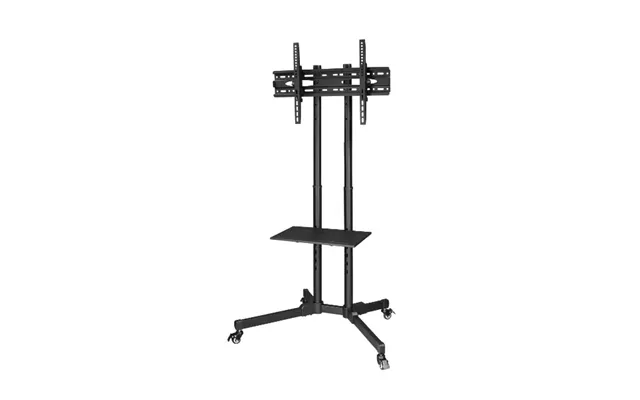
AV carts are designed for presentations. Expect shelves sized for projectors, speakers, laptops, and sometimes an integrated mount for screens. Cable management channels and ventilation are common features because electronic gear needs airflow. If your team frequently holds meetings or training sessions, an AV cart keeps your tech tidy and mobile.
Printer carts are compact rolling stations tailored to support heavy printers while providing storage for paper and toner. Look for reinforced top decks and a shelf height that aligns with ergonomic use — typically between 28 and 34 inches tall. Many models include pull-out trays for paper handling and locking casters to stabilize the machine during use.
Medical carts often have locking drawers, anti-bacterial surfaces, and integrated power solutions for charging devices. Tech carts for IT departments mirror these needs with cable trays and adjustable shelving to cradle servers, switches, or charging tablets. If you’re outfitting a clinic or a tech bench, prioritize carts with secure drawers and easy-to-clean finishes.
From coffee stations to mobile islands, kitchen carts bring function and style. These often feature butcher block tops, towel rails, and storage for utensils or snacks. If you’re converting a breakroom into a pop-up café, a kitchen cart with a sturdy top and wheels that lock is essential for both prep and presentation.
Once you know the type of cart you need, focus on features that affect day-to-day usability. Small differences — like caster type or shelf height — make a big impact on how well a cart performs over time.
Check the weight rating: many utility carts are rated from 150 to 800 pounds capacity. A simple laminate printer cart might support 100 to 200 pounds, while steel AV carts can support 300 pounds or more. Always pick a cart with a safety margin above what you actually plan to carry. If you tend to load up heavy equipment, add at least 50 percent to your expected load when choosing capacity.
Casters make or break the experience. Look for swivel casters for tight turns and at least two locking casters for stability. Rubber or polyurethane wheels glide quietly and won’t mark vinyl or hardwood floors. For carpeted areas, larger-diameter wheels — 3 to 5 inches — roll much easier than tiny casters. If you plan to move carts across thresholds or outdoor areas occasionally, heavy-duty wheels are worth it.
Common materials include steel, laminate wood, and molded plastic. Steel is rugged and best for heavy loads or industrial settings. Laminate or wood-top carts look nicer for customer-facing areas and breakrooms. Plastic carts are lightweight and resistant to moisture, making them ideal for kitchens or medical environments. Consider the finish: powder-coated steel resists scratches better than painted surfaces.
Adjustable shelves, tilting platforms, and height-adjustable tops are features that increase versatility. An ergonomic cart puts equipment at a comfortable working height — typically about 28 to 34 inches for desktop tasks. Adjustable-height carts are useful when multiple people with different heights use the same station regularly.
Look for drawers, bins, and dividers if you need to keep supplies sorted. Cabinets with locks protect sensitive paperwork or equipment. Removable bins and modular shelving let you customize the interior for changing needs — for example switching from printer supplies one month to event gear the next.
For carts carrying electronics, cable channels and integrated power strips make life easier. A cart with a built-in surge protector or power strip reduces tripping hazards and keeps gear charged. Ventilated shelves prevent overheating of devices such as routers or servers.
Getting the size right avoids awkward fits and tipping hazards. Start by measuring door widths, elevator dimensions, and the space where the cart will sit. Use inches for precision: note the opening clearance in inches and compare to the cart width. Allow at least 6 to 12 inches of clearance on either side for turning and access. If the cart will sit under a counter, measure the counter height and leave about 2 inches of clearance above the cart’s tallest point.
Flooring matters. Hard floors like hardwood and tile are best served by soft rubber or polyurethane wheels to avoid scuffs. On thicker carpet, choose larger-diameter wheels and possibly ball-bearing casters for smoother rolling. For uneven surfaces or thresholds, look for wheels with a tread profile and at least 3 to 4 inches in diameter. Always pick lockable casters if the cart will be used as a workstation so it won’t drift while someone is pulling paper from a printer.
If you store confidential documents or expensive gear, lockable drawers and top-lid locks are non-negotiable. Some carts include keyed locks or padlock hasps for extra security. Safety straps and raised lips on shelves prevent things from sliding off during movement. For heavy equipment, consider a cart with stabilizing feet or a wider wheelbase to reduce the chance of tipping.
Some carts arrive fully assembled, but many come flat-packed to save on shipping. Check average assembly time — a basic 3-shelf cart might take 10 to 20 minutes; a complex AV cart with mounts and power options could take an hour. Keep maintenance simple: tighten screws periodically, clean wheels of debris, and touch up scratches on metal with a matching paint pen. With routine care, a quality cart can last 5 to 10 years in a busy office.
In client-facing spaces, the cart’s appearance matters. Laminate tops with wood grain or powder-coated metal in neutral colors blend well with modern offices. For hospitality settings choose carts with decorative elements like overhangs, towel racks, or glass shelves. Remember: function should drive form, but you don’t have to sacrifice style for practicality.
If sustainability is part of your purchasing criteria, look for carts made from recycled steel or FSC-certified wood tops. Durable materials that extend product life reduce the environmental cost of replacement. Also consider repairability — modular components and standard fasteners make future repairs easier than proprietary parts.
Carts range widely in price. A basic plastic utility cart might cost under $50, while a high-end medical or AV cart with locks and power integration could be several hundred dollars. Think about lifetime value rather than ticket price: a sturdier cart that lasts longer often ends up being the better deal. Factor in warranty length, the reputation of the manufacturer, and ease of finding replacement parts when comparing costs.
Comparison sites and spec sheets let you line up key numbers — load capacity, shelf dimensions, caster size, and weight. Make a checklist of must-haves and nice-to-haves before you start comparing. If possible, test a cart in person to judge wheel smoothness and shelf stability. If you’re buying for multiple rooms, standardize on one model so spare parts and maintenance are simpler.
Here are practical pairings of cart types with common workplace needs to spark ideas. For a small office with centralized printing, a reinforced printer cart with a pull-out paper tray and 4 locking casters keeps prints organized and machines stable. In classrooms, a 3-shelf steel utility cart moves books and AV equipment between rooms with minimal fuss. For clinics, a medical cart with lockable drawers and an integrated power strip supports mobile charting and device charging. Hospitality teams often prefer kitchen carts with a butcher block top and towel rail for mobile catering stations.
Before clicking “buy,” run through this quick checklist: confirm weight capacity, measure doorways and storage spaces in inches, check wheel type and locking features, verify material and finish, ensure the cart fits your aesthetic and budget, and look for warranty and spare part availability. This small due diligence saves headaches later and ensures the cart will be a hardworking part of your space for years.
Price comparison and review platforms are excellent for spotting discounts and reading real-user feedback. Use comparison tools to filter by dimension, load rating, and caster type. Always cross-check product specs directly on the manufacturer’s page to make sure the measurements and capacities are accurate before ordering.
Good habits extend the life of your cart. Don’t overload a single shelf, distribute weight evenly, and lock casters when stationary. When moving a heavy cart, push from the center of the unit rather than the top to avoid tipping. For electric equipment, use carts with integrated cable channels and secure cords to prevent trips and accidental unplugging.
Choosing the right office cart isn’t just about picking something that rolls — it’s about finding a durable, well-designed tool that fits the way you work. Consider load capacity, wheel type, material, and specialized features like locks or power integration. Measure your space in inches, prioritize ergonomics, and weigh long-term value against upfront cost. With a little planning, the right cart will become one of the most useful and cost-effective pieces of office equipment you own.