All categories
Business & Offices
Electronics & Media
Fashion & Accessories
Groceries & Essentials
Health & Personal Care
Home & Living
Kids & Family
Sports & Outdoors
Search in ZoneOffer

Loading...
Even in an age where smartphones are always within reach, a dedicated scientific calculator remains a must-have for students, engineers, and anyone who crunches numbers regularly. These devices are designed for precision, speed, and exam compliance in ways phones aren’t. Think of them as a reliable pocket workshop — compact, distraction-free, and built for math. Whether you’re studying for GCSEs, A-levels, or working through engineering problems, the right calculator helps you get from problem to proof without tearing your hair out.
Scientific calculators focus on functions beyond basic arithmetic: trig, logarithms, powers, roots, and statistical operations. They are usually not as graphically capable as graphing calculators, but they often have sharper interfaces for formula entry and symbolic calculations. The user interface, keyboard layout, and memory functions can shave minutes off exam time. In short, they’re purpose-built tools, not Swiss-army phones — and that matters when accuracy and exam rules are non-negotiable.
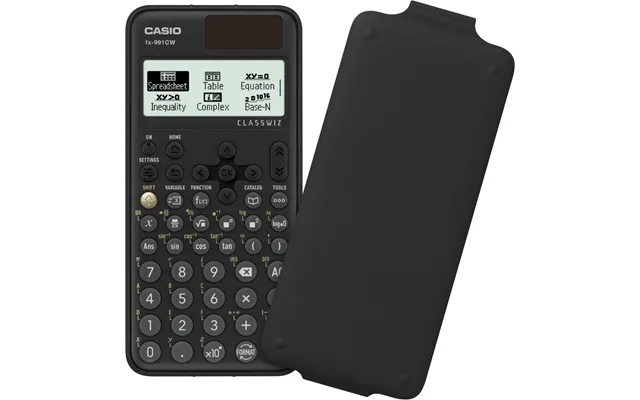
The Casio fx-991EX ClassWiz is a popular choice for students who need a powerful, exam-friendly calculator. It offers a high-resolution LCD — roughly 2.7 inches wide — which displays spreadsheets and calculations neatly. It handles matrices, complex numbers, and equation solving with speed. Battery life is excellent thanks to solar + battery backup, and it’s often approved for exams. If you want a feature-rich, reliable tool that won’t scare you off with a steep learning curve, this one’s a strong pick.
Simple, sturdy, and budget-friendly, the TI-30X IIS is a favourite in classrooms. It’s compact — about 6 inches tall — and features two-line playback for checking previous entries. While not as feature-dense as the fx-991EX, it nails the essentials: trig functions, fractions, exponents, and basic statistics. It’s ideal for younger students or anyone who prefers a straightforward interface to a menu-heavy device.
Although primarily a graphing calculator, the TI-84 Plus CE is often considered by students who want extra headroom beyond a traditional scientific calculator. It has a colorful backlit display of about 2.8 inches and plenty of built-in functions for advanced algebra, calculus, and statistics. If exams allow graphing calculators and you anticipate needing graph capabilities later, the TI-84 Plus CE is a future-proof choice — albeit pricier and slightly larger to fit in a backpack.
The HP 35s is a programmable scientific calculator with a loyal following among engineers and professionals. It supports RPN (Reverse Polish Notation), a favorite among certain technical users for efficient entry of long calculations. The HP 35s is rugged and rechargeable battery options are available; it’s typically a bit heavier than student-targeted models, hovering around a few ounces, but that weight translates to build quality and durability.
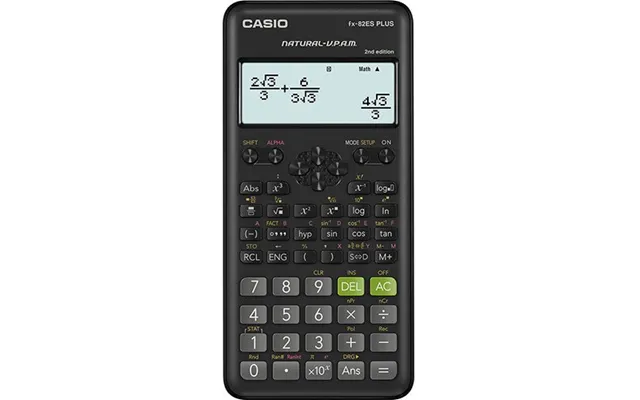
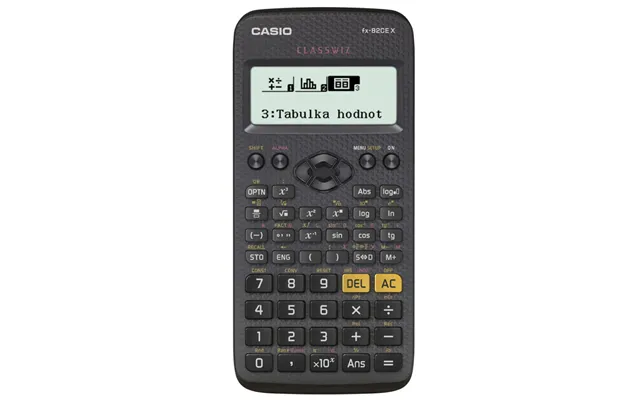
Casio’s fx-570EX and fx-82 series offer reliable alternatives at lower price points. The fx-570EX shares many features with the fx-991EX but is often region-specific in function availability. The fx-82 family is ultra-basic but perfectly capable for GCSE-level tasks. These calculators are light, pocket-friendly, and aces in classrooms where budget and exam compliance matter most.
A clear, high-resolution screen makes a world of difference. Look for displays around 2.5 to 3 inches wide that show multiple lines or fractions in natural textbook format. That saves time checking expressions and reduces entry errors — especially under exam pressure. A backlit screen is a bonus for low-light environments, but it may reduce battery life slightly.
Make sure the calculator supports the functions you need: trig, logarithms, factorials, permutations and combinations, matrix operations, complex numbers, and statistical distributions. Memory registers and the ability to recall previous entries are lifesavers during multi-step problems. Programmable models add flexibility if you frequently repeat complex procedures.
Solar-backed calculators are excellent for long-term reliability — as long as you have decent light. Battery-only models often use AAA or button cells and are cheap to replace. Rechargeable units can be convenient, especially for heavy daily use. Pick what matches your routine: if you commute, rechargeable or solar + battery backup is ideal; if you only use it in class, battery or solar will do fine.
Units with hard cases or slide covers last longer in backpacks. Size matters: a full-featured scientific calculator is typically about 6 inches tall and fits easily into a pencil case, but compact models exist if pocket carry is a priority. Heavy-duty builders like HP often weigh more — measured in ounces — but survive drops and knocks better than lightweight models.
Before you buy, check the exam board rules. Many UK exams permit specific scientific calculators but ban programmable or CAS (computer algebra system) devices. If you’re preparing for a particular test — GCSEs, A-levels, or professional certifications — confirm approved models or feature restrictions. A compliant calculator avoids last-minute surprises and keeps your focus where it should be: on solving the question, not defending your device at exam check-in.
Scientific calculators are lighter, cheaper, and excellent for algebra, trigonometry, and statistics. Graphing calculators add visual plotting, larger screens, and advanced symbolic capabilities. Choose a scientific model if your work revolves around equations and calculations without heavy plotting. Opt for a graphing calculator if you’ll be dealing with functions, parametric plots, or 3D visualisations. Sometimes students start with a scientific model and upgrade later — a smart, cost-effective path.
If you’re in secondary school preparing for GCSEs, a solid mid-range model like the TI-30X IIS or Casio fx-82 will usually do the job. A-level students and those taking university math or engineering courses may prefer the fx-991EX, fx-570EX, or even a TI-84 Plus CE if permitted. Professionals often lean toward HP 35s or higher-end Casio and TI models that offer programmability and robust memory. Ask yourself: what functions will you need in six months? Buy with that future need in mind.
Buying smart doesn’t mean sacrificing quality. Start by comparing prices on a trusted comparison site — yes, those comparison platforms can reveal deals across retailers. Look for student discounts, seasonal sales around back-to-school weeks, and certified refurbished models that come with a warranty. Used calculators in good condition are often a great budget option, but always reset memory and check battery life before buying. Finally, invest in a model that lasts; a slightly pricier calculator that serves you well through university pays off compared to repeatedly buying cheaper replacements.
A slide-on hard cover or protective case prolongs your calculator’s life and prevents screen scratches. These cases usually add an inch or two to storage size but are worth it for daily commuters. Some come with clips for notebooks, which is handy during labs or fieldwork.
If your model uses button cells or AAA batteries, keep a spare set in your bag — they’re light and cheap. For solar-backed models, avoid prolonged storage in the dark; occasional exposure to daylight keeps the internal battery in top form. Treat rechargeable models like phones: a full charge before exams is good practice.
Keep the keypad clean by wiping with a soft, dry cloth; avoid harsh chemicals that can remove key labels. Reset memory before selling or handing a device to someone else, and store the calculator in a cool, dry place to prevent battery leakage or screen issues. If the display becomes faint, check contacts and replace batteries rather than pushing the device into heavy use — degraded screens can cost more to repair than a replacement calculator.
Many modern calculators offer companion software for equation transfer, firmware updates, and emulation on laptops. These features are handy for teachers and power users who want to prepare worksheets or transfer programs. If you prefer a tangible device in exams, companion apps are a helpful home-study tool rather than a replacement. Just remember: exam rooms frequently prohibit phones and tablets, so don’t rely on apps for your final assessment.
Look for models built with replaceable parts, solar assistance, or long-life batteries if sustainability matters to you. A high-quality calculator that lasts five years or more reduces waste and often costs less over its lifetime than multiple low-quality replacements. Choosing a well-known brand with good customer support and spare parts availability is practical and planet-friendly.
Here’s a quick checklist to guide your purchase: confirm exam approval, list must-have functions, decide on power type (solar, battery, rechargeable), check display readability, look for a protective case, and compare prices across retailers using a comparison site. Test the feel of the keypad if possible — typing comfort matters during timed exams. With this shortlist, you’ll cut through marketing fluff and pick the right tool for your needs.
Scientific calculators remain indispensable tools for students and professionals who need reliable, exam-compliant computing power. From the budget-friendly TI-30X IIS to the feature-packed Casio fx-991EX and the professional-ready HP 35s, there’s a model that fits every need and budget. Focus on exam rules, essential features, and build quality, and use price comparison resources to shave costs without skimping on functionality. With the right calculator in hand, complex problems become manageable steps rather than obstacles — and that’s the real win.
| Scientific Calculators | Price | |
|---|---|---|
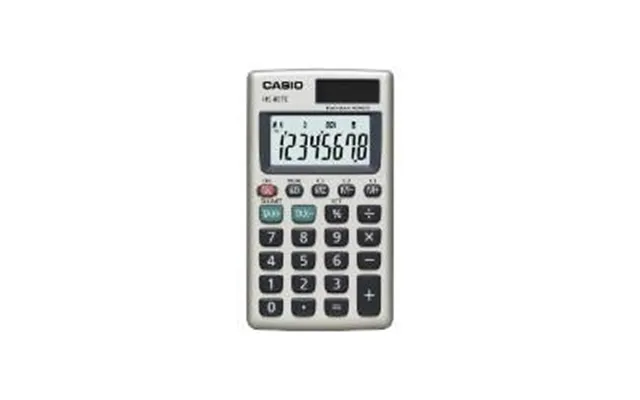
| Casio Hs-85te Handheld Calculator | £ 14,81 | |
| Casio Hs-85te Handheld Calculator | £ 14,81 | |
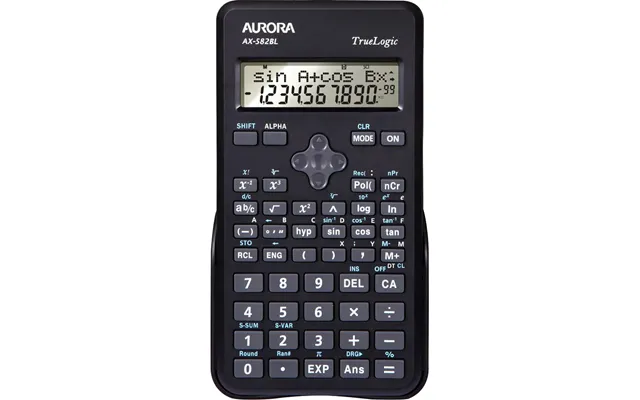
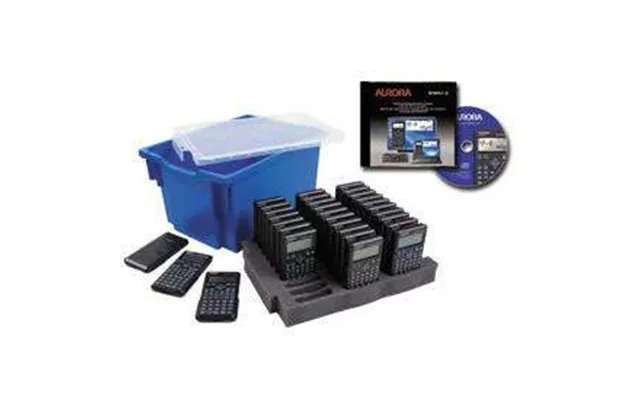
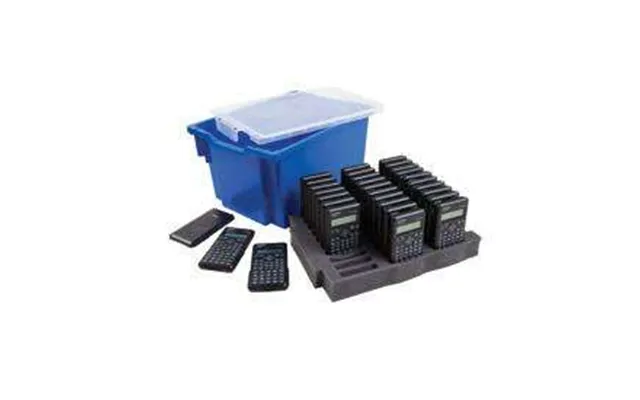
| Aurora Ax-582bl Calculator Pocket Scientific Black | £ 17,21 | |
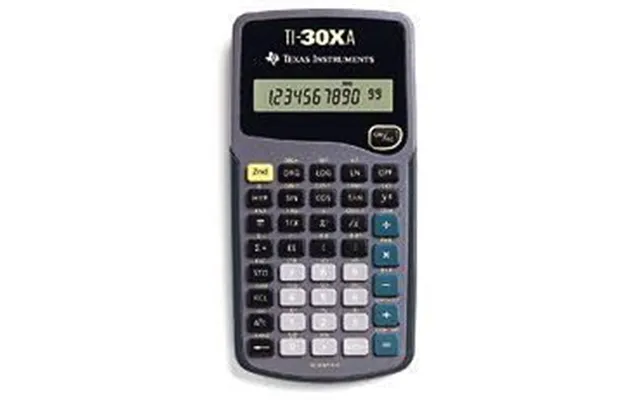
| Texas Instruments Ti-30xa Calculator Pocket Scientific Grey | £ 23,32 | |
| Texas Instruments Ti-30xa Calculator Pocket Scientific Grey | £ 23,32 | |
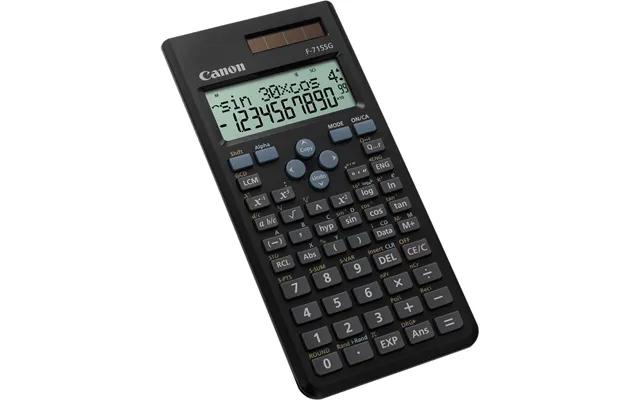
| Canon F-715sg | £ 27,29 | |
| Canon F-715sg | £ 27,29 | |
| Casio Fx-991cw Calculator Pocket Scientific Black | £ 35,28 | |
| Casio Fx-82es Plus-2 Calculator Pocket Scientific Black | £ 41,21 | |
| Casio Fx-82es Plus-2 Calculator Pocket Scientific Black | £ 41,21 |