
Art Charcoals price list
Last updated Friday, Sep 18, 2026





Loading...
Last updated Friday, Sep 18, 2026
Charcoal has a raw, immediate feel that lets you capture mood and motion in a few bold strokes. It’s forgiving, fast, and expressive—perfect when you want to sketch ideas quickly or craft dramatic finished pieces. Whether you’re warming up with a quick gesture sketch or building a layered portrait, charcoal gives textures and tones you just can’t get with a pencil. If you like working with contrast, rich blacks, and smudgy atmospheres, charcoal will become one of your go-to tools.
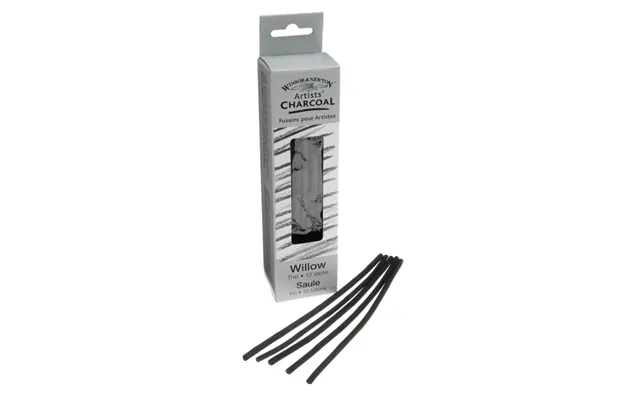
Vine charcoal is made from charred grapevine or willow and comes in soft, airy sticks. It gives a light, dusty mark that’s easy to erase and blend, which makes it ideal for sketching, underdrawing, and loose studies. Vine charcoal is usually available in lengths you can snap to size and works wonderfully on toothy papers such as charcoal or pastel pads in sizes like 9 x 12 inches or 11 x 14 inches.
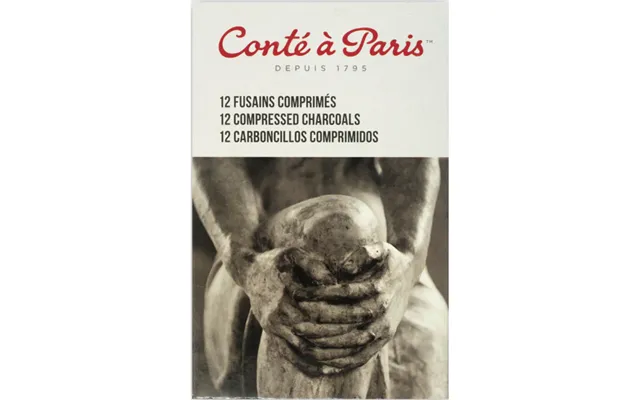
Compressed charcoal is denser and darker than vine charcoal because it’s mixed with binders and pressed into sticks or blocks. The payoff is deeper blacks and stronger lines, which are great for final pieces and bold accents. It’s tougher to lift off paper, so plan layers carefully. Compressed sticks and pencils are useful when you want intense contrast or detailed mark-making.
Charcoal pencils encase compressed charcoal in a wood casing for control and precision. They’re perfect for fine detail—think eyelashes, hair strands, and sharp edges. Charcoal sticks offer a broader range of mark width and are excellent for large-scale work or energetic gestures. Both are available individually or in sets, often including a range from hard to ultra-soft for versatile mark-making.
When shopping for charcoal, look for reputable art brands that balance consistency and value. Names you’ll commonly find in the UK include Derwent, Winsor & Newton, Faber-Castell, Cretacolor, and Conte à Paris. Many of these brands offer starter kits that include vine and compressed charcoal, a few pencils, and sometimes a kneaded eraser—perfect for testing several types without committing to large packs. If you prefer economy, general charcoal sets give you a range of tones and are great for students and hobbyists. For professionals, single high-quality sticks or boxed sets from premium makers offer superior performance and purity of black.
Fixative helps lock loose charcoal dust to paper and prevents smudging. There are workable fixatives (so you can continue drawing) and final fixatives for finished pieces. Apply in thin, even coats from about 10 to 12 inches away to avoid saturating the paper. Both aerosol and pump options exist; aerosols are common, but always work in a ventilated area or outdoors.
Blending stumps and tortillons give you control when softening edges or creating gradients; they’re like a pencil for smudging. For large areas, soft brushes or even a chamois cloth can yield smooth tonal fills. Experiment: a fingertip creates warm, organic smudges, while a stump gives cleaner transitions. Keep a set of blending tools so you don’t overwork the paper with dirty fingers.
A kneaded eraser is essential for lifting charcoal and creating highlights by gently dabbing or pulling pigment. For precise highlights, use a vinyl eraser in small strokes. Charcoal pencils need a sturdy sharpener designed for soft leads to avoid crumbling; a blade-style sharpener or a craft knife works best for sticks and pencils alike.
Paper choice makes or breaks a charcoal drawing. Look for textured paper—often labeled “charcoal paper” or “pastel paper”—with enough tooth to hold pigments. Sizes like 9 x 12 inches, 11 x 14 inches, and 18 x 24 inches are common. Heavier paper (100 lb and above) resists warping when you apply fixative. For unconventional effects, try toned paper or smooth Bristol for detailed, contrast-rich work.
Start by asking what you want to achieve. For quick studies, vine charcoal and larger sticks will help you capture movement fast. For finished, contrast-rich pieces, use compressed charcoal or charcoal pencils for detail. If you’re unsure, buy a small mixed set with vine, compressed, and pencil forms to test. Also consider paper size—if you like large gestures, opt for 18 x 24 inch pads or larger; for tabletop sketches a 9 x 12 inch pad is ideal. Finally, factor in portability: charcoal pencils and a small eraser are easier to carry than sticks and a spray fixative.
Charcoal drawings combine observation and mark-making. Start with basic gesture lines to block in proportions, then build up shadows with layers of vine or compressed charcoal. Use side strokes for broad tones and tip strokes for hair and fine edges. Lift highlights with a kneaded eraser rather than drawing them in white—this creates a luminous effect. Try hatching and cross-hatching for texture, or smudge with a stump for soft gradients. Remember to step back frequently: charcoal looks different close up than from a few feet away.
The most frequent errors are overworking the paper, neglecting fixative, and ignoring contrast. Overworking flattens marks and can damage the paper; stop while the drawing still feels alive. Apply a light, workable fixative early if you’ll be layering, and a final fixative when done. To maintain depth, establish a strong range from light to dark early on. Also, don’t forget to protect finished pieces with a glassine sheet or frame under glass to keep dust from smudging the surface.
Charcoal dust loves to move, so storage matters. Keep drawings flat between sheets of acid-free tissue or glassine to prevent smudging. Avoid stacking works face-to-face. For display, mount drawings under glass with spacers to avoid contact between the glass and charcoal surface. When transporting, use a rigid portfolio or a tube for rolled work—if you roll a piece, make sure the charcoal side is protected with interleaving paper. And if humidity is a concern, a dry environment prevents paper buckling; aim to store art where temperature and humidity are stable.
Charcoal supplies are sold in local art shops, specialist online retailers, and large online marketplaces. If you want to compare prices quickly, use comparison sites that aggregate discounts and product listings—that’s a smart way to spot sales and read reviews without hopping between dozens of sites. Also check artist supply stores for student sets and economy packs, and look out for seasonal sales when larger sets and premium brands can be discounted. Don’t forget local creative co-ops or community centers; they sometimes stock quality materials at reduced prices.
Charcoal is versatile for many creative projects. Try charcoal portrait studies focusing on eye sockets and lighting, or experiment with urban sketches that play up architectural contrast. For landscapes, focus on atmosphere—use compressed charcoal for deep shadows and vine for airy clouds and distant hills. Mixed-media artists will enjoy combining charcoal with white gouache or pastel to add highlights and color. If you’re teaching, set up a blind-contour drawing exercise to loosen up students’ sight and hand coordination.
Before making a purchase, think about your typical working scale, whether you prefer portable tools, and if you want to invest in professional-grade supplies. Test a few types when possible; many art shops have sample pads or demo sets. If you’re shopping online, read user reviews and check product photos to see tonal range and texture. And remember: the best charcoal is the one you reach for most often—so focus on what inspires you rather than chasing the most expensive brand.
Charcoal drawing is a rewarding practice that improves observation and mark-making skills. With the right mix of vine, compressed, and pencil charcoals, plus a few quality accessories, you’ll be ready to explore bold contrasts, subtle shades, and expressive textures. Keep experimenting—charcoal is forgiving, playful, and full of surprises.