

Fingertip Grips price list
Last updated Sunday, 18 Oct 2026



View 5 Offers

Loading...
Last updated Sunday, 18 Oct 2026
If you've ever wrestled with a slick sheet of paper, shuffled through a thick binder, or tried to pick up a single receipt from a stack, you already know the frustration of poor grip. Fingertip grips are tiny, inexpensive helpers that add traction and precision to your fingertips so that paper handling becomes smooth, fast, and less error-prone. Think of them like the rubber soles on your favorite shoes — small, unglamorous, but crucial for preventing slips and stumbles.
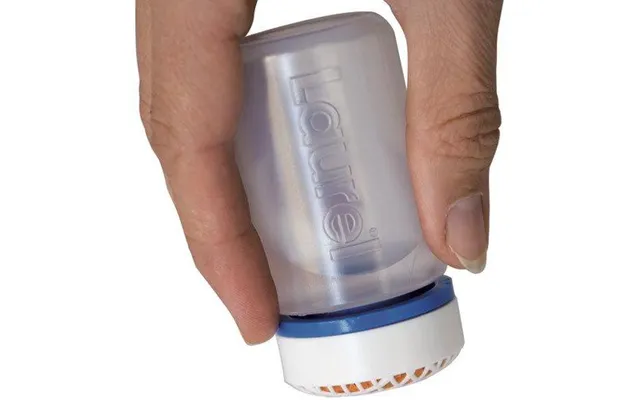
At their core, fingertip grips are small pads or caps made from rubber, silicone, or textured plastic that attach to the tips of your fingers. They come in different shapes — circular pads, little sleeves, or adhesive-backed tabs — and sizes typically range from about 0.2 inch to 0.8 inch across. They let you lift one sheet at a time, pick up glossy photos, turn pages effortlessly, and handle delicate documents without leaving fingerprints or smudges.
There are several popular designs to match different tasks: thin adhesive dots that stick to the pad of a finger, slip-on fingertip sleeves that cover the tip like a thimble, and self-adhesive strip grips that you place on a tool or paper edge. Each design has pros and cons: adhesive dots are discreet and great for short tasks, sleeves offer more coverage and last longer, and strips provide a larger gripping surface for heavier stacks. Choosing the right design depends on how you work and how often.
Not all fingertip grips are created equal. Some are ultra-thin tactile dots for delicate archival work, while others are chunky textured pads for warehouse use. You'll find nitrile fingertip grips for oily or chemical-prone environments, silicone grips that stay soft and flexible in cold rooms, and anti-static versions ideal for electronics handling. There are even fingertip grips with little raised ridges for extra traction when sorting large batches of envelopes or coupons.
If you work in an environment where documents must remain pristine — like a library or archive — opt for acid-free, lint-free fingertip grips that won't transfer residue. For mailrooms and print shops, thicker rubber grips that resist tearing are better. And for touchscreen-heavy jobs, there are fingertip grips designed to maintain touch sensitivity so you can switch between handling papers and tapping a tablet without removing them.
Ever timed how long it takes to count a stack of paper vs. using fingertip grips? The difference is real. By enabling single-sheet handling and quicker page turns, these small tools shave minutes off repetitive tasks, add up over a workday, and reduce errors like double feeds in scanners or printers. They also reduce strain: instead of pinching hard and overworking tendons, fingertip grips increase friction so your natural grip strength is enough.
For busy offices, mailrooms, and legal teams, fingertip grips can reduce processing time and the cost associated with misfeeds or document damage. A single pack often costs only a few dollars and can last weeks or months depending on usage, translating to a quick return on investment when you factor in saved time and fewer reprints. In short, they’re a classic low-cost, high-impact office supply.
Fingertip grips are commonly made from rubber, silicone, nitrile, or textured vinyl. Rubber grips typically offer the best traction but can wear faster if used on abrasive paper. Silicone grips stay supple across a wide temperature range and resist cracking — handy if you work in a cold storage area — while nitrile is tough against oils and chemicals. Look for grips measured in thickness from about 0.02 inch up to 0.1 inch; thicker usually means longer life but less tactile sensitivity.
If you use fingertip grips all day, comfort matters. Softer silicone sleeves distribute pressure better and reduce finger fatigue, while thin adhesive dots are nearly imperceptible and great for occasional use. Durability also depends on how abrasive your paper is — glossy brochures will wear out grips faster than standard office paper. When possible, try a mixed sampler to find the sweet spot between grip and comfort.
With so many options on the market, narrowing choices comes down to three questions: how often will you use them, what surfaces do you handle, and do you need touch-screen compatibility? For light periodic use, adhesive dots or thin pads are perfect. For heavy-duty sorting or frequent handling, sleeve-style grips or thicker tabs are worth the investment. Also think about packaging — bulk packs save money but single-use packs are better for shared workstations where hygiene is a priority.
Look at adhesive strength for stick-on types, thickness for durability, and material for chemical resistance. Some products rate their grip force or maximum number of uses per tab — useful for comparing real-world lifespan. Finally, read reviews for information about residue left on fingertips, compatibility with touchscreen devices, and whether grips cause paper tears when working with delicate materials.
Fingertip grips are not just a niche office tool; they’re used across many industries. Lawyers and paralegals rely on them for precise page turns during depositions, librarians use them to preserve and handle archival documents, and mailroom staff love them for fast envelope sorting. Print shops, photographers, and anyone who handles glossy paper or photos also benefit from reduced smudges and finger oils. Even crafters and hobbyists find them useful for card making and scrapbooking where precision matters.
Think about counting checks, feeding documents into an automatic scanner, separating business cards, or turning pages in a thick reference book — fingertip grips simplify all of these. They're also a small accessibility aid for people with limited dexterity or grip strength, enabling independence in everyday paper tasks.
While fingertip grips are excellent for many tasks, there are complementary tools that sometimes do the job better. Page lifters and corner clips are great for heavy books or bound volumes, while rubber finger cots are better for messy or chemical-prone tasks. For large-scale document handling, consider a manual page turner or a small suction-based page lifter for single-sheet separation without direct contact. Combining tools gives you flexibility: use grips for speed and cots for protection when needed.
If you’re handling extremely delicate archival materials, avoid sticky adhesives and opt for lint-free gloves or specialized archival finger guards. For heavy paper stacks that consistently jam printers, a suction-based or mechanical separator might be more efficient than fingertip grips. The trick is matching the tool to the task rather than assuming one solution fits all.
Keeping fingertip grips clean extends their life and keeps documents pristine. For reusable sleeves, wipe them down with a mild soap solution and let them air dry; don’t use harsh solvents unless the product specifies chemical resistance. Disposable dots should be tossed when they lose tack or collect dirt. In shared environments, rotating single-use packs and providing users with fresh grips reduces cross-contamination — a simple hygiene win for shared mailrooms or reception desks.
Store adhesive grips in a cool, dry place away from direct sunlight to preserve stickiness. Keep sleeves in a small drawer or pouch to avoid dust buildup. Replace grips if they become cracked, excessively stretched, or leave residue on paper. As a rule of thumb, if a grip starts slipping more than it used to, it’s time to replace it — don’t wait until it damages an important document.
Because fingertip grips are a low-cost, high-utility item, prices vary widely depending on brand, quantity, and material. Rather than buying the first pack you see, use a comparison site to quickly scan options, read product highlights, and check average prices. Comparison platforms specialize in aggregating deals across retailers, letting you spot bulk bargains or multi-pack offers without hopping between dozens of websites.
Buy a small variety pack first to test what works for your workflow. Look for multipacks if you use grips daily — a bulk buy often reduces cost per unit. Pay attention to pack counts and unit dimensions so you’re comparing apples to apples; for instance, one pack might contain 200 small adhesive dots while another offers 50 sleeves, which affects both price and longevity. Finally, check user reviews for real-world notes about durability and leftover residue.
Concerned about waste? There are eco-minded fingertip grips made from biodegradable materials or sold in recyclable packaging. Reusable silicone sleeves are a greener option than single-use adhesive dots because they last longer and reduce waste over time. If sustainability matters to your office, look for products labeled recyclable or compostable and choose bulk packaging to minimize per-unit waste.
Eco-friendly grips sometimes cost a bit more upfront, but they often pay back in reduced replacement frequency. If you handle a lot of paper daily, investing in reusable options makes environmental and financial sense. Remember, sustainability doesn't have to mean lower performance — many eco-friendly fingertip grips offer traction comparable to traditional materials.
Implementing fingertip grips in a busy workplace is easy. Start by giving a few team members a trial run and gather feedback on comfort and effectiveness. Place a clear sign near shared printers and scanners explaining the purpose of grips and where to find replacements. For mailrooms, pair grips with a simple sorting station that includes a non-slip mat and a small tray for used disposable dots. Little process nudges make adoption smoother and help the entire team benefit.
Show new users how to attach and remove grips without damaging paper — a 30-second demo can save hours of frustration later. Encourage staff to report which types wear out fastest so you can order wisely. Small victories, like faster mail processing times or fewer scanner jams, quickly convert skeptics into fans.
Fingertip grips are a humble yet powerful tool for anyone who handles paper — from office workers and librarians to crafters and mailroom teams. They boost speed, accuracy, and comfort while protecting documents and reducing strain. By understanding the types, materials, and real-world use cases, you can pick fingertip grips that match your workflow and even save money in the long run. Whether you choose adhesive dots for light use or reusable silicone sleeves for heavy duty, integrating fingertip grips is an easy win that makes daily tasks feel a little less like wrestling and a lot more like smooth sailing.