

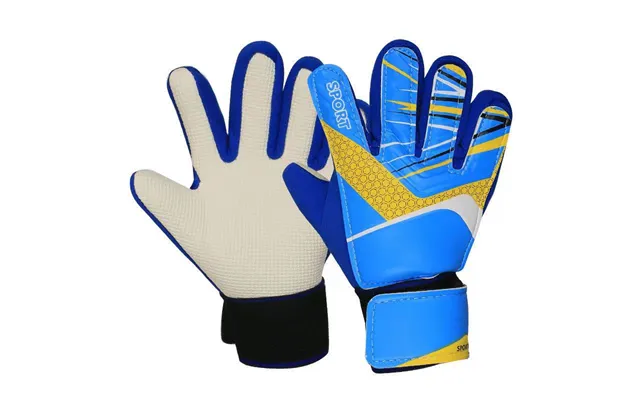
American Football Gloves price list
Last updated Monday, 19 Oct 2026
| American Football Gloves | Price |
|---|---|
| Unisex Football Gloves Children Adult Training Guard Anti-slip Wear Glove Leg Pads | £8.56 |





Loading...
Last updated Monday, 19 Oct 2026
| American Football Gloves | Price |
|---|---|
| Unisex Football Gloves Children Adult Training Guard Anti-slip Wear Glove Leg Pads | £8.56 |
Think of gloves as the handshake between you and the football — they either lock the deal or let it slip away. Whether you’re a receiver tracking a 50-yard bomb, a running back fighting for an extra yard, or a lineman anchoring the pocket, the right pair of American football gloves can change how you feel and perform out there. Gloves boost grip, protect hands from impact, and give confidence in wet or cold conditions. If you've ever felt the sting of a dropped catch or the frustration of gloves that bunch up, you know that investing a little time in the right pair pays off in plays.
Receiver gloves are all about tack — think of them as sticky palms that help you secure catches with less effort. They tend to be lightweight, with thin backs for flexibility and large, tacky palm surfaces. If you run routes, play slot, or take pressure off the quarterback, these are the gloves you want. They’re built to help with fingertip control and ball feel, letting you adjust mid-air or rip the ball into your body quickly.
Lineman gloves trade tack for padding and durability. These gloves prioritize protection for the hands and wrists and often have reinforced palms and thicker exterior shells. They stand up to constant contact, gripping other gloves and equipment rather than the ball. If you're a tackle, guard, or center, look for gloves with extra padding on the knuckles and seams that won’t give out after a season of trench warfare.
Hybrid gloves aim to strike a balance. Defensive backs need tack for interceptions and enough mobility to shed blocks, so hybrids mix sticky palms with flexible backs and light padding. These are multipurpose options for players who play in the slot or on the perimeter and need both coverage and ball skills.
Youth gloves are scaled-down versions of adult models but with attention to fit and flexibility for smaller hands. They’re usually more affordable and designed to keep kids comfortable while learning fundamentals. For parents and coaches, prioritize fit and ease of use — gloves should slide on quickly and feel secure without squeezing.
Grip is the headline feature. Palms use tacky silicones, polymer coatings, or textured rubber to grab the ball. Think of tackiness like Velcro for leather — it reduces smacks and bobbles. Evaluate how tacky the gloves feel when you open them; some lose stickiness faster than others, but many modern models hold up well through multiple games and washes if cared for properly.
Gloves should fit like a second skin, not a mitten. Too loose and you lose control; too tight and circulation and comfort suffer. Measure your hand across the palm in inches and check the brand’s sizing chart — most manufacturers list glove sizes in inches or small/medium/large with corresponding hand widths. A snug fit means you can flex your hand without bunching material at the knuckles and can still close your fingers fully around the ball.
Protection varies by position. Linemen want dense padding on the back of the hand and over the knuckles, while skill players usually prefer minimal padding so they can feel the ball. Look for high-impact foam or raised padding zones if you play in the trenches; these can shave off the sting from repeated blows during a game.
Durability comes down to palm material, stitch quality, and back-of-hand construction. Synthetic leather palms with reinforced stitching tend to last longer than cheap mesh palms. The back of the glove may use breathable mesh, neoprene, or stretch fabric. Consider where you play — if you grind on turf and practice every day, opt for heavy-duty materials that can survive wear and tear measured in weeks, not days.
Sweaty hands are slippery hands. Look for gloves with perforations, mesh panels, or moisture-wicking liners to keep your palms dry. Breathable gloves keep you comfortable through four quarters and reduce the need for mid-game adjustments. Comfort also comes from wrist closure systems: adjustable straps or Velcro cuffs can stabilize the glove on your hand without cutting circulation.
There’s no shortage of reputable brands in the American football glove market. Nike, Under Armour, Cutters, adidas, and Battle are among the heavy hitters. Each brand brings a slightly different philosophy: Nike often focuses on ultra-lightweight, performance-driven designs for receivers; Under Armour blends fit with a tacky palm and multi-directional stretch; Cutters is known for enhanced grip technology; adidas focuses on straightforward, tested designs; Battle offers budget-friendly, durable alternatives. Popular models like the Nike Vapor series, Under Armour F7, Cutters Rev Pro, and adidas Freak are often recommended by players who want dependable performance without surprises.
Start with a simple tape measure across the widest part of your palm, usually just below the knuckles, excluding your thumb. Record this measurement in inches. Most brands provide a size chart that maps your palm measurement to small, medium, large, etc. If you’re between sizes, choose the smaller size for a tighter fit unless you need extra room for padding or injury protection.
When you can try gloves in person, don’t just check finger length — make a fist, flex your wrist, and simulate catching the ball. Your fingertips should reach the ends of the gloves without feeling cramped, and you should be able to wrap your fingers around a ball with no material bunching. If the glove pulls away from the wrist when you flex, it’s too loose.
Players with longer fingers should ensure adequate fingertip length to avoid overstretching seams. Conversely, if your knuckles feel pressure or seams cross over joints, the glove is too small. A properly sized glove balances fingertip contact with natural movement through every position on the field.
You don’t need a chemistry degree to keep gloves working well. After practices and games, air out gloves to dry moisture, and avoid cramming them into a bag where sweat breaks down tackiness. When they get dirty, hand wash gently in cool water with mild soap, rinse thoroughly, and let them air dry flat — never in direct sun or in a dryer, which can warp adhesives and fibers. For gloves that lose tack over time, some players use specially designed grip towels or approved tack sprays to refresh the palms; always follow the manufacturer’s guidance to avoid degrading the glove.
If you’re playing in a recreational league or buying for a child, value is king. Budget gloves offer good grip on a shoestring and generally feature durable palms and simple wrist closures. Expect them to last a season or two under moderate use. They’re perfect for learning fundamentals, flag football, or pickup games where super-fine edge performance isn’t needed.
Competitive players who practice daily or play in leagues should consider pro-level gloves. These models use higher-grade palm compounds, advanced stitching, and precision sizing for minimal slippage and maximal feel. Pro gloves often cost more, but they deliver consistent tack, better durability when washed properly, and position-specific features — like reinforced finger seams for receivers or heavy-duty knuckle protection for linemen.
Gloves don’t exist in a vacuum; pairing the right accessories can make a noticeable difference. Performance wrist wraps add support for players who throw or extend their hands into traffic. Grip towels are a quick mid-game fix to wipe moisture and revive tackiness. Some players swear by silicone finger sleeves for extra fingertip control, especially when catching in clutch situations. Always test accessories in practice before game day so they feel natural when the whistle blows.
Weather affects grip more than most players admit. Cold air can stiffen glove materials and reduce tack, while rain challenges stickiness and dexterity. For wet games, choose gloves with proven water-resistant palms and tighter cuffs to keep moisture out. Turf players should prioritize reinforced palms and seams, since synthetic surfaces tend to abrade gloves faster than grass. If you live in a place with long winters, consider a slightly heavier glove or a lined model that retains some warmth without sacrificing grip.
Buying by color or style alone is a rookie move. Sure, flashy gloves look amazing on highlights, but function should lead design. Don’t skip sizing checks; an ill-fitting glove will hinder more than help. Avoid over-washing with harsh detergents that strip tackiness, and don’t assume all gloves will feel the same across brands. Finally, never rely on a new pair of gloves to be broken in instantly — give yourself a few practices to adjust.
Shopping smart means comparing specs and user reviews. Look for comparison tools and review roundups that let you filter by position, size, and budget so you’re not starting from zero. If possible, try on different brands at a store or during team equipment sessions. Testing in a real practice environment is the best way to know how a glove performs under live conditions.
At the end of the day, the best American football gloves are the ones that match your position, playing conditions, and budget. Receivers should prioritize tack and thin, flexible backs; linemen need padding and durability; hybrids sit in the middle. Measure your hand in inches, try on multiple sizes, and care for your gloves to keep them performing for as long as possible. With the right pair, your hands become reliable tools — and that makes every snap, catch, and block count.
Give new gloves a few practices to break in, test them in both dry and wet conditions if possible, and keep a backup pair for important games. Remember to check return windows and manufacturer warranties — quality brands stand behind their work. Lastly, trust your feel: if a glove gives you confidence and feels natural, it’s probably the right pick.
Conclusion: Your hands are your business on the field. Treat them well by choosing gloves that fit, protect, and enhance your natural abilities. With the right glove, you’ll notice the difference in catches, control, and comfort — and that can be the difference between making a highlight and leaving points on the table.